
Cultural Walks: Exploring Traditional and Modern Architecture in Nigerian Cities

Exploring Nigeria’s Architectural Heritage
Nigeria’s architectural landscape is an intricate tapestry woven from the threads of history, culture, and innovation. From the awe-inspiring ancient structures that reflect the country’s rich past to the vibrant and daring designs of contemporary architecture, the built environment paints a vivid picture of Nigeria’s identity. A stroll through cities like Lagos, Abuja, and Kano reveals an impressive array of styles that each hold stories waiting to be uncovered. Cultural walks in these urban centers offer an immersive experience as you traverse the pathways of architectural evolution.
Traditional Architecture
One of the most captivating aspects of Nigeria’s architecture is its traditional structures, especially in the northern regions. The intricate designs of the mud houses—locally known as ‘tuwon’—in places like Zaria and Kano are not only functional but also embody the aesthetic values of the people. These buildings often feature ornate carvings and distinctive protruding roofs that provide shade and shelter. Additionally, the use of locally sourced materials demonstrates a profound understanding of the environment and its resources, allowing these communities to thrive for centuries. Examples like the ancient city of Sukur, a UNESCO World Heritage site, showcase terraced landscapes undergirded by cultural significance, where traditional architecture harmonizes with nature.
Colonial Influences
As visitors explore Nigeria’s cities, they encounter a wealth of colonial architecture that offers a glimpse into the country’s historical narrative. Buildings such as the iconic Nigerian Railway Corporation Headquarters in Lagos and the old Legislative Building in Jos evoke the era of British colonial rule. The mix of neoclassical and Victorian designs speaks volumes about the influence of colonial architects who introduced new materials and styles. These structures stand today as reminders of a complex past, making the evolution of Nigerian architecture a story of resilience and adaptation.
Modern Innovations
With the dawn of the 21st century, Nigeria has embraced modern architectural innovations that reflect its burgeoning status in the global arena. Cities like Abuja are witnessing a skyline transformation, characterized by skyscrapers and contemporary designs that challenge traditional norms. Architectural firms like Design Group Nigeria and Fashola & Partners are leading the charge, creating eco-friendly buildings that incorporate sustainable practices and modern aesthetics. The Evercare Hospital, for example, represents a synergy of health care efficiency and cutting-edge design, exemplifying how architecture can serve functional needs while pushing creative boundaries.
Engaging with Nigeria’s architectural diversity serves as a profound way to reflect on the nation’s historical evolution and its contemporary aspirations. Each building and monument contributes to the ongoing narrative of cultural identity and creativity that resonates with both residents and visitors alike. Whether you’re meandering through the vibrant streets of Lagos or exploring the serene spaces of Abuja, engaging with the architecture of Nigerian cities invites a deeper appreciation for the dynamic fusion of cultures, driven by a shared history and vision for a prosperous future.
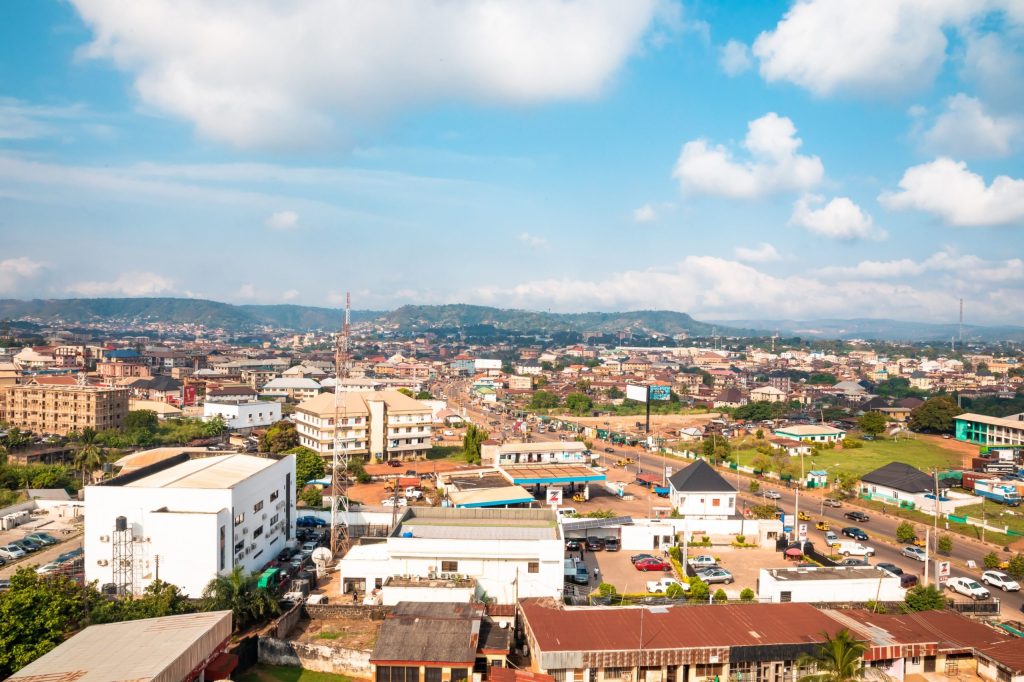
So join us on these enlightening cultural walks, and discover not only celebrated landmarks but also hidden gems that reveal the essence of Nigeria’s architectural story. Each step resonates with the past and points towards a promising tomorrow, providing an opportunity for personal reflection and collective growth.
LEARN MORE: This related article may interest you
The Essence of Nigeria’s Architectural Diversity
The architectural narrative of Nigeria is as diverse as its people, and embarking on cultural walks through its cities unveils a treasure trove of stories embedded within the walls of its buildings. From the erudite structures crafted by ancient craftsmen to cutting-edge designs that evoke a sense of modernity, each city showcases unique examples of the country’s rich architectural tapestry. Let’s delve deeper into how the different architectural styles and historical influences shape the cultural landscape.
Traditional Architecture: A Testament to Cultural Identity
Nigeria’s traditional architecture stands out due to its flexibility and adaptability to the varied climates across its regions. In southern Nigeria, the Igbo huts exemplify a distinctive use of thatched roofs with mud walls, reflecting an ingenious approach to utilizing local resources. In the west, the Yoruba’s mud and wooden structures demonstrate a rich cultural narrative through their intricate decorations and functional designs, which often include symbolic motifs representing their cosmology. Landmarks such as the Oba’s Palace in Benin City showcase the resilience of traditional craftsmanship, with not only their architectural beauty but also their connection to the history and values of the communities they represent.
- Gidan Makama Museum in Kano: An architectural gem that exemplifies traditional Hausa design, showcasing artifacts that narrate the region’s history.
- Ogbunike Caves in Anambra State: A mystical site with traditional shrines and sacred spaces, intertwined with the cultural identity of the local communities.
- Aso Rock Presidential Villa in Abuja: A modern take on Nigeria’s traditional aspects, incorporating culturally significant elements into a contemporary architectural framework.
Colonial Architecture: Echoes of a Foreign Past
As you wander through urban centers, the influence of colonial rule is evident in the rich colonial architecture that pervades Nigeria’s cities. Notable structures, such as Old Calabar’s Slave History Museum and the University of Ibadan, exhibit an eclectic mix of British colonial styles, from neoclassical to art deco. These edifices capture a specific historical narrative that intertwines tradition with the imposed aesthetics of colonial powers, daunting yet striking. This juxtaposition creates a unique dialogue between the past and the present and serves as a vital resource for understanding Nigeria’s architectural identity.
Modern Architecture: Redefining Urban Landscapes
In the contemporary era, modern architecture in Nigerian cities embodies the dynamic fabric of a nation in transformation. Structures like the NECOM Building in Lagos, once the tallest in West Africa, and the recently completed Jabi Lake Mall in Abuja embrace innovation while addressing urban needs. These contemporary designs not only provide functional spaces but also enhance the cityscape, encouraging sustainable practices with the use of green materials. The rise of architectural competitions and events like the Architecture in Development Conference showcases Nigeria’s ambition to foster innovative designs that reflect the country’s aspirations and identity on a global stage.
Each architectural style in Nigeria — from traditional to modern — is a chapter in the ongoing story of the country’s evolution. Engaging in cultural walks through cities such as Lagos, Abuja, or Kano offers a profound understanding of the heritage and future of Nigerian architecture, inviting both locals and tourists to appreciate the vibrant visual canvas that represents its soul.
| Advantages | Details |
|---|---|
| Cultural Engagement | Visitors gain insight into local customs, traditions, and lifestyles through the lens of architecture. |
| Diverse Architectural Styles | Explore the fusion of traditional and contemporary designs showcasing the dynamic nature of Nigerian culture. |
| Educational Value | Learn about historical influences, design techniques, and the evolution of urban landscapes in Nigeria. |
| Economic Support | Cultural walks can boost local economies by increasing foot traffic in cultural hubs. |
| Networking Opportunities | Connect with fellow enthusiasts, architects, and cultural historians sharing similar interests. |
As architectural enthusiasts explore Nigerian cities, they not only witness the striking contrasts of modern skyscrapers against traditional dwellings but also participate in an enriching cultural dialogue. Such explorations not only broaden the visual palette of visitors but also deepen their appreciation for Nigeria’s rich heritage. Each stroll through these urban landscapes reveals stories that are embedded in the structure of the buildings, echoing the past while embracing modernity. By focusing on these aspects, cultural walks become more than just tours; they herald an era of discovery that encourages a return to architectural roots, fostering pride and a greater understanding among locals and tourists alike. Thus, every corner turned during these walks unveils a new chapter in the narrative of Nigeria’s architectural evolution, inviting further inquiry into its fascinating history and future potential.
LEARN MORE: This related article may interest you
Modern Influences and Global Trends
The exploration of architecture in Nigeria reveals an astonishing interplay between global influences and local interpretations. The advent of globalization has introduced new materials, technologies, and design philosophies that reshape urban spaces. Cities like Lagos, known for their lively and eclectic vibe, embrace modern architectural trends while still paying homage to cultural roots. One cannot overlook the impact of international architects and designers, who are increasingly drawn to Nigeria’s vibrant urban scene, creating iconic structures that spark interest and curiosity.
Adaptive Reuse: Blending Old and New
One fascinating trend in Nigerian architecture is the concept of adaptive reuse. This practice involves repurposing old buildings for new functions, striking a balance between preserving historical significance and meeting contemporary needs. Examples abound in cities like Enugu and Ibadan, where former colonial buildings have been transformed into boutique hotels, bustling cafes, and art galleries. These conversions breathe new life into historical structures, creating spaces that celebrate both the past and the future.
- The Nike Art Gallery in Lagos: Once an old building, it has been transformed into a cultural hub that showcases Nigerian art, attracting both locals and tourists keen on experiencing the country’s vibrant creative scene.
- The Lekki Conservation Centre: This once neglected space has embraced modern environmental awareness while showcasing traditional architectural designs through the creation of eco-friendly structures.
Architectural Initiatives and Innovations
To address the challenges of urbanization, several architectural initiatives are underway across Nigeria. Organizations such as Architects Without Borders collaborate with local communities to design affordable and sustainable housing, showcasing architecture’s role in societal advancement. Competitions like the AFRICA Architecture Awards recognize and promote innovative designs that reflect Nigerian identity and values. These endeavors not only create functional buildings but also foster a sense of pride among the people, bridging the gap between tradition and modernity.
The integration of technology in design also plays a crucial role in shaping urban environments. From smart city projects in Abuja to the integration of renewable energy solutions in new developments, modern architects are increasingly accountable for creating spaces that align with sustainable practices. The growth of green buildings exemplified in projects like the Eco-Atlantic City stands as a testament to Nigeria’s commitment to addressing environmental concerns while accommodating growing urbanization.
Cultural Walks: A Journey Through Time
Indeed, cultural walks provide the perfect lens to connect the dots between Nigeria’s architectural past and present. Visitors are invited not only to observe the structures but to engage with the stories that accompany them. Walking tours in cities like Kano unfold tales of ancient trade routes, while a stroll through the Art and Craft Market in Abuja immerses participants in the lively culture and modern artistic expressions. Architectural enthusiasts can delight in discovering the juxtaposition of the traditional mud houses of the Northern regions alongside the sleek, glass facade of new corporate buildings in bustling business districts.
Exploring Nigerian cities through their architecture is therefore more than a visual experience; it is an awakening to the cultural richness that informs the identity of a nation, inviting everyone to partake in the vibrant dialogue of style, history, and innovation.
RECOMMENDED: Check out this similar article
Conclusion: Embracing Diversity in Architecture
In conclusion, cultural walks serve as a unique gateway to understanding the dynamic architectural landscape of Nigeria, which intricately weaves together traditional and modern influences. As we navigate through the bustling streets of cities like Lagos and Kano, we witness the testimony of a rich heritage that informs contemporary designs and urban development. The adaptive reuse of historic structures and the integration of modern technology exemplify a nation that honors its past while confidently embracing the future.
Moreover, these architectural dialogues not only foster a sense of community pride but also inspire sustainable practices that are gaining momentum across the nation. Initiatives aimed at social advancement highlight the role of architecture in addressing pressing societal issues while still being a canvas for artistic expression. Through thoughtful architectural initiatives, Nigerians are beginning to see how their built environments can reflect their identity and aspirations.
As cultural walks unfold the stories behind the structures, they encourage us to delve deeper into the cultural significance and contextual narratives that shape urban life in Nigeria. Whether it’s the colonial charm of Ibadan or the modern innovations of Abuja, each step taken on these walks reveals the profound interconnections between our architectural heritage and our collective future.
Ultimately, by embracing both the traditional and the modern, we pave the way for a more inclusive and culturally rich architectural narrative, inviting both locals and tourists to share in the enduring legacy of Nigeria’s cities. So, lace up your walking shoes, embark on these journeys, and discover the vibrant stories that lie within Nigeria’s architectural gems.