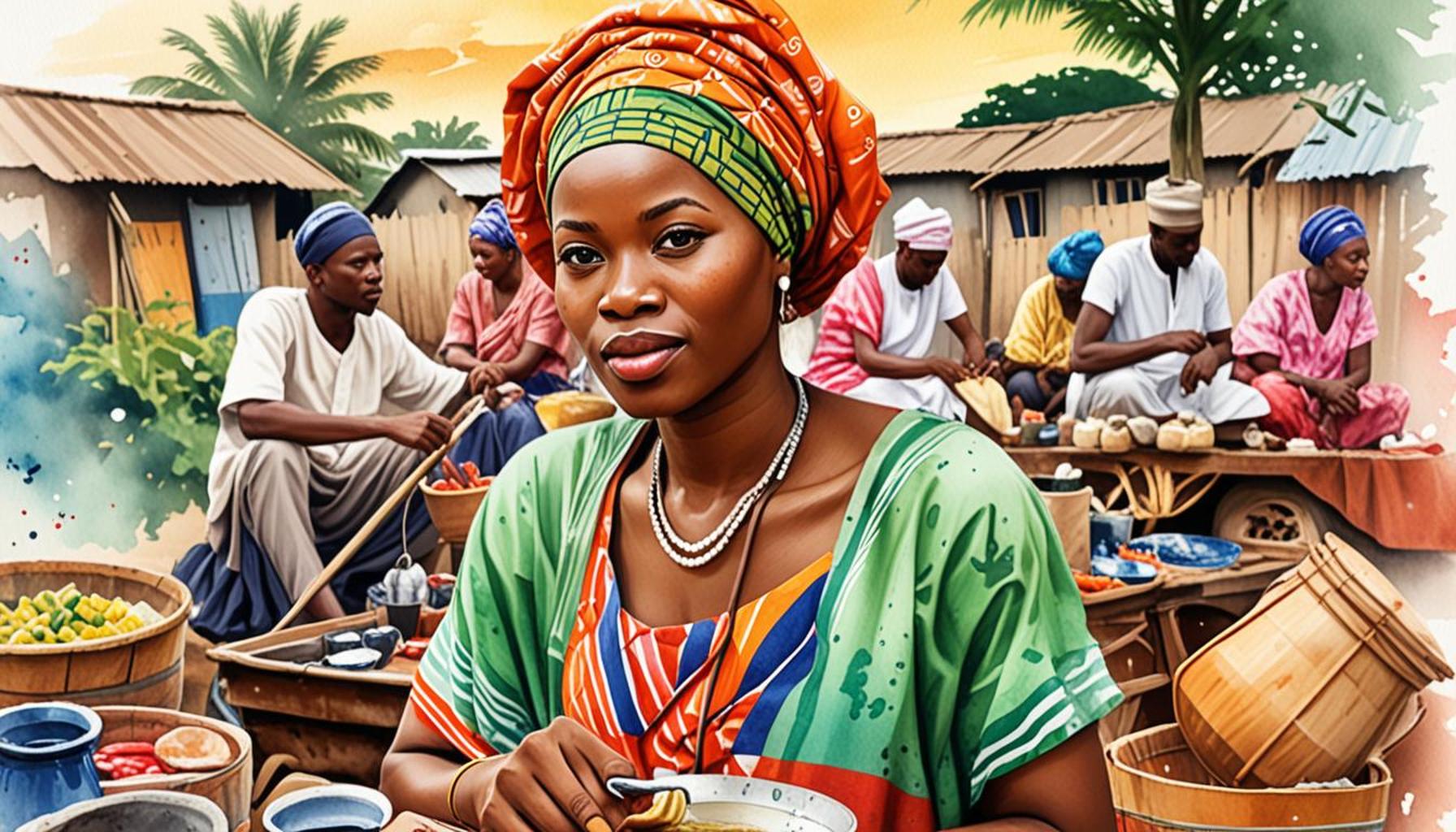
Fashion and Textile Scripts: The Influence of the Fashion Industry on Nigerian Culture
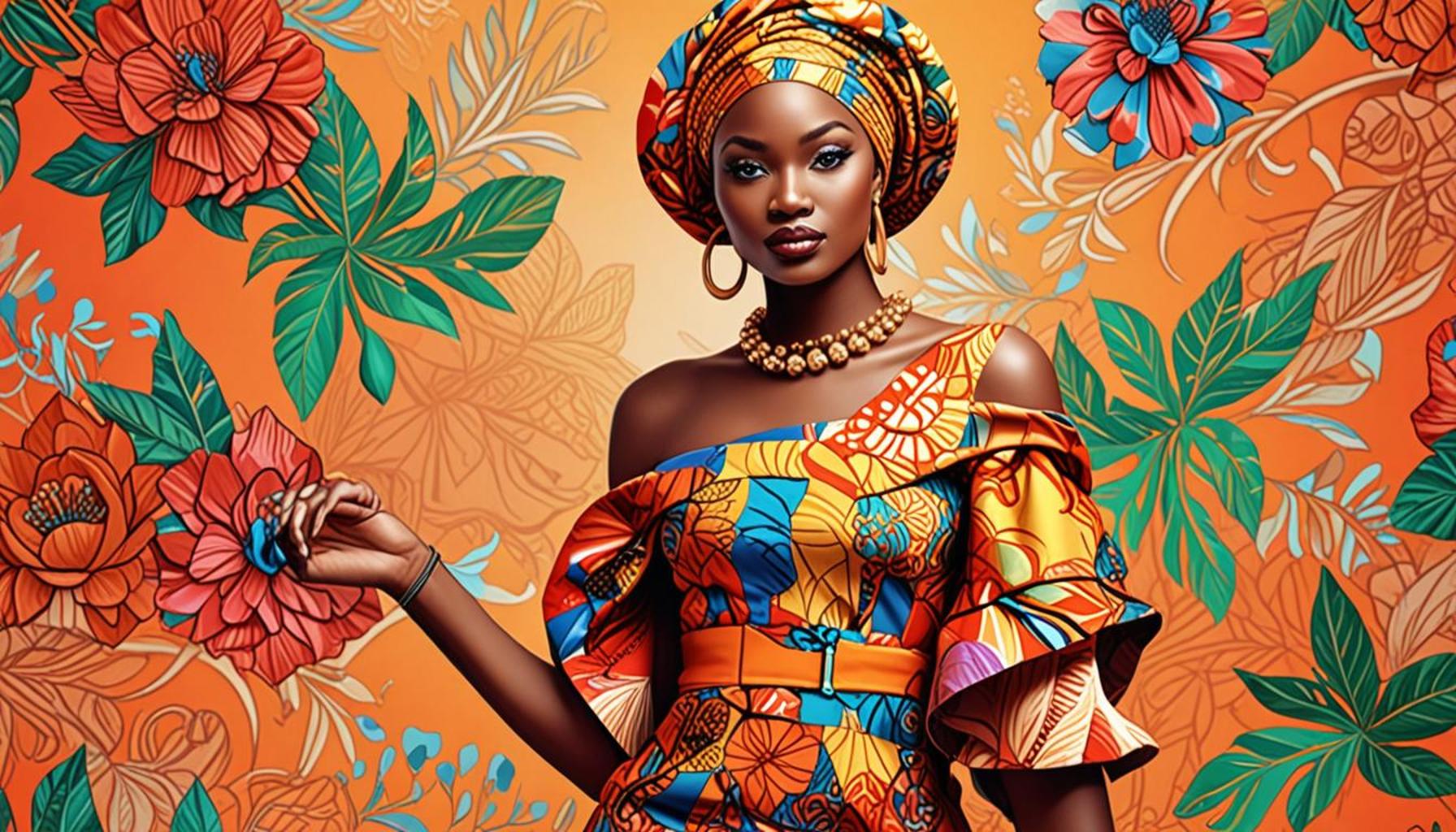
Exploring the Relationship Between Fashion and Nigerian Culture
The fashion industry in Nigeria serves as a vibrant reflection of the country’s diverse cultural tapestry. With over 250 ethnic groups, each contributing unique traditions, languages, and art forms, Nigerian fashion encapsulates a myriad of styles that combine age-old customs with contemporary interpretations. This article delves into the various ways in which fashion not only expresses cultural identity but also plays a crucial role in economic development and social advocacy within Nigeria.
Key Aspects of Fashion’s Influence
- Cultural Expression: Fashion is an essential medium through which Nigerians articulate their heritage. Traditional garments like the Buba and Iro for women and the <strongAgbada for men often signal one’s ethnic background and communal pride. These outfits are frequently adorned with local beadwork and embroidery that tell personal stories or signify belonging to a certain group. Moreover, Nigerian designers are increasingly incorporating cultural motifs into modern clothing, fostering a dialogue between the old and the new.
- Economic Growth: The fashion sector is a significant driver of economic growth in Nigeria. With events like the Lagos Fashion Week and the emergence of fashion hubs in cities like Abuja and Lagos, many young designers are turning their artistic visions into successful business ventures. According to recent reports, the industry has the potential to create over a million jobs, particularly for the youth, leading to entrepreneurship that thrives on local craftsmanship and creativity.
- Social Movements: Fashion in Nigeria is increasingly being used as a vehicle for advocacy and social change. Designers are leading initiatives to raise awareness around critical issues such as gender equality, empowerment, and environmental sustainability. For instance, brands like Christie Brown advocate for the marriage of modern aesthetics with traditional sustainability practices, promoting ethical fashion that respects both people and the planet. This socially conscious approach resonates with a younger audience seeking to drive change through the clothes they wear.
Key traditional textiles like Aso Oke, a handwoven material often worn during ceremonies, and Adire, a dyed fabric with intricate patterns, are experiencing a renaissance in the face of global interest. This resurgence isn’t merely about restoring old techniques; it is also about presenting these artistic expressions on international platforms, thereby encouraging a sense of pride and a rekindling of interest in indigenous crafts.
As we explore the intricate threads that weave together fashion, textiles, and Nigerian culture, it is clear that the fashion industry serves not only as an economic engine but also as a potent cultural bridge. It connects the rich narratives of the past with the innovative spirit of contemporary society, encouraging a mutual appreciation of history and modernity. Discover how this dynamic industry continues to evolve and impact the lives of Nigerians today.
LEARN MORE: This related article may interest you
The Cultural Tapestry of Nigerian Fashion
Nigerian fashion stands as a vibrant mosaic where traditional elegance meets contemporary innovation. One of the most compelling ways fashion reflects Nigerian culture is through its rich use of textiles, which serve not only as clothing but as narratives that convey history, identity, and social status. With fabrics like Aso Oke, Adire, and Ankara occupying central roles, the materials chosen often signal significant cultural meanings. These textiles are more than mere patterns; they embody stories and values crucial to different ethnic groups.

The significance of traditional textiles can be observed in various ceremonies, festivals, and even day-to-day life. For instance, the Aso Oke fabric, traditionally woven by the Yoruba people, is indispensable during weddings and significant cultural celebrations. The process of weaving and dyeing these fabrics is often communal, involving families and skilled artisans who take pride in their craftsmanship. Likewise, the Adire fabric, known for its intricate tie-dye patterns, carries symbolism specific to the Yoruba culture. Each design tells a story that connects the wearer to their ancestry and cultural roots, making fashion a powerful tool for preserving cultural heritage.
Modern Interpretations and Global Influence
In recent years, there’s been a remarkable fusion of traditional textiles with modern fashion sensibilities, creating a wave of Nigerian designers making their mark on both local and international stages. Designers like Deola Sagoe and Lisa Folawiyo are redefining fashion by incorporating traditional techniques into contemporary styles, which not only honors the past but also showcases Nigerian artistry to the world. This blending of old and new has led to an international admiration for what Nigerian fashion represents, encouraging a new generation of fashion enthusiasts and buyers who seek authenticity.
Moreover, events such as the Lagos Fashion Week act as platforms for these talented designers, offering them a chance to showcase their work and promote Nigerian textiles to a broader audience. The increasing visibility of Nigerian fashion on global runways creates opportunities for wealth generation and lends economic sustainability to local producers. The fusion of cultural heritage with modern fashion trends not only captivates but also invites others to embrace and support African art and craftsmanship.
- Cultural Heritage Preservation: Fashion helps preserve traditional techniques that might otherwise be forgotten.
- Economic Empowerment: The rise in demand for local textiles bolsters small businesses and artisans.
- Global Recognition: Nigerian fashion designers gain international notoriety, inspiring pride in local craftsmanship.
This dynamic interplay between fashion, textiles, and culture not only strengthens the identity of the Nigerian people but also positions the fashion industry as a catalyst for the broader social and economic advancement of the nation. As this vibrant sector continues to flourish, it becomes increasingly essential to recognize how it shapes and is shaped by the ever-evolving narratives of Nigerian culture.
| Category | Key Features |
|---|---|
| Cultural Heritage Impact | Fashion acts as a vehicle for expressing Nigeria’s rich cultural diversity, incorporating local textiles and designs that resonate with traditional values. |
| Economic Growth | The fashion industry stimulates job creation and encourages entrepreneurship through local artisans and designers entering the market. |
| Social Influence | Fashion trends often reflect and shape societal norms, impacting gender roles and societal perceptions in Nigeria. |
| Culinary Inspirations | Fashion incorporates elements of Nigerian cuisine and art, creating an immersive cultural experience that resonates well within and beyond the nation. |
The Nigerian fashion industry’s influence extends beyond aesthetic appeal to deeply touch upon cultural heritage, economic growth, social influence, and culinary inspirations. The vibrant interplay between traditional and contemporary designs is revitalizing the cultural identity and promoting sustainability through local craftsmanship. This dynamic scene presents an exciting tapestry of opportunities for both local talent and global markets, sowing the seeds for a flourishing fashion ecosystem in Nigeria. With the ongoing celebration of materials like Ankara and Aso Oke, the world is invited to experience the richness of Nigerian creativity. As fashion evolves, so too does its role in redefining Nigerian cultural narratives and paving the way for new dialogue about identity and heritage.
LEARN MORE: This related article may interest you
The Impact of Fashion in Nigerian Society
Beyond being a mere showcase of style and heritage, the fashion industry within Nigerian culture serves a significant role as a medium for social commentary. It transcends the boundaries of fabric and thread, becoming a platform for voices seeking to address pressing societal issues, identity challenges, and political discontent. In modern Nigeria, designers and fashion houses are increasingly leveraging their visibility to discuss key topics such as gender equality, environmental sustainability, and cultural pride. This blend of art and activism forms a powerful narrative that resonates deeply with the populace.
Designers such as Fashpa and Style Temple are at the forefront of this movement, employing daring designs and innovative marketing strategies to challenge existing social norms while promoting an inclusive narrative. Collections influenced by social movements, notably the #EndSARS protest against police brutality, exemplify how fashion can encapsulate activism. Through bold, expressive pieces, these designers transform social messages into wearable art, amplifying the voices of the youth. Such movements not only incite conversations about pressing national issues but also demonstrate how fashion can mirror cultural resilience and transformation.
The Rise of Sustainable Fashion
In the wake of growing environmental concerns, the Nigerian fashion scene is witnessing a paradigm shift towards sustainable fashion. Designers and local artisans are recognizing the impact that their practices have on the planet and communities. Utilizing organic materials and advocating for ethical labor conditions, many have taken up the mantle of responsibility. Brands like Reborn epitomize this trend by focusing on upcycling and reimagining obsolete materials into stylish garments, thereby merging style with sustainability.
This shift towards sustainability not only honors traditional craftsmanship but also engages with current global challenges. It resonates particularly well with millennial and Gen Z consumers, who increasingly prioritize eco-friendly practices in their purchasing decisions. As awareness continues to burgeon, Nigerian fashion is poised to redefine modern trends—while also maintaining its connection to the rich cultural significance of resourcefulness that has long characterized Nigerian artistry.
- Fashion as Storytelling: Many designers are using their collections to weave narratives that reflect struggles, achievements, and local histories, thus deepening cultural engagement.
- Activism through Fashion: Fashion is emerging as a dynamic tool for advocacy, making bold statements that challenge societal norms and call for change.
- Sustainability as a Trend: Designs that emphasize ecological consciousness are reshaping brand identities and altering consumer trends toward more responsible fashion choices.
The intricate connection between fashion and social awareness in Nigeria illustrates how industry practices can evolve beyond mere aesthetics. As the fashion sector embraces its role in promoting dialogue and action, it stands on the threshold of significantly impacting the cultural narrative of the nation. Fashion in Nigeria is not simply about individual expression; it has blossomed into a collective movement that is deeply intertwined with the socio-political landscape, championing progress while remaining rooted in the country’s rich cultural heritage.
ADDITIONAL INSIGHTS: Expand your understanding here
Conclusion
The evolution of the Nigerian fashion industry encapsulates a vibrant tapestry of cultural expression, social consciousness, and innovation. As evidenced by the ongoing trends in fashion, designers are not only creating aesthetically pleasing pieces but are also embedding powerful narratives that reflect the dynamic realities of Nigerian society. This intertwining of fashion and activism serves as a testament to the industry’s capacity to shape cultural dialogues, challenge norms, and advocate for pressing social issues, from gender equality to environmental consciousness.
The rise of sustainable fashion within Nigeria underscores an important transition towards responsible practices. As consumers increasingly gravitate towards brands that prioritize ethical sourcing and environmental sustainability, the fashion industry stands at a pivotal moment—one that could redefine how the world perceives Nigerian artistry. Designers harnessing traditional craftsmanship while innovating further enhance the nation’s rich heritage, fostering a sense of pride and belonging among the populace.
Ultimately, the influence of the fashion industry on Nigerian culture is profound and multifaceted. It is more than a mere reflection of personal style; it embodies the collective aspirations, struggles, and resilience of a nation. As the industry continues to evolve, it is essential for stakeholders—from designers to consumers—to embrace this potential for impact, ensuring that Nigeria’s fashion narrative remains an inspiring beacon of cultural identity, social progress, and sustainability. The journey of Nigerian fashion is just beginning, and it invites all to partake in the exploration of its rich influence on culture and society.