
Towards the South: Exploring the Ogbunike Caves and Their Unique Ecology

Discovering the Ogbunike Caves
The Ogbunike Caves, nestled in the lush landscapes of Anambra State, provide a mesmerizing glimpse into Nigeria’s natural beauty and geological history. These caves, shrouded in mystery, attract adventure seekers, nature lovers, and historians alike. Their formations and ecological significance tell a story waiting to be explored by those who venture within.
Natural Formations
The caves present a stunning display of natural formations, with stalactites and stalagmites that have developed over thousands of years. These mineral deposits, formed from the dripping of water rich in calcium carbonate, create captivating shapes that inspire awe. While visiting, one can observe the elongated stalactites hanging from the ceilings and the corresponding stalagmites rising from the ground, often resembling enchanting sculptures. This geological phenomenon not only highlights the unique features of the caves but also serves as a testament to the Earth’s own timeline of change.
Rich Biodiversity
Beyond their visual allure, the Ogbunike Caves are also a sanctuary for rich biodiversity. The humid environment supports a variety of life forms, including colonies of bats that roost within the dark recesses. These bats play a crucial role in the ecosystem by aiding in pollination and controlling insect populations. Additionally, the caves are home to unique plants and fungi that thrive in low-light conditions, showcasing nature’s adaptability. This biodiversity is vital, as it contributes to the ecological balance within Anambra and offers insight into how species coexist in Nigerian habitats.
Cultural Significance
Moreover, the caves hold deep cultural significance for the local communities. Historically, the Ogbunike Caves have been used for traditional rites and cultural activities, serving as a site for sacred ceremonies and festivals that honor ancestral spirits. This rich cultural heritage offers visitors an opportunity to connect with the traditions of the indigenous people, further enriching their experience. Engaging with local guides can provide deeper insights into the stories and rituals associated with the caves, fostering a greater appreciation for the local culture and its history.
A Journey Into The Depths
Venturing into the caves is more than simply witnessing breathtaking views; it offers a chance to understand the ecological balance that has existed for centuries. The interplay of moisture and minerals fosters a habitat that supports life forms often overlooked in Nigeria’s diverse ecosystems. Each visit can be an enlightening experience, prompting questions about conservation, geological processes, and the significance of preserving such natural wonders.
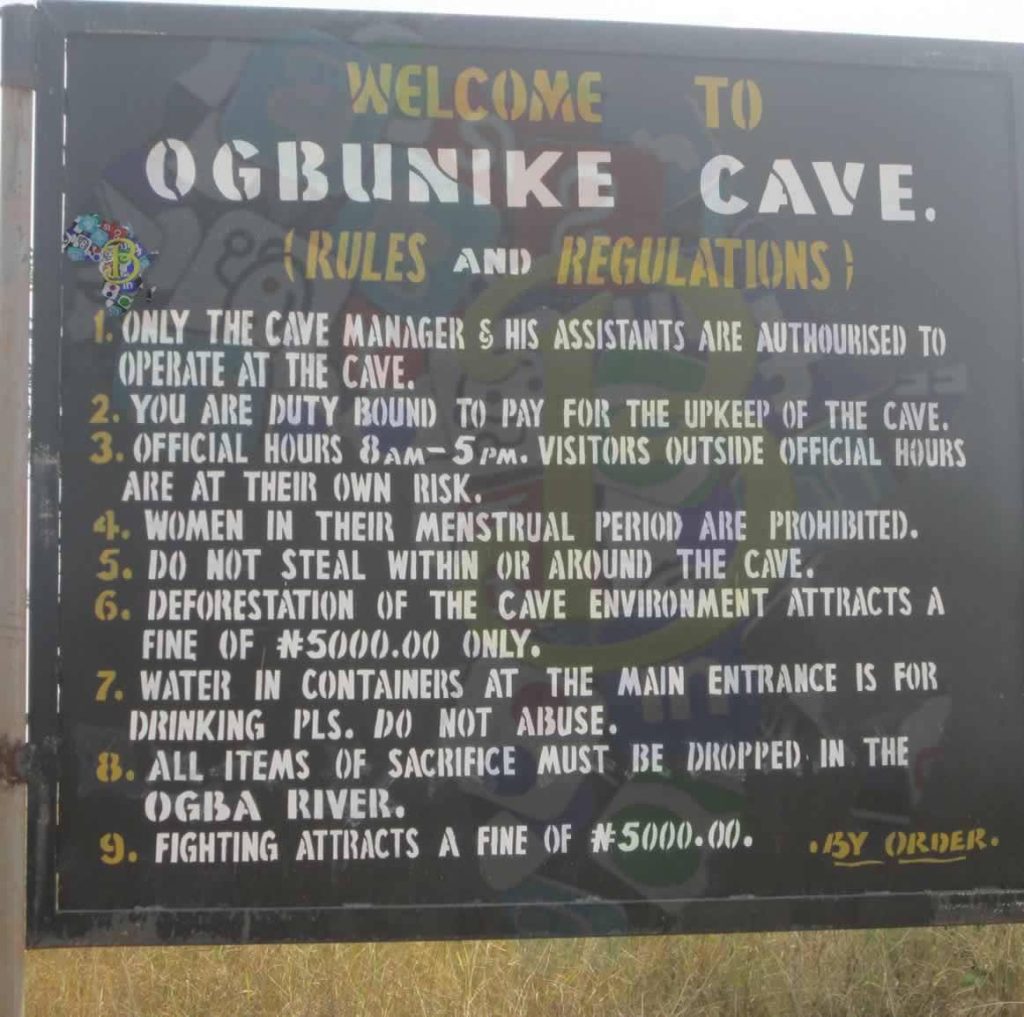
Whether you are intrigued by the caves’ mystique or eager to learn more about the unique flora and fauna that inhabit them, Ogbunike Caves promise an experience that is both educational and exhilarating. So, join us in this fascinating exploration and uncover the secrets that lie beneath the surface of one of Nigeria’s hidden treasures.
ADDITIONAL INSIGHTS: Expand your understanding here
The Enigmatic Caves of Ogbunike
Each step into the Ogbunike Caves invites exploration of a world defined by its extraordinary geological features and intricate ecosystems. Formed millions of years ago, these caves are not just a feast for the eyes but an essential area for understanding Nigeria’s natural history. The caves’ labyrinthine structures stretch deep into the earth, revealing hidden passages and pockets of stunning mineral formations. As visitors traverse the varying depths of the caves, they will notice that the further they go, the more surreal the environment becomes, showcasing nature’s artistry through varying shades of rock and mineral deposits.
Geological Marvels
The geological processes that have formed the Ogbunike Caves are nothing short of a natural spectacle. The caves were formed through the chemical weathering of limestone, a process enhanced by the region’s seasonal rainfall. Over thousands of years, rainfall seeps through the soil, dissolving limestone and gradually eroding the rock to create expansive caverns and breathtaking formations. Some fascinating features include:
- Calcite Stalactites and Stalagmites: These formations are a wonder of nature, exhibiting a variety of shapes and sizes.
- Flowstone: This thin layer of mineral deposits on the cave walls reflects the slow drips of water, often used as a reference for understanding the age of the caves.
- Cave Pools: Small bodies of water found within the caves are intriguing ecosystems where life flourishes.
Examining these features not only delights visitors but also serves as a reminder of the eternal dance of time and nature’s handiwork. The persistent erosion of limestone has shaped the caves, creating a dynamic environment that continues to evolve.
The Unique Ecology of Ogbunike
The Ogbunike Caves are not solely valued for their geological wonders; they also encapsulate a unique ecosystem that thrives within their walls. The microclimate created by the caves supports an impressive array of biodiversity, with numerous adaptations that allow life to flourish in what appears to be an inhospitable environment. Key ecological elements include:
- Bats: Roosting bat colonies play a pivotal role in the caves’ ecosystem, aiding in seed dispersal and insect control.
- Plants: Various ferns, mosses, and other plant species have adapted to low-light conditions, contributing to the diversity of the ecosystem.
- Fungi: Unique fungal species thrive in the damp cave environment, decomposing organic material and promoting nutrient cycling.
Exploring the ecology of the Ogbunike Caves reveals the delicate balance of interdependent species, raising crucial questions about conservation and the impacts of human activity on these fragile ecosystems. This biodiversity is not just a natural resource; it signifies a living laboratory where ecological processes can be studied, understood, and revered.
As visitors venture deeper into the cave systems, they uncover a living embodiment of both geological history and ecological significance, setting the stage for an enriching experience that highlights the importance of preserving Nigeria’s natural treasures.
Towards the South: Exploring the Ogbunike Caves and Their Unique Ecology
The Ogbunike Caves, located in Anambra State, Nigeria, are a fascinating natural wonder that showcase the breathtaking beauty and intricate ecology of the region. As you venture into these historic caves, you are greeted by stunning rock formations and a diverse array of flora and fauna unique to the area. The caves themselves are not just geological structures but also play a vital role in the local ecosystem.Among the unique aspects of the Ogbunike Caves is their role as a habitat for various species. Local wildlife, including bats and other small mammals, call these caves home. This biodiversity is crucial for maintaining ecological balance and highlights the importance of preserving such natural sites. Furthermore, as you walk through the caves, the cool, damp environment creates a perfect setting for many endangered plants, which thrive in this secluded microhabitat.Visitors to the Ogbunike Caves are treated to an extraordinary experience that harmonizes adventure and ecological awareness. The intricate passageways and expansive chambers serve as a reminder of nature’s wonders and the necessity to protect these environments. Educational tours often emphasize conservation efforts and the critical need for responsible tourism, ensuring that future generations can continue to learn from and enjoy this natural treasure.The Ogbunike Caves not only enrich our understanding of geology but also serve as a vital resource for scientific research. Scientists study the unique ecological interactions within the caves, uncovering insights that contribute to broader environmental knowledge. This synergy between education and exploration makes the caves a prime location for ecotourism, drawing enthusiasts eager to learn about their ecological significance while enjoying the scenic beauty they offer. For those looking to explore not just the physical beauty of Nigeria but also its rich ecological narratives, the Ogbunike Caves are a must-visit destination that encapsulates both adventure and awareness.
SEE ALSO: Click here to read another article
Conservation Challenges and Community Engagement
As the allure of the Ogbunike Caves grows, so do the challenges associated with their conservation. The increasing number of tourists flocking to explore this natural wonder not only raises concerns about the ecosystem but also reveals the critical need for sustainable practices in place to protect these significant geological and biological resources. Striking a balance between tourism and preservation is essential to maintaining the uniqueness of the caves.
The Impact of Human Activity
The influx of visitors to the Ogbunike Caves has become a double-edged sword. On one hand, increased tourism helps boost local economies through job creation and revenue generation. On the other hand, it poses significant threat to the delicate cave ecosystem. Some major consequences of unchecked human activity include:
- Soil Erosion: Unregulated foot traffic can lead to erosion of cave entrances and surrounding vegetation, impacting the stability of the ecological environment.
- Pollution: Littering and waste from tourists create hazards, affecting water quality in cave pools and disrupting the habitats of organisms living within.
- Disturbance of Wildlife: The presence of humans can disturb bat populations that provide critical ecological services, such as insect control and pollination.
Addressing these challenges is pivotal for the continued existence of the Ogbunike Caves’ rich biodiversity. Conservationists emphasize the need for effective management strategies, including the implementation of visitor regulations and community-led initiatives aimed at protecting the caves.
Empowering Local Communities
The role of local communities in conserving the Ogbunike Caves cannot be overstated. Communities surrounding the caves are uniquely positioned to play a major role in sustainable tourism and ecological preservation. Initiatives that engage residents in conservation efforts not only promote a sense of ownership but also foster a deeper understanding of the caves’ ecological significance. Some engaging strategies include:
- Education and Awareness Programs: Offering programs that educate locals and tourists about the ecology of the caves can lead to more responsible behaviors regarding conservation.
- Sustainable Practices: Encouraging eco-friendly tourism practices, such as organizing clean-up days and environmental workshops, can help minimize human impact.
- Cultural Integration: Integrating local culture into tourism efforts strengthens community identity and pride while promoting a responsible approach to visitors.
By actively involving local inhabitants in conservation endeavors, not only can the exquisite beauty of the Ogbunike Caves be preserved, but the ecological benefits can also endure for future generations. People from nearby towns can benefit economically while fostering deep connections with this unique site.
Ultimately, the ongoing story of the Ogbunike Caves is not just about exploring their depths and marveling at their ecological diversity; it’s also about understanding the importance of conservation and community engagement in safeguarding one of Nigeria’s natural wonders. Through collaborative efforts and increased awareness, we can protect this invaluable resource while enhancing the experience for all who visit.
LEARN MORE: This related article may interest you
Conclusion: A Call for Sustainable Stewardship
The Ogbunike Caves stand as a testament to Nigeria’s rich geological and ecological heritage. As we venture into these remarkable chambers, it becomes increasingly apparent that safeguarding their beauty and biodiversity is a pressing responsibility that falls on all of us. The interplay between tourism and conservation offers a delicate balance that must be navigated thoughtfully. While the influx of visitors has the potential to elevate local economies, it also threatens the very essence of what makes the Ogbunike Caves unique.
In our pursuit of exploration and discovery, we must embrace a commitment to sustainability. This involves not only protecting the ecological integrity of the caves but also enriching the lives of the local communities that call this stunning landscape home. Empowering residents through education and engagement is pivotal for long-term outcomes. By fostering a culture of environmental stewardship and promoting eco-friendly tourism, we can mitigate the impacts of human activity and ensure that both the caves and their ecosystems thrive for generations to come.
As we continue to explore the Ogbunike Caves, let us carry with us an ethos of respect and responsibility. By understanding the intertwined fates of the environment and the community, we open the door to a sustainable future that honors the past while embracing the promise of a more harmonious existence. The journey towards preserving this natural wonder is a collective one, inviting us all to be proactive stewards of Nigeria’s extraordinary natural heritage.