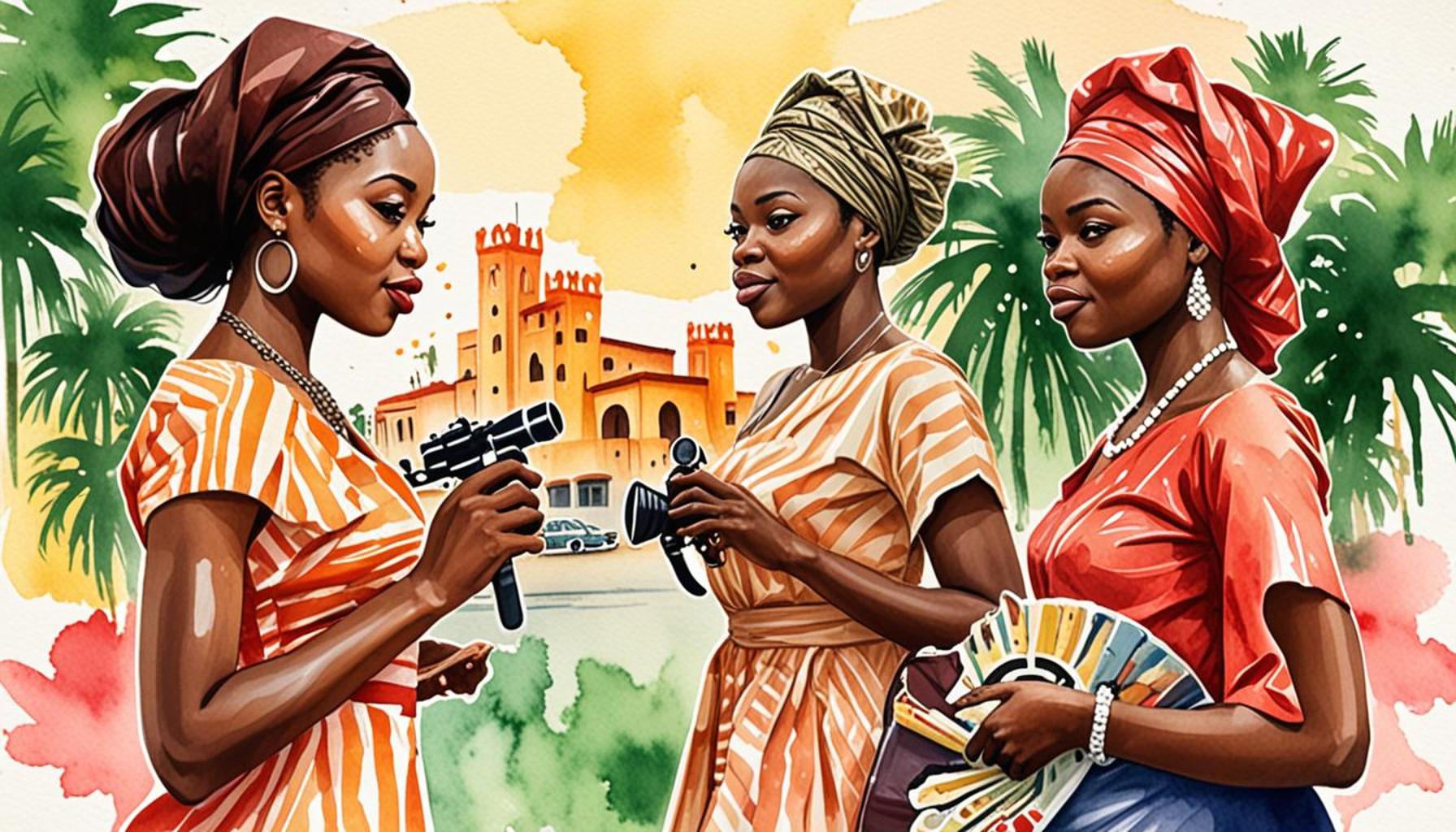
Exploring the Cultural Wealth of Ethnic Communities in Nigeria through Tourist Itineraries
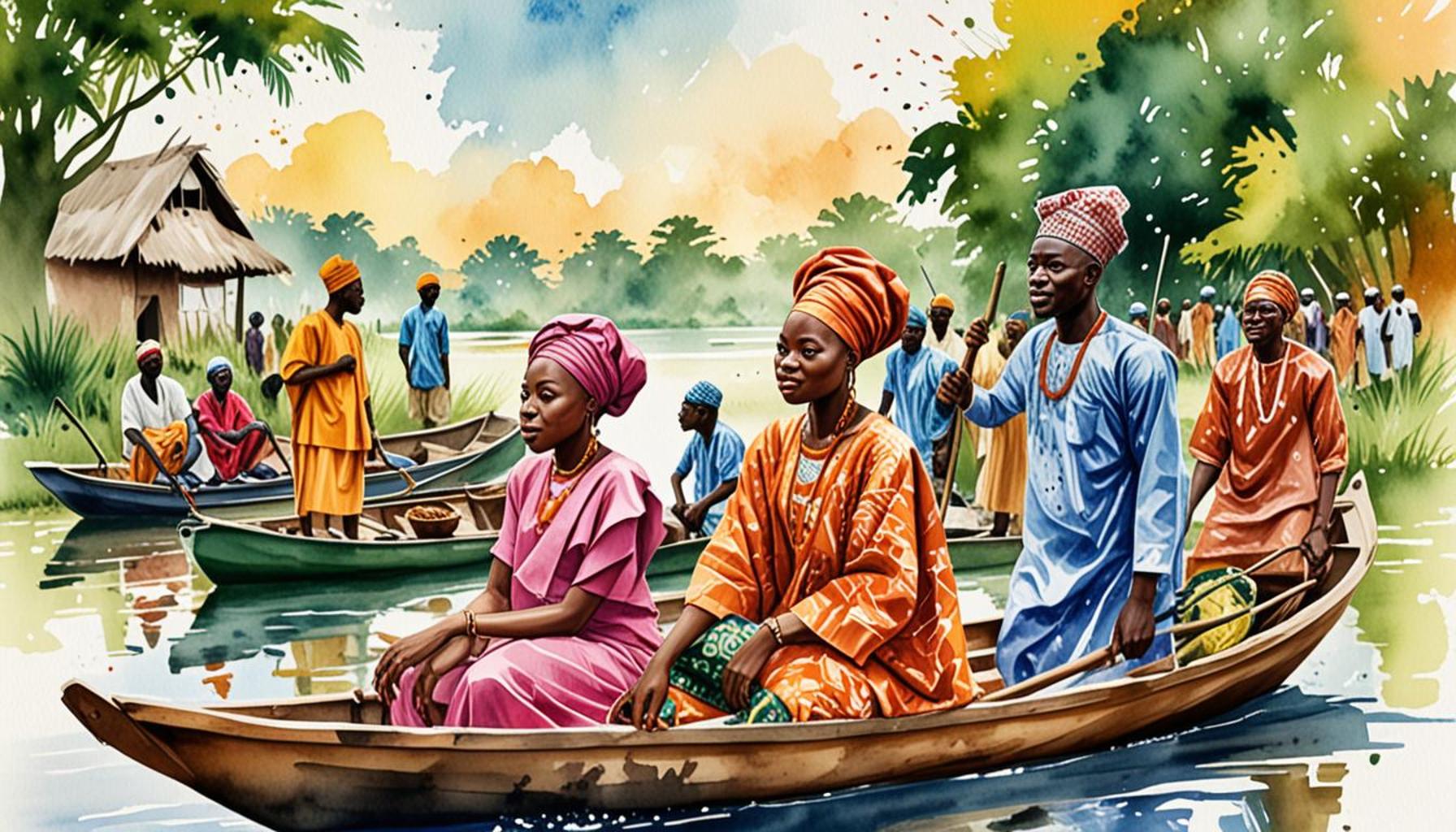
Experience Nigeria’s Ethnic Diversity Firsthand
Nigeria is a vibrant mosaic of cultures, with over 250 ethnic groups contributing to its rich heritage. Each community boasts unique traditions, languages, and arts, creating a treasure trove for curious travelers. The cultural landscape is not just a colorful backdrop; it is an integral part of the everyday lives of Nigerians, making it an enriching experience for anyone keen to delve deeper into their way of life.
Why Explore Cultural Wealth?
Understanding Nigeria’s ethnic richness enables visitors to appreciate:
- Authentic experiences: Engage with locals and immerse yourself in traditional practices that have been passed down through generations. For instance, participating in the Hausa’s Sallah Festival allows travelers to witness the joyous celebration of Eid al-Adha, complete with traditional feasts and rituals.
- Diverse cuisines: Taste unique dishes that reflect the history and traditions of each group. The spicy flavors of Jollof rice from the West can be juxtaposed against the savory Pounded Yam enjoyed by the Ibo communities, where foods are often paired with rich soups like Ogbono and Ofe Nsala.
- Art and music: Discover various forms of expression, from intricate crafts to vibrant dance. The artistic mastery of the Yoruba’s beadwork can be seen during their annual festivals, while traditional Igbo music, filled with resonant drums and flutes, echoes through the air during masquerade celebrations.
For instance, a journey through the North showcases the Hausa culture, famed for its exquisite leatherworks and intricate patterns on traditional attire, presenting an opportunity for visitors to learn the history behind these crafts. In the West, the Yoruba festivals are a sight to behold, with extravagant parades filled with brightly colored attire, energetic music, and traditional dance that captivates onlookers. Moving to the South, the Ibo community celebrates rich storytelling traditions through engaging folklore and intricate masquerades that are performed during important cultural ceremonies.
A Call to Adventure
Embarking on these cultural adventures not only enriches the travel experience but fosters understanding and respect between diverse peoples. By engaging with the locals, one can gain insights into their values, and customs, and appreciate the historical significance that shapes the nation today. Join us as we unveil the itineraries that lead you to the heart of Nigeria’s ethnic heritage. From bustling markets filled with artisan goods to serene landscapes showcasing traditional settlements, the journey ahead is not just a trip; it is an immersion into a way of life that is both profound and enlightening. Step into Nigeria’s vibrant cultural tapestry and create unforgettable memories along the way.
ADDITIONAL INSIGHTS: Expand your understanding here
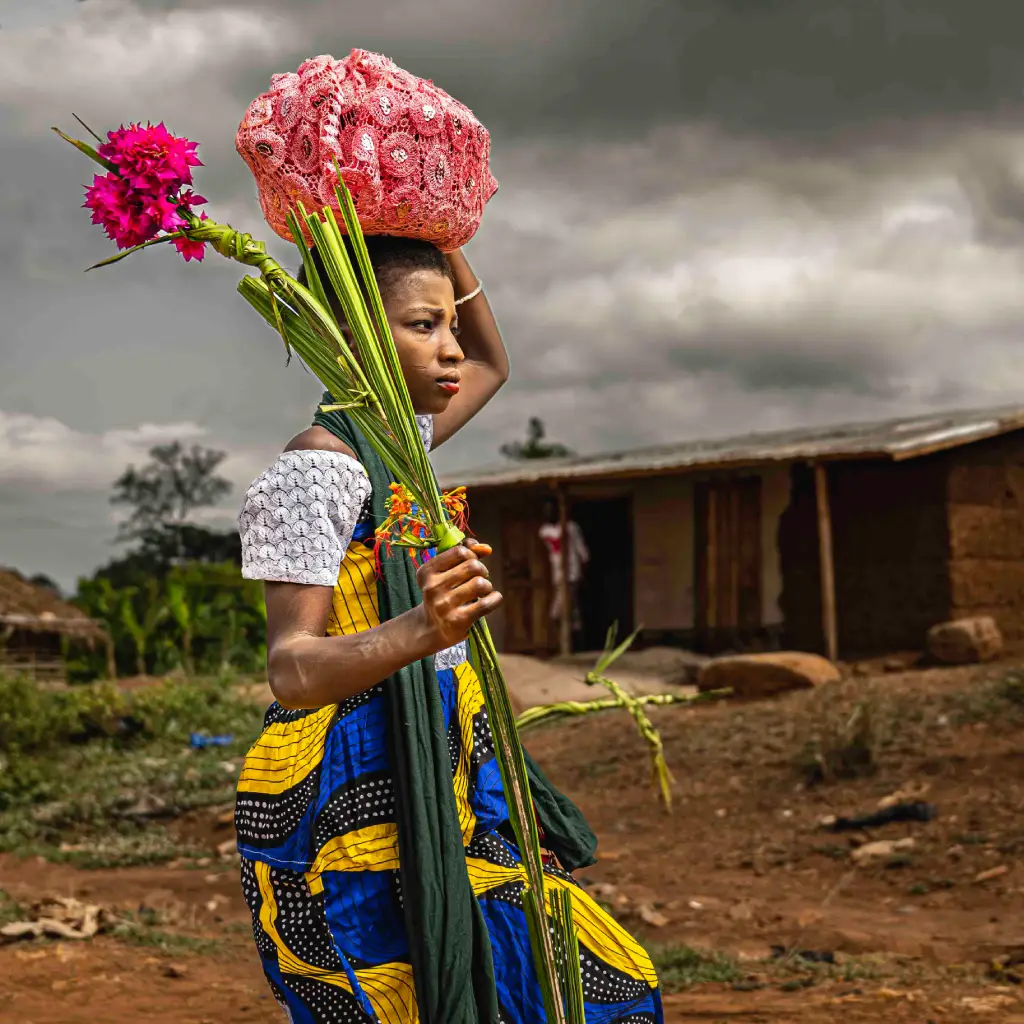
Diving into Nigeria’s Cultural Itineraries
Embarking on a journey across Nigeria offers far more than picturesque landscapes; it unveils an intricate tapestry woven with the threads of diverse ethnic customs and traditions. Each itinerary is an invitation to explore the heart of Nigeria’s ethnic communities, fostering connections that enhance both cultural understanding and appreciation. By navigating through the various ethnic territories, travelers can design their experiences around specific cultural themes, making each adventure distinct and enriching.
Highlighting Unique Cultural Itineraries
To truly appreciate the multifaceted culture of Nigeria, here are some itineraries that offer a glimpse into the unique traditions of select ethnic groups:
- Hausa Heritage Expedition: Begin your adventure in the Northern region with a visit to Kano, one of the oldest cities in West Africa. The Durbar Festival, celebrated during Eid, showcases the magnificent equestrian parades adorned in vibrant traditional attire. Delve into the local market to experience the craftsmanship of leatherwork and intricate textiles.
- Yoruba Festival Trail: Heading south, engage with the rich traditions of the Yoruba by participating in festivals such as the Osun-Osogbo Festival, which attracts visitors from around the world. This cultural event is steeped in spirituality and features mesmerizing art, rituals, and a showcase of the rich artistic heritage of the community. Don’t miss out on the opportunity to sample iconic dishes like Pounded Yam served with Efo Riro.
- Igbo Cultural Journey: Explore the East with a focus on the Ibo peoples. The New Yam Festival is a highlight, marking the beginning of the harvest season with colorful masquerades that blend storytelling, music, and dance. Visitors can also enjoy traditional cuisine such as Ofe Nsala and Akara while interacting with local artisans who skillfully craft vibrant works of art and bead jewelry that reflect their heritage.
Each of these itineraries not only showcases the regional variations in art, food, and festivities but also emphasizes the roles these cultures play in fostering community bonds among their members. Travelers who choose to visit these ethnic groups can develop a deeper understanding of the historical contexts that shape their worldviews and practices today.
The Importance of Cultural Sensitivity
As tourism continues to grow, it’s crucial for visitors to approach these cultural experiences with sensitivity and respect. Educating oneself about local customs and traditions enhances the visit, allowing for more meaningful interactions. Always remember that engaging with the community extends beyond observation—each exchange is an opportunity for shared learning.
By embarking on these cultural journeys through Nigeria’s ethnic communities, tourists can contribute to the preservation of traditions while simultaneously enriching their own lives with cherished experiences. This commitment to cultural exploration fosters a broader appreciation of Nigeria’s diverse heritage, encouraging a deeper relationship between travelers and the local populace.
In this vibrant exploration of Nigeria’s ethnic communities, the rich tapestry of culture unfolds through carefully curated tourist itineraries. These itineraries are designed to highlight the unique traditions, arts, and histories of diverse groups, each contributing to the nation’s cultural mosaic. For instance, visiting the Yoruba people in the southwest offers an immersive experience into their renowned artistic expressions, such as intricate beadwork and colorful textiles, while participating in local festivals like the Osun-Osogbo festival can deepen the understanding of their spiritual practices.
Each itinerary not only showcases significant landmarks but also encourages interaction with local communities. Engaging with artisans, sampling traditional cuisine, and attending dance performances are integral components that foster deeper connections. This hands-on approach allows visitors to appreciate the invaluable knowledge passed down through generations, elevating the experience beyond mere sightseeing.
The Northeastern part of Nigeria is another treasure trove of ethnic diversity, where the vibrant culture of the Kanuri people presents opportunities to explore ancient historical sites and their pivotal roles in trade. Meanwhile, in the Niger Delta, the Ijaw people provide tours focused on both their ecological wisdom and the rich folklore that shapes their identity.
Furthermore, the itineraries emphasize sustainable tourism and community involvement. By supporting local economies through camping sites, guesthouses, and guided tours led by community members, tourists can contribute to a more equitable economic model. This sustainability not only benefits the communities visited but also enriches the visitors’ experience, leading to authentic cultural exchanges.
| Category | Benefits |
|---|---|
| Cultural Immersion | Allows tourists to experience authentic traditions and customs firsthand. |
| Local Economic Support | Promotes community welfare through sustainable tourism practices. |
Through these captivating itineraries, Nigeria’s ethnic communities extend an invitation to travelers to not only witness but also actively participate in the cultural heritage of the nation. Each journey provides an opportunity to forge lasting connections while promoting the preservation of these unique traditions for generations to come.
YOU MAY ALSO LIKE: Read read another article
Immersing in Authentic Experiences
Engaging with Nigeria’s ethnic communities offers tourists not just a fleeting glance at local traditions, but the chance to delve into authentic experiences that narrate the stories of age-old cultures. Each ethnic group possesses its own rich heritage that is preserved through oral traditions, art, and communal practices, making it even more essential for tourists to partake in local customs and rituals.
Harvest Festivals and Spiritual Celebrations
Among the myriad of cultural experiences, the various harvest festivals stand out as significant occasions that encapsulate community spirit and cultural pride. The Yam Festival, celebrated by several ethnic groups across Nigeria, is an exceptional example. It signifies gratitude for the bountiful harvest and serves as a platform for communal gatherings. Travelers can participate actively in these festivities, enjoying rhythmic dances and feasting on traditional dishes while witnessing the ecstatic expressions of community gratitude and joy.
Similarly, the Ekpe Festival of the Efik people in Calabar highlights the celebration of cultural symbols and rites of passage. This event showcases traditional masquerades and rich folklore that are integral to the Efik identity. Tourists attending the festival can gain insights into the significance of these rituals as they appreciate the role of masqueraders, adorned in elaborate costumes, in preserving the heritage.
Culinary Journeys: The Heart of Cultural Heritage
Nigeria’s culinary scene is an exquisite reflection of its ethnic diversity. Each community boasts specialty dishes filled with history and significance. Participating in a culinary tour allows visitors to taste the authentic flavors of Nigerian cuisine while learning about the ingredients and methods used in traditional cooking.
Food enthusiasts should not miss the local delicacies, such as the spicy soups unique to the Ibibio culture, such as Afang Soup and Edikang Ikong, which are often enjoyed during ceremonial occasions. Additionally, the unique street food scene in Lagos, including Puff-Puff and Boli (roasted plantains), offers a sensory experience that defines urban Nigerian culture.
- Visit to Local Markets: Exploring vibrant markets, such as the Balogun Market in Lagos or Otigba Market in Enugu, provides a deep appreciation for local artistry and trade practices. Tourists can find handicrafts, textiles, and foods, pivotal to understanding the everyday lives of the people.
- Traditional Arts and Crafts Workshops: Engage in workshops that focus on traditional crafts such as pottery, weaving, and bead-making. Many local artisans are eager to share their skills, allowing visitors to create personalized souvenirs while learning about the cultural significance behind each craft.
Participating in these encounters enriches not only the traveler’s experience but also reinforces the cultural narratives that sustain these communities. Tourists contribute to the local economy while helping preserve these age-old traditions through their engagement. By prioritizing authentic interactions over superficial tourism, visitors can play a vital role in the sustainability of Nigeria’s cultural heritage.
Encouraging Sustainable Tourism Practices
As tourism matures in Nigeria, the significance of sustainable practices cannot be overlooked. Tourists are encouraged to support local businesses, artisans, and farms. Engaging in eco-friendly activities, such as cultural exchanges and volunteering programs, can further enhance the connection between visitors and local communities. This symbiotic relationship not only fosters cultural appreciation but also promotes economic resilience.
Explore Nigeria’s ethnic communities through these varied cultural angles and engage with the stories that have defined their existence. By weaving your narrative into the rich fabric of this vibrant nation, you become part of a broader dialogue preserving its cultural wealth for generations to come.
ADDITIONAL INSIGHTS: Expand your understanding here
Conclusion: A Journey into Nigeria’s Cultural Tapestry
As we traverse the diverse landscapes of Nigeria, it becomes evident that the cultural wealth of its ethnic communities is not just a treasure for the locals, but a captivating narrative that beckons to be discovered by travelers. Engaging with local customs, festivals, and culinary experiences enables visitors to immerse themselves in a world shaped by heritage and communal living. These encounters transcend mere tourism; they create profound connections that resonate with the heart and spirit of the nation.
Nigeria’s ethnic communities, from the vibrant Yam Festival to the rich tapestries of culinary delights, offer a unique glimpse into the traditions that define the essence of Nigerian identity. Each festival, dish, and artisan craftsman tells a story that reflects resilience, creativity, and cultural pride. By prioritizing sustainable tourism practices, travelers not only support local economies but also play an active role in preserving the intricate cultural narratives that have stood the test of time.
Going forward, it is essential for both tourists and stakeholders to embrace responsible experiences that honor the rich tapestry of Nigeria’s ethnic traditions. This means engaging in eco-friendly initiatives, choosing local suppliers, and most importantly, nurturing respectful relationships with communities. In doing so, both visitors and locals will contribute to a living heritage that can be celebrated for generations to come.
As you embark on your adventure through Nigeria’s ethnic landscapes, remember that every interaction is an opportunity to build an understanding that transcends borders. Dive deep into the cultural wealth awaiting you, and relive the narratives that define this extraordinary nation. Each journey is a chance to connect, learn, and contribute to the enduring legacy of Nigeria’s vibrant ethnic communities.