
Discovering the Sacred Lakes of Nigeria: A Spiritual and Natural Itinerary

Nigeria’s landscapes feature numerous lakes, but few are as captivating as those considered sacred by local cultures. These lakes are not merely geographic features; they also embody the spirit of communities, reflecting deep histories tied to spirituality and tradition. Many Nigerians and visitors alike regard these lakes as more than just beautiful views; they are seen as vessels of ancient beliefs and practices, drawing pilgrims from across the country.
The Allure of Sacred Lakes
Sacred lakes in Nigeria hold a special place in the hearts of many, serving a variety of purposes that blend the beauty of nature with the richness of cultural heritage. Each lake tells a unique story, and their significance is expressed through different facets, including:
- Natural Beauty: Surrounded by lush vegetation and stunning landscapes, sacred lakes like Lake Doma dazzle the eyes and provoke a sense of awe. The reflections of the sky above and the vibrant flora create picturesque scenery, making them ideal spots for photography and relaxation.
- Cultural Significance: Each lake is a keeper of legends and folklore. For instance, local tribes often pass down stories about the origins of the lakes as well as their connection to spiritual beings. These narratives highlight the interplay of nature and community identity, weaving a tapestry of tradition that connects generations.
- Spiritual Practices: Rituals carried out at these sacred sites are varied and deeply rooted. Local communities often conduct ceremonies—ranging from blessings and offerings to healing prayers—that reinforce their relationship with nature and the divine, emphasizing the lakes’ importance in their spiritual ecosystem.
Examples of Notable Sacred Lakes
A few of Nigeria’s revered sacred lakes include:
- Lake Doma: Nestled in the Nasarawa State, Lake Doma is famous for its therapeutic properties. Many individuals with ailments make pilgrimages to its shores, believing that bathing in or drinking its water can cure various health issues. It stands as a testament to the intertwining of nature and healing.
- Lake Oju: Located in the Benue region, Lake Oju is steeped in mythology. Local beliefs hold that the spirits of ancestors inhabit the waters, which has led to various rituals conducted to seek their guidance and protection. Visitors often flock here during significant cultural festivals to honor their heritage.
- Lake Zungeru: Known for its vibrant spiritual festivals, Lake Zungeru attracts thousands each year. These events are rich with activities, including traditional dances and communal prayers, all aimed at fostering unity and cultural pride among the local populace.
Embarking on a journey to Nigeria’s sacred lakes offers a unique opportunity to connect with the rich spiritual heritage that these bodies of water harbor. Visitors will not only witness breathtaking landscapes but also engage with the profound traditions that foster a deeper appreciation for the land and its significance to the people. Each visit uncovers new narratives and experiences, enriching one’s understanding of Nigeria’s cultural richness.
CHECK OUT: Click here to explore more
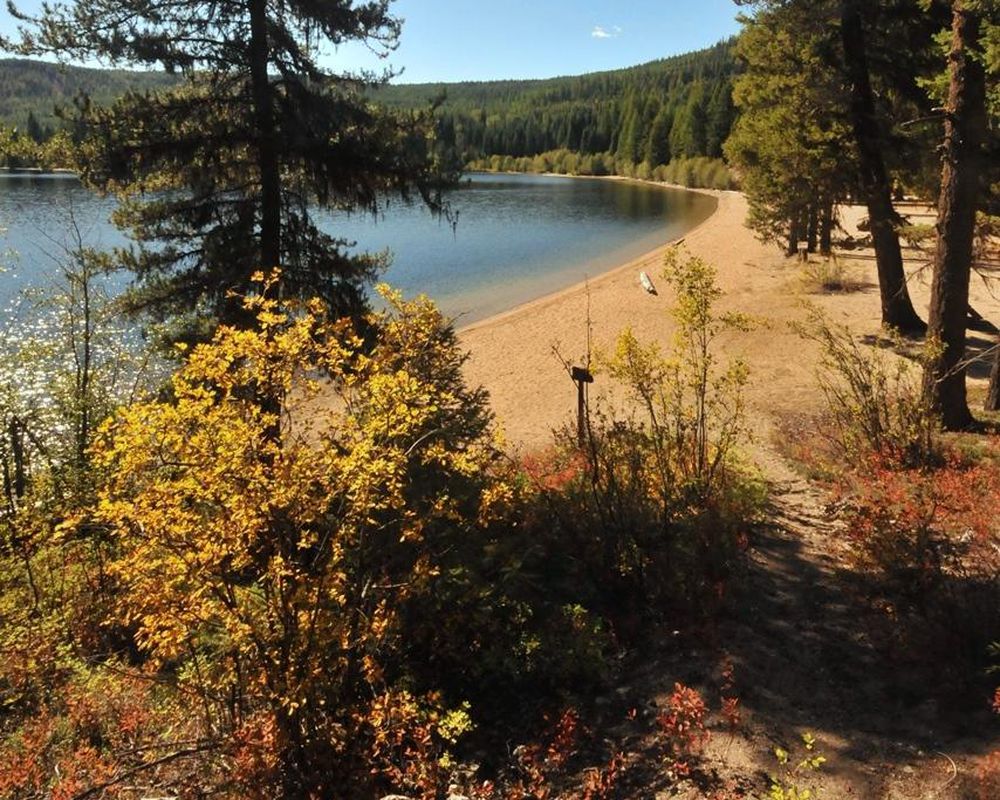
The Enchantment of Sacred Lakes in Nigeria
As one of the most diverse countries in Africa, Nigeria is home to an array of breathtaking landscapes and rich cultural heritages. Among these, the sacred lakes stand out as ethereal spots that invite exploration and reflection. These bodies of water are enveloped in stories, traditions, and beliefs that transcend time, making them vital to the spiritual fabric of local communities. Their allure is profound, drawing not only those seeking natural beauty but also individuals on spiritual quests, eager to unravel the mysteries interwoven within these serene settings.
Cultural Significance of Sacred Lakes
The interplay of nature and spirituality in Nigeria’s sacred lakes is shaped by cultural narratives that reveal deep connections to the land. Each lake serves as a canvas for folklore, often depicting creation myths or ancestral tales. For instance, it is widely believed that rituals conducted at sacred lakes enhance community bonds and provide opportunities for communal reflection. Anecdotal evidence suggests that these practices are crucial during times of crisis or transition, as they foster unity and collective healing.
Here are some intriguing aspects that showcase the cultural significance of these unique bodies of water:
- Rituals and Offerings: Many lakes are the focal points for rituals that have been performed for generations. Offerings ranging from fruits to symbols of prosperity are made in return for blessings or protection from ancestral spirits.
- Festivals: Festivals centering around sacred lakes are vibrant displays of local culture. They often include traditional music, dance, and storytelling sessions that celebrate the community’s heritage while also drawing visitors to partake in the collective spirit.
- Healing Practices: The belief in the therapeutic properties of certain lakes—such as Lake Doma—fuels pilgrimage trends where individuals seek to cure ailments or restore balance in their lives.
Natural Wonders Waiting to be Explored
Beyond their spiritual resonance, Nigeria’s sacred lakes are astounding natural wonders waiting to be explored. Surrounded by diverse ecosystems and varying wildlife, these lakes also serve as habitats for various bird species, making them popular spots for nature enthusiasts and birdwatchers. The pristine shores of Lake Oju, for example, offer a splendid view of vibrant flora, attracting photographers and explorers alike.
Each lake demands attention not only for its cultural and spiritual significance but also for its role in ecological preservation. Many communities recognize that fostering respect for these water bodies ensures their survival and the continuation of the traditions that depend on them. Consequently, conservation efforts are often spearheaded by local tribes, resulting in a symbiotic relationship that bolsters both environmental protection and cultural identity.
In embarking on a journey to Nigeria’s sacred lakes, one can expect to weave through an itinerary rich in spirituality and natural magnificence. These lakes invite both residents and travelers to immerse themselves in the truths that lie beneath their tranquil surfaces while connecting to the time-honored traditions that continue to thrive by their shores.
| Advantages | Descriptions |
|---|---|
| Cultural Immersion | Visiting sacred lakes offers a chance to engage with local traditions and rituals. |
| Breathtaking Scenery | The natural beauty of lakes like Idanre and Owu captivates visitors, providing stunning backdrops for exploration. |
| Spiritual Connection | These lakes are often seen as spiritual havens, allowing for reflection and connection to nature. |
| Adventure Opportunities | Engaging in activities like hiking and birdwatching enhances the experience of exploring these sacred sites. |
Exploring the sacred lakes of Nigeria promises a unique blend of spirituality and adventure. Each lake holds historical significance and is often the focal point of local myths and beliefs, making them rewarding destinations for spiritual seekers and nature enthusiasts alike. These lakes not only present breathtaking views that highlight Nigeria’s rich natural beauty but also nurture a profound connection to the cultural heritage embedded in the landscape. Visitors seeking adventure can relish activities that take them beyond the serene waters, including hiking trails that unveil panoramic vistas, and the opportunity to witness diverse wildlife that thrives in these environments. The Sacred Lakes of Nigeria thus serve as a convergence of culture, nature, and adventure, attracting those eager to learn about the land and its people.
SEE ALSO: Click here to read another article
Unearthing the Mysteries of Nigeria’s Sacred Lakes
The sacred lakes of Nigeria are not merely picturesque backdrops; they harbor stories and lessons from the past that resonate deeply with contemporary life. These lakes serve as spaces for introspection and enlightenment, cultivating an environment where visitors can enrich their understanding of both themselves and the larger cosmos. Beyond their spiritual significance, they play a key role in the social and economic frameworks of their surrounding communities, which adds yet another layer of intrigue to these natural wonders.
Lake Awo: A Place of Spiritual Renewal
One of the most notable sacred lakes is Lake Awo, revered particularly by the Yoruba community. Locals believe that the waters possess transformative qualities that facilitate spiritual renewal and personal insight. Every year, the lake becomes the centerpiece of a traditional pilgrimage, attracting individuals seeking enlightenment and solace. Ritual cleansings and communal prayers at Lake Awo create a tapestry of hope and renewal, leaving visitors with unforgettable experiences and often a sense of rebirth.
The Role of Sacred Lakes in Indigenous Economies
Apart from their spiritual allure, sacred lakes significantly contribute to local economies. The presence of these lakes often supports activities such as fishing, which is not merely an economic endeavor but a way of life that manages natural resources sustainably. Lake Nguru, for example, provides a rich fishing ground that sustains families and offers unique opportunities for eco-tourism. Visitors to these lakes can participate in fishing excursions, gaining insight into traditional fishing methods and also contributing to local livelihoods.
However, this dual dynamic—spiritual and economic—is best managed through responsible tourism that emphasizes conservation. By promoting community-led initiatives aimed at preserving the ecological integrity of sacred lakes, travelers can enjoy these sights while ensuring that they remain vibrant for future generations. As such, travelers are encouraged to seek experiences that are mindful of local cultures and practices, thereby supporting the ongoing legacies of these lakes.
Ecological Importance of Sacred Lakes
The ecological value of sacred lakes goes hand in hand with their cultural significance. Lake Tiga, often referred to as the “father of lakes,” boasts not only historical narratives but also unique biodiversity, serving as a haven for migratory birds and endemic aquatic life. Such rich ecosystems are increasingly important as climate change poses threats to both natural habitats and human livelihoods. Community-led conservation projects centered around sacred lakes emphasize sustainable practices, where locals advocate for environmental education workshops aimed at safeguarding the lakes’ unique biodiversity.
The sheer variety of flora and fauna found in these areas also promotes broader ecological research opportunities. Biologists and environmentalists are drawn to these lakes to study their delicate ecosystems, examining how traditional practices and modern environmental challenges can coexist and even complement one another.
Sacred Lakes as a Model for Peace and Unity
In a country marked by diversity in cultures and beliefs, the sacred lakes serve as incredible venues for dialogue and conflict resolution. Events held at these lakes bring people together from various backgrounds and encourage dialogue about shared histories and aspirations. For instance, community gatherings at Lake Kainji allow different ethnic groups to engage in peace-building efforts, reminding participants that natural resources can be unifying forces rather than points of contention.
Thus, while exploring Nigeria’s sacred lakes, visitors embark on more than a scenic itinerary; they participate in ongoing narratives that shape cultural identity and community resilience. These lakes are vital threads in the fabric of Nigerian society, inviting travelers to partake in struggles, celebrations, and the search for meaning. As explorers stand by the tranquil waters, they not only contemplate the eternal but also become ambassadors of the rich legacies held within these sacred sites. The journey continues, inviting deeper understanding and appreciation for these remarkable lakes in Nigeria’s ever-evolving story.
ADDITIONAL INSIGHTS: Expand your understanding here
Embracing the Depths of Nigeria’s Sacred Lakes
In conclusion, the sacred lakes of Nigeria offer a remarkable fusion of spirituality, ecology, and community resilience, intertwining threads that form the essence of the nation’s identity. With each visit to places like Lake Awo, Lake Nguru, Lake Tiga, and Lake Kainji, travelers embark on an enriching journey that transcends mere visual splendor. These lakes are not only sites for personal reflection and cultural connection but also vital ecosystems that play significant roles in sustaining local livelihoods and fostering peace.
The stories and traditions encapsulated within these waters reflect the wisdom of generations, encouraging visitors to acknowledge the importance of conservation. As guardians of these sacred sites, local communities balance their spiritual beliefs with sustainable practices, inviting tourists to engage responsibly and meaningfully with their heritage. By participating in eco-tourism initiatives and community rituals, travelers can witness firsthand the legacy of these sacred lakes—renewing their own spirits while contributing positively to the local economy.
Ultimately, discovering Nigeria’s sacred lakes is about embracing the diverse narratives that shape the land and its people. Whether it’s through peace-building dialogues or ecological education efforts, there lies an inherent call for unity and respect throughout the experiences offered by these natural wonders. Thus, as we explore the paths that lead us to these enchanting lakes, we not only deepen our connection with nature but also unlock the doors to understanding the intricate relationship between spirituality and our environment. The sacred lakes of Nigeria are an invitation—an opportunity to discover the intertwined destinies of culture, community, and conservation in one of Africa’s most vibrant landscapes.