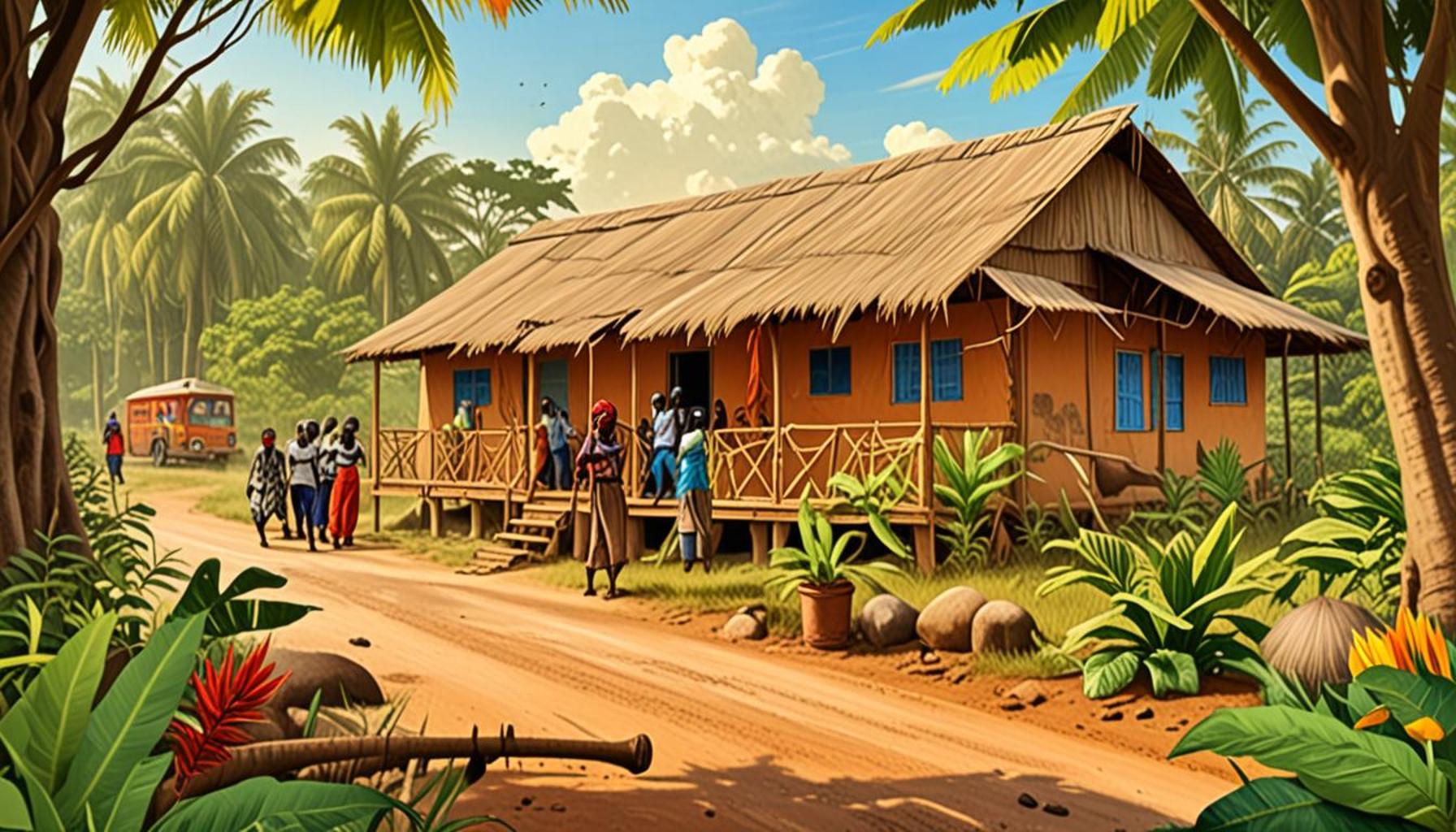
Urban Adventures: Discovering the Radical Side of Nigerian Cities
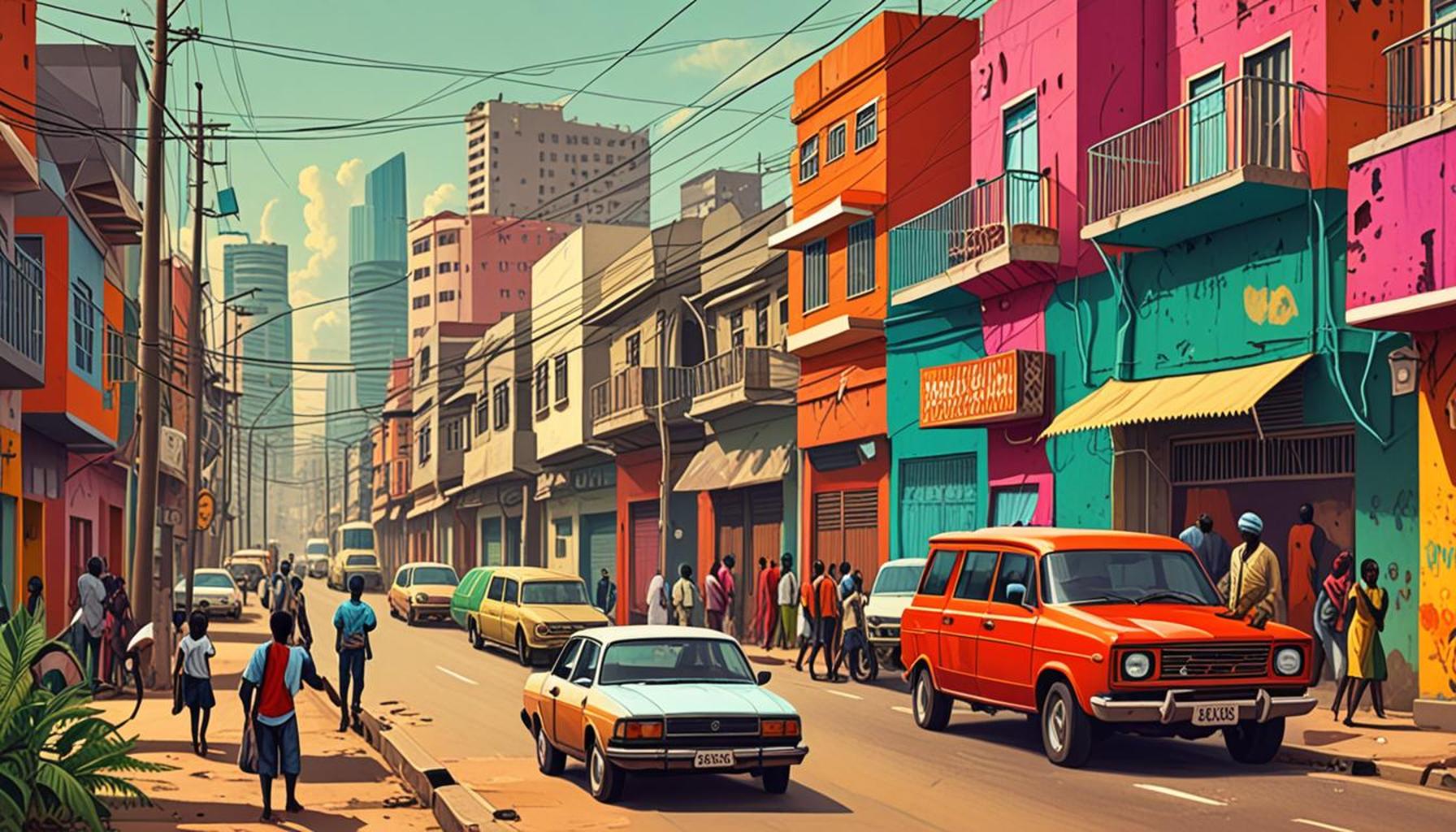
The Rich Tapestry of Nigeria’s Urban Life
Nigerian cities stand as living entities, teeming with stories that exemplify the nation’s creativity, resilience, and radical change. Each city, from the frenetic heart of Lagos to the serene administrative capital of Abuja and the industrious Port Harcourt, serves as a canvas depicting the multifaceted narrative of urban life in Nigeria.
Wander through the streets and you will encounter:
- Street Art: The vibrant murals and thought-provoking graffiti scattered throughout urban areas act not just as decoration but as a commentary on societal issues. Artists like Jimoh Akintola and Jungle Asari have transformed neglected public spaces into galleries that provoke thought and inspire dialogue. These artworks frequently tackle themes such as inequality, unity, and the fight for justice, giving voice to the experiences and aspirations of everyday Nigerians.
- Local Markets: Markets such as Balogun in Lagos and Ariaria in Aba pulse with life, offering a sensory overload that captivates locals and tourists alike. The vibrant cacophony of bargaining voices blends with the rich aromas of spicy jollof and the sweet scent of ripe plantains, making each visit an immersive experience. These markets are not only vital economic hubs, but also spaces where community and culture converge. Here, small business owners and artisans showcase their craftsmanship, providing insight into regional specialties and traditions.
- Cultural Festivals: Events like the Lagos Carnival are a testament to Nigeria’s rich and diverse heritage. Celebrated annually, the carnival features flamboyant costumes, exhilarating music, and traditional dances that attract millions. These festivals highlight not only the country’s ethnic diversity but also its artistic vibrancy, fostering a sense of unity among participants and audiences.
The blend of traditional values and modern influences creates an electrifying atmosphere in urban life across Nigeria. Each neighborhood resonates with its unique rhythm and character, offering an intimate glimpse into the lives and stories of its residents. This dynamic environment encourages innovation and embodies the spirit of community, contrasting the chaos of urbanization with moments of serendipity and connection.
Whether navigating the chaotic yet fascinating streets of Lagos or admiring the futuristic skyline of Abuja, one can feel the pulse of a city enacting change and fostering hope. The radical transformations taking place are not just architectural; they represent a larger narrative of resilience and growth. As we delve deeper into these urban adventures, we discover not merely cities, but thriving ecosystems alive with possibility and potential.
Join us as we explore the stories and experiences woven into the fabric of Nigerian urban life, uncovering the innovations, cultures, and dreams that define these bustling cities.
RECOMMENDED: Check out this similar article
Unearthing the Vibrancy of Urban Culture
In the heart of every Nigerian city lies a vibrant culture that thrives on diversity and innovation. The urban landscape is more than just infrastructure; it is a living repository of history, art, and commerce that reflects the dynamic essence of Nigeria. Emerging as epicenters of radical change, these cities offer an array of experiences that beckon both locals and visitors to delve deeper into their cultural richness.
One cannot explore the radical side of Nigerian cities without acknowledging the pulse of their creative industries. Artists, musicians, and performers are breaking traditional molds and redefining the boundaries of expression. Noteworthy platforms such as the Art Twenty One in Lagos provide emerging talents a stage to showcase contemporary African art, challenging stereotypes and promoting a dialogue around identity and modernity. These spaces have become incubators for creativity, where collaboration flourishes and innovative ideas are born.
Moreover, the music scene in contemporary Nigerian cities acts as a barometer of social change, with genres like Afrobeats gaining international acclaim. Musicians like Burna Boy and Wizkid infuse their work with themes that resonate with the struggles and aspirations of the Nigerian youth. Through energetic rhythms and captivating lyrics, they breathe life into narratives of resistance, love, and hope, inspiring a new generation to embrace their creativity while addressing pressing societal issues.
Among the remarkable urban spaces, co-working hubs have emerged as icons of entrepreneurial spirit. Locations such as Cowork Media and Venia Hub in Lagos epitomize this trend, propelling a new wave of start-ups and innovations that navigate the intersecting worlds of technology, business, and art. These hubs facilitate networking and collaboration, providing a fertile ground for ideas to grow. The rise of the tech scene has further catalyzed this radical transformation, with young Nigerians launching successful ventures that resonate on the global stage.
While art and innovation take center stage, the stark realities of urban life frequently manifest themselves in social movements. Initiatives like the EndSARS movement, propelled by young Nigerians demanding justice and reform, signify the power of community activism in driving change. Social media and grassroots organizing have become crucial tools, empowering citizens to hold authorities accountable and bring attention to issues such as police brutality and corruption. This climate of activism epitomizes the radical potential rooted within urban areas, demonstrating that when communities unite, they can effect substantial change.
The interplay between art, music, technology, and activism forms the backbone of the urban experience in Nigerian cities. From murals that adorn the walls of neighborhoods to rousing protests that reverberate through city streets, each expression tells a unique story. As we venture deeper into the vibrant tapestry of urban life, we can better appreciate how these facets intertwine to create cities that are not only hubs of creativity but also epicenters of transformation.
| Advantage | Description |
|---|---|
| Cultural Diversity | Nigerian cities are vibrant melting pots of ethnicities and traditions, offering a unique urban experience. |
| Artistic Expression | Street art and cultural festivals showcase local talents and reflect the dynamic spirit of urban life. |
The allure of Nigerian cities does not lie solely in their physical infrastructure but in their dynamic and rich cultural fabric. For example, cities like Lagos and Kano provide an eclectic mix of traditions, from music to cuisine, encouraging visitors to explore the cultural diversity that defines these locales. This diversity creates an atmosphere where different cultures coexist, allowing for an exchange of ideas and creativity.Additionally, the artistic expression found throughout urban settings reveals the narrative of these cities. Murals, graffiti, and performance art can be discovered on street corners and in public spaces, each telling the story of a community’s resilience and ingenuity. Events like the Lagos Carnival and the Calabar Festival highlight this artistic vibrancy, attracting tourism and uniting diverse populations. To delve deeper into these experiences is to uncover the radical and transformative essence of Nigeria’s urban landscapes.
YOU MAY ALSO LIKE: Read read another article
Exploring the Dynamic Landscapes of Street Culture
As we navigate through the streets of Nigerian cities, it becomes apparent that the vibrant street culture serves as a rich tapestry interwoven with stories, history, and communal identity. This culture is not only a backdrop but also a driving force for community engagement and social dynamics. Nigerian cities are alive with street art, fashion, and cuisine, reflecting a unique blend of contemporary and traditional influences.
The street art scene in cities like Lagos and Abuja is burgeoning with bold murals and graffiti that convey powerful messages. Artists such as Ogaboss and Rume use their art as a platform to critique social issues, celebrate cultural heritage, and create awareness on topics like environmental sustainability. These vibrant murals transform the urban landscape, sparking conversations among passersby and often prompting community initiatives aimed at beautifying neighborhoods and fostering local pride.
When it comes to fashion, Nigerian streets resonate with style and individuality, driven by a surge of local designers defining what contemporary African fashion looks like. Events such as the Lagos Fashion Week galvanize attention not just locally but internationally, showcasing the creativity and craftsmanship of Nigerian designers. Vendors in bustling markets, such as Balogun Market, embody this spirit of innovation, where traditional fabrics are fused with modern designs, making fashion spaces hotspots of urban expression and commerce.
Furthermore, the culinary landscape of Nigerian cities is an adventure in itself. Street food vendors serve up mouthwatering delicacies, offering an authentic taste of local heritage. Dishes like suya, puff-puff, and bunmi are not just meals; they are experiences that celebrate cultural identities. These food stalls foster community interactions and provide a means for local economies to thrive. Festivals such as the Palmwine Festival in Lagos highlight the importance of food in cultural expression and social bonding, inviting everyone to relish the flavors that Nigeria has to offer.
Engaging in the Nightlife Revolution
As day turns to night, Nigerian cities unveil a different kind of adventure through their vibrant nightlife scene. Pubs, lounges, and clubs pulsate with energy as young Nigerians embrace spaces that promote creativity and connection. Establishments like The New Afrika Shrine, dedicated to the memory of music legend Fela Kuti, continue to be catalysts for cultural exchange and political discourse. Live performances draw crowds eager to experience the blend of music, dance, and social commentary that are synonymous with Nigeria’s rich musical heritage.
This nightlife revolution is a testament to the resilience of Nigerian youth, who have adapted to the economic challenges and curfews imposed by social unrest. Innovators are turning abandoned spaces into community hubs where artists can perform, entrepreneurs can showcase their products, and ideas can be exchanged freely. The rise of pop-up events and informal gatherings encourages social cohesion, creating networks that transcend individual spaces and foster collective action.
In every corner of Nigerian cities, the radical side of urban life comes alive through its street culture—a continuous evolution marked by creativity, resilience, and an unwavering spirit of community. Whether it is through the mesmerizing array of street art, the eclectic fashion statements, the delicious offerings of local cuisine, or the pulsating energy of the nightlife, these experiences embody the essence of what it means to live and thrive in Nigeria’s urban environments. Engaging with these elements opens the door to an exploration of the complexities that shape contemporary Nigerian society.
SEE ALSO: Click here to read another article
Reflections on the Radical Pulse of Nigerian Cities
In conclusion, urban adventures within Nigerian cities unveil a tapestry of creativity, resilience, and cultural expression that is both inspiring and transformative. The interplay of street art, fashion, culinary delights, and a dynamic nightlife not only enhances the vibrancy of urban life but also serves as a reflection of Nigeria’s diverse heritage and contemporary challenges. As we explore these elements, we witness a robust community spirit thriving amidst economic and social upheaval, redefining what it means to live in these bustling metropolises.
Nigerian cities stand as testaments to the power of cultural movements, where every mural speaks volumes about social issues, each fashion statement challenges norms, and every street food gathering fosters connection among its people. The nightlife scene, with its blend of tradition and innovation, resonates with the aspirations of the youth, creating a platform for self-expression and creativity that pushes boundaries beyond the conventional.
As we continue to delve deeper into the radical side of urban Nigerian life, it becomes evident that these adventures are more than mere escapades; they are deep explorations of identity, belonging, and community integration. The stories rooted in every corner highlight the importance of embracing and preserving the local culture, making it essential for us all to engage with and support these vibrant expressions of creativity. With every venture into these urban spaces, we uncover the layers that contribute to the rich narrative of Nigerian cities, inviting us to appreciate, celebrate, and connect with the heart of Nigeria.