
Exploring Literary Genres: How to Diversify Your Writing Projects Through Different Styles
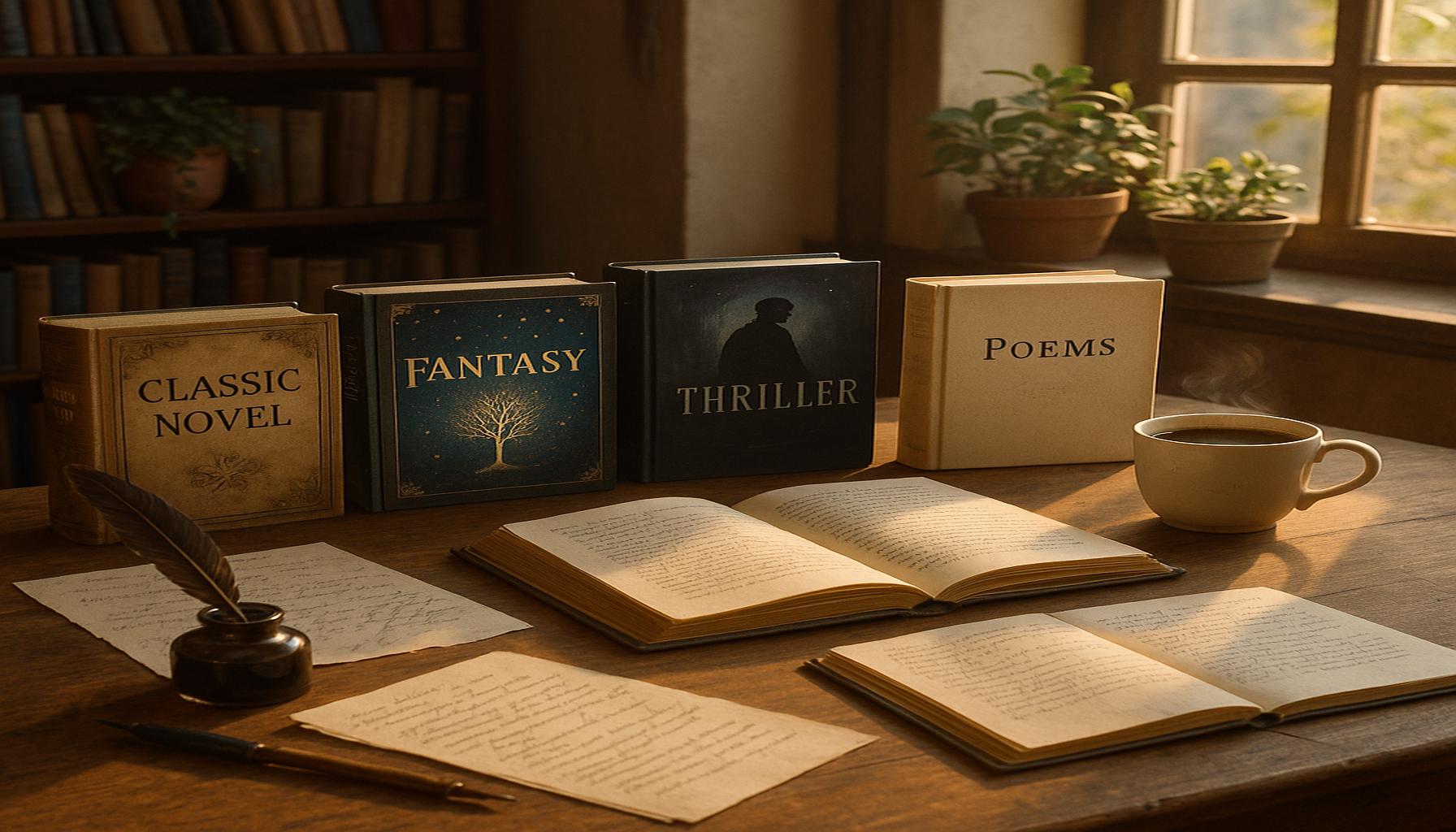
Unlocking the World of Literary Genres
Every writer has a unique voice, yet many find themselves confined to a single literary genre. Diversifying your writing projects through various styles can breathe new life into your creativity and challenge your storytelling abilities. Embracing different genres helps to break the monotony and allows for a richer, more fulfilling writing experience.
Exploring different genres not only expands your skill set but also enriches your understanding of literature as a whole. Consider the vast spectrum available, which includes:
- Fiction: This genre offers a multitude of sub-genres, such as historical, where writers like Ken Follett transport readers back in time, or contemporary narratives that reflect current societal issues, exemplified by authors like Colson Whitehead.
- Non-fiction: Whether crafting memoirs that share personal life stories, like Michelle Obama’s “Becoming,” or thought-provoking essays exploring societal issues, the possibilities are endless. There’s room for everything from self-help to critical analysis.
- Poetry: Engage with forms ranging from traditional sonnets to free verse, showcasing the power of language and emotion. Poets like Maya Angelou and Langston Hughes illustrate how poetry can convey deep truths and cultural experiences.
- Drama: Write compelling scripts that come to life on stage or screen. Playwrights such as Tennessee Williams and August Wilson have shown us how drama can reflect the human condition and cultural struggles in captivating ways.
- Fantasy and Science Fiction: Venture into worlds that defy reality, exploring complex themes and issues in an imaginative context. Think of authors like J.K. Rowling in fantasy and Isaac Asimov in science fiction, who create intricate universes that captivate millions.
Each genre presents its own set of rules and conventions, inviting you to adapt and innovate. By stepping outside your comfort zone, you can:
- Discover new audiences who appreciate the diversity in your work, broadening your readership.
- Challenge your writing techniques by applying different narrative structures or styles, enhancing your versatility as a writer.
- Stimulate your imagination through varied narratives, which can lead to unexpected creative breakthroughs and insights.
As you embark on this journey to diversify your writing projects, remember that each genre you explore will equip you with fresh insights and new ideas. You may find that elements from one style can enhance another, creating a unique fusion in your writing. For instance, incorporating poetic devices in prose can add depth and vibrancy to your storytelling.
Ultimately, the world of literary genres is vast and inviting. Get ready to unlock the potential that lies within every page, as each new exploration not only helps hone your craft but also deepens your appreciation for the written word. Whether your passion is romance, horror, or experimental literature, the journey of diversifying your writing could illuminate aspects of yourself you never knew existed. So grab your pen, and let the adventure begin!
DIVE DEEPER: Click here to discover more
Diving Deeper into the Spectrum of Literary Genres
By taking the plunge into various literary genres, writers can unlock unique storytelling possibilities that enrich their craft. Each genre, with its distinctive conventions and audience expectations, offers a fresh canvas for creativity. How would a romance novelist articulate themes found in a horror narrative? Or can an essayist weave fiction into their reflective musings? The convergence of genres often leads to innovative storytelling methods that resonate with diverse reader demographics.
To fully appreciate the potential of genre blending, it’s important to examine some key genres and consider how they can influence your own writing style:
- Historical Fiction: This genre invites writers to transport readers into pivotal moments of the past. When writing historical fiction, integrating research and creative storytelling becomes paramount. Authors like Hilary Mantel, who penned “Wolf Hall,” curate rich historical tapestries while exploring intricate character dynamics that breathe life into past events.
- Memoir and Personal Essay: Never underestimate the emotional power of sharing personal experiences. The best memoirs balance authenticity with narrative drive, as seen in works like Tara Westover’s “Educated.” This genre allows writers to delve into the human condition while capturing broader societal themes.
- Young Adult (YA) Literature: Often mirrors the complex struggles faced by adolescents, YA literature resonates with readers of all ages. This genre encourages writers to explore themes of identity, belonging, and resilience, appealing to a younger audience while often drawing in older readers, as demonstrated by authors like John Green.
- Flash Fiction: This genre challenges writers to tell compelling stories in a limited word count, often under 1,000 words. The power of brevity can be liberating; authors like Lydia Davis masterfully demonstrate how stark language and concise plots can leave a lasting impact on readers.
- Thriller and Mystery: These genres keep readers on the edge of their seats. Crafting intricate plots, unpredictable twists, and multi-dimensional characters can sharpen your narrative skills. Writers such as Gillian Flynn in “Gone Girl” showcase how tension and suspense enhance the reading experience.
Writers who venture into different genres may find that their primary writing style evolves. The act of exploring genre conventions and experimenting with narrative techniques fosters creativity, allowing ideas to flourish beyond established boundaries. For instance, incorporating the suspenseful pacing of thrillers into a romance novel can heighten emotional stakes and enhance reader engagement.
Moreover, the concept of intertextuality—the relationship between texts—plays a vital role in cross-genre writing. When you draw upon themes, motifs, or references from one genre to another, you open up numerous pathways for meaning and connection. This practice not only broadens your own creative horizons but also enriches your audience’s reading experience, creating layers of complexity that challenge their expectations.
As you delve deeper into the vast world of literary genres, consider the mix and match approach. Identify what excites you about each genre and take those elements to forge your unique writing style. This diversity will not only enhance your portfolio but also cultivate a vibrant connection with a wider audience eager for fresh perspectives.
Exploring Literary Genres: The Importance of Diversification
In the ever-evolving world of writing, diversifying your projects through different literary styles can not only enhance your skills but also broaden your audience reach. Engaging with a multitude of genres allows writers to step outside their comfort zones, sparking creativity that might otherwise lay dormant. For instance, transitioning from fiction to poetry can provide a fresh perspective on character development, while experimenting with horror can invoke feelings of suspense and curiosity in readers.Another crucial element to consider is the impact of genre on narrative structure. Each genre contains its unique conventions and expectations, providing a framework that can help writers organize their thoughts and ideas effectively. Diving into genres like science fiction or fantasy can inspire innovative world-building techniques, enriching your existing narrative style. Additionally, the thematic exploration in genres such as memoir or personal essays can encourage introspection, leading to deeper and more authentic storytelling.As literary exploration deepens, writers can uncover new voices and techniques that resonate with their unique narratives. This can ultimately lead to a more fulfilling writing practice and a more engaged readership. In today’s digital age, where self-publishing and content sharing have become accessible, the potential for reaching diverse audiences is greater than ever. Emphasizing the adaptability of genre can also open doors to collaboration with other writers, editors, and publishers, creating pathways for innovative projects and partnerships.
Practical Tips for Genre Exploration
One effective strategy for exploring new genres is setting aside dedicated time for experimentation. For example, participating in writing prompts that focus on a specific style can help generate ideas while sharpening your skills. Additionally, joining workshops or online communities centered around different genres allows writers to receive feedback and exchange insights with peers who share similar interests.Reading widely in unfamiliar genres also plays a crucial role in understanding the nuances that define them. By examining exemplary works and dissecting their components, writers can gain a stronger grasp of the structure and language conventions that characterize each style. This genre-based reading approach fosters a sense of confidence in trying out new forms and can often lead to unexpected inspiration.In conclusion, the journey of exploring literary genres is not merely an academic exercise; it is a vital part of a writer’s artistic growth. By embracing the multitude of styles available, writers can enhance their creative output and captivate readers in novel ways.
DIVE DEEPER: Click here to uncover the secrets of character creation
Expanding Your Narrative Toolbox: The Benefits of Genre Exploration
Embracing the variety of literary genres can significantly enhance your writing projects. Not only does it expand your narrative toolbox, but it also enables you to cater to different reader preferences and societal conversations. Each genre has its own unique set of conventions, techniques, and emotional resonance, which means that exploring multiple styles can invigorate your writing with new perspectives.
One key advantage of genre exploration is the ability to encounter and utilize different narrative structures. For example, the nonlinear storytelling commonly found in science fiction and fantasy can provide a framework that allows for more complex plots and character arcs. Works such as “The Night Circus” by Erin Morgenstern deftly illustrate how weaving in fantastical elements can elevate simple narratives into enthralling sagas woven together by dreams and desires.
Additionally, genres such as magical realism blur the lines between reality and imagination, allowing writers to address real-world issues through a more abstract lens. Latin American authors like Gabriel García Márquez have popularized this blend, demonstrating how the incorporation of the fantastical can provoke deeper reflections on human nature and societal norms, effectively engaging readers in a thought-provoking dialogue.
Incorporating elements from varied genres fosters experimentation with voice and tone. Writers can learn to adjust their narrative style to fit the expectations of their desired audience. For instance, a writer transitioning from literary fiction to writing for the children’s literature genre may find joy in employing simple yet rhythmic language to capture the attention of a younger audience. Classic picture books like “The Very Hungry Caterpillar” by Eric Carle effectively exemplify how language and imagery can resonate strongly with children while imparting valuable lessons.
Moreover, genre exploration encourages writers to tackle different themes and subjects that may have previously seemed daunting. Authors inspired by genres like horror can confront taboo topics within their narratives, using the eerie and the surreal to engage with themes of mortality, fear, and societal issues. Stephen King’s extensive body of work exemplifies how horror can serve as a vessel for broader social critiques, allowing for commentary on human behavior and societal breakdowns while still captivating a wide readership.
Consider exploring genres that are not traditionally within your comfort zone. Engaging with poetry, for instance, can help writers focus on rhythm, imagery, and emotional resonance, enhancing their prose by employing more vivid language and sensory detail. Works by contemporary poets such as Amanda Gorman illustrate the power of evocative language paired with social commentary, encouraging writers to harness that intensity within their own narratives.
Through genre exploration, writers can also build creative networks by connecting with readers who may prefer one style over another. By offering diverse works, authors can retain their audience’s interest even as their projects shift in tone and style. This approach nurtures a readership eager for adaptability and freshness, allowing the writer to continuously challenge themselves and explore uncharted creative territories.
Ultimately, the journey through various literary genres offers writers a unique chance to grow and experiment with their craft. Tapping into the strengths and conventions of each genre can lead to superbly enriched projects that captivate diverse audiences, all while uncovering the infinite possibilities of storytelling.
DISCOVER MORE: Click here for insights on character creation
Conclusion: The Endless Opportunities of Genre Diversity
In our exploration of literary genres, it becomes clear that embracing a broader spectrum of styles can revolutionize a writer’s creative journey. By venturing beyond familiar narratives, you can enhance your storytelling abilities, cultivate a deeper understanding of diverse themes, and engage with a wider audience. Each genre offers its own palette of tools and conventions—whether it be the suspenseful twists of thrillers, the heartfelt connections found in romance, or the profound explorations characteristic of literary fiction.
The real magic lies in the fusion of these genres. Consider how a story suffused with elements of historical fiction can be enlivened by a dash of magical realism, or how poetry can intermingle with prose to amplify emotional impact. Such experimentation not only enriches your repertoire but also challenges convention, inviting readers to experience narratives in innovative ways.
Moreover, the world of literature is constantly evolving, with readers increasingly seeking multifaceted stories that reflect a diverse range of human experiences. By stepping outside the confines of a single genre, writers can connect with audiences on various levels, addressing cultural conversations and personal truths that resonate universally.
Ultimately, the journey through different literary genres is about discovery and growth. It invites you not only to improve your writing but to define your unique voice in the literary world. So, take that leap into unexplored genres, and allow the boundless opportunities within each to inspire your next writing venture. The literary landscape is vast, and with open-mindedness, your storytelling can be as dynamic and diverse as the world itself.