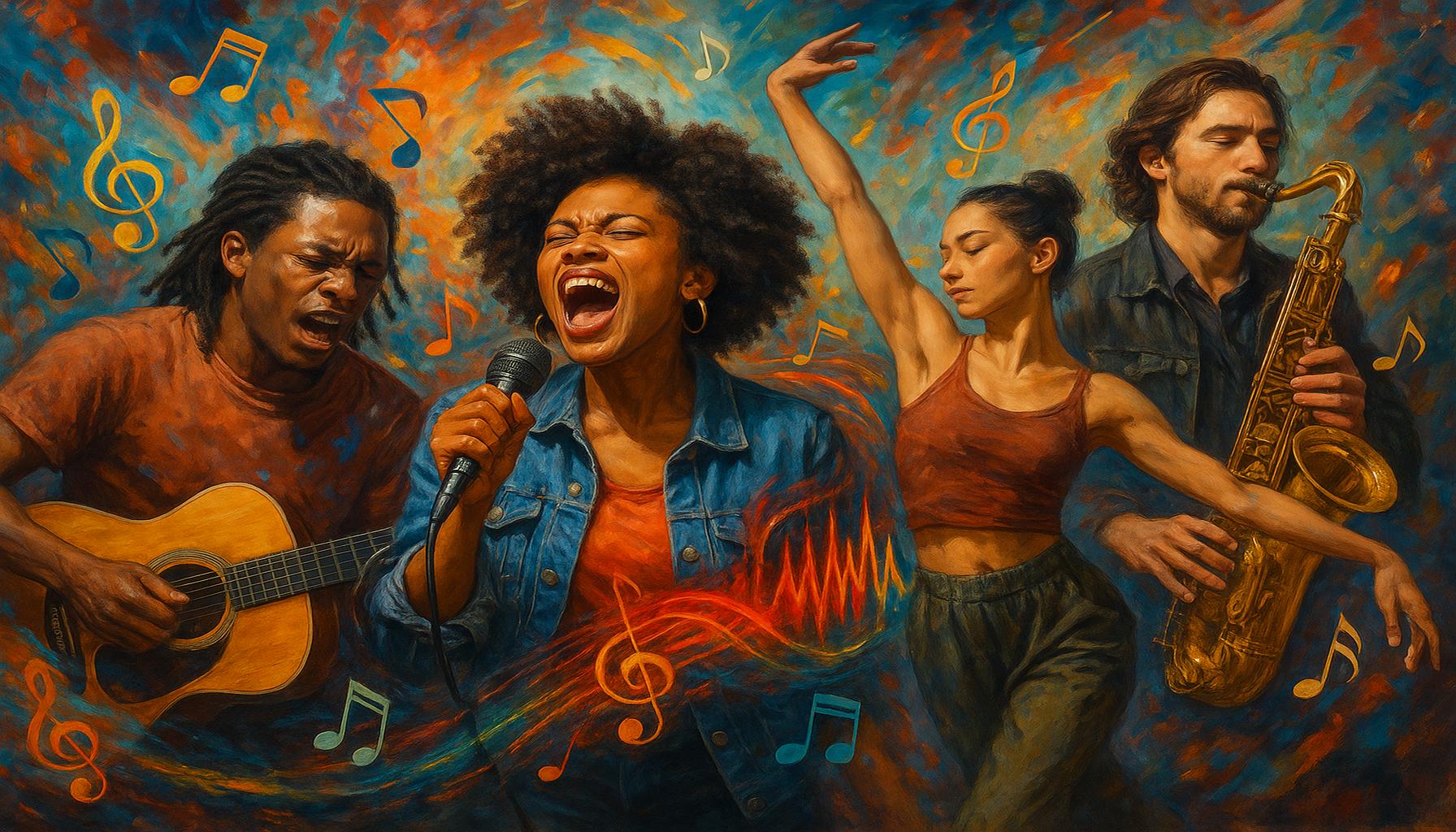
Exploring Different Musical Genres as a Form of Creativity

The Power of Musical Expression
Throughout history, music has acted as a cornerstone of human expression, illuminating the complexities of emotions and ideas through sound. It serves not only as a form of entertainment but also as a conduit for personal and collective narratives. The evolution of music across different cultures and periods has fostered a diverse array of genres, each uniquely contributing to the broader landscape of creativity.
At the heart of music’s appeal is its diversity of styles. Genres like Jazz and Blues, which rooted themselves in the African American experience, exhibit rich histories steeped in struggle and resilience. Jazz, with its origins in New Orleans, is marked by improvisation and the use of swing rhythms, showcasing a profound level of creativity. Blues, on the other hand, often emphasizes deep emotional expression through its characteristic 12-bar structure and poignant lyrics. In contrast, Pop music, recognized for its catchy melodies and mass appeal, continues to evolve by incorporating elements from electronic dance music, hip-hop, and even traditional folk, illustrating the fluid nature of musical genres.
An equally compelling aspect of music is the innovation in techniques. Artists are relentless in their pursuit of new sounds, employing diverse instruments and experimental production methods. For instance, the incorporation of digital technology has transformed music production, allowing artists from various genres to collaborate across geographical boundaries. Notably, the rise of home studios has democratized music creation, enabling aspiring musicians to produce professional-quality tracks without the constraints of traditional recording studios.
The collaborative spirit seen across musical genres highlights a culture of shared creativity. Artists like Travis Scott, who blends Hip-Hop with elements of Rock and R&B, and the collaboration between country artist Kacey Musgraves and pop sensation Harry Styles exemplify how cross-genre partnerships foster innovation. These collaborations not only enhance the richness of their music but also reflect a broader cultural tapestry where genres intermingle and enrich the artistic landscape.
In the United States, the vibrancy of genres such as Hip-Hop, Country, and R&B showcases a unique interplay of cultural influences. Hip-Hop, emerging from urban communities, has become a global phenomenon, embodying social movements and personal stories through its lyrical depth. Country music, deeply rooted in American folklore, continues to evolve by incorporating contemporary themes and sounds, making it relatable to new generations of listeners. Similarly, R&B has transformed from its classic roots to embrace modern production, exploring themes of love and identity in new and creative ways.

Understanding these musical forms invites listeners to appreciate the profound impact they have on creativity. By exploring various genres, we not only discover the artistry behind the music but also the cultural narratives they tell. Each genre, with its distinct history and evolution, contributes to a broader understanding of human experience and community identity. As we peel back the layers of musical influence, we uncover the underlying stories that shape the rhythms of our lives.
DIVE DEEPER: Click here to discover the powerful role of music in activism
Unraveling the Tapestry of Musical Genres
As we dive deeper into the vast ocean of musical genres, it becomes clear that each style not only offers a unique auditory experience but also serves as a mirror reflecting the social, cultural, and emotional landscapes of our lives. The richness within musical genres is not merely a collection of sounds; it’s a dynamic expression of creativity intertwined with the history and values of diverse communities. By dissecting individual genres, we can uncover the imaginative processes that shape them, revealing the artistry behind the notes.
To grasp the impact of these genres, it is essential to explore a few key categories that have significantly influenced music across the United States:
- Rock and Roll: Emerging in the 1950s, Rock and Roll brought forth a rebellious spirit, merging elements of rhythm and blues with country music. Artists like Elvis Presley and Chuck Berry not only redefined musical boundaries but also influenced fashion, language, and societal norms, showcasing how genres can drive cultural movements.
- Reggae: Originating in Jamaica, reggae found its way into American music scenes in the 1970s through artists like Bob Marley. The genre’s rhythmic syncopation and socially conscious lyrics made it a platform for activism, promoting messages of peace and equality, thus illustrating how music can transcend entertainment to become a voice for change.
- Electronic Dance Music (EDM): Characterized by its pulsating beats and synthesized sounds, EDM has surged in popularity since the late 1980s. Significant festivals like Electric Daisy Carnival and Ultra Music Festival bring together tens of thousands of fans, reflecting a community bonded by a shared love of energy and creativity. The genre thrives on collaboration, with DJs remixing and blending various musical influences to create something entirely novel.
The exploration of these genres not only highlights their distinct qualities but also underscores their interconnectedness. For instance, Rock and Roll paved the way for subgenres such as Punk and Metal, which furthered musical experimentation, while EDM has begun to incorporate elements of Hip-Hop, creating a unique fusion that appeals to varied audiences. This intermingling is where true creativity thrives, as artists draw inspiration from one another, pushing the boundaries of genre and sound.
Furthermore, the way genres evolve demonstrates an ongoing dialogue between artists and their audiences. In recent years, the blending of genres has become prominent, with artists like Billie Eilish fusing Pop with elements of Indie and Alternative music. This cross-genre innovation not only keeps the music fresh and relevant but also invites listeners to engage with a broader spectrum of sounds.
Ultimately, the spectrum of musical genres acts as a powerful canvas for creativity, allowing artists to express their unique voices while connecting with listeners on a profound level. By understanding the nuances of each genre and the cultural narratives they convey, we can appreciate how music flows in harmony with the pulse of society, echoing our collective experiences and emotions.
Exploring Different Musical Genres as a Form of Creativity
The exploration of musical genres is not merely a journey through sound; it is an expression of creativity that transcends cultural barriers and personal limits. Each genre offers unique characteristics and emotional depths, empowering individuals to express themselves in ways they never imagined. As musicians venture into various styles—from jazz to classical, rock to hip-hop—they uncover rich reservoirs of inspiration and new techniques that expand their creative toolkit.
Moreover, engaging with different musical genres fosters numerous benefits. It enhances adaptability and broadens musicians’ skill sets. Collaborating with diverse styles can lead to innovations that blend contrasting elements, resulting in groundbreaking music. This exploration cultivates resilience and helps artists navigate the evolving landscape of the music industry.
| Category | Advantages |
|---|---|
| Musical Exploration | Uncovers new creative pathways |
| Cross-Genre Collaboration | Leads to innovative music styles |
By embracing the vast landscape of musical genres, artists not only enhance their own creativity but also contribute to a richer and more vibrant musical culture. Their experiences can inspire listeners and fellow musicians alike, proving that the journey through sound is an endless source of transformation and expression.
DISCOVER MORE: Click here to explore different literary genres
The Evolution of Sound: How Genres Influence Modern Music
As we continue to explore the multifaceted world of musical genres, it becomes apparent that the interplay between creativity and tradition drives the evolution of sound. Each genre serves as a foundation, upon which new styles and movements are constructed. This process of ongoing innovation illustrates how artists challenge norms and push creative boundaries, resulting in diverse musical fusions that reflect the changing landscape of society.
One particularly notable trend in recent years is the rise of Hip-Hop as a genre that has not only dominated the charts but also reshaped cultural narratives. Originally emerging from African American and Latinx communities in the Bronx during the 1970s, Hip-Hop has grown into a global phenomenon by incorporating rich storytelling, social commentary, and beats that resonate with different audiences. Artists like Kendrick Lamar and Lil Nas X exemplify how Hip-Hop can serve as a means of expressing personal identity, grappling with social issues, and challenging systemic inequalities.
In addition to Hip-Hop, the genre of Country music has undergone significant transformations, blurring the lines between traditional Americana and contemporary influences. With the emergence of “bro-country,” associated with artists like Sam Hunt and Florida Georgia Line, this genre has integrated elements of Pop and Rock, creating catchy hooks and relatable lyrics that appeal to a wider, younger demographic. The intertwining of genres within Country music demonstrates how creativity is harnessed to keep a genre relevant while still honoring its roots.
The impact of globalization on musical genres also cannot be overlooked. As technology enhances accessibility to a wealth of cultural sounds, artists around the world are incorporating diverse musical elements into their work. For instance, the Bhangra influences in American Pop and R&B, as seen in the music of artists like Jay Sean and DJ Snake, illuminate how traditional sounds can be adapted into modern formats, creating a cross-cultural dialogue that fosters creativity. This blending underscores the importance of cultural exchange in arts and expands the musical horizons of both artists and listeners.
Furthermore, the current age of technology and social media has become a critical factor in how music genres evolve. Platforms like TikTok have enabled songs to go viral overnight, introducing vintage sounds or lesser-known genres to new audiences. This phenomenon exemplifies how creativity is fueled by collaboration and the sharing of ideas across platforms. For instance, the resurgence of disco and funk elements in modern music showcases how nostalgia can spark creativity, combining the familiar with the new to ignite interest and innovation.
As we look at these various influences and trends, it becomes increasingly clear that the exploration of different musical genres is not merely an academic pursuit but a vital conversation that deepens our understanding of creativity. By engaging with these genres, musicians do more than showcase talent; they reflect the complexities of human experience and societal change, ultimately crafting a rich tapestry of sounds that resonate with generations to come. The ongoing interplay between genres continues to challenge artists to innovate, inspiring the next wave of creative expression that is yet to emerge.
DIVE DEEPER: Click here to learn more about the benefits of musical composition
Bridging Cultures Through Musical Innovation
In conclusion, the exploration of different musical genres as a form of creativity illuminates the profound ways in which sound reflects and shapes our world. As artists redefine boundaries and experiment with hybrid styles, they not only pay homage to their roots but also engage in a dynamic dialogue across cultures. From Hip-Hop’s intricate narratives to the evolving landscape of Country music, each genre serves as a canvas for personal and societal expression, inviting listeners to engage with diverse perspectives.
Moreover, the impact of technology and globalization continues to redefine our understanding of music, ensuring that creativity remains a fluid and ever-changing force. With platforms enabling instant access to a global audience, and the resurgence of classic elements within contemporary hits, the future of musical genres promises to be vibrant and unpredictable. This cross-pollination of sounds fosters innovation, as artists from varied backgrounds collaborate, creating rich layers of meaning and sound that resonate with a wide array of audiences.
The journey of musical exploration is ongoing, serving as both a reflection of society and a catalyst for change. As listeners, we are encouraged to delve into the depths of these genres, not just for entertainment, but as a means of understanding our shared humanity. The tapestry of music that emerges from this exploration not only enriches our lives but inspires the next generation of artists to continue pushing the boundaries of creativity. Ultimately, drawing from the endless well of musical genres reminds us that creativity knows no limits—it is a universal language that invites us to experience the world anew.