The Evolution of Music as a Form of Artistic Expression Over the Decades
The Evolution of Music Through the Decades
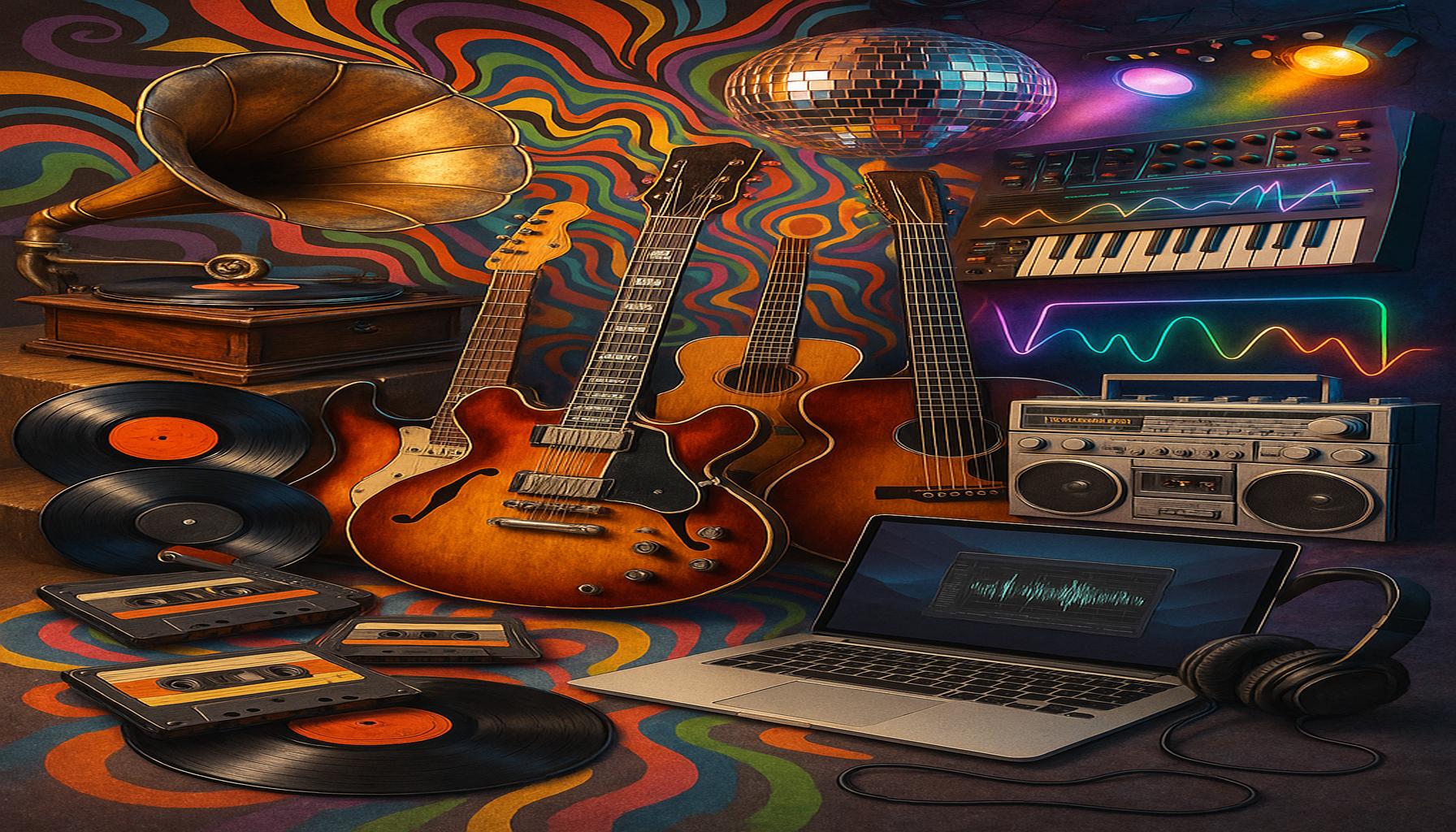
Music has always served as a powerful vehicle for artistic expression, evolving alongside societal changes and technological advancements. From the poignant melodies of the 1950s doo-wop to the rebellious rhythms of punk rock in the 1970s, each era reflects distinct cultural sentiments, effectively capturing the essence of the times.
This remarkable evolution can be categorized into several significant periods, each characterized by its unique musical styles and cultural narratives.
Pre-1950s: Foundations of Genre
The years before the 1950s marked the birth of genres like blues, jazz, and classical music. Blues emerged in the late 19th century, primarily in African American communities of the Deep South. Notable figures like B.B. King and Muddy Waters laid the groundwork for modern music, influencing rock and roll and beyond. Meanwhile, jazz, with its improvisational flair and complex rhythms, became a defining sound of the early 20th century, with icons such as Louis Armstrong and Duke Ellington making waves across the nation.
1950s-1960s: Rock ‘n’ Roll and Cultural Shifts
The rise of rock ‘n’ roll, driven by artists like Elvis Presley and Chuck Berry, radically transformed popular music in the 1950s. This era also saw the flourishing of folk music, led by figures such as Bob Dylan, who combined storytelling with social commentary, becoming the voice of a generation. Motown, with its infectious rhythms and soulful melodies, captured audiences’ hearts, giving rise to legendary acts like The Supremes and Marvin Gaye, who tackled both love and societal issues through their lyrics.
1970s: Disco, Punk, and Musical Fusion
The 1970s showcased a diverse musical landscape, marked by the emergence of disco, which encouraged dance and celebration in urban nightclubs, epitomized by the hits of the Bee Gees and Donna Summer. Conversely, the punk rock movement rejected the mainstream’s polished sound, with bands like The Ramones and Sex Pistols voicing disillusionment and rebellion through raw, energetic performances and an anti-establishment ethos. The decade also witnessed the fusion of rock with various styles, leading to innovative sounds.
1980s-1990s: The Age of Hip-Hop and Digital Revolution
The advent of the digital age in the 1980s revolutionized music creation and consumption. This period saw the explosion of hip-hop, with artists like Run-D.M.C. and Public Enemy using their platforms to address social injustices and give a voice to underrepresented communities. In contrast, the grunge movement, with bands such as Nirvana and Pearl Jam, reflected angst and disillusionment that characterized the youth experience of the 1990s.
2000s-Present: The Rise of Electronic and Indie Music
In the 2000s and beyond, the advent of streaming culture has transformed how music is distributed and accessed. The rise of electronic music, spearheaded by artists like Daft Punk and Avicii, has reshaped soundscapes and nightlife. The indie music scene has also gained traction, with bands like Arcade Fire and Bon Iver carving out their niches, prioritizing artistic authenticity over commercial appeal. This diversification of the music landscape mirrors the multitude of voices and perspectives present in contemporary society.
Understanding this framework provides insight into how music not only adapts but also actively shapes individual and collective identities. Each decade showcases not just the sound, but also the social movements, political contexts, and technological innovations that heavily influenced artistic trends.
As we explore these transformative years, we uncover the layers of meaning embedded in musical compositions. Each note played serves as a testament to the human experience, urging us to dive deeper into the narratives that resonate through time.
Dive deeper into this topic: Click here to explore more
Pre-1950s: Foundations of Genre
The years before the 1950s marked the birth of genres that would lay the groundwork for music’s evolution as a form of artistic expression. Genres like blues, jazz, and classical music emerged from unique cultural backgrounds and experiences, reflecting the complexities of the human condition. The late 19th-century blues emerged from African American communities in the Deep South, encapsulating themes of hardship, love, and resilience. Iconic figures like B.B. King and Muddy Waters not only refined this genre but also paved the way for its influence on rock and roll, redefining the musical landscape in the decades to come.
Following closely was jazz, which developed in the early 20th century. This genre redefined the concept of musical improvisation and expression, flourishing in cities like New Orleans and Chicago. Key performers such as Louis Armstrong and Duke Ellington brought jazz into the mainstream with their innovative styles and unforgettable performances, transforming it into a quintessentially American art form.
1950s-1960s: Rock ‘n’ Roll and Cultural Shifts
The 1950s marked a seismic shift in popular music with the emergence of rock ‘n’ roll. Pioneers such as Elvis Presley and Chuck Berry brought a new sound that fused rhythm and blues with country music, creating a cultural phenomenon that resonated with the youth. This era was not only about music; it was a rebellion against the conservatism of the previous years, acting as the soundtrack to a generation hungry for change.
As rock ‘n’ roll flourished, the 1960s saw the rise of folk music, led by the likes of Bob Dylan. Folk music became a significant platform for social commentary, using storytelling to reflect the political and social upheaval of the time, including civil rights and anti-war movements. As a result, artists began tackling more complex themes in their music, blending artistry with activism.
- The Beatles revolutionized popular music with their innovative approaches to songwriting and production.
- Motown emerged as a powerful label, introducing soulful acts like The Supremes and Marvin Gaye, who deftly wove themes of love and social issues into their lyrics.
- Woodstock, a monumental music festival in 1969, became a symbol of peace, love, and the counter-culture movement.
1970s: Disco, Punk, and Musical Fusion
The 1970s epitomized the diversification of musical genres, where disco and punk rock defined opposing cultural narratives. Disco emerged as a vibrant response to the pleasure-seeking nightlife, with artists like the Bee Gees and Donna Summer dominating the charts. The infectious beats encouraged people to dance and celebrate, marking a significant shift towards acceptance of various lifestyles and identities.
In stark contrast, the punk rock movement took shape as a rebellion against the polished sounds of mainstream music. With bands such as The Ramones and the Sex Pistols, punk rock encapsulated anger and disillusionment, critiquing consumer culture and political systems. The raw energy and DIY ethos of punk provided a voice for a generation that felt marginalized and unheard.
1980s-1990s: The Age of Hip-Hop and Digital Revolution
The advent of the digital age in the 1980s revolutionized the music industry, significantly altering how artists created and distributed their work. This period witnessed the explosive rise of hip-hop, where artists like Run-D.M.C. and Public Enemy emerged as cultural icons. Through their lyrical stories, they addressed systemic injustices and gave voice to previously underrepresented communities, establishing rap as a prominent form of artistic expression.
Simultaneously, the grunge movement took root in the 1990s, reflecting the angst and disillusionment of a generation. Bands such as Nirvana and Pearl Jam echoed the sentiments of youth rebellion, using distorted guitars and raw vocals to convey deep emotional truths. This blend of genres and the evolution of music production technologies elucidate the intricate relationship between music and societal changes.
| Era of Influence | Artistic Shifts |
|---|---|
| 1920s-1940s | The rise of jazz, combining African rhythms with European forms, showcasing improvisation as a new artistic expression. |
| 1950s-1970s | Birth of rock and roll, reflecting social changes and rebellious youth, allowing for cultural commentary through lyrics and style. |
The evolution of music as a form of artistic expression over the decades has been profoundly shaped by cultural, social, and technological changes. In the 1920s, the introduction of jazz marked a significant shift, combining rhythmic elements from African music with harmonic structures from European traditions. This era allowed artists to express their emotions through spontaneous improvisation, creating a rich tapestry of sounds that resonated deeply with audiences.Moving into the 1950s, the emergence of rock and roll represented not only a musical evolution but also a cultural revolution. Artists like Elvis Presley and Chuck Berry became symbols of a generation, using their music to challenge societal norms and push boundaries. Rock’s influence extended beyond entertainment; it served as a vehicle for expressing the frustrations and aspirations of a youth-driven movement. This period laid the foundation for future genres and highlighted music’s power as a form of protest and personal expression.As the decades progressed, each wave of music—from punk to hip-hop—brought forth new voices and perspectives, further solidifying music’s role as a crucial form of artistic expression that reflects the complexities of human experience. The continual fusion of styles and genres illustrates how music evolves with society, offering listeners a means of connection, reflection, and understanding. This ongoing evolution invites audiences to explore the deeper meanings behind the melodies that shape their lives.
DIVE DEEPER: Click here to discover more about music’s powerful role in activism
2000s-Present: The Era of Genres Blending and Technological Advancements
As we moved into the 2000s, the music landscape experienced a remarkable transformation driven by the internet and digital technology. This era witnessed the rise of pop and R&B artists like Beyoncé and Justin Timberlake, who not only dominated the radio waves but also expanded the meaning of music videos, turning them into visual spectacles that complemented their sound.
The advent of platforms such as iTunes and later, streaming services like Spotify and Apple Music, changed how listeners consumed music. These platforms democratized access to music, allowing for a vast array of genres and underground artists to be available at the fingertips of the public. This shift also facilitated the emergence of diverse subgenres such as trap and lo-fi hip-hop, allowing artists to experiment beyond traditional genre boundaries.
Simultaneously, the EDM (Electronic Dance Music) explosion ushered in a new wave of DJs and producers, including names like Calvin Harris and Diplo, who blazed a trail in festival culture. These events, such as Tomorrowland and Ultra Music Festival, became cultural phenomena, showcasing the power of music to unite people from all walks of life and create immersive experiences.
- Social media platforms like TikTok have fundamentally changed music promotion and consumption, giving rise to viral trends that propel unknown artists into stardom almost overnight.
- The intersectionality of genres has blurred lines; collaborations between artists of different backgrounds and styles have become increasingly common, reflecting a diverse societal landscape.
- Innovative technology in music production, including AI-generated compositions and *virtual reality*, is reshaping how artists create and share their music.
The Globalization of Music
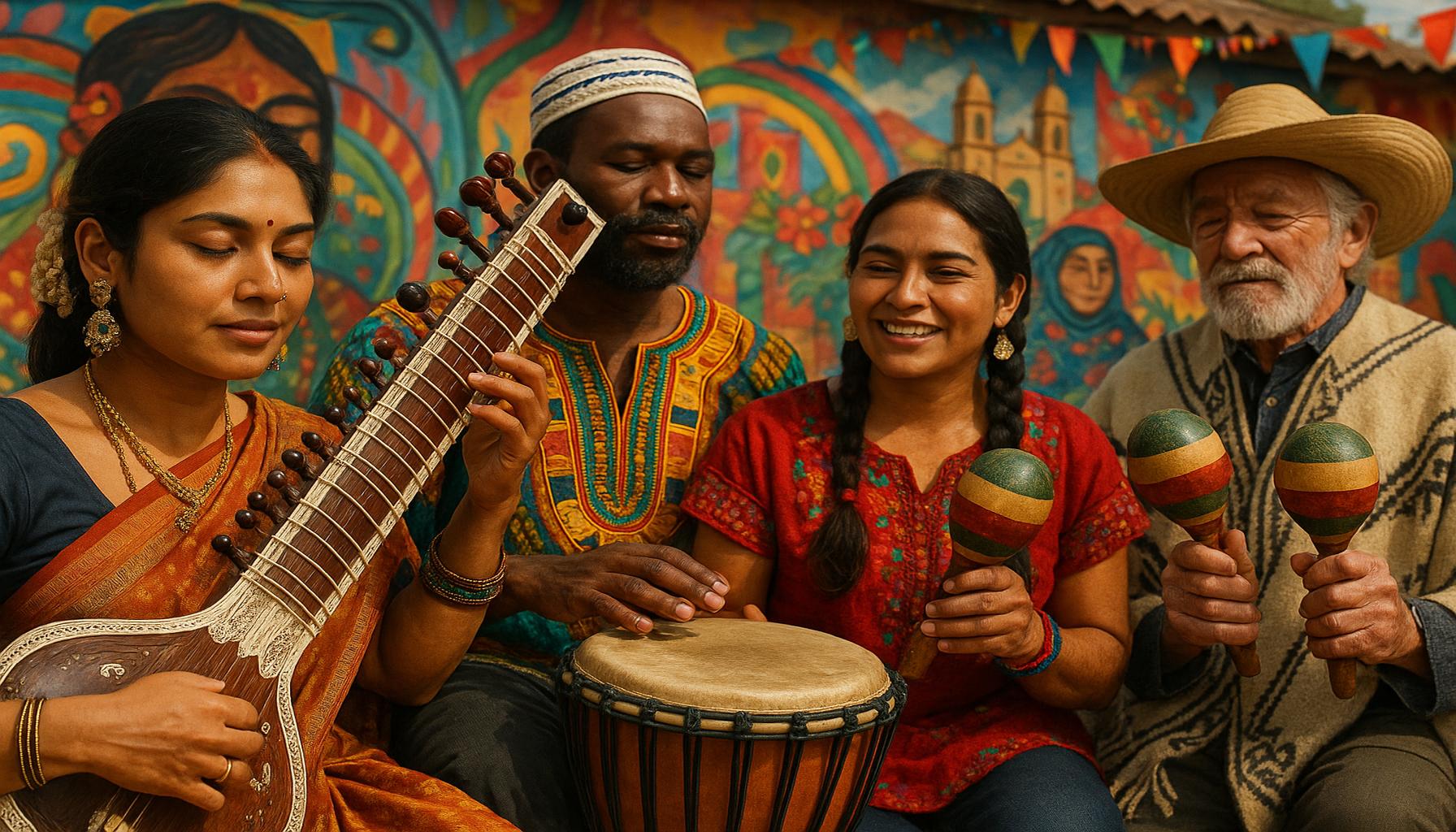
The ongoing globalization of music in contemporary times has broadened the definition of artistic expression. Genres once confined to specific geographical areas, such as reggaeton, K-pop, and afrobeats, have gained massive international followings. Artists like Bad Bunny, BTS, and Burna Boy have transcended language barriers, drawing in diverse audiences while fostering cross-cultural collaborations.
This phenomenon has led to what some call a musical melting pot, where influences merge to create new sounds that resonate with audiences globally. Fuse ODG and Shakira are just two examples of artists who have successfully synthesized traditional elements with contemporary styles, catering to modern tastes while paying homage to their cultural roots.
The Future of Music as Artistic Expression
As music continues to evolve, the question remains: what lies ahead for its role in artistic expression? Virtual concerts and immersive experiences are likely to gain traction as technology advances, potentially blurring the lines between performer and audience. Artists may explore new ways to connect emotionally with fans through interactive means, leveraging technology to enhance storytelling in their music.
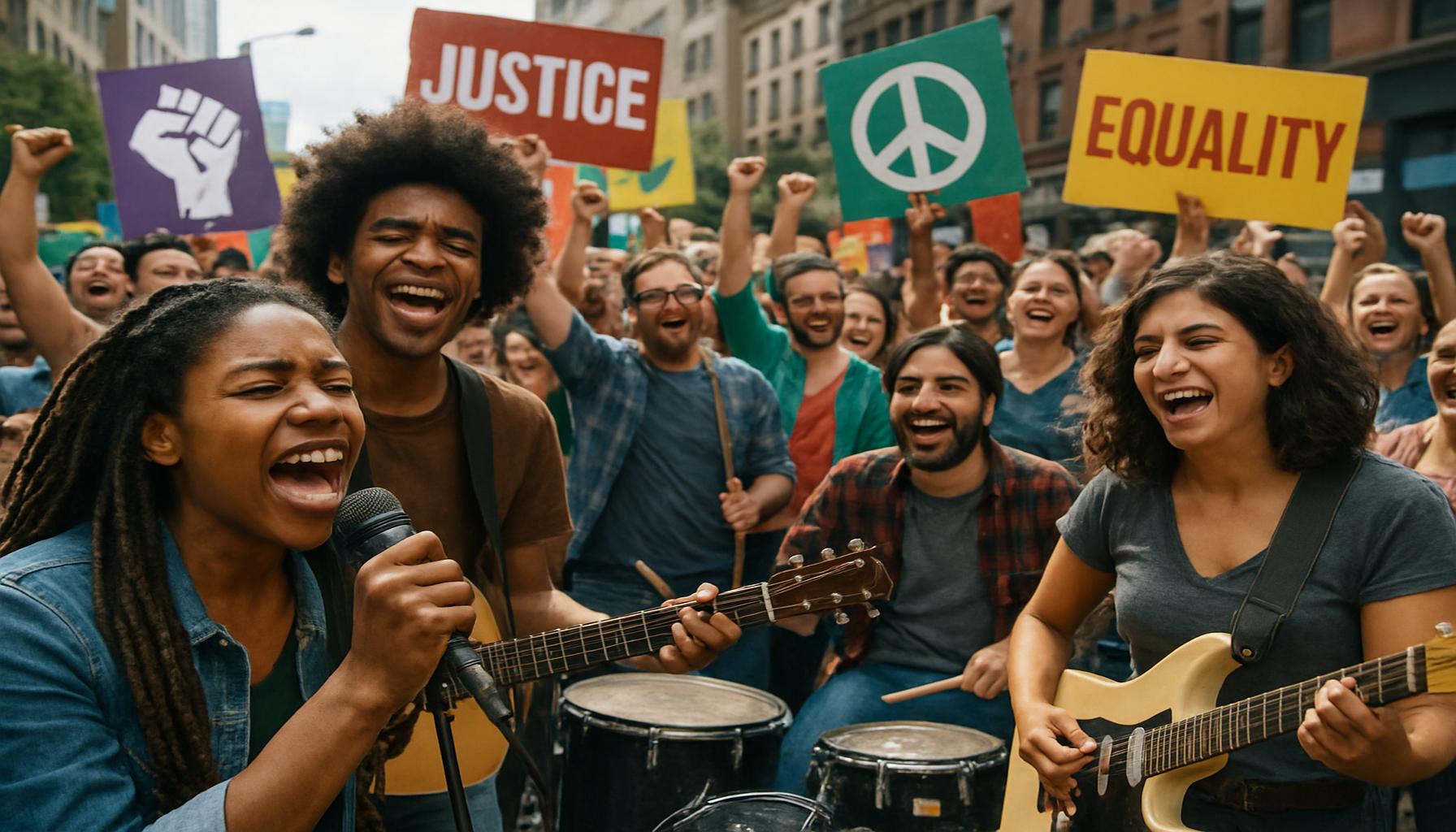
Furthermore, the emphasis on social activism among contemporary musicians suggests that the intersection of music and protest will persist, addressing issues such as climate change, inequality, and mental health in ways that resonate deeply with audiences. As music adapts to reflect societal changes, its role as a cornerstone of human expression will undoubtedly endure, continually shaping and reshaping cultural narratives.
DISCOVER MORE: Click here to learn how music builds community connections
Conclusion: The Ever-Evolving Language of Music
The journey of music as artistic expression reveals a fascinating tapestry woven from cultural, technological, and societal threads across the decades. From the early blues of the 1920s, reflecting the struggles of the African American community, to the liberated sounds of rock and roll in the 1950s and the politically charged tunes of the 1970s, music has continually been a mirror of the human experience.
As we entered the 2000s, the fusion of genres and rise of digital platforms reshaped how we discover and connect with music, leading to a landscape marked by collaboration and experimentation. This era has been characterized by a newfound accessibility that enables unique voices to emerge and be heard on a global scale. The rise of K-pop and afrobeats exemplifies the potential for international genres to intersect and create a global musical melting pot, highlighting diverse cultural influences.
Looking ahead, the future of music promises exciting possibilities with advances in technology and interactive experiences. As artists harness tools like augmented reality and AI, we can expect fresh narratives that continue to resonate within the social fabric of our world. Moreover, the fusion of music with activism underscores its profound role in shaping societal discourse, making it not just a form of entertainment, but a platform for change.
Ultimately, as music continues to evolve, it remains a *vital form of human expression*—a language that transcends barriers and unites individuals in profound ways. Therefore, exploring the evolution of music not only informs us about the past but invites us to engage with its future potential as a powerful tool for expression and connection.