
Community Gardening: Uniting Neighbors Through Cultivation and Collaboration
The Power of Community Gardens
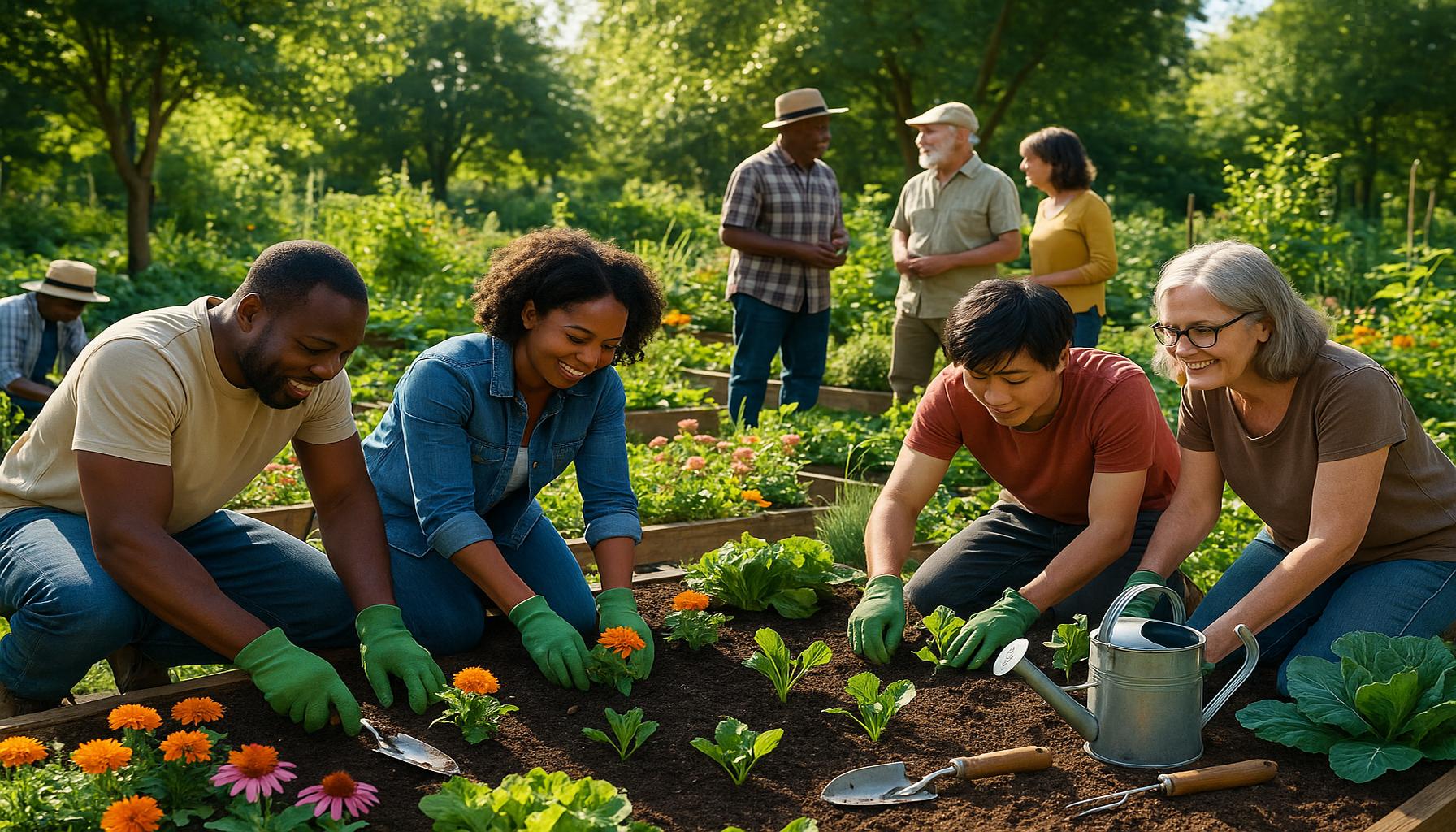
Community gardening represents more than a simple cultivation of plants; it stands as a testament to the power of unity, collaboration, and sustainability within urban environments. Essentially, these collective spaces allow individuals from various backgrounds to come together, fostering connections that transcend traditional neighborhood boundaries. Community gardens are sprouting up in both urban and suburban areas across the United States, turning vacant lots into flourishing oases that bring people together.
One of the primary benefits of community gardens is their ability to foster community bonds. In these shared green spaces, neighbors often gather to exchange gardening tips, share tools, and collectively care for the land. For example, in Chicago, the Chicago Community Garden Program connects residents to participate in local gardening efforts, resulting in gardens that not only yield fresh produce but also create a sense of belonging among participants. Regular meetings often lead to friendships that extend beyond the garden’s boundaries, enriching the community fabric.
In addition to creating social ties, community gardens play a critical role in encouraging sustainability. By growing food locally, these gardens significantly reduce the carbon footprint associated with transporting food. Moreover, they promote organic gardening methods, allowing members to learn about composting, permaculture, and pesticide-free methods. For instance, the Brooklyn Botanic Garden hosts workshops that teach residents about environmentally friendly practices that can be implemented in their gardens, helping to foster a culture of sustainability that reaches far beyond the plots themselves.
Another vital element is enhancing food security. With increasing food deserts in many cities, community gardens provide essential access to fresh, nutritious food. In cities like Los Angeles, initiatives like the Community Gardening Coalition empower local residents to grow their own fruits and vegetables, improving overall health outcomes. Access to healthy food options can significantly impact communities, especially in areas where fast food and convenience stores dominate.
As urban landscapes continue to expand, the importance of green spaces cannot be overstated. Beyond their ecological benefits, studies have demonstrated that individuals engaged in community gardening report lower stress levels and improved mental well-being. This therapeutic aspect is often complemented by the numerous events these gardens host, such as harvest festivals and educational workshops, which further strengthen community ties. In New York City, for example, the annual Harvest Festival not only showcases the produce cultivated throughout the season but also celebrates the community’s collective effort and fosters pride in their achievements.
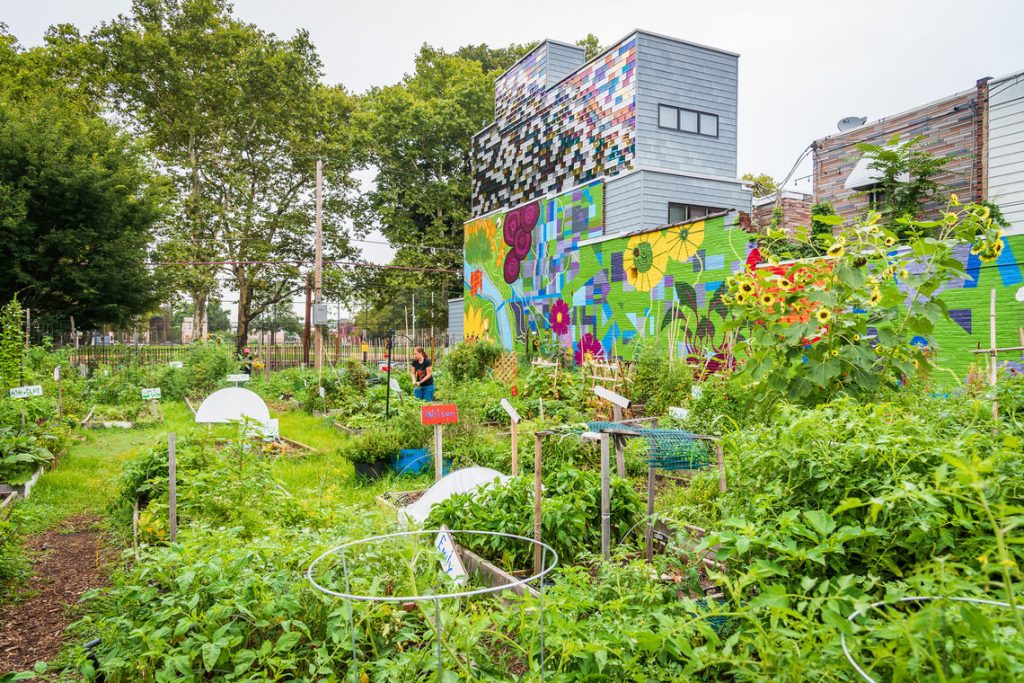
In conclusion, community gardening represents a movement with profound implications for neighborhoods across America. Embracing these communal spaces offers residents a chance to engage in environmental stewardship, forge new friendships, and ensure access to healthy food. For those seeking to join this movement, remember that every seed planted is a step towards cultivating relationships and building a more connected and sustainable community.
DIVE DEEPER: Click here to learn more about musical improvisation
Building Connections Through Green Spaces
When it comes to community gardening, the act of planting seeds goes beyond mere agriculture; it cultivates relationships that enrich neighborhoods. These vibrant green spaces serve as vital hubs where the community can engage, connect, and collaborate. As diverse groups join forces in the cultivation of these gardens, they break down barriers related to age, ethnicity, and socioeconomic status, forging friendships that might never have blossomed otherwise. Research from the American Community Gardening Association (ACGA) reveals that 85% of community gardening participants feel more connected to their neighbors, showcasing the pivotal role these gardens play in fostering strong social networks.
A key aspect of community gardens is their inclusive nature. Participants range from seasoned gardeners to novices, all eager to learn from one another. In cities such as Philadelphia, community gardens like the Greensgrow Farms serve as educational platforms, offering workshops on everything from seed starting to sustainable practices. Not only do they teach valuable gardening skills, but they also empower residents by encouraging self-reliance and shared responsibility. Many gardens host regular gatherings, allowing members to plan events, discuss challenges, and celebrate victories. These meetings often ignite a sense of ownership and pride in the community’s collective efforts.
The positive social impact of community gardens extends into the realm of mental health. Engaging in gardening activities reduces stress and promotes physical activity—a perfect antidote to the urban hustle and bustle. A study conducted by the University of California found that individuals involved in community gardening reported higher levels of happiness and satisfaction. Participating in routine garden maintenance not only contributes to beautifying the neighborhood but also invigorates participants, creating a sense of purpose and belonging. This therapeutic element draws in volunteers who may initially join for the fresh produce but ultimately stay for the connections they forge.
Community Benefits at a Glance
- Enhanced social interactions: Community gardens facilitate networking and new friendships, bridging gaps between diverse demographics.
- Skills development: Participants gain valuable gardening skills, along with training in importance related to sustainability practices.
- Physical health boosts: Regular gardening activities increase physical activity levels, contributing to improved overall health.
- Emotional well-being: Engaging in gardening fosters improvements in mental health, reduced anxiety, and heightened feelings of fulfillment.
The emergence of community gardening has led to various innovative projects across the country. In Chicago, the Chicago Urban Agriculture Mapping Project highlights locations of community gardens, enabling residents to find and participate in initiatives near them. These efforts are paving the way for sustained community engagement, with many homeowners re-evaluating their green spaces to include more collaborative gardening efforts. As interest grows, one can only imagine the possibilities these gardens hold for enhancing community structure and well-being.
| Advantages | Description |
|---|---|
| Community Engagement | Community gardening fosters a sense of belonging, allowing individuals from diverse backgrounds to connect and collaborate. This creates an ecosystem of support and friendship. |
| Sustainable Practices | Participants learn about organic gardening techniques and environmental stewardship, promoting sustainability in everyday life. |
Community gardening is not only a means to cultivate fresh produce but acts as a powerful vehicle for community engagement. It provides an opportunity for people to gather, share ideas, and learn from one another, enriching their local culture. By working side by side, participants create long-lasting relationships and networks that extend beyond the garden’s boundaries. Furthermore, community gardens bring practical knowledge about sustainable practices to urban areas, where access to fresh fruits and vegetables is often limited. Participants engage in hands-on learning, gaining insights into organic farming while turning previously neglected spaces into thriving green zones. Such initiatives contribute positively to the neighborhoods, making them more resilient and environmentally conscious. In an era where urbanization can lead to disconnection, community gardening stands out as a beacon for cultivating collaboration and unity. The combination of personal growth, community bonding, and ecological benefit makes this movement more than just a hobby; it is a powerful strategy for social change.
DISCOVER MORE: Click here to delve deeper
Cultivating Local Food Systems
In addition to fostering social bonds, community gardening plays a crucial role in strengthening local food systems. With rising concerns about food insecurity and the quality of food production, community gardens provide a sustainable solution by promoting access to fresh, healthy produce. In urban areas where access to grocery stores may be limited, these gardens become invaluable resources, offering residents the chance to grow their own fruits and vegetables. A study by the USDA indicates that neighborhoods with community gardens experience a decrease in food deserts, allowing families to make healthier food choices right from their backyards.
Community gardens also emphasize the importance of agriculture education. Many gardens implement programs that teach individuals not only how to grow their own food but also about the significance of local sourcing and environmentally friendly practices. Initiatives like the Green Thumb program in New York City train participants on aspects of urban farming, including organic gardening techniques and composting, ensuring that they become stewards of the environment. Through learning experiences, participants gain insights into how their gardening efforts can lead to reduced carbon footprints and healthier ecosystems, linking personal well-being with ecological sustainability.
The Economic Impact of Community Gardening
Furthermore, community gardens can have a profound economic impact on local neighborhoods. By participating in these gardening initiatives, residents often become more aware of where their food comes from, which contributes to an increased demand for locally grown produce. This localized consumption can drive economic development, creating opportunities for small businesses and farmers’ markets that host local vendors. According to a report by Urban Institute, areas with active community gardens see a rise in property values, driven by the aesthetic and social benefits that green spaces provide.
- Community engagement: Increased participation in local food systems encourages residents to collaborate on food preservation methods, such as canning and pickling, leading to community-wide food security.
- Job creation: The establishment of community gardens can lead to the creation of part-time jobs focused on garden maintenance and outreach programs.
- Boosting morale: Residents who are involved in local food production often experience a sense of pride in being part of a community-driven initiative, thereby increasing overall neighborhood satisfaction.
As cities embrace the potential of community gardening, innovative models emerge. In Los Angeles, the Los Angeles Community Garden Council champions a network of gardens that promotes food justice and sustainability. Here, diverse communities unite, spending time cultivating crops while exchanging cultural practices, thus showcasing how community connections can evolve on multiple levels. Such programs not only nourish participants but also plant seeds of change in their neighborhoods and beyond.
The American Community Gardening Association continues to support these efforts by providing resources and networking opportunities for gardens nationwide. Their initiatives underscore the notion that gardening is not merely an individual pursuit but a collaborative effort that contributes to the long-term wellness of communities. As people dig their hands into the dirt, they are not just cultivating vegetables, but also the very fabric of their neighborhoods, promoting collaboration, unity, and resilience.
DISCOVER MORE: Click here to dive deeper into cultural identity and music
Conclusion
In an era where connection often takes a backseat to technology, community gardening emerges as a powerful remedy that transcends mere horticulture. By cultivating local plots, residents are not only growing fresh produce but also establishing enduring relationships that weave the fabric of their neighborhoods. The advantages are multifaceted: from enhancing food security and providing access to nutritious crops, to fostering environmental stewardship and promoting economic growth through localized food systems. Through programs like urban farming initiatives and educational workshops, individuals gain skills that empower them not just in gardening, but in understanding their role within a larger ecosystem.
As we explore the results of these grassroots movements, it becomes evident that community gardens have the potential to transform urban landscapes into vibrant hubs of collaboration. Areas rich with greenery not only uplift community morale but also enhance property values, affirming the notion that horticultural initiatives are vital investments in local economies and social cohesion. The success of community gardens in cities like New York and Los Angeles illustrates that with commitment and cooperation, diverse populations can come together to create innovative solutions to shared challenges.
Ultimately, community gardening stands as a testament to the resilience of individuals working together for a brighter future. As more cities recognize the impact of these green spaces, we can anticipate the flourishing of both plants and partnerships, thereby nurturing the growth of stronger, more united neighborhoods. Whether you’re a seasoned gardener or a curious newcomer, consider joining this movement—together, we can sow the seeds of change.