Edible Plants at Home: How to Grow an Herb and Vegetable Garden
Unlocking the Potential of Your Home Garden
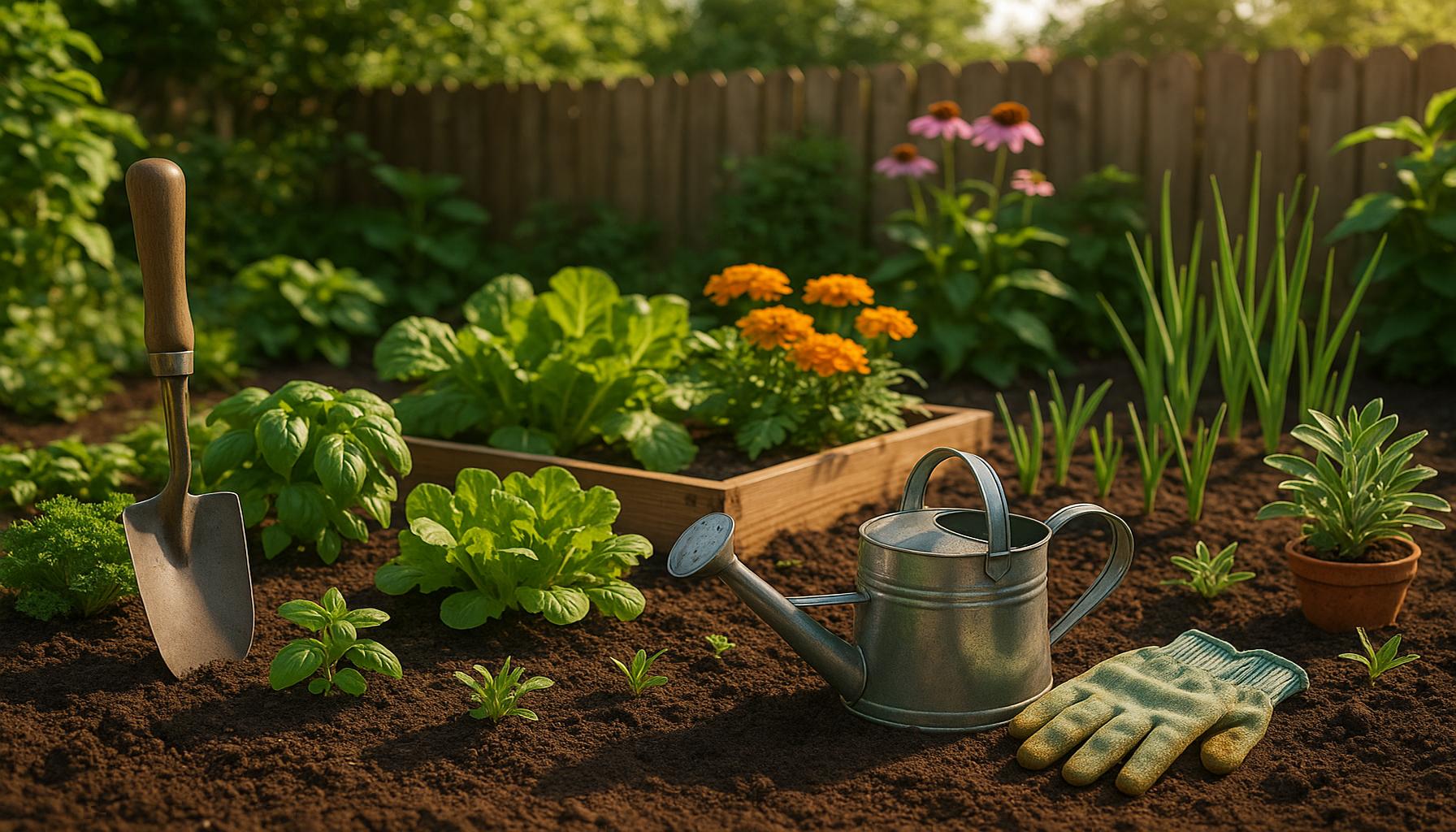
Imagine stepping into your backyard or balcony and plucking a fresh basil leaf to garnish your pasta. The satisfaction of cultivating your own edible plants is not only rewarding but also a step towards a healthier lifestyle. In recent years, home gardening has surged in popularity across the United States, with many people realizing the immense joy and benefits that come from growing their own food. So, why not take the plunge and join the movement?
Growing an herb and vegetable garden is an accessible endeavor for anyone, regardless of experience. Here are key reasons why you should consider starting your own garden:
- Freshness: Homegrown herbs and vegetables boast unparalleled freshness. When you harvest your produce at its peak ripeness, the flavor is often more vibrant and satisfying compared to store-bought alternatives. Take tomatoes, for instance; nothing compares to the rich taste of a sun-ripened heirloom tomato enjoyed straight from the vine.
- Health benefits: Cultivating your own garden provides you with organic produce that is free from harmful pesticides and chemicals. By growing your own food, you can ensure that your meals are enriched with vital nutrients and devoid of unwanted additives. For those monitoring their dietary intake, homegrown vegetables like kale, spinach, and peppers are not only nutritious but can help in achieving a balanced diet.
- Cost-effective: Gardening can significantly reduce your grocery bills. Fresh herbs and vegetables can be expensive, especially if you prefer organic varieties. By growing your own, you not only save money but also make the most of your food budget. A few potted herbs can yield countless meals, providing you with an abundance that far exceeds the initial cost of seeds or plants.
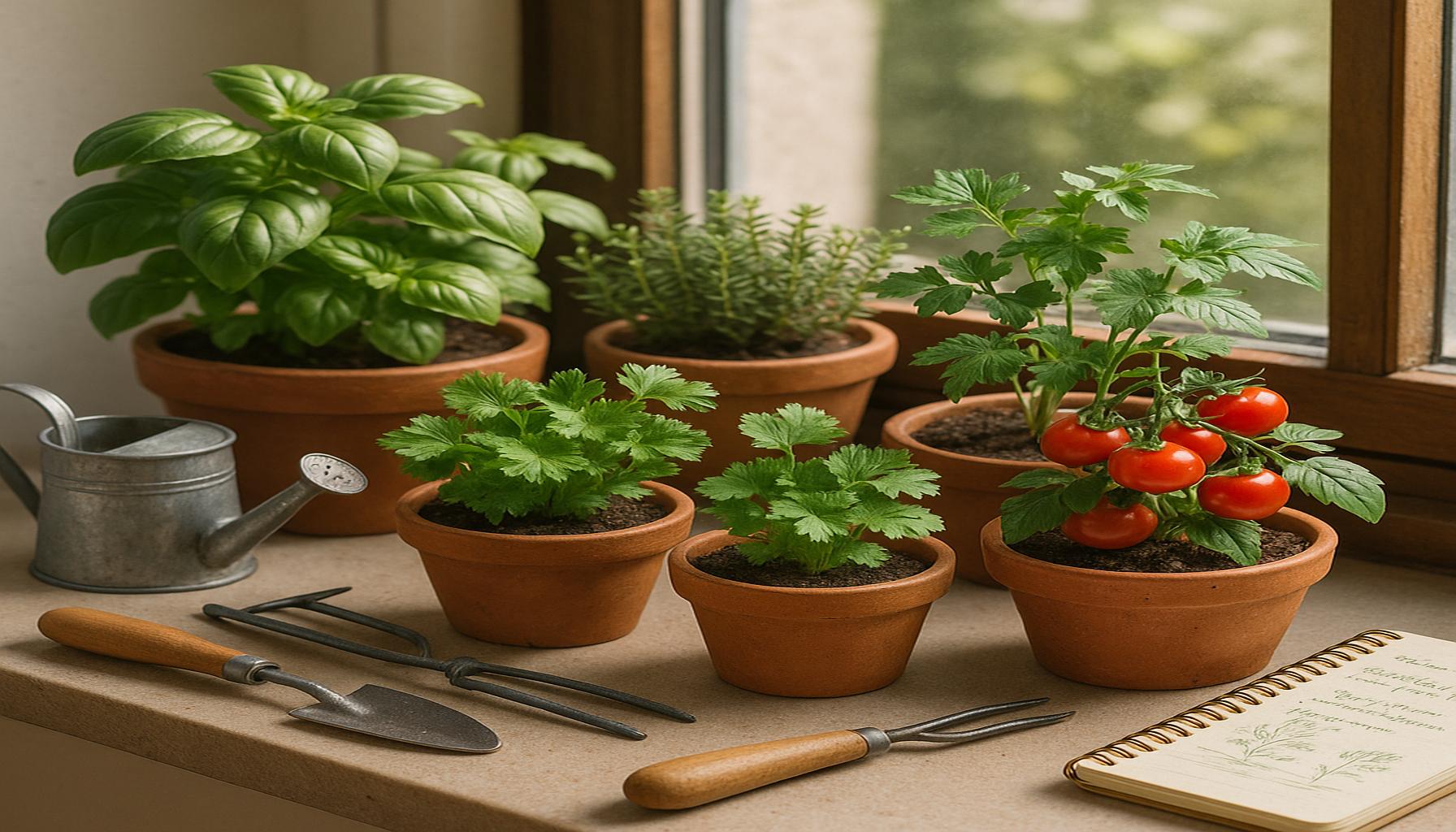
Whether you have a large backyard, a small patio, or even just a sunny windowsill, there’s a wide range of plants suitable for your space. Here are some popular options:
- Basil: This aromatic herb is a must-have for any kitchen gardener. It thrives in pots, making it ideal for both large gardens and small patios. Try different varieties, such as Thai basil or purple basil, to discover unique flavors.
- Tomatoes: Indeterminate varieties, like cherry or grape tomatoes, can grow vertically using supports such as trellises. This makes them perfect for limited space and maximizes your yield, providing bursts of flavor that elevate any dish.
- Mint: Hardy and aromatic, mint is versatile in the kitchen and can thrive indoors. Its rapid growth can sometimes be overwhelming, so consider planting it in a pot to control its spread. Use fresh leaves in drinks, desserts, or savory dishes for an exciting flavor punch.
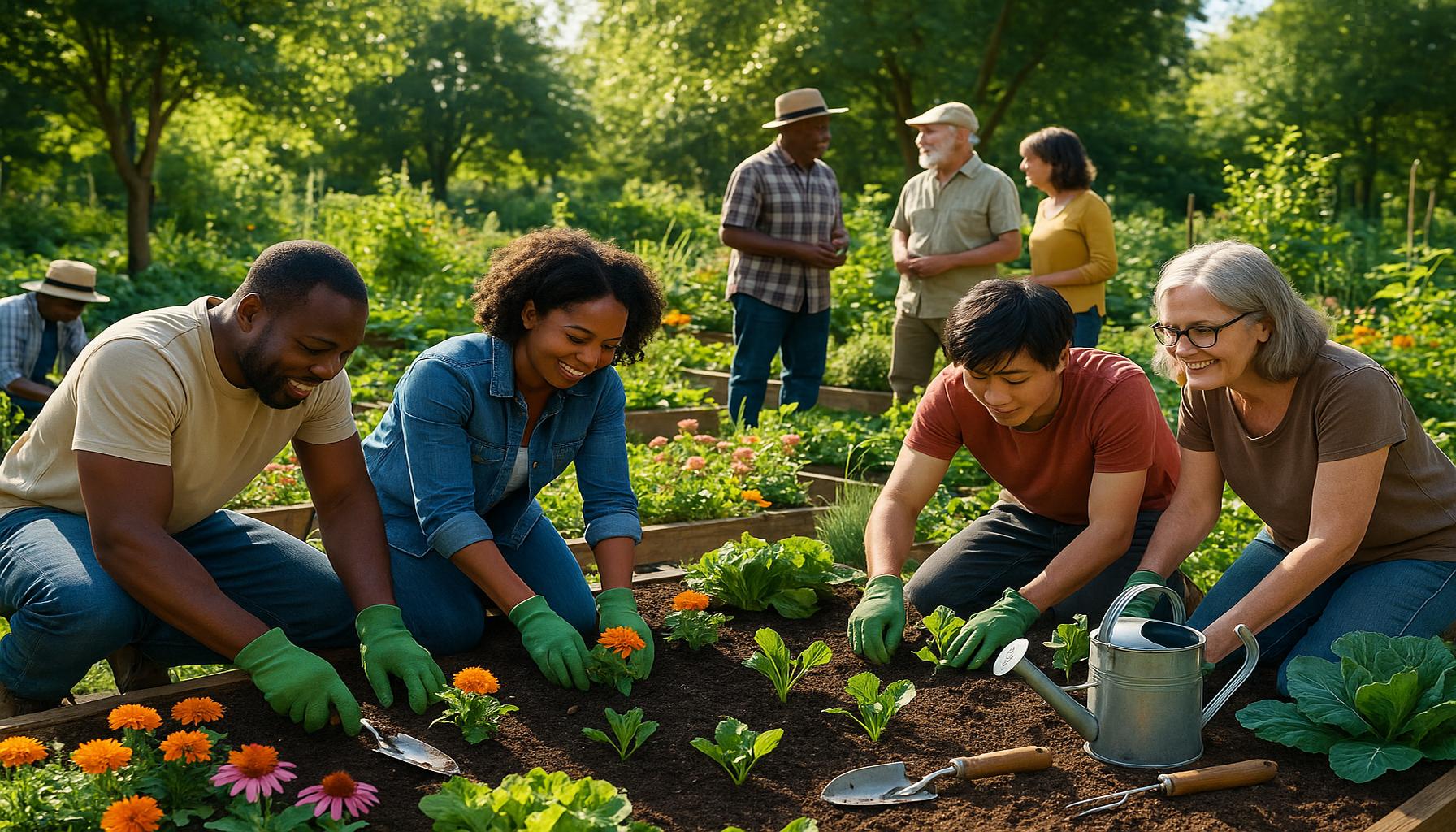
With simple methods and the right guidance, you can create a thriving garden that provides flavorful ingredients year-round. Online forums, local gardening clubs, and community resources can offer invaluable advice for both beginners and seasoned growers. Embrace the chance to reconnect with nature and explore the stunning variety of edible plants you can grow at home. Not only will you enjoy delicious meals, but you’ll also find a sense of accomplishment and joy that comes from nurturing your own garden.
DISCOVER MORE: Click here for fun gardening activities
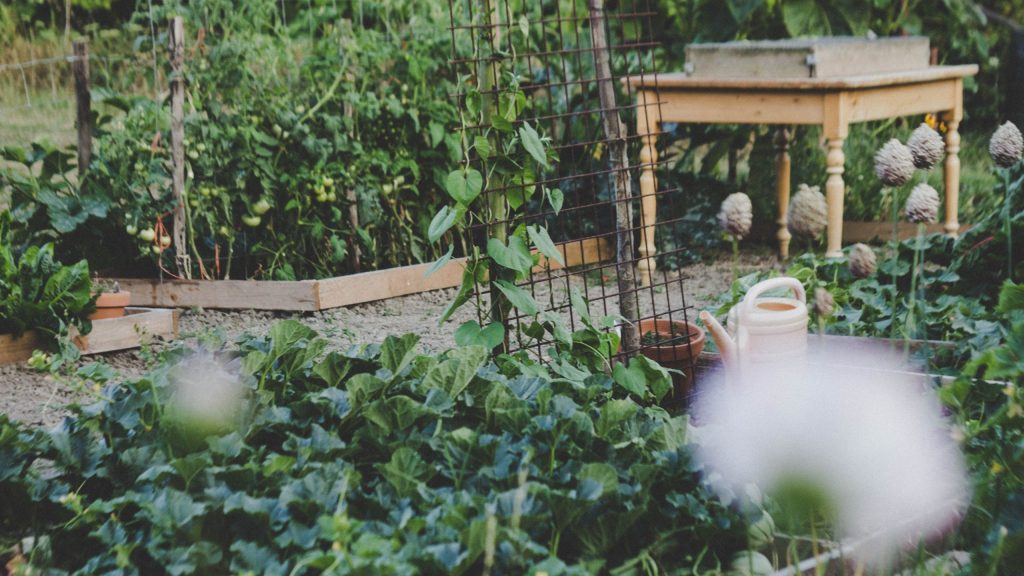
Starting Your Garden: Essential Considerations
Embarking on the journey of growing an herb and vegetable garden can be an exhilarating experience filled with discovery and joy. However, before you dive into the world of edible plants, it’s essential to consider a few foundational aspects that will help you cultivate a thriving garden. These will ensure you create an environment conducive to growth, making your gardening endeavor not only successful but enjoyable.
Choosing the Right Location
The first vital step is selecting the perfect location for your garden. Plants require sunlight to flourish, so aim for a space that receives at least six to eight hours of direct sunlight each day. If you’re working with a limited area, such as a balcony or small patio, prioritize plants that do well in containers and can adapt to varying light conditions. For instance, consider positioning your garden near a south-facing window or a bright spot on your balcony to maximize sun exposure.
Understanding Your Soil
Another critical element is understanding your soil quality. The foundation of your garden lies in rich, nutrient-dense soil that promotes healthy growth. To determine the right soil type for your garden, invest in a soil test kit from your local gardening center. This will help you assess the pH balance and nutrient content, allowing you to amend the soil as necessary. Generally, a good mix for most herbs and vegetables includes compost, peat moss, and well-rotted manure to provide the necessary nutrients.
Selecting the Right Plants
Once you have the location and soil sorted, it’s time to select the plants that will thrive in your garden. Here’s a concise list of popular herbs and vegetables that are beginner-friendly and grow well in various environments:
- Chives: A hardy herb that adds a mild onion flavor to dishes, perfect for window boxes or small containers.
- Radishes: Quick-growing root vegetables that can be sown directly into the soil. These hardy plants adapt well to many growing conditions and make for a great choice for beginner gardeners.
- Rosemary: This fragrant herb requires well-drained soil and plenty of sunlight. It can be grown in pots and makes an excellent addition to various dishes.
- Peppers: Whether you prefer sweet bell peppers or fiery chili peppers, they are perfect for container gardening and can be harvested throughout the summer.
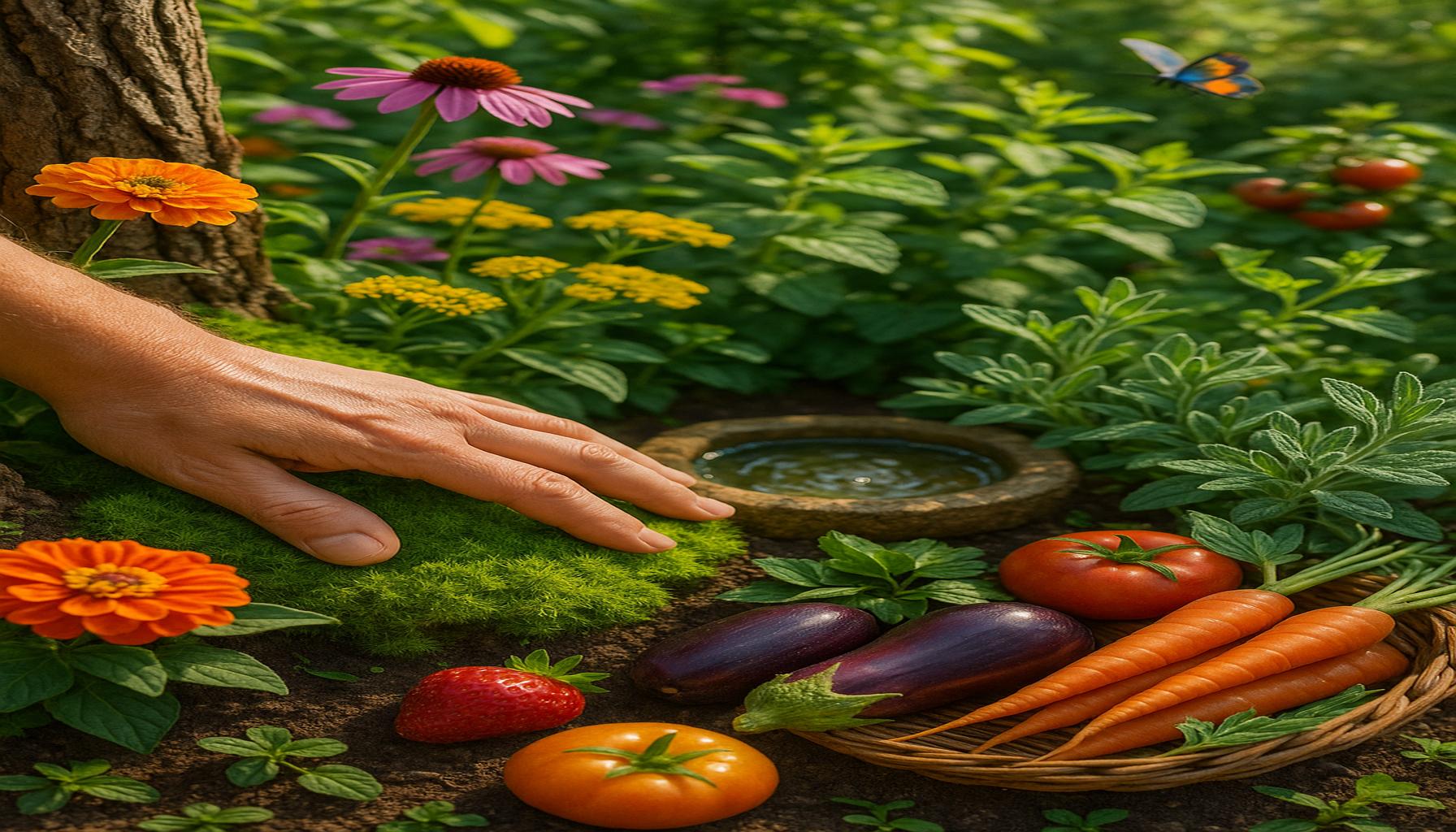
Choosing a variety of plants can lead to a more dynamic and enjoyable gardening experience. Consider planting a mix of herbs and vegetables to create a flourishing ecosystem that attracts beneficial insects, such as bees and butterflies, which enhance pollination.
Planning and Maintenance
Finally, invest time in planning your garden layout. Sketching a simple diagram can help you strategically position your plants based on their sunlight and spacing requirements. Furthermore, effective maintenance is crucial. Regular watering, pruning, and weeding will ensure your garden remains healthy and bountiful. Make a habit of checking for pests and diseases, as early detection will preserve the quality of your garden’s produce.
In summary, starting an herb and vegetable garden requires careful consideration of location, soil, and plant selection. By following these guidelines, you’ll be well on your way to enjoying the delights of fresh, homegrown produce and discovering the joys that accompany nurturing your edible plants at home.
Creating the Perfect Herb and Vegetable Garden
Growing an herb and vegetable garden at home is not just about cultivating plants; it’s about embarking on a journey of sustainability and healthy living. One of the primary advantages of cultivating edible plants is the phenomenal flavor and nutritional value they contribute to your meals. Fresh herbs such as basil, cilantro, and rosemary significantly enhance the taste of dishes, making them more enjoyable and wholesome while also allowing you to avoid the preservatives often found in store-bought herbs.Furthermore, home gardening encourages mindfulness and stress relief. Tending to your plants can be a tranquil experience, offering a break from the hustle and bustle of daily life. The satisfaction that comes from nurturing seeds into thriving plants is immeasurable. Engaging with nature encourages a sense of peace and can have mood-boosting effects, contributing to overall well-being.When setting up your garden, consider choosing a location that receives at least 6 hours of sunlight each day, as most herbs and vegetables thrive in bright light. Additionally, incorporating composting into your garden routine not only enhances soil quality but also supports sustainability by reducing kitchen waste. As you plan your space, it’s beneficial to start with easy-to-grow varieties such as lettuce, radishes, and herbs. These plants typically require less maintenance and will give you quick results, fostering a sense of accomplishment. As your confidence grows, you might venture into more challenging plants or even explore methods like vertical gardening to maximize space in smaller areas.To further enrich your understanding, consider downloading gardening apps that provide care reminders and tips on pest management specifically tailored for home gardens. Engaging with local gardening communities, whether online or offline, allows you to share experiences and gather valuable advice. This network can be essential, especially when facing the challenges of growing your edible plants.By investing time into your garden, you cultivate not just plants, but a healthier lifestyle and a deeper appreciation for the food you eat. Whether you’re a seasoned gardener or a curious beginner, the world of edible plants is ripe for exploration.
DIVE DEEPER: Click here to discover the evolution of music
Harvesting and Enjoying Your Homegrown Edibles
After investing time and effort into the growth of your herb and vegetable garden, the next vital step in your gardening journey is learning how and when to harvest your produce. Knowing the right techniques for harvesting will not only enhance the quality of your crops but also promote ongoing growth. Additionally, understanding how to effectively use and store your fresh ingredients can help make the most out of your gardening efforts.
Understanding When to Harvest
One crucial aspect of gardening involves knowing the harvesting timeline for different plants. Each herb and vegetable has its own growth cycle, and picking them at the right time is essential for optimal flavor and texture. For example, basil should typically be harvested once it reaches at least six inches tall, and the leaves should be cut just above a leaf node to encourage further growth. On the other hand, radishes are ready to harvest about four to six weeks after planting, indicated by their bulbous tops peeking through the soil. Keep an eye on your plants and familiarize yourself with their specific requirements to ensure peak flavor.
Harvesting Techniques for Better Yield
The method you choose to harvest your plants can significantly impact their growth. For leafy herbs like parsley and cilantro, use clean scissors or shears to snip off the outer leaves, allowing the inner leaves to continue growing. This approach promotes a longer harvest period. Root vegetables such as carrots and beets can be gently pulled from the ground with minimal disturbance to surrounding plants.
It’s also essential to avoid harvesting too much at once. Frequent, smaller harvests will not only extend your growing season but will also maintain the health of your plants. Striking a balance between gathering your harvest and allowing your plants to recover is key to a fruitful garden.
Storing Herbs and Vegetables
Once you have successfully harvested your crops, proper storage becomes paramount to maintaining freshness and flavor. Most herbs can be stored in the refrigerator, placed in a jar with a bit of water or wrapped in damp paper towels to keep them hydrated. For some herbs like rosemary and thyme, consider drying them by hanging in small bundles to preserve their essence for future use.
As for vegetables, it’s important to store them in a cool, dark place ideally in a breathable container to prevent spoilage. Many vegetables like carrots and potatoes can last for weeks if stored properly. Produce that is at risk of wilting, such as lettuce and spinach, should be consumed relatively quickly after harvest, but you can extend their life by keeping them in an airtight container lined with paper towels.
Creative Ways to Use Your Homegrown Produce
The real joy of growing an herb and vegetable garden extends beyond the act of planting and harvesting. Transform your garden’s bounty into delightful homemade dishes! Fresh basil can be blended into pesto, while peppers can be roasted for a smoky dip. Oftentimes, simple meals allow the vibrant flavors of your homegrown ingredients to shine through.
Consider experimenting with new recipes that highlight your harvested produce. For example, prepare a fresh garden salad with arugula, adding radishes, and a homemade vinaigrette using your own herbs. The excitement of cooking with what you’ve grown builds a deeper connection between you and your garden, enhancing the satisfaction of your efforts.
As you embrace the learning process of growing edible plants at home, remember that the journey doesn’t end with planting and harvesting. It continues with exploring how to effectively use your fresh herbs and vegetables, making each step of gardening rewarding and fulfilling.
DISCOVER MORE: Click here to learn about fun gardening activities for kids!
Embracing the Journey of Home Gardening
In conclusion, nurturing an herb and vegetable garden at home offers a rewarding journey that transcends the simple act of planting. From selecting the right seeds to understanding harvesting techniques and storage methods, every step enriches your gardening experience and encourages a deeper connection with the food you consume. The satisfaction of watching your plants flourish provides not just fresh produce but also a greater appreciation for the flavors and nutrition homegrown ingredients bring to your table.
As you continue exploring this vibrant world of edible plants, consider the endless possibilities that await in your kitchen. Experimenting with fresh herbs like basil or cilantro can transform everyday meals into culinary masterpieces, while root vegetables can become the stars of wholesome dishes. The knowledge you gain while caring for your garden not only enhances your cooking skills but also empowers you to become a more conscious consumer in a world increasingly dominated by processed foods.
Ultimately, growing an herb and vegetable garden is not merely about enjoying the fruits of your labor; it’s about embracing a sustainable lifestyle that promotes health, wellness, and environmental awareness. So, whether you have a sprawling backyard or a small balcony, the potential for cultivating your own food is boundless. Dive in, nurture your green thumb, and savor the delectable rewards that await from your home gardening adventure!