Culinary and Mindfulness: How to Cook with Full Attention to Reduce Stress
Find Peace in the Kitchen
Cooking is often seen as a mundane task, yet it holds the potential for transforming your mental state. By engaging in mindful cooking, you can turn the kitchen into a sanctuary that alleviates stress. This practice allows you to immerse yourself fully in the process, fostering a sense of calm and focus. Rather than just preparing food, it becomes an opportunity to nourish both body and soul.
Why Mindfulness Matters in Cooking
Mindfulness enhances your culinary experience by encouraging you to:
- Focus on the present: Cooking requires attention to detail. Tune into your senses—smells, textures, and colors. Notice how vibrant a fresh tomato is or how the aroma of sautéed garlic fills the air. This awareness can ground you, making you more present in the moment.
- Encourage creativity: Explore new recipes or modify existing ones without pressure. For example, try substituting ingredients based on what you have in the pantry or experiment with spices to create unique flavors. This freedom can spark a joy that often gets lost in routine cooking.
- Reduce distractions: Leave behind the chaos and distractions of daily life. Turn off the television, silence your phone, and allow the rhythmic sounds of chopping, simmering, and sizzling to replace the noise of the outside world.
Scientific studies suggest that practicing mindfulness can lead to significant reductions in stress and anxiety. Research indicates that individuals who engage in mindfulness practices experience lower levels of cortisol, a hormone associated with stress. When you shift your attention to the act of cooking, you not only create a meal but also forge a meditative experience that has the potential to enhance your mental well-being.
Engage Your Senses
Incorporating mindfulness into your cooking routine means paying attention to every element. Consider these aspects:
- Ingredients: Choose fresh produce and quality ingredients. Opt for seasonal items from local farmers’ markets, where the vibrant colors and rich scents can invigorate your senses.
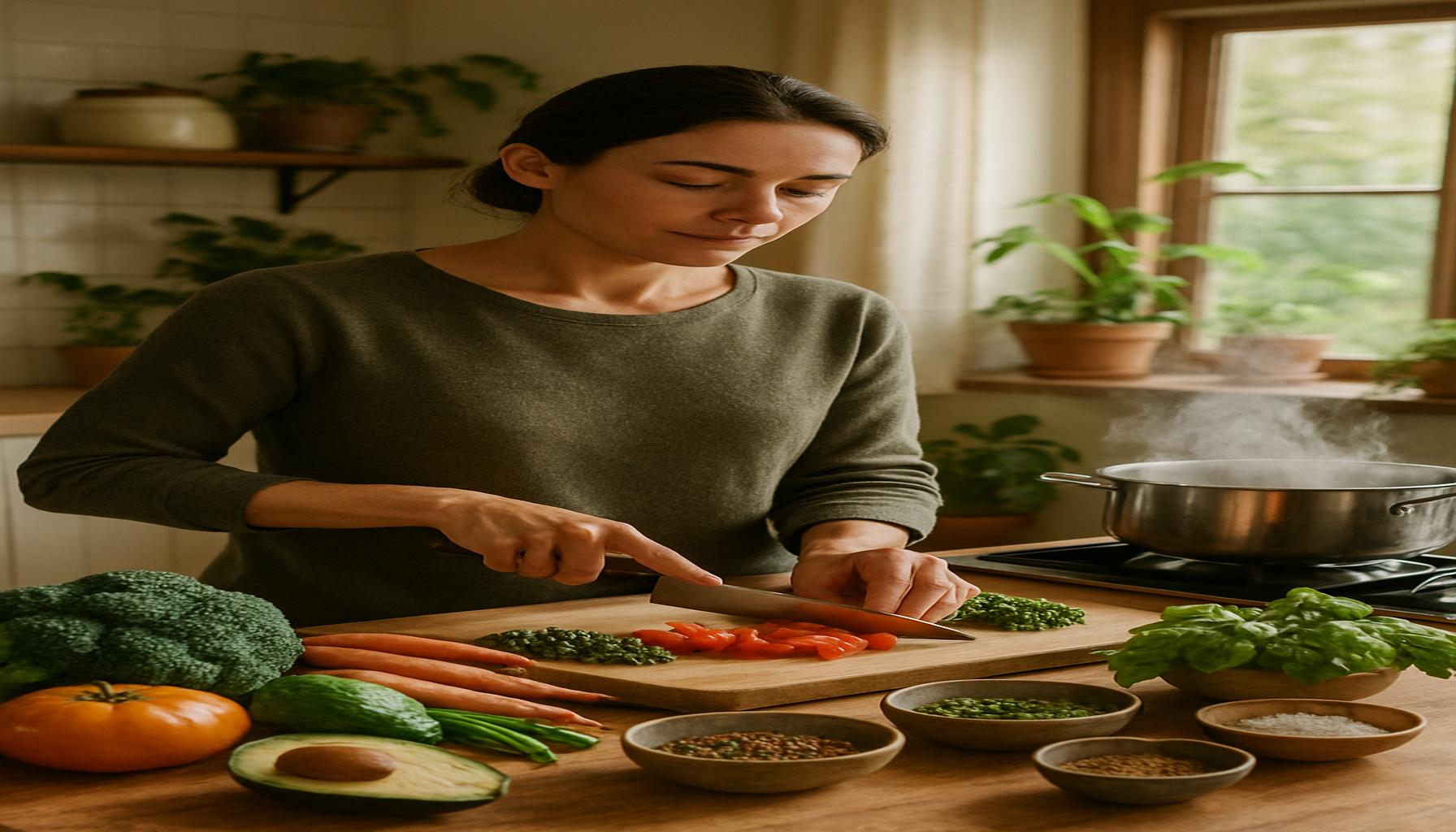
- Technique: Master knife skills or cooking methods with patience. Instead of rushing through chopping an onion, focus on the sound of the knife against the cutting board and the uniformity of the slices. This practice not only improves your skills but also heightens your awareness of the process.
- Environment: Create a calming atmosphere with music or silence. Setting the scene with your favorite playlist can uplift your mood, while soft instrumental music can enhance concentration. Alternatively, a quiet setting allows you to truly connect with the sounds of your cooking.
By engaging your senses, you will discover how to cook with full attention, leading to reduced stress and a more profound connection with your food. This focus not only enhances the taste of the dishes you create but also fills your kitchen with a sense of peace that encourages mindfulness in other areas of life. Ultimately, mindful cooking can become a cherished ritual that cultivates tranquility and joy in your daily routine.
DISCOVER MORE: Click here to delve into the power of music for social change
Transform Cooking into a Mindful Experience
To fully grasp the benefits of mindful cooking, it’s essential to understand how this approach diverges from traditional cooking methods. Mindfulness while cooking is not merely a buzzword; it is a conscious shift in how you perceive and interact with your cooking environment. By centering your thoughts and actions solely on the culinary tasks at hand, you can create an experience that promotes relaxation and joy. This shift in focus fosters not only a smoother cooking process but can also transcend the kitchen, enhancing your overall quality of life.
Start with Preparation
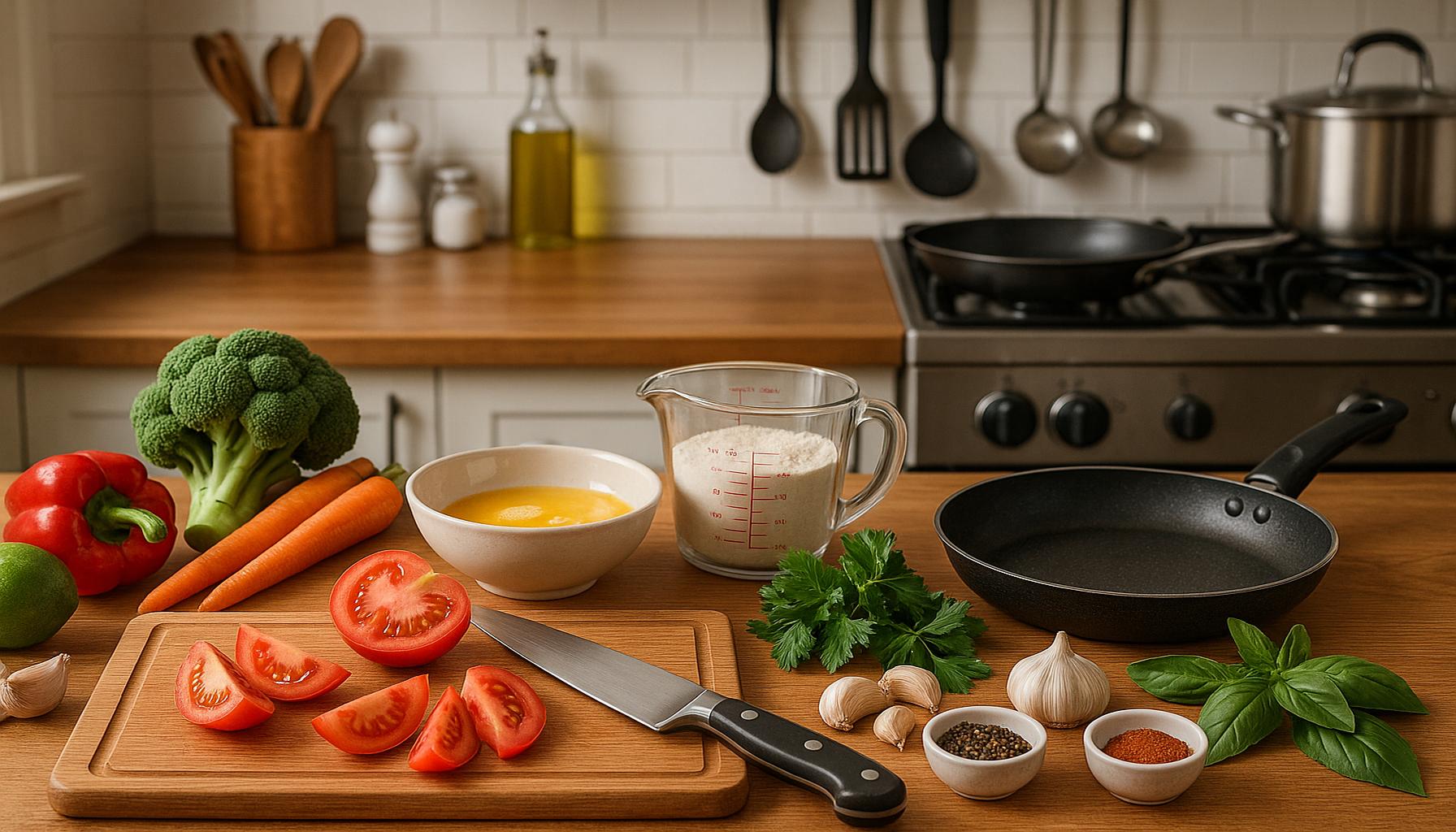
Preparation is a crucial element in mindful cooking. Begin by assembling your ingredients mindfully, paying attention to their quality and characteristics. To embrace the preparatory stage:
- Gather Ingredients with Intention: Take a moment to observe the colors, shapes, and scents of the ingredients. For instance, the deep greens of fresh herbs, the vibrant yellows of ripe lemons, or the earthy tones of root vegetables can all augment your sensory experience as you cook.
- Incorporate Rituals: Establish a routine before each cooking session. This could include washing your hands mindfully, setting a timer for a few moments of quiet reflection, or lighting a candle to signify the transition into your cooking space. Such rituals can help you transition out of the distractions of daily life.
- Plan Your Dish: Whether you’re preparing a simple salad or an elaborate meal, outline your steps clearly. This prevents overwhelm and allows you to focus on each individual action rather than the daunting task of preparing an entire dish.
Moreover, taking your time with preparation can lead to better meals. When you concentrate on slicing and dicing, you naturally improve your knife skills and become more attuned to your culinary tools. This slow yet deliberate approach is part of what makes mindful cooking so rewarding.
Breath as a Tool for Mindfulness
Incorporating mindful breathing techniques can elevate your cooking experience. A few deep breaths before you dive into your meal prep can center your thoughts and clear your mind. During cooking, pause occasionally to take a breath or two, especially if you feel a moment of frustration or stress. This practice not only calms your mind but also heightens your awareness of what you’re doing. Breathing fully engages the body and mind, allowing you to connect more completely with the food you’re preparing.
Cooking as a Form of Self-Care
Ultimately, viewing cooking as an act of self-care changes your relationship with food. Instead of perceiving it as a chore, recognize how preparing meals allows you to take charge of your health and wellbeing. By treating food with respect and love, you are nourishing not just your body but also nurturing your spirit.
Embracing mindfulness in the kitchen transforms the act of cooking into a celebration. It opens up the channels of creativity and self-expression, allowing you to explore flavors while enjoying a peaceful meditative process. This evolution towards mindful cooking serves not only to reduce stress but fosters a deeper connection to the food you share with loved ones, making every meal a treasured occasion.
| Advantages | Key Benefits |
|---|---|
| Enhanced Focus | Cooking mindfully helps in honing concentration, reducing distractions. |
| Stress Reduction | Being present during cooking sessions can lower cortisol levels, creating a tranquil environment. |
As the world becomes increasingly fast-paced, many individuals find themselves overwhelmed by daily stressors. The practice of culinary mindfulness offers a refreshing escape by turning cooking into an intentional act of self-care. By engaging fully with the cooking process, we not only enhance our meals but also cultivate a sense of peace and clarity.Cooking with full attention encourages an immersive experience, allowing cooks to embrace each ingredient’s texture, aroma, and taste. One striking aspect is the role of preparation. Selecting fresh vegetables, measuring spices, and understanding cooking techniques help one to remain present in the moment. This attentiveness transforms routine tasks into moments of joy and creativity.Moreover, the rituals associated with cooking, such as chopping, stirring, and plating, can serve as forms of meditation. Numerous studies suggest that mindfulness practices, including mindful cooking, contribute to improved mental health. Individuals often report feeling rejuvenated, with a clearer mindset post-cooking. In the realm of culinary therapy, the benefits of mindful cooking extend beyond food preparation. It aids in developing a profound connection to what we eat, enabling us to make healthier choices and fostering gratitude for the nourishment we receive. This connection further solidifies the synergy between culinary arts and mindfulness, positioning cooking as not merely a chore but an integral part of leading a balanced, stress-free life.
DIVE DEEPER: Click here to discover more
Engage Your Senses for a Richer Experience
To deepen your mindful cooking practice, it’s essential to engage all of your senses. Cooking is an immersive experience; by focusing on what you can see, hear, smell, taste, and feel, you can transform a simple meal into a sensory feast that encourages relaxation. Here’s how to harness the power of your senses:
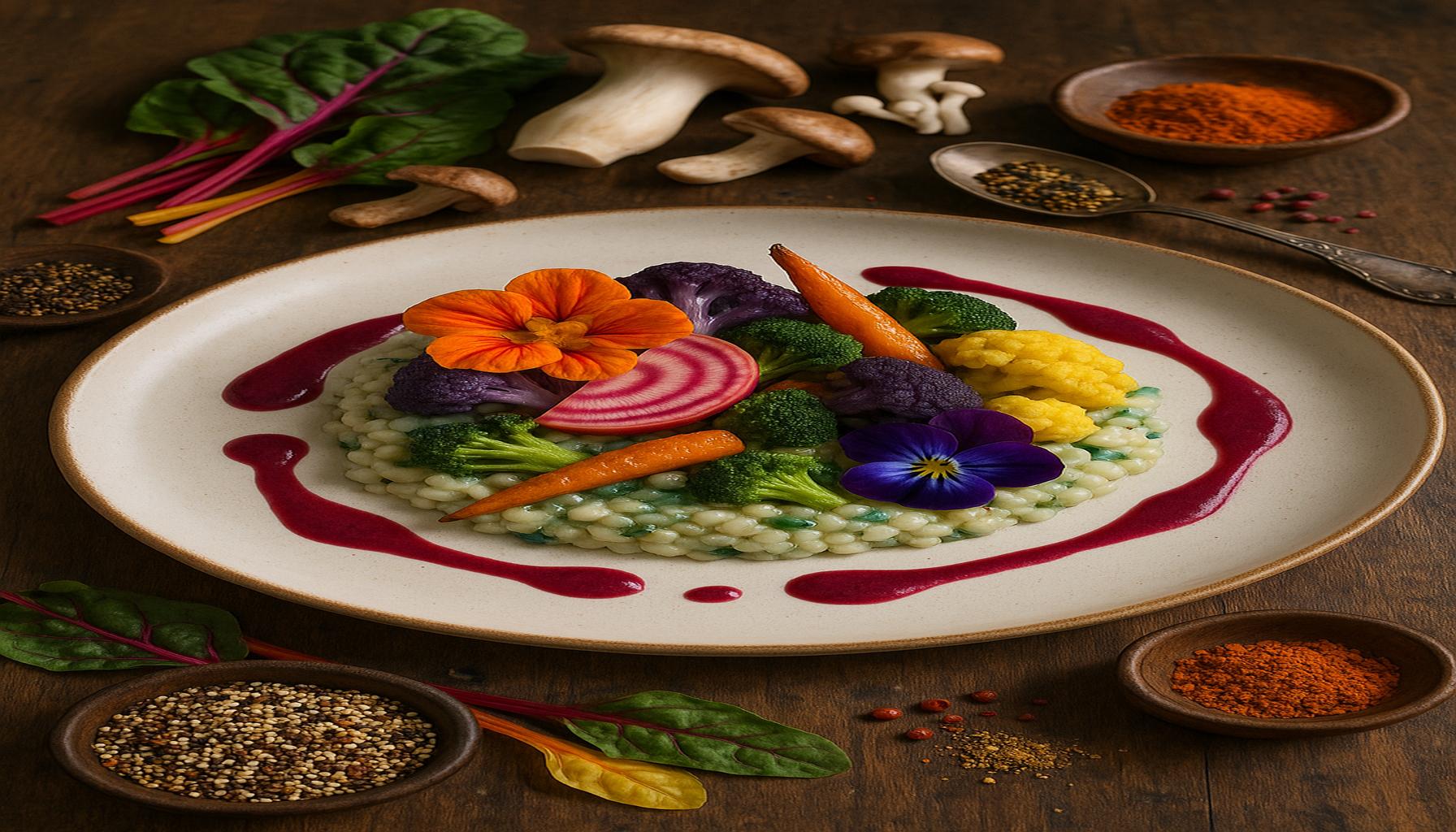
- Visual Appeal: Take a moment to observe the vibrant colors and textures of your ingredients. The way the light reflects off a glossy bell pepper, or the intricate patterns of grains, can be mesmerizing. Try arranging the ingredients artistically before use, which not only enhances your cooking but opens a dialogue with your creativity.
- Sound of Cooking: Each action produces a unique sound – from the crunch of fresh vegetables being chopped to the sizzling of oil in a hot pan. Pay attention to these auditory sensations, as they can help ground you in the moment and heighten your awareness.
- Fragrance of Ingredients: Aromas have the power to evoke memories and emotions. As you chop herbs or sauté onions, inhale deeply to savor the scents that fill the kitchen. This fragrant connection not only enhances your cooking experience but serves to deepen your relationship with the food.
- Tasting as You Go: Allow yourself the pleasure of tasting throughout the cooking process. This practice builds anticipation and joy, keeping you engaged. It’s a delightful way to connect with the flavors evolving during your culinary adventure.
- Textural Exploration: Take note of the various textures as you work with your ingredients. The smoothness of a ripe avocado versus the crispness of a cucumber enhances the mindfulness of your task. Feel the heat of your cooked dish against your hand to glean a deeper interactive experience.
Mindful Cooking Techniques
Diving deeper into mindful cooking techniques can further enrich your process. For instance, try using methods such as slow cooking or batch cooking, which naturally encourage a slower, deliberative approach. Slow cooking allows for the gradual melding of flavors while giving you time to savor each step. Meanwhile, batch cooking invites you to invest time upfront, enabling a more relaxed weekday dining experience.
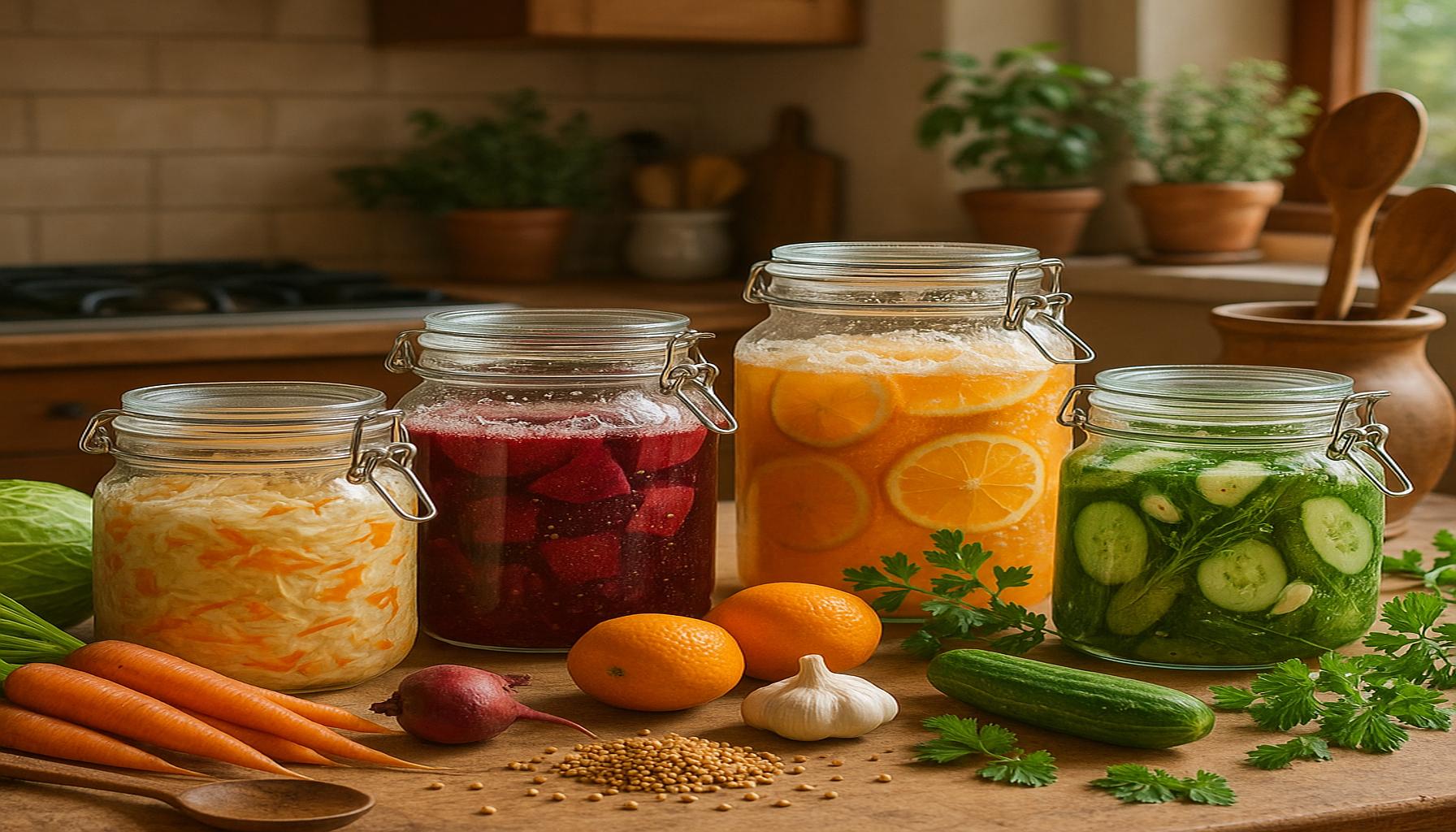
Consider experimenting with techniques like fermentation or pickling, which necessitate patience and mindfulness. The beauty of watching ingredients transform over time is rewarding, creating a strong bond with your food. These methods also tap into traditional culinary practices that many cultures celebrate, allowing you to connect with history while reaping significant mental health benefits.
The Joy of Sharing and Connection
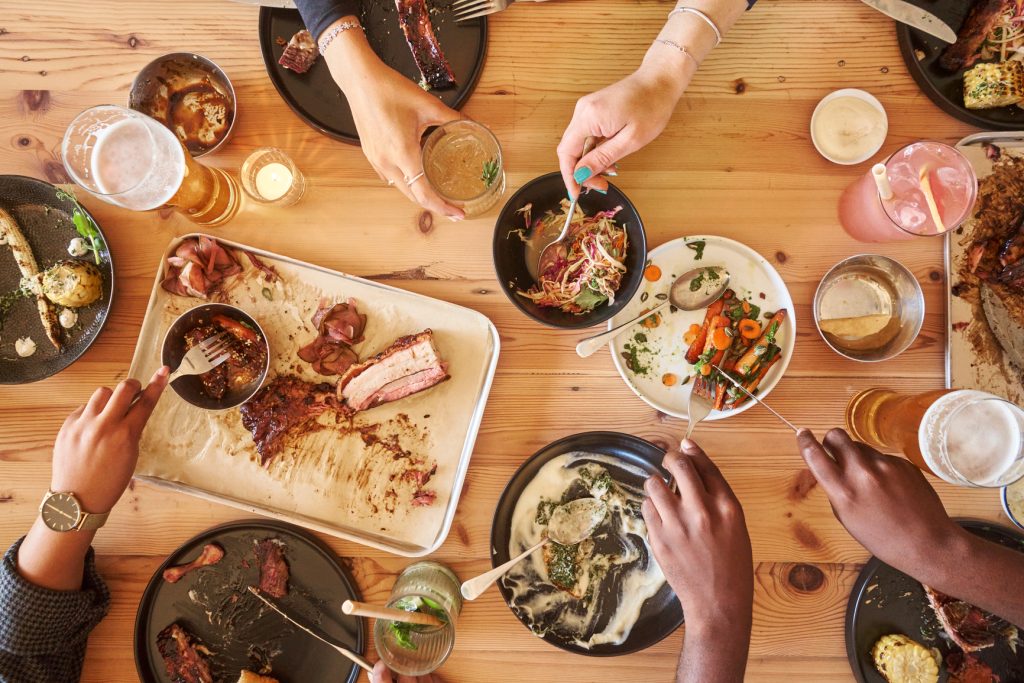
Finally, the act of sharing your culinary creations with others can elevate your mindful cooking practice. Invite friends or family to join you in the kitchen; cooking together fosters collaboration and connection. As you prepare the meal, share stories or engaging conversations, creating a holistic experience where food serves as a backdrop for intimacy and community.
Consider hosting a potluck or dinner party that celebrates seasonal ingredients, weaving a narrative of your meals. These gatherings not only allow you to showcase your culinary efforts but remove the isolation that often accompanies everyday cooking. You create lasting memories that further intertwine the act of cooking with the joy of togetherness.
By embracing these aspects of mindful cooking, you can cultivate a profound relationship not only with what you cook but also with those you share your meals with. Each bite becomes a conscious practice in healthfulness and harmony, turning meals into meaningful rituals that nourish more than just the body. The kitchen, thus, is transformed into a sanctuary where culinary exploration merges seamlessly with a mindful existence.
DISCOVER MORE: Click here to learn how music fosters community bonds
Conclusion
In an era where stress seems to be a constant companion, embracing mindful cooking offers a refreshing escape that goes beyond mere food preparation. This practice elevates cooking from a mundane chore to a form of meditation, fostering a deeper connection with both the ingredients and the process. By fully immersing ourselves in the sights, sounds, and scents of the kitchen, we not only enhance our culinary creations but also cultivate mindfulness that can pervade other aspects of our lives.
Experimenting with different cooking techniques, such as slow cooking or fermentation, opens avenues for patience and appreciation, allowing us to slow down and savor each moment. Furthermore, as we share our meals with loved ones, the joy of communal dining transforms our cooking endeavors into social rituals that enhance our emotional well-being.
Ultimately, the integration of culinary and mindfulness can serve as a powerful tool to reduce stress, improve focus, and nurture inner peace. By shifting our attention to the act of cooking, we learn to navigate life’s complexities with greater awareness and gratitude. So next time you step into the kitchen, remember that you are not just preparing a meal; you are crafting an experience that nourishes both body and mind, paving the way for a more balanced and fulfilling life.