Gardening as an Art Form: Landscaping Techniques and Creative Design
Understanding the Art of Gardening
Gardening transcends simple plant cultivation; it is a dynamic art form that marries creativity with nature. As you step into a beautifully landscaped garden, you witness a harmonious arrangement of color, shape, and texture that evokes emotions and inspires awe. This artistry is woven into the very fabric of outdoor spaces, encouraging individuals to express their creativity in ways that resonate deeply with their personal aesthetics.
In the United States, homeowners are increasingly embracing the concept of outdoor spaces as extensions of their living areas. No matter the size of the property—be it a sprawling estate in the suburbs or a compact urban yard—there are unique design techniques available that empower anyone to create a stunning environment. Here are a few key aspects to consider when crafting your own outdoor sanctuary:
- Landscape Design Principles: Essential principles such as balance, contrast, and unity play a crucial role in creating visually appealing spaces. For instance, using asymmetrical planting can introduce an organic feel while still maintaining balance through strategic placement of larger rocks or decorative features.
- Use of Color: Selecting a cohesive color palette that integrates flowers and foliage can dramatically transform any garden. Bright, vibrant blooms paired with softer greenery can create an inviting, energetic atmosphere. For example, planting sunflowers (Helianthus annuus) alongside lavender (Lavandula) can create a striking visual contrast while also providing beneficial habitats for pollinators.
- Hardscaping Elements: Incorporating pathways, patios, and walls can add both structure and interest to your garden. Materials such as natural stone or recycled pavers not only enhance visual appeal but can also guide visitors through the space, making it functional as well as beautiful. Thoughtful hardscaping can, for instance, delineate areas for relaxation versus cultivation.
- Native Plants: These plants are specially adapted to thrive in local conditions and play an important role in supporting local ecosystems. By selecting native species, gardeners can reduce water usage and create a more resilient garden. Examples include Black-eyed Susans (Rudbeckia hirta) and Coneflowers (Echinacea purpurea), both of which offer vibrant colors and attract native pollinators.
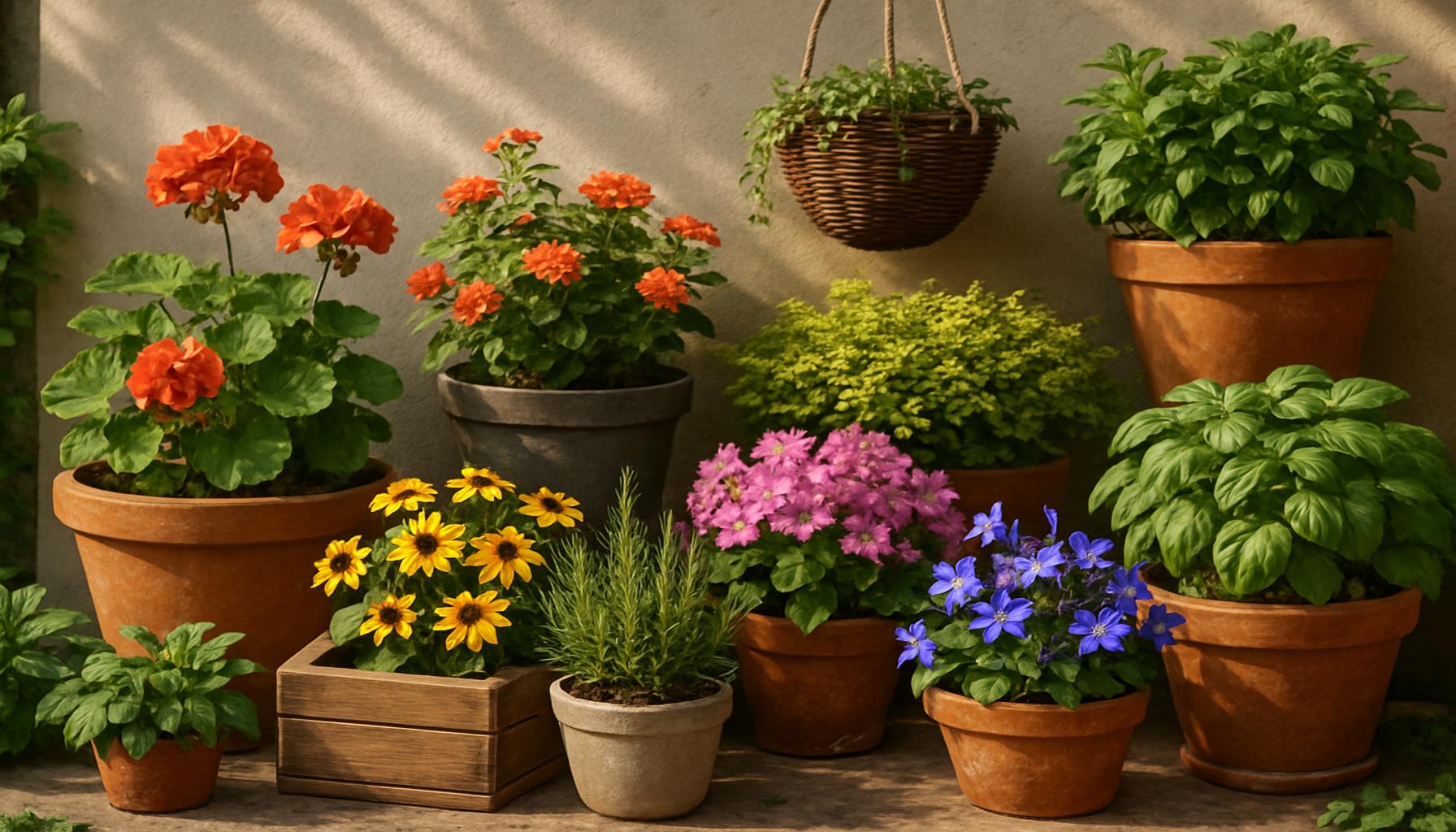
From the subtle elegance of a Zen garden to the bold statements made by Mediterranean designs, each gardening style reflects the owner’s personality and lifestyle. For instance, a cottage garden filled with a riot of colors and textures can speak to a free-spirited nature lover, while a minimalistic container garden might appeal to those with a more modern aesthetic.
As we delve deeper into the world of gardening techniques and creative design, prepare to unlock the potential of your outdoor space. Embrace the elements of gardening as not just physical activities but as avenues for expression and connection with the environment. Through exploration and practice, anyone can cultivate a garden that is not only beautiful but also deeply meaningful and sustainable.
DISCOVER MORE: Click here to dive deeper
Exploring Landscaping Techniques
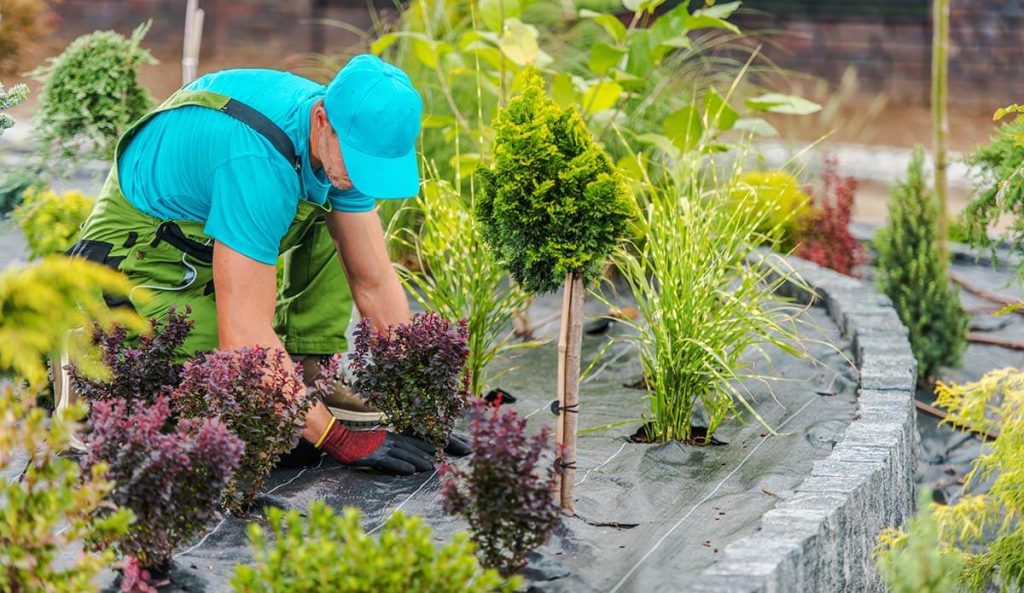
Landscaping is a vital aspect of bringing the art of gardening to life. It’s not merely about planting flowers or laying down sod; it encompasses a range of techniques and strategies that help frame the aesthetic of outdoor spaces. Understanding and applying these techniques can elevate a simple garden into a visually stunning artwork that invites interaction and enjoyment.
One of the foundational landscaping techniques involves the use of focal points. These striking elements draw the eye and create a sense of purpose within the garden. Focal points can be anything from a vibrant flowerbed to a quaint bench, or even a sculptural piece. Employing a contrasting color or height, such as a tall ornamental grass among low-lying plants, enhances the impact even further. The strategic placement of a shimmering birdbath or a well-placed tree can also amplify the visual experience of the garden.
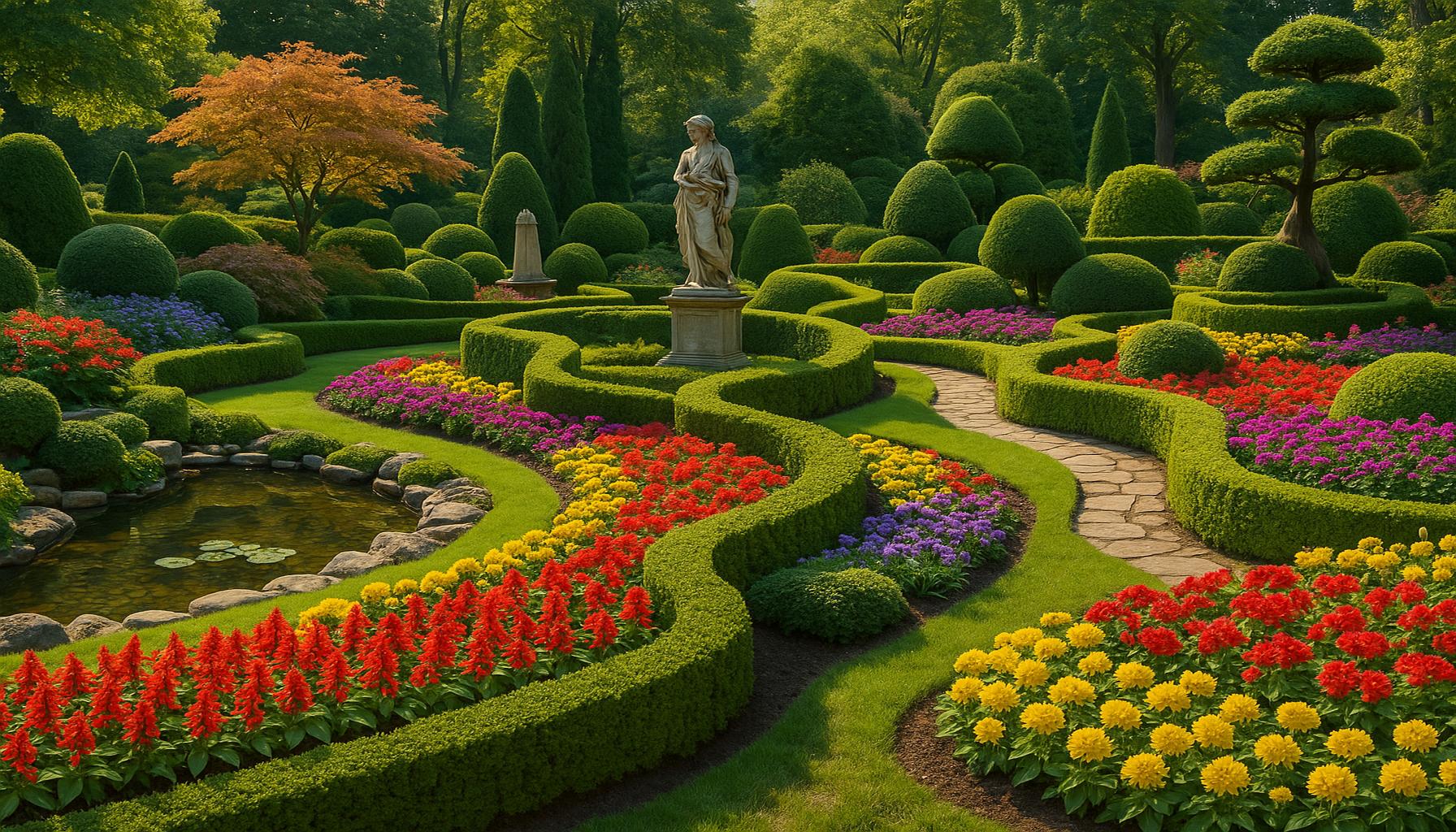
Another essential aspect of design is the flow of space. It is important to create pathways that not only lead visitors through the garden but also guide them on a journey of exploration. Curved pathways often offer a more organic feel than straight lines, mimicking the natural contours of the landscape. This invites a leisurely pace, encouraging one to pause and appreciate the smaller details along the way, such as blooming flowers or fluttering butterflies.
Additionally, layering is a technique that adds depth and dimension to a garden. By incorporating a variety of plants with differing heights—tall plants in the back, medium plants in the middle, and low-lying plants in the front—you create a rich tapestry of visual interest. This method not only enhances the appearance but also provides beneficial habitats for a diverse range of wildlife. For instance, when planting a shade garden, integrating tall hostas (Hosta spp.), medium ferns, and ground cover like moss creates an engaging three-dimensional landscape.
Planning for seasonal interest is also key to sustaining the beauty of your garden throughout the year. This concept involves selecting plant species that bloom in various seasons, ensuring that your garden vibrates with life and color at all times. Daffodils (Narcissus spp.) herald the spring, while perennial mums (Chrysanthemum) could provide striking autumnal hues. Such strategic planting showcases the garden’s dynamism, allowing it to evolve as the seasons change.
Incorporating sustainable practices into your design not only fosters environmental responsibility but can also enhance your gardening artistry. Utilizing organic mulches, rainwater collection systems, and xeriscaping methods can aid in efficient water management and promote biodiversity. Native plants, as mentioned earlier, will both flourish and cater to local wildlife, creating a living canvas that reflects the ecological identity of the region.
As we dive deeper into the realm of creative design, it becomes evident that the right landscaping techniques can transform any outdoor space into a personal sanctuary that invites contemplation, enjoyment, and connection with nature. Whether opting for a modern minimalist approach or a lush, eclectic design, your garden can become a reflection of who you are and how you interact with the world around you.
| Design Elements | Creative Techniques |
|---|---|
| Color Harmony | Utilizing a palette that enhances the aesthetic appeal of your garden. |
| Focal Points | Incorporating unique sculptures or water features to draw the eye. |
| Texture Variety | Mixing plants with different textures creates depth and interest. |
| Seasonality Planning | Choosing plants that bloom at different times ensures year-round beauty. |
As gardening enthusiasts delve deeper into the realm of creative design, understanding the significance of design elements becomes crucial. These elements play an essential role in transforming traditional gardens into masterpieces. Employing techniques that focus on elements such as color harmony not only enhances visual appeal but also influences the overall atmosphere of the garden. Using a cohesive color scheme allows different plants to work together, creating a stunning visual narrative.Additionally, integrating focal points like striking sculptures or captivating water features helps guide the viewer’s gaze, establishing a focal area that can evoke emotion and intrigue. The choice of materials and structures plays a vital role in how gardens are perceived, making these artistic considerations paramount.Moreover, diversifying textures invites visitors to engage not just visually but also through tactile experiences. Mixing smooth leaves with rough stones, for instance, adds depth, creating a more immersive environment. Understanding seasonality when selecting plants ensures that gardens maintain their allure all year long, allowing for continuous transformation and growth.With the fusion of artistry and gardening, individuals can explore new techniques to cultivate spaces that resonate deeply with both aesthetics and nature, turning every garden into a living canvas of creative expression.
DISCOVER MORE: Click here to delve into the impact of music on self-expression
Infusing Creativity into Garden Design
As we further unravel the artistic dimensions of gardening, it becomes clear that the element of creativity is what truly sets exceptional gardens apart from ordinary landscapes. Creativity in garden design allows for the innovative combination of colors, textures, and forms, resulting in a space that is uniquely personal and resonant with its surroundings. One powerful avenue of creativity is through the implementation of color theory in landscaping.
Color can dramatically affect emotions and perceptions, creating an atmosphere that is either tranquil or vibrant. By carefully selecting plant species based on their color profiles, gardeners can forge a striking visual narrative. For instance, cool tones of blues and greens can establish a sense of serenity, while warm tones like reds and yellows can invigorate and energize the space. This technique is exemplified in the famous Monet’s Garden at Giverny, where carefully curated flower combinations create a living palette that echoes the surrounding beauty.
Moreover, the use of textures can further enrich the garden experience. By mixing plants with varied leaf shapes, sizes, and surfaces, one can create an engaging visual and tactile environment. Consider combining smooth-leaved succulents with the ruffled foliage of coral bells (Heuchera) alongside the feathery fronds of ornamental grasses. This interplay of texture invites exploration, encouraging visitors to engage all their senses.
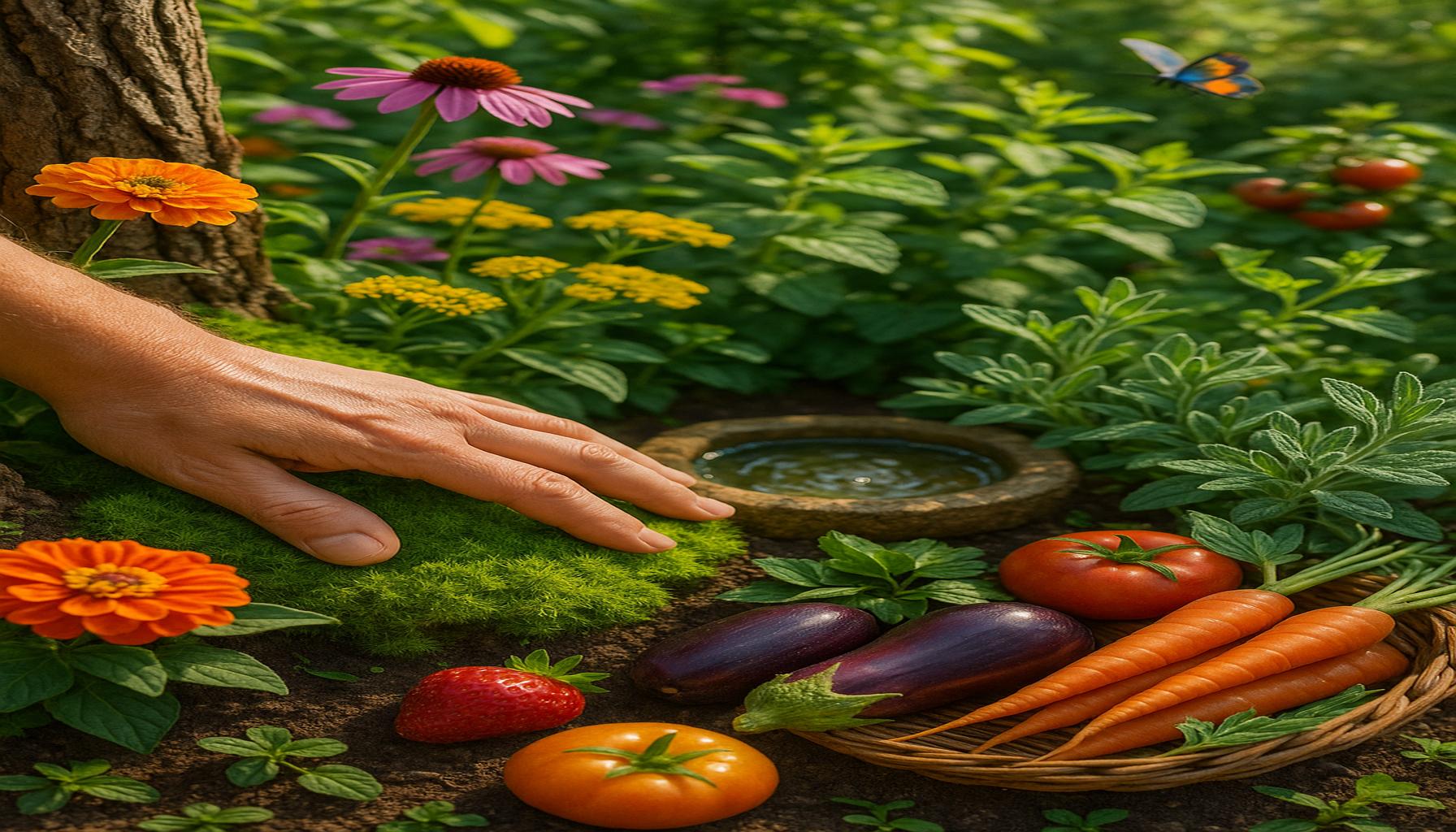
Another artistic technique involves the strategic use of theme gardens. These are specialized garden concepts that focus on specific ideas or historical references, allowing for imaginative storytelling through plants. A sensory garden, for instance, incorporates elements that stimulate the senses of touch, smell, and sight through fragrant herbs, textured foliage, and colorful blooms. Alternatively, a wildlife-friendly garden, designed to attract butterflies and bees, could utilize native plants while embracing sustainability, blending beauty and ecological purpose.
The incorporation of hardscape elements—non-plant materials such as walkways, walls, and patios—can also greatly enhance creative design. Use of natural stones, decorative boulders, or recycled materials can contribute to the overall aesthetic while providing functional pathways. For example, a winding stone path can induce curiosity, guiding visitors deeper into the garden’s hidden corners. Integrating garden structures like arbours, pergolas, or trellises adorned with climbing plants can further invite exploration and create intimate gathering spaces.
Furthermore, integrating art installations into your garden can transform it into a gallery of outdoor creativity. Sculptures, mosaic stepping stones, or even kinetic garden art can serve as subtler focal points, inviting reflection and interaction. Many artists and gardeners collaborate to create these immersive designs that provoke thought and inspire awe. For example, the annual Desert Botanical Garden in Phoenix features installations that intermingle art with native flora, showcasing how gardening can serve as a medium for artistic expression.
Finally, consider the influence of cultural gardening traditions on creative design. From Japanese zen gardens that promote tranquility to Mediterranean gardens that celebrate the sun’s warmth, cultural influences can offer a rich tapestry of ideas to draw from. By exploring various gardening styles and practices from around the world—such as the vertical gardens popularized in urban settings—you can incorporate dynamic new elements into your gardening journey.
In conclusion, integrating creative design elements into landscaping not only enhances the beauty of outdoor spaces but also reflects the gardener’s vision and personality. This artistry invites deeper appreciation for nature and offers an evolving landscape that harmonizes creativity with living beauty.
DISCOVER MORE: Click here to learn how music drives change
Conclusion: The Artistic Journey of Gardening
In exploring the intersection of art and nature, we uncover that gardening as an art form transcends mere plant cultivation; it transforms landscapes into personal expressions brimming with creativity and imagination. The techniques discussed, from the thoughtful application of color theory to the innovative use of textures and theme gardens, reveal the profound impact that design choices can have on the overall ambiance and experience of a garden space. By harmonizing these elements with practical hardscape features and engaging art installations, gardeners can craft immersive environments that invite reflection, exploration, and a deeper connection to the natural world.
Furthermore, understanding the influence of cultural gardening traditions adds an additional layer to the creative tapestry of landscaping. By incorporating diverse global practices, gardeners can expand their horizons and integrate a wide array of ideas into their own designs. Ultimately, embracing gardening as a form of artistic expression allows for a unique dialogue between the creator and the canvas of nature. As communities in the United States and around the world continue to evolve, the artistry of garden design will remain an ongoing journey that not only beautifies but also nurtures both the spirit and the environment.
As you embark on your own gardening adventure, remember that each plant, each stone, and each choice you make contributes to a living masterpiece. Let your creativity flow, and take inspiration from the world around you to cultivate an outdoor sanctuary that resonates with your personal story and artistic vision.