Gardening Techniques for Beginners: Creating a Green Space Without Complications
Embrace Your Green Thumb
Starting your gardening journey can be both exciting and daunting. However, with the right gardening techniques, even beginners can cultivate a lush, vibrant green space. Gardening can transform any area, whether you have a small balcony or a sprawling backyard, into a flourishing oasis teeming with life and color. The potential rewards of this fulfilling hobby extend far beyond aesthetics.
Key Benefits of Gardening
Engaging in gardening not only beautifies your surroundings, but it also offers numerous benefits that can enhance your overall well-being:
- Stress relief: Spending time in nature has been shown to lower stress levels and promote relaxation. Studies suggest that interacting with plants and soil can reduce cortisol, a hormone associated with stress. Just a few minutes spent digging, planting, or tending to your garden can bring a profound sense of peace.
- Sustainability: Growing your own plants helps reduce your carbon footprint. Home gardening significantly contributes to environmental sustainability. By cultivating your own vegetables, you lessen the demand for store-bought produce that often comes with excessive packaging and transportation emissions. This practice also encourages biodiversity and supports local ecosystems.
- Healthy lifestyle: Gardening encourages physical activity and promotes better nutrition. Tending to a garden can burn significant calories, providing a fun way to integrate exercise into your routine while also enabling you to enjoy fresh, organic produce right from your own backyard. Whether it’s tomatoes, cucumbers, or kale, homegrown vegetables are nutrient-rich and free from harmful pesticides.
Simple Techniques to Get You Started
By implementing a few basic techniques, you can create a green space without overwhelming complexity. Consider these helpful tips:
- Start small: Begin with a manageable area to avoid feeling intimidated. This could be as simple as a couple of pots on your balcony or a small flowerbed in your yard. Limited space will help you gain confidence as you learn the basics of plant care.
- Select easy-to-grow plants: Opt for beginner-friendly varieties such as herbs like basil, mint, or parsley. These plants are often forgiving and can thrive indoors, making them ideal for novice gardeners. Additionally, low-maintenance perennials like daylilies or coneflowers can provide long-lasting blooms with minimal upkeep.
- Utilize raised beds: Raised beds can simplify planting, weeding, and harvesting. They allow for better drainage, reduce soil compaction, and can be tailored to your height for easier access. This method is perfect for individuals who may have limited mobility or those looking to maximize their growing efficiency.
As you delve deeper into the world of gardening, remember that it is a journey of discovery. With patience and practice, you will uncover the joys and satisfaction that come from nurturing your own green sanctuary. Each seed planted is not just a step towards cultivating a beautiful garden, but also a commitment to a more sustainable and enriching lifestyle.
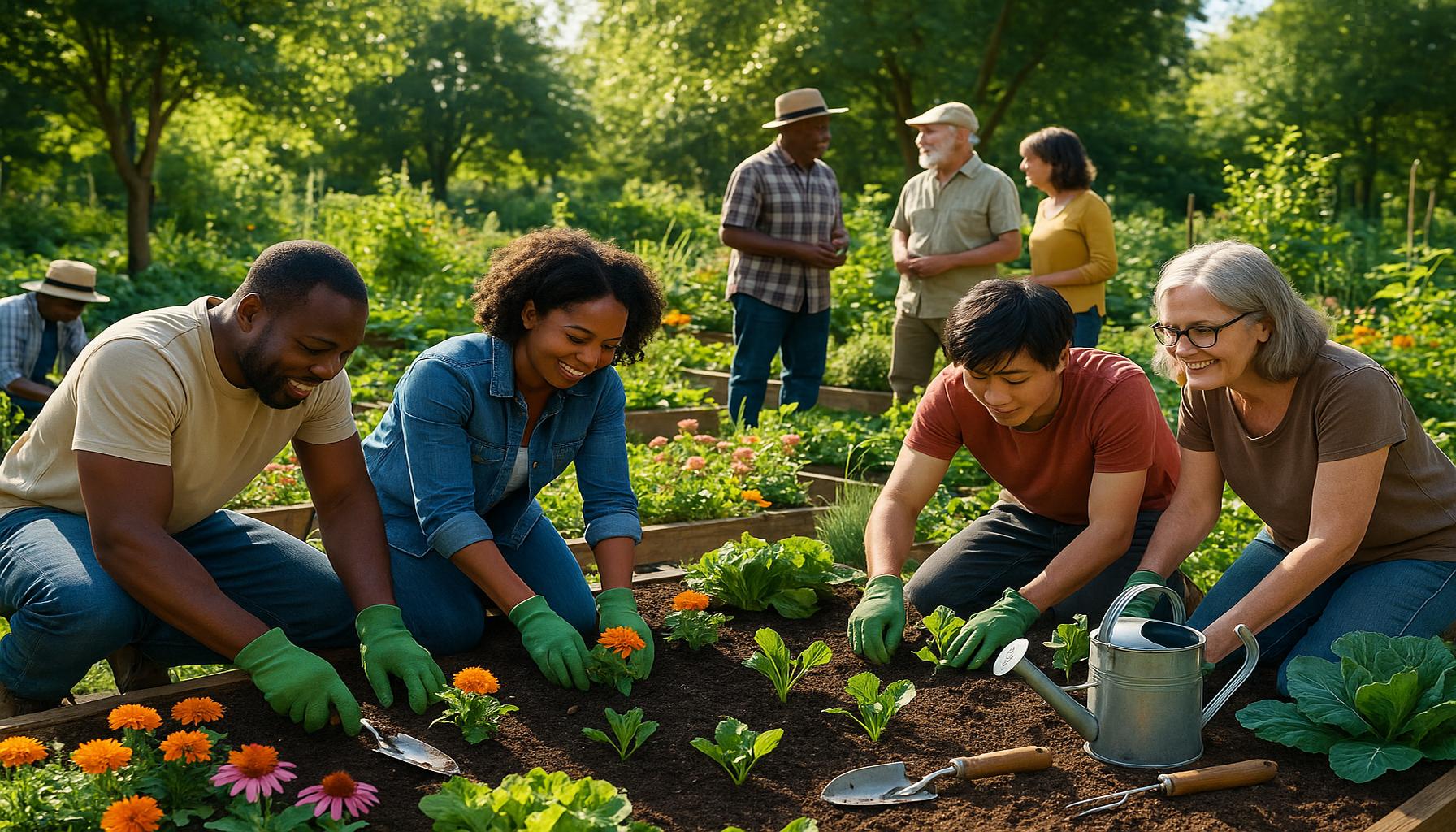
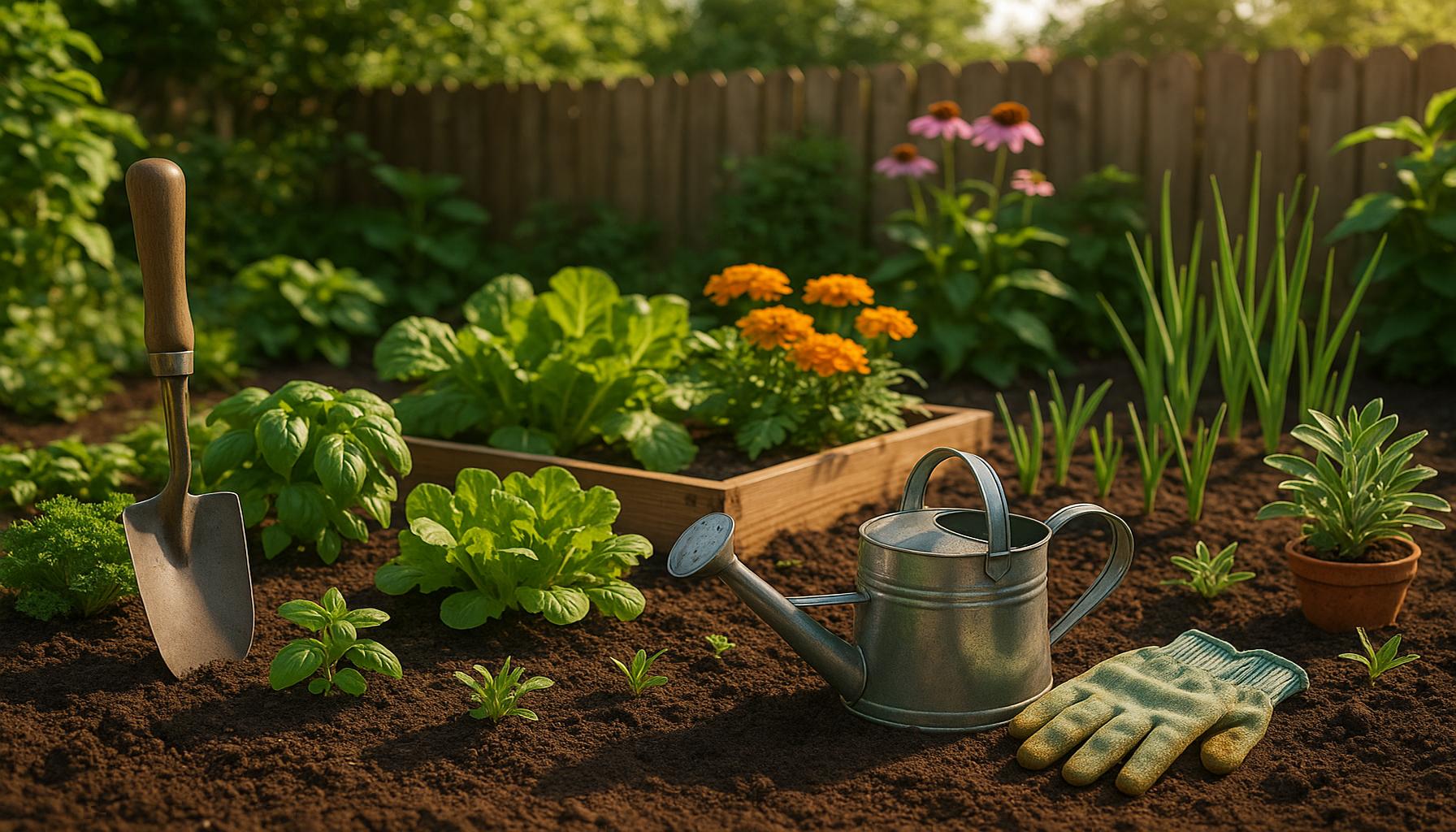
So grab your gloves, gather your tools, and join the immense community of gardeners who are transforming their spaces, one plant at a time. The world of gardening awaits you with open arms!

DIVE DEEPER: Click here to discover the impact of music on memories
Essential Gardening Techniques for New Gardeners
As you embark on your gardening adventure, it’s crucial to equip yourself with some fundamental techniques that can streamline the learning process and bolster your success. With a variety of aspects to consider, from soil preparation to planting schedules, understanding these basic elements lays the groundwork for a thriving garden, whether it’s a small balcony or a spacious backyard.
Understanding Soil Basics
The foundation of any garden starts with the soil. Healthy soil is essential for robust plant growth, as it provides nutrients, anchors roots, and retains moisture. To create an optimal environment for your plants, you need to:
- Test your soil: Many garden centers and extension services offer soil testing kits to assess pH levels and nutrient composition. This knowledge can guide you in improving soil quality, either through amendments or fertilizers.
- Improve soil structure: If your soil is heavy clay or overly sandy, consider adding organic matter like compost. This material enriches the soil, enhances drainage, and helps retain moisture, fostering a healthier growth environment.
- Mulching: Adding a layer of mulch around your plants can regulate soil temperature, suppress weeds, and retain moisture, making it a valuable technique for maintaining a productive garden.
Creating a Watering Routine
Watering is another aspect of gardening that can oftentimes be overlooked, yet it’s vital to ensure your plants thrive. Developing a consistent watering routine can prevent plant stress and disease:
- Know your plants: Different plants have varying water needs. Research the requirements of your chosen species—succulents might be fine with less water, while leafy greens may require more frequent watering.
- Water deeply and less frequently: It’s beneficial to water plants intensely but less often, encouraging deep root growth. This practice fosters stronger plants that can withstand drought conditions.
- Consider the time of day: Early morning is the best time to water your garden. At this time, evaporation is lower, and your plants can effectively absorb moisture before the heat of the day sets in.
Learning Plant Companionship
Understanding plant companionship can make a significant difference in your gardening outcomes. Some plants thrive when grown together, while others may compete for nutrients or shade one another:
- Companion planting: Examples include growing tomatoes with basil, which both repel pests and enhance each other’s flavors, or pairing carrots with onions, which can deter harmful insects.
- Crop rotation: This practice involves changing the types of plants in a specific area each season to prevent soil depletion and control pests. It’s particularly useful for vegetable gardeners and can dramatically improve yield.
As you implement these techniques, be patient and open to learning. Gardening is a trial-and-error process that requires adaptability and resilience. With every new endeavor, you’ll uncover valuable insights that will enhance your green space, allowing your garden to become a sanctuary of beauty and sustenance.
Exploring Effortless Gardening Techniques
Creating a green space can often seem daunting, but gardening techniques designed for beginners can simplify the process. Learning the fundamentals of plant selection, soil management, and efficient watering practices empowers novices to cultivate a flourishing garden without unnecessary complications. Let’s dive deeper into some effective methods that will make gardening accessible for everyone.
1. Raised Bed Gardening
Raised beds are a perfect introduction for beginner gardeners. They provide well-drained soil, easier access, and help with weed control. By elevating the garden bed, it minimizes back strain and can extend the growing season. In addition, you can control the soil quality, ensuring optimal conditions for your plants.
2. Companion Planting
Companion planting is a technique where certain plants are grown together to enhance growth, deter pests, or even improve flavors. This natural synergy simplifies pest management and can result in healthier plants, significantly reducing the need for chemical interventions.
3. Drip Irrigation Systems
Utilizing drip irrigation systems can drastically cut down on water waste while ensuring that plants receive the moisture they need. This system is ideal for novices, allowing for automated watering schedules that save time and effort. It can also prevent diseases that result from over-watering.
Table of Advantages
| Category 1 | Category 2 |
|---|---|
| Raised Bed Gardening | Increases soil quality, reduces pest issues, simplifies access |
| Companion Planting | Enhances growth, deters pests naturally, less reliance on chemicals |
| Drip Irrigation Systems | Conserves water, automates scheduling, prevents over-watering |
By incorporating these techniques, you can transform your space into a thriving garden without the chaos typically associated with growing your own plants. Exploring these beginner-friendly practices opens new avenues for enriching your gardening experience.
DISCOVER MORE: Click here to dive deeper into the role of musical improvisation
Advanced Techniques to Elevate Your Gardening Experience
As you grow more comfortable with the basic techniques of gardening, you may wish to explore some advanced techniques that can significantly enhance your green space while keeping complications at bay. These methods often promote sustainability and can lead to a more rewarding gardening experience.
Implementing Raised Garden Beds
One highly effective method for beginners is the use of raised garden beds. These structures elevate your planting area above ground level, providing numerous advantages:
- Soil control: With raised beds, you have complete control over the soil quality, allowing you to tailor the mix to best suit your plants. This is especially beneficial for those with poor native soil.
- Better drainage: Raised beds can prevent waterlogging by enabling efficient drainage, which is vital for root health, especially in regions that experience heavy rainfall.
- Ease of access: These beds can be constructed to a height that reduces strain on your back and knees, making gardening accessible for individuals of all ages and physical abilities.
Exploring Vertical Gardening
For those with limited space, a vertical garden is an excellent way to maximize your area while adding visual interest and diversity to your garden:
- Wall planters and trellises: These structures allow you to grow climbing plants like peas, cucumbers, and even flowering varieties like morning glories, which can brighten up any vertical space.
- Container gardening: Use pots and containers that can be stacked or hung. This technique is perfect for herbs, strawberries, and other small plants, giving you the pleasure of harvesting fresh produce without the need for extensive ground space.
- Regulating pests: Vertical growth can help reduce pest problems, as it increases airflow around plants while minimizing touchpoints with ground-dwelling pests.
Mastering Seasonal Planting Techniques
Understanding when and how to plant according to the seasons is fundamental for maximizing your garden’s potential. Seasonal planting techniques allow for a continuous harvest:
- Staggered planting: Plant crops in succession—such as sowing a new batch every two weeks. This practice ensures that as one planting matures, another is ready for harvest, extending your growing season.
- Seasonal vegetables: Familiarize yourself with the types of plants that flourish in each season. Cool-season crops like kale and radishes can be sown in early spring or fall, while warm-season favorites like tomatoes thrive in summer. This knowledge can lead to a fruitful calendar year round.
- Interplanting: Consider grouping plants with different growth rates; faster-growing varieties like lettuce can be planted alongside slower crops like tomatoes. This not only maximizes your yield but also optimizes space usage and minimizes weed growth.
As you delve deeper into these advanced gardening techniques, remember that experimentation is key. Don’t hesitate to modify these methods to fit your unique space and preferences. Each small trial will build your confidence and contribute to the success of your gardening journey, making it even more fulfilling and enjoyable.
DISCOVER: Click here to enhance your character development skills
Conclusion: Cultivating Your Own Green Oasis
In conclusion, embarking on a gardening journey as a beginner can be both rewarding and straightforward when equipped with the right gardening techniques. From mastering the basics of soil health and watering to exploring advanced concepts like raised garden beds, vertical gardening, and seasonal planting, each method you adopt enriches your experience while nurturing your green space.
As you cultivate your personal garden, remember that patience and experimentation are vital components of the learning process. What works in one area or season may not yield the same results elsewhere, and that’s perfectly okay. Use each gardening cycle as an opportunity to gather insights about your plants, local climate, and soil conditions. By adapting these beginner-friendly techniques to your unique environment, you’ll find joy not just in the fruits of your labor but also in the journey itself.
Don’t shy away from resources, communities, and literature that can guide you along the way; the gardening community is rich with knowledge and support. Whether you are growing herbs on a windowsill or organizing a robust vegetable garden in your backyard, every green retreat has the potential to become a sanctuary. So roll up your sleeves, embrace the dirt, and let your green thumb flourish as you transform your space into a thriving garden of well-being!