Sensory Gardening: Creating a Space that Stimulates All Five Senses
The Allure of Sensory Gardening
Just picture a garden where your senses are fully awakened. Sensory gardening is a creative approach that engages all five senses—sight, sound, touch, taste, and smell—inviting individuals of all backgrounds to immerse themselves in nature. This vibrant experience not only promotes visual beauty but also nurtures mental well-being, making it particularly appealing for various communities across the United States.
In an environment increasingly bombarded by visual stimuli from screens and advertisements, sensory gardens provide a peaceful sanctuary. But how can you cultivate this immersive space? Here are some essential features to consider that will help you craft an engaging sensory garden:
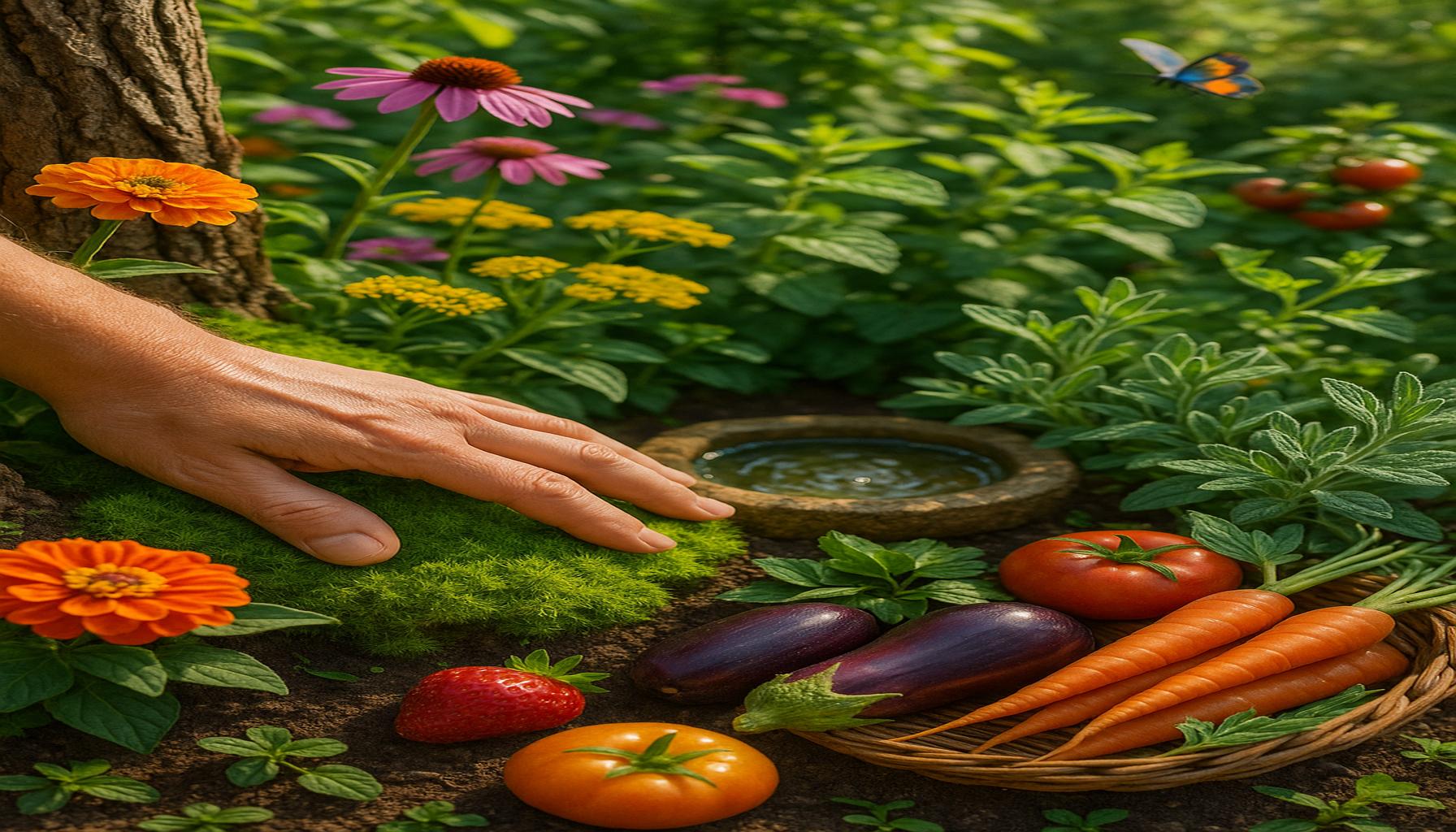
- Sight: Use a stunning palette of colorful flowers, like daisies, sunflowers, and zinnias, mixed with striking foliage such as variegated hostas or deep purple kale. Consider incorporating seasonal blooms to ensure that there’s always something visually captivating throughout the year.
- Sound: Enhance the auditory landscape by adding wind chimes that gently clink in the breeze or a meandering stream that creates a calming rush of water. Birds will be attracted to feeders, adding delightful songs to the mix. Consider planting grasses that rustle in the wind, contributing to the soothing atmosphere.
- Touch: Introduce a variety of textures within your plant selections. Soft lamb’s ear provides a velvety sensation, while tough, rugged bark from trees like birches offers a contrasting texture. Create pathways with different materials, like smooth pebbles or cool tiles, encouraging visitors to explore with their hands and feet.
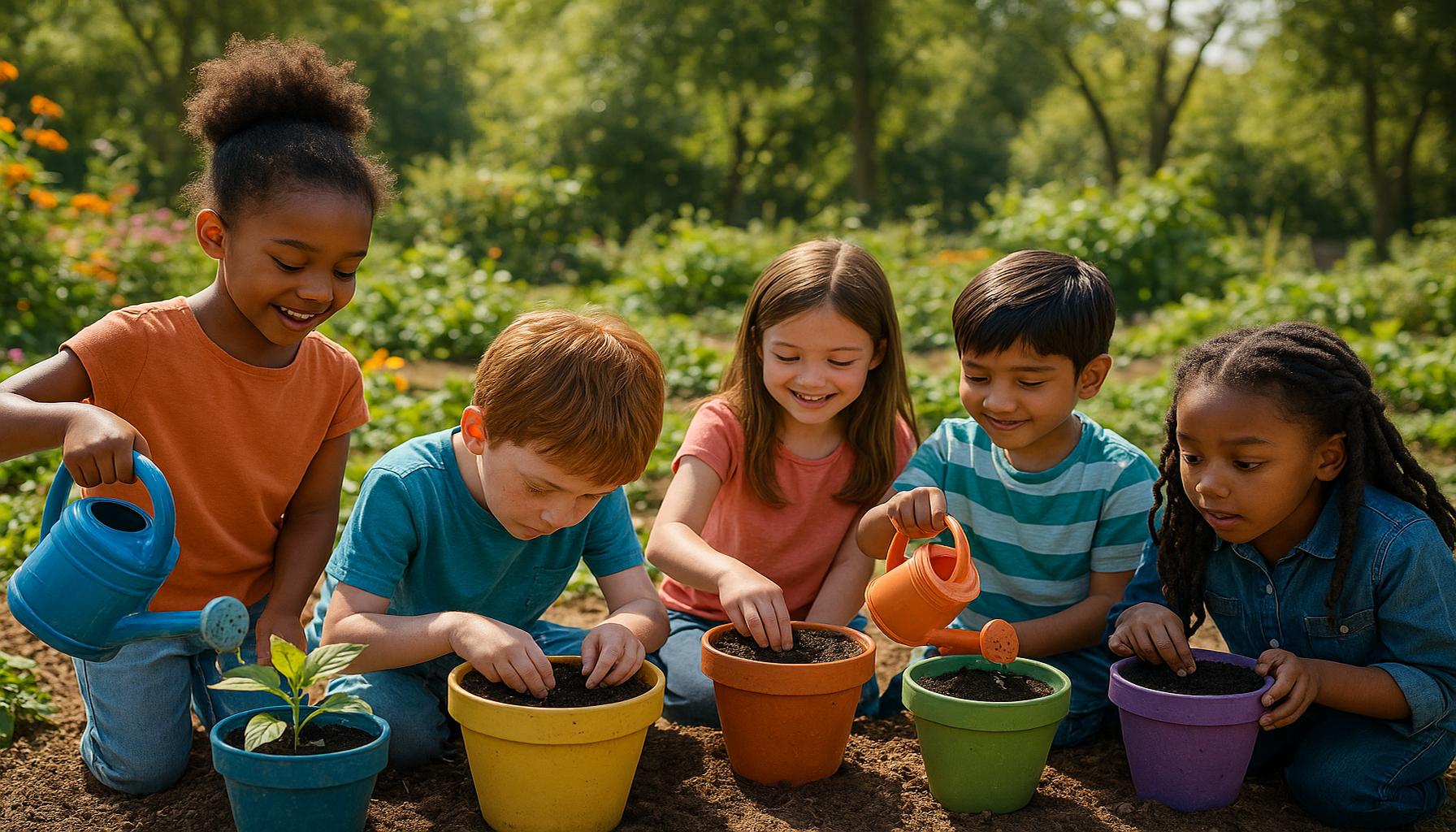
- Taste: Create a delightful culinary experience by cultivating herbs like basil, rosemary, and thyme, as well as fruit-bearing plants such as cherry tomatoes or strawberries. This not only allows for fresh flavors to be savored but can be a fun educational opportunity for children learning about where food comes from.
- Smell: Fragrant plants such as lavender, jasmine, and mint will draw visitors into your garden. The strategic placement of these aromatic blooms, particularly near seating areas, maximizes their sensory impact, enveloping guests in a tranquil fragrance that can evoke feelings of calm and happiness.
By skillfully integrating these elements, you can create a garden that transcends mere aesthetics into a multi-sensory experience. Notably, sensory gardens have been shown to increase relaxation, creativity, and emotional well-being. As gardening trends rise, embracing sensory gardening opens avenues for exploration and community engagement, making it a rewarding pursuit that can enrich the lives of those who visit.
Whether you are an avid gardener or a curious novice, embarking on this journey into sensory gardening offers an opportunity to connect with nature deeply, enhance your personal space, and promote well-being in your community.
DIVE DEEPER: Click here to expand your writing horizons
Designing Your Sensory Garden: Key Elements to Consider
Creating a sensory garden involves a thoughtful balance of plants, materials, and features that engage all five senses in delightful ways. The beauty of a sensory garden lies in its ability to cater to diverse audiences, including children, the elderly, and individuals with sensory processing disorders. Whether it’s a public park, a schoolyard, or a personal backyard oasis, implementing specific design elements can significantly enhance the sensory experience.
Engaging the Sense of Sight
The visual component of sensory gardening is perhaps the most straightforward yet impactful. Begin by selecting plants that offer a broad spectrum of colors. Incorporate brightly colored flowers such as marigolds, petunias, and peonies during warmer months, and consider evergreens to maintain vibrancy even in winter. Adding visual interest can also be achieved through the strategic use of vertical elements like trellises adorned with climbing vines such as clematis and passionflower. Aim for variety; contrasting leaf shapes and sizes will draw the eye and spark curiosity.
Creating Soothing Sounds
Sound enhances the environment of any garden, transforming it into a symphony of natural melodies. To amplify auditory pleasures, place water features like fountains or ponds, where the gentle trickle of water adds an element of tranquility. Incorporate plants like bamboo or tall grasses that can sway and rustle with the wind, enriching the garden’s acoustic landscape. Additionally, strategically placed bird feeders can attract songbirds and create a lively chorus, further engaging visitors in the natural world.
Encouraging Touch
Sensory gardening should invite hands-on exploration. Select a range of textures by incorporating plants like catmint, lamb’s ear, and cacti, each offering unique tactile experiences. Consider laying paths made from different materials such as smooth stones, rough mulch, or even soft grass to encourage wanderers to feel the ground beneath their feet. Adding tactile elements such as a garden sculpture or textured walls can also entice guests to stop and explore with their hands.
Exploring Taste
The culinary aspect of a sensory garden adds a delicious twist to the experience. Growing food plants not only brings unique flavors to the garden but serves as an educational tool. Include vegetable patches with spinach, peppers, and herbs that visitors can taste and smell directly from the plant. This interaction can foster an appreciation for where produce comes from, encouraging healthy eating and cooking. Engaging the community in tastings or recipe sharing can turn the garden into a hub of social interaction, deepening connections between visitors.
Embracing Smell
Finally, the aromatic nature of the garden can ignite memories and emotions. Consider incorporating fragrant plants such as roses, lilacs, and citrus trees. Positioning them near seating areas allows guests to pause, breathe in, and absorb the delightful scents. Experiment with herbs like basil and mint that are not only fragrant but useful in culinary applications, ensuring visitors leave with more than just a pleasant memory—they take home the possibility of creating their own sensory experiences.
By meticulously weaving these sensory elements together, you can cultivate an immersive environment that speaks to visitors’ hearts and minds alike. Whether you opt for plants that please the eyes, sounds that soothe, or fragrances that captivate, the potential for exploration, education, and emotional enrichment in sensory gardening is boundless.
Sensory Gardening: Engaging All Your Senses
Sensory gardening is more than just a trend; it’s an approach that transforms ordinary gardens into extraordinary experiences. By incorporating elements that stimulate sight, smell, sound, touch, and taste, gardeners can create immersive environments that promote relaxation and well-being. Research indicates that such gardens can enhance mental health, reduce stress, and even improve cognitive function.
To engage the sense of sight, consider selecting vibrant flowers with varying colors and textures. Plants like purple coneflowers, yellow sunflowers, and red geraniums provide a visual feast throughout the seasons. Additionally, incorporating reflective elements such as mirrors or water features can further intrigue the eye.
Smell plays a crucial role in the sensory garden. Fragrant herbs like lavender, mint, and rosemary not only offer delightful aromas but also entice visitors to engage directly with the plants. Pair these with aromatic flowers such as jasmine or gardenias to create a captivating olfactory experience.
The sense of sound can be beautifully incorporated using wind chimes, water features, or birdsong. Adding elements that produce gentle sounds enhances tranquility and draws visitors into a calming atmosphere. Installing a small fountain can not only create soothing sounds but also attract birds, enriching the overall experience.
Touch is encouraged through varied textures in the garden. Plants such as lamb’s ear, with its velvety leaves, or fuzzy succulents invite interaction. Pathways made from different materials, like gravel, wood chips, or stepping stones, can also enhance the tactile experience as one moves through the garden.
Lastly, incorporating edible plants engages the sense of taste. Growing fruits, vegetables, and herbs not only fulfills a need for nourishment but also encourages individuals to connect with nature on a deeper level as they harvest their own food. This mind-body connection fosters appreciation and a profound sense of belonging to the earth.
In essence, creating a sensory garden is about influencing emotion and well-being through diverse elements that stimulate the senses. As interest in mental health and holistic living grows, more people are discovering the joy of designing spaces that engage every sense. Explore how you can advance your garden design to embrace a rich tapestry of sensory experiences.
| Advantage | Description |
|---|---|
| Improved Mental Health | Engaging all five senses fosters relaxation and emotional well-being. |
| Enhanced Creativity | Varied sensory stimuli can inspire innovative thoughts and artistic expression. |
DISCOVER MORE: Click here to learn about the role of musical improvisation
Enhancing the Sensory Experience Through Innovative Design
In addition to the foundational elements of plants and textures, the design of a sensory garden can be further enhanced by incorporating innovative features that stimulate all five senses. By creating layered experiences and thoughtful interactions, garden designers can craft vibrant spaces that offer unique appeals and encourage immersive engagement.
Integrating Light and Shadow
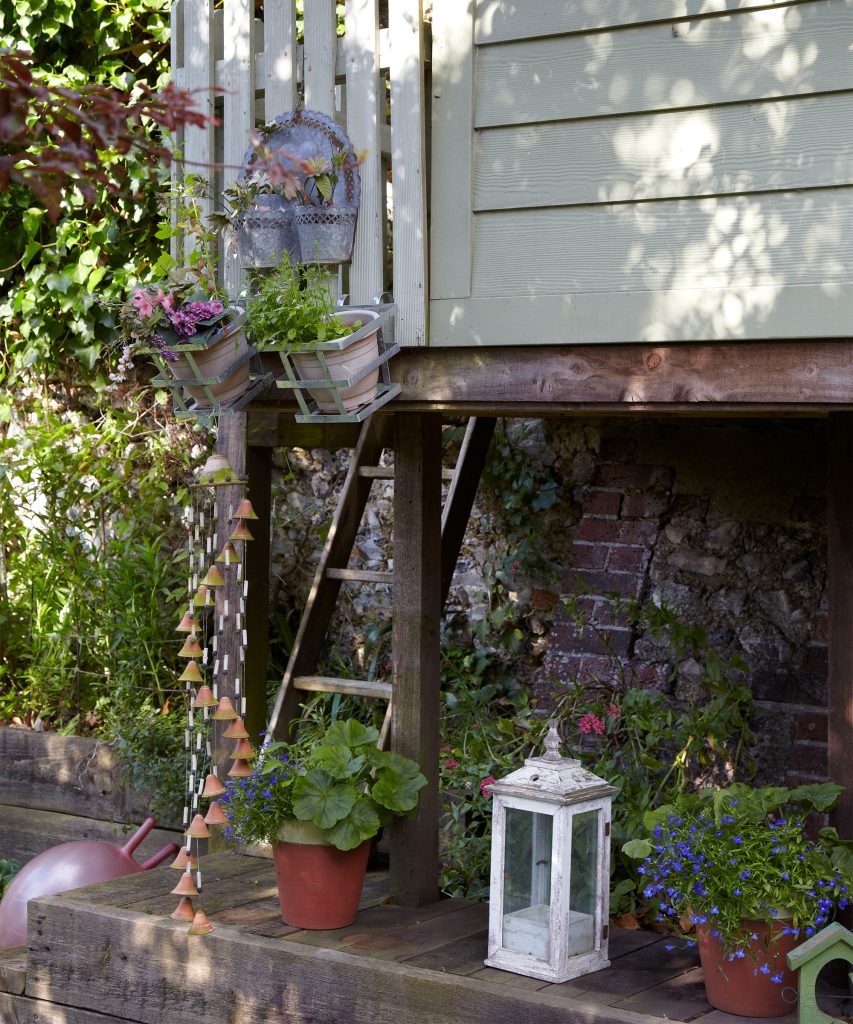
Light plays a critical role in shaping the sensory experience within a garden. Consider the time of day and the changing angles of sunlight as you design your space. To enhance visual appeal, strategically position features such as solar lights or colorful lanterns that illuminate pathways during the evening hours, creating a warm and inviting atmosphere. Shade can be equally inviting; install areas of respite through the use of pergolas draped with vines or large shade trees that provide cool retreats during hot summer days. Both light and shadow can create moods and guide movement through the garden, encouraging exploration and discovery.
Interactive Elements for Dynamic Engagement
Engagement can be taken a step further by including interactive features that invite visitors to participate. Create a mud kitchen for children where they can mix natural ingredients from the garden, such as soil, leaves, and petals, fostering creativity and sensory learning. Sensory touch panels made from diverse materials—such as wood, rubber, and metal—can be installed along pathways, inviting passersby to explore without restraining their curiosity. Incorporating sound-making installations, such as wind chimes or musical instruments crafted from natural materials, transforms the garden into a soundscape that changes with the environment, encouraging playfulness and exploration.
Creating Safe Exploration Paths
Gardens are best appreciated when visitors feel invited to roam freely. To promote exploration, paths can be designed to be inclusive and engaging for individuals of all ages and abilities. Implement clear and colorful signage that encourages visitors to touch, smell, and interact with their surroundings. Use wide, accessible paths made from varied materials, leading them to hidden nooks or seating areas that provide respite and reflection. Incorporating sensory trails with elements such as scented plants, textured stepping stones, and soft grasses invites visitors to literally feel their way through the garden.
Encouraging Seasonal Changes
A sensory garden should not be static; embracing seasonal changes adds a dynamic layer to the experience. Strategically planting for year-round engagement involves showcasing blooms that emerge in different seasons. As spring tulips give way to summer sunflowers, which yield to autumn’s harvest of pumpkins and gourds, each phase of flowering or fruiting creates new opportunities for interaction. Additionally, using evergreens or plants like hellebores and witch hazel can maintain visual interest during winter months. This cyclical nature invites visitors to return, ensuring that each visit offers something new to observe, smell, taste, and touch.
Incorporating Educational Opportunities
Finally, consider how the garden can serve as an educational backdrop for all ages. Set up areas that promote learning through hands-on experiences, such as herb workshops, nature crafts, or gardening classes. These learning opportunities can teach visitors about the ecological value of plants while providing practical knowledge. Sustainable gardening practices, such as composting, rainwater collection, or pollinator gardens, can engage the community in discussions about environmental stewardship, making the sensory garden a hub of knowledge and interaction.
By embracing these innovative design principles, you can create a sensory garden that is not just a visual spectacle but a holistic environment where every sense is invited to participate, learn, and grow. Whether fostering community connections or providing a safe haven for exploration, a thoughtfully designed sensory garden offers boundless possibilities for enrichment and joy.
Dive deeper: Click here to discover more
Conclusion: The Transformative Power of Sensory Gardening
In essence, sensory gardening is a captivating approach that transcends conventional gardening by creating a space that engages all five senses. From the vibrant colors of blooming flowers that catch the eye, to the varied textures and aromas of diverse plants that invite touch and smell, every element plays a crucial role in enhancing our connection with nature. Furthermore, innovative design strategies such as the incorporation of light, interactive features, and educational opportunities can transform an ordinary garden into a multi-sensory playground.
As you design or visit a sensory garden, consider the profound impact that seasonal changes and dynamic engagement can have on your experience. This space is not merely a place to observe but a sanctuary for exploration, interaction, and reflection. By thoughtfully integrating sound installations and safe pathways, the garden becomes more accessible, welcoming individuals of all ages and abilities to partake in the sensory delights it offers.
Ultimately, a well-crafted sensory garden serves not only as a feast for the senses but as a catalyst for community and environmental consciousness. It invites visitors to learn, share, and appreciate the wonders of the natural world, fostering connections that echo far beyond its borders. As interest in sensory gardening continues to grow, let us embrace the myriad possibilities it presents—creating lush spaces where nature and humanity beautifully intertwine