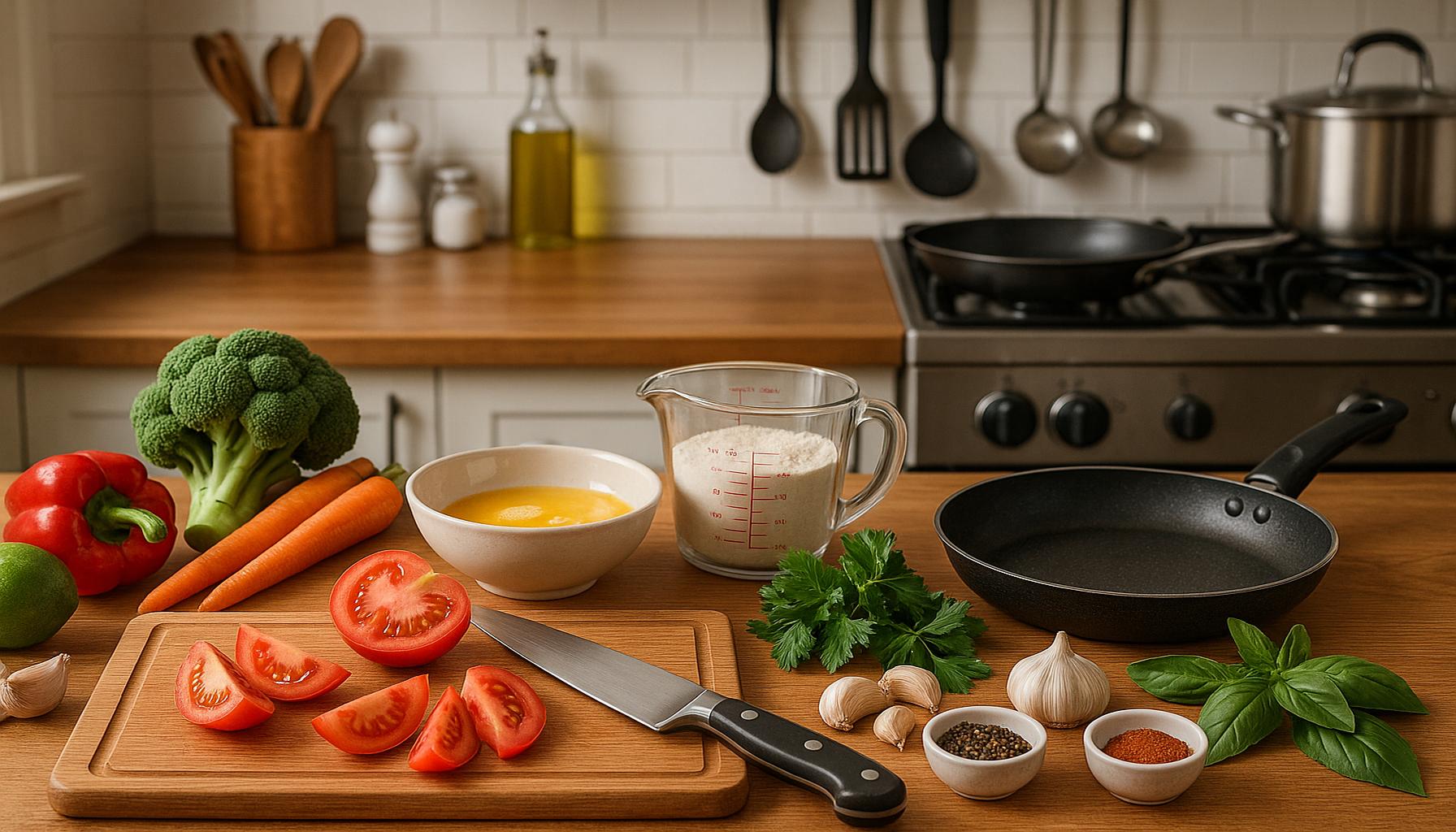
Homemade Fermentation: Turning Ingredients into Artisan Delights
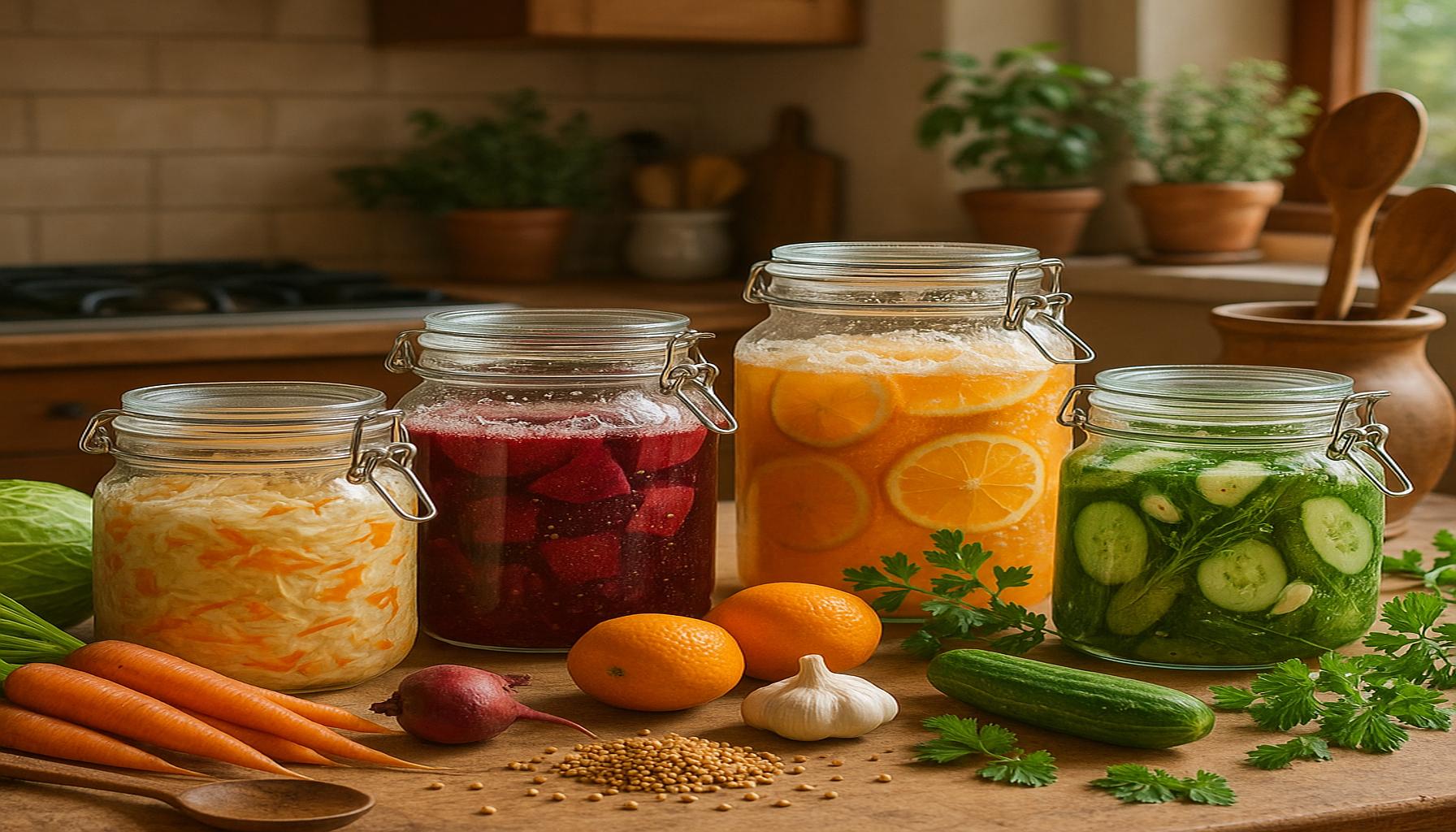
Reviving an Ancient Tradition
In recent years, the art of homemade fermentation has transitioned from niche hobby to a mainstream culinary trend that has captivated countless kitchens across the United States. This age-old process does much more than merely preserve food; it transforms everyday ingredients into an explosion of flavor and health benefits. The beautiful journey of fermentation invites everyone—from culinary novices to seasoned chefs—to embark on an enchanting adventure where creativity knows no bounds.
Artisan Creations Through Fermentation
The fermentation process can yield a remarkable array of products that enrich our palates and gastronomic experiences. Among the most popular artisan creations are:
- Kombucha – This effervescent brew is not only a refreshing beverage but also a powerhouse of probiotics, revered for supporting gut health and digestion.
- Sauerkraut – Originating from Germany, this tangy fermented cabbage has secured its place in American deli culture, often served as a zesty condiment on hot dogs and sausages.
- Kefir – A tangy, creamy drink that resembles yogurt, kefir is rich in beneficial bacteria and nutrients, and is frequently consumed as a smoothie base or standalone refreshment.
- Kimchi – With its roots in Korean cuisine, this spicy fermented vegetable medley—a delightful mix often featuring cabbage, radishes, and spices—is burgeoning in popularity within the U.S., elevating dishes from tacos to rice bowls.
- Pickles – The quintessential snack or picnic companion, pickles come in various styles, from classic dill to the sweeter bread-and-butter variety, each offering a crunch and punch of flavor.
Health Benefits of Fermented Foods
Embracing homemade fermentation goes beyond savoring scrumptious flavors; it also offers an impressive range of health benefits. Some of the most notable advantages include:
- Improved digestion and gut health – The probiotics produced during fermentation can enhance the microbial balance in the gut, potentially reducing digestive issues such as bloating and constipation.
- Enhanced nutrient absorption – Fermentation can break down nutrients into more digestible forms, allowing the body to absorb vitamins and minerals more efficiently.
- Boosted immunity – A balanced gut microbiome is crucial for a well-functioning immune system, helping to fend off illnesses and maintain overall health.
Personalize Your Fermentation Journey
As awareness grows surrounding natural and sustainable food practices, homemade fermentation allows individuals to reclaim control over their culinary choices. It presents a stimulating outlet for creativity, encouraging you to indulge in flavor experimentation while customizing the textures that cater to your unique palate. The beauty of fermentation lies in its flexibility—be it tweaking the spice levels in kimchi or adjusting the sweetness in your kombucha, the process invites you to make it your own.
As you delve into the fascinating world of homemade fermentation, prepare to uncover the magic behind each bubbling jar and tangy bite. With numerous resources available online and in local communities, take the plunge, gather your ingredients, and start transforming simple components into extraordinary artisan delights. Your taste buds—and your gut health—will thank you!
DISCOVER MORE: Click here to learn about community gardening
Exploring the Art of Fermentation
Homemade fermentation is more than just a culinary method; it’s a fascinating interplay of science, art, and tradition. By harnessing the natural process of anaerobic fermentation, where microorganisms like bacteria and yeast break down sugars in the absence of oxygen, we unlock a treasure trove of flavors and health benefits. As the raw ingredients transform and develop complexity, each batch tells its own story, showcasing the unique environment and choices made by the fermenter.
The Basics of Getting Started
If you’re eager to embark on your fermentation journey, you’ll be pleased to know that the process is accessible to everyone, regardless of skill level. Here are a few essential ingredients and equipment items you’ll need to begin:
- Fresh produce – High-quality fruits and vegetables are the foundation for successful fermentation. Think of seasonal options like cucumbers for pickles or cabbage for sauerkraut.
- Salt – Crucial for taste and preservation, the right amount of salt not only enhances flavor but also helps create an environment conducive to beneficial bacteria growth while inhibiting spoilage.
- Water – This seemingly simple ingredient should be free of chlorine to allow fermentation cultures to thrive. Filtered or non-chlorinated water is ideal.
- Fermentation vessel – A glass jar with a tight-fitting lid, a fermentation crock, or even an airlock system can serve as your fermentation environment, depending on the recipe.
- Time and patience – Fermentation is a waiting game; be prepared for a few days or weeks of anticipation as flavors develop and mature.
Classic Fermented Delights You Can Create
With just a few basic materials in hand, you can experiment with various homemade fermentation recipes. Here are some classic favorites to inspire your journey:
- Kraut – Ferment finely shredded cabbage with salt to create your own tangy sauerkraut, perfect for topping sandwiches or enjoying as a side dish.
- Fermented carrots – Slice and lightly salt carrots, let them ferment, and watch as they transform into a crunchy and flavorful snack.
- Water kefir – Combine water kefir grains with sugar water and let them ferment for a refreshing, fizzy drink loaded with probiotics.
- Fermented hot sauce – Blend up your favorite hot peppers with salt and water, allowing them to ferment to make a zesty condiment that kicks up any dish.
As you explore the world of homemade fermentation, you will discover countless recipes and techniques eager to welcome your personal touch. This deeply rewarding culinary endeavor not only enhances your meals but also brings a newfound appreciation for the age-old practice of transforming ingredients into artisan delights. Embrace this journey and savor the flavorful results of your efforts!
| Category | Key Features |
|---|---|
| Health Benefits | Homemade fermentation enhances gut health by introducing beneficial probiotics. |
| Creative Expression | Allows individuals to experiment with flavors, resulting in unique, artisan versions of common foods. |
| Sustainability | Utilizes excess fruits and vegetables, reducing food waste while creating delicious preserves. |
| Cost-Effectiveness | Making fermented foods at home can be significantly cheaper than buying store-bought alternatives. |
Homemade fermentation opens doors to health and culinary exploration. Incorporating fermented foods such as kimchi and kombucha into your diet not only supports your digestive health but also introduces a variety of flavors and textures rarely found in commercial foods. Furthermore, by harnessing the power of fermentation, you can take leftover ingredients and transform them into artisan delights that speak to your creativity. Many creative enthusiasts find joy in crafting their own unique flavors, customizing recipes to match personal preferences, or even drawing from cultural traditions. This craft not only fosters a deeper connection to the food but also promotes a sustainable lifestyle by using seasonal ingredients. By minimizing food waste, fermentation becomes a responsible practice for conscious consumers.Additionally, when you ferment at home, you save on costs, turning simple ingredients into gourmet dishes without breaking the bank. This thriving, hands-on experience invites those interested in homemade fermentation to dive deeper into discovering the myriad flavors and health benefits that await them. The art of fermentation certainly transforms the ordinary into the extraordinary, enhancing one’s culinary repertoire while enriching their well-being.
DISCOVER MORE: Click here to learn how to grow your own herb and vegetable garden
Unleashing Creativity with Unique Fermented Recipes
Once you have grasped the basics of fermentation, the real fun begins. Embrace the freedom to experiment and personalize your creations. Each seasoned fermenter has their signature recipes, often reflecting regional tastes and ingredients. Let’s dive into some innovative and enticing ways to elevate your fermentation game.
Infused and Flavored Variations
While traditional fermented items are always a hit, consider experimenting with infusions to add distinct flavors and aromas. Here are a few ideas to spark your creativity:
- Herbed Pickles – Elevate your cucumber pickles by adding dill, garlic, or even chili flakes to tantalize your taste buds. Each infusion not only adds flavor but also a new layer of complexity to the final product.
- Spiced Sauerkraut – Mix in spices like caraway seeds or juniper berries with your shredded cabbage to create a unique twist on the classic sauerkraut, making it an exciting accompaniment to sausages and meats.
- Fruit Ferments – Try fermenting berries or stone fruits like peaches and plums in a sugar brine. These fruity ferments can serve as delicious toppings on yogurt or blended into smoothies for an added probiotic boost.
Diverse Fermentation Techniques
There are multiple methods to explore beyond the classic lactic acid fermentation, opening up doors to a variety of tastes. Consider these techniques:
- Wild Fermentation – Tap into the natural yeasts around you. Many fruits and vegetables carry their own native microorganisms, which can lead to beautifully unique flavors. Simply mash or chop the ingredients and let them sit covered with cloth in a warm, dark place.
- Milk Kefir – A simple yet nourishing fermented beverage made from milk and kefir grains. It contains a plethora of probiotics and can be used as a base for smoothies or salad dressings.
- Nasturtium Fermentation – Use the peppery leaves and flowers of nasturtiums to create a captivating fermented condiment, which not only adds flavor to dishes but is also visually appealing.
Understanding the Science Behind Flavor Development
The art of fermentation goes hand in hand with science. As microorganisms break down food, they produce lactic acid and other compounds that contribute to flavor and preservation. Factors such as temperature, ingredient ratios, and salt concentration all affect the outcome of your fermentation. For instance, fermenting at lower temperatures can result in slower fermentation, which tends to yield more complex flavors. Engaging with these variables can enhance your ability to produce artisan delights tailored to your liking.
Furthermore, understanding the nutritional enhancements provided by fermented foods can motivate your efforts. Fermentation increases bioavailability of nutrients, often leading to improved digestion and increased levels of vitamins. Incorporating more fermented foods into your diet enriches your meals with beneficial probiotics that support gut health.
Join the Fermentation Community
As you embark on this flavorful journey, consider connecting with local and online fermentation communities. Sharing experiences, tips, and even starter cultures can help broaden your skills and inspire you to try new ingredients and methods. Websites, forums, and social media groups are excellent resources for recipes and troubleshooting. The camaraderie among fellow fermenters can provide encouragement and spark innovative ideas, driving you further along your fermentation adventure.
With each batch you create, you’ll deepen your understanding of this time-honored tradition while exploring exciting culinary depths. Homemade fermentation invites you to transform basic ingredients into profound flavors, embodying the spirit of artisan craftsmanship right in your own kitchen.
EXPLORE MORE: Click here for insights on gardening’s impact on mental health
Conclusion: Savoring the Art of Homemade Fermentation
In summary, homemade fermentation is not merely a cooking technique; it is a vibrant process that invites creativity, exploration, and a deeper connection to our food. From crafting flavorful pickles infused with unique herbs to experimenting with wild fermentation using the natural yeasts in your environment, the possibilities are truly endless. By understanding the science behind fermentation, you can tailor your creations to achieve the perfect balance of flavors and health benefits, making artisan delights that are as nutritious as they are delicious.
Your journey into the world of fermented foods not only enriches your culinary repertoire but also fosters a sense of community among fellow enthusiasts. Engaging with local or online fermentation groups can fuel your passion, allowing you to share tips and gather inspiration that broadens your palate. As you transform ordinary ingredients into extraordinary delights, you will reap the rewards of not just tasty food but also the joy of creation.
So, why not embrace the art of fermentation in your own kitchen? Whether you’re whipping up a batch of tangy kimchi or crafting a refreshing fruit kefir, remember that each endeavor is a step into a world filled with flavors waiting to be discovered. With every recipe you try, you are actively participating in a culinary tradition that spans centuries, making your home a hub of artisan fermentation.