Sustainable Cooking: Techniques to Reduce Waste and Create Delicious Meals
Understanding Sustainable Cooking
Every day, consumers in the United States throw away a staggering 100 billion pounds of food, a significant portion of which contributes to landfill waste, environmental pollution, and climate change. In a time where food scarcity is an issue for many, embracing sustainable cooking techniques can make a remarkable difference. Imagine being able to transform your kitchen scraps into flavorful dishes while simultaneously caring for the planet.
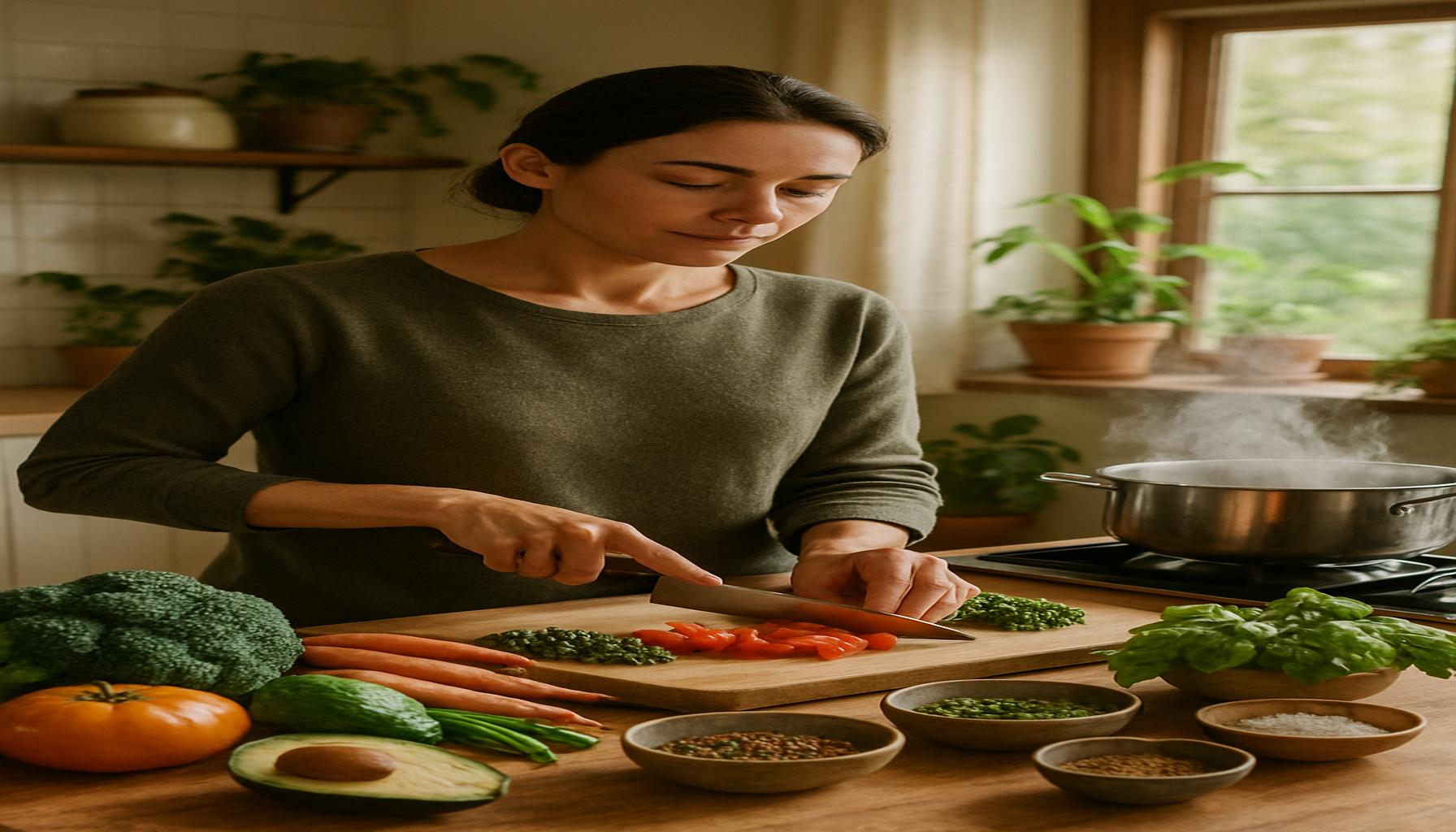
Sustainable cooking is much more than just a trend; it encompasses a mindful approach to preparing meals while utilizing resources responsibly. It involves innovative strategies that encourage both creativity and environmental stewardship. By incorporating these essential approaches into your daily cooking habits, you can make a significant impact.
Zero-Waste Cooking
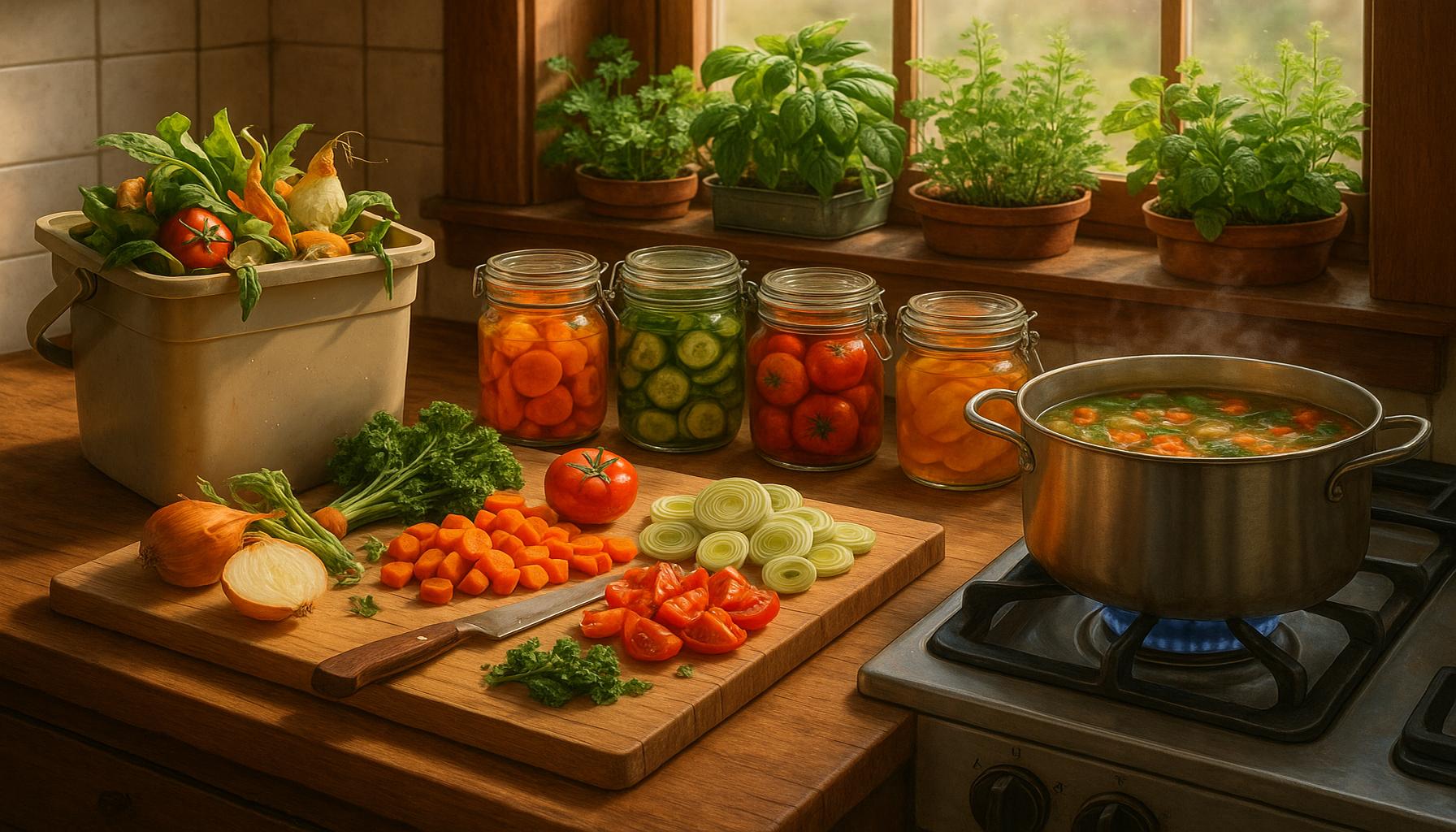
The concept of zero-waste cooking focuses on utilizing every part of your ingredients to eliminate waste. For example, vegetable trimmings, like carrot tops and onion skins, can be used to create flavorful broths, while stale bread can be transformed into breadcrumbs or croutons. Even fruit peels have their place; citrus peels can be zested for flavor or candied for a sweet treat. This approach not only reduces waste but also fosters a more sustainable kitchen environment.
Seasonal Eating
Another vital aspect of sustainable cooking is seasonal eating. Consuming locally sourced, seasonal produce not only brings freshness to your meals but directly supports local farmers while reducing carbon emissions associated with long-distance transportation. For instance, in the summer months, consider making a salad with vine-ripened tomatoes and crisp cucumbers from local farmers’ markets, and in the fall, roast seasonal squash or pumpkins for a hearty dish. This practice also introduces variety into your diet, promoting nutritional diversity.
Batch Cooking
Batch cooking is an efficient way to reduce energy use and cooking time throughout the week. Preparing large quantities of meals in advance allows you to store portions in the refrigerator or freezer, minimizing the time spent on daily cooking and using less energy. For example, consider preparing a big pot of chili on the weekend, which can be enjoyed throughout the week, showcasing how economic and easy meal prep can be. This not only saves time but also ensures you always have healthy, homemade meals on hand.
Engaging in sustainable cooking techniques allows you to express creativity and foster a deeper connection with your food and the earth. The more we incorporate these practices into our culinary routines, the more we can contribute to a healthier planet for future generations. Embracing and promoting sustainable cooking is not just a personal advantage; it is part of a broader movement towards a more conscious and responsible way of living, emphasizing our collective responsibility toward the environment.
DIVE DEEPER: Click here to discover the mental health benefits of gardening
Innovative Techniques for Sustainable Cooking
As the global population continues to grow, the impact of our food choices becomes increasingly significant. Adopting sustainable cooking techniques not only helps in reducing waste but also encourages a more thoughtful way of approaching our meals. By embracing these innovative practices, cooks of all skill levels can contribute to a more sustainable food system while delighting in the culinary creativity that arises from it.
Composting: Nutrient Cycling
One of the simplest, yet effective methods for reducing kitchen waste is composting. Instead of discarding organic materials such as fruit peels, vegetable scraps, and coffee grounds into your trash, composting allows these items to decompose naturally, returning vital nutrients back to the soil. Not only does this practice divert waste from landfills, but it also enriches your garden soil. Effective composting typically requires a balance of ‘greens’ (nitrogen-rich materials) and ‘browns’ (carbon-rich materials) to create a healthy environment for decomposition. Consider these tips for successful composting:
- Maintain a mix of kitchen scraps and yard waste.
- Turn the compost regularly to aerate it.
- Keep it moist, but not soggy, to facilitate decomposition.
Smart Ingredient Pairing
When cooking, consider smart ingredient pairing as a way to minimize waste and create meals that are packed with flavor. Many ingredients can be combined in ways that complement each other and ensure nothing goes to waste. For example, if you have leftover roasted vegetables, they can be blended into a delicious soup, tossed into a frittata, or added to grain bowls. Furthermore, think about using herbs to enhance the flavor profile of your dishes while using up any wilting produce. Here are some ideas to put ingredient pairing into practice:
- Combine leftover grains like quinoa or rice with seasonal vegetables and a protein source to make a hearty salad.
- Use overripe bananas in smoothies or baked goods such as muffins and bread.
- Create a flavorful pesto sauce using carrot tops instead of traditional basil.
Mindful Meal Planning
Mindful meal planning is an essential strategy for combating food waste. By taking the time to plan meals for the week, you not only save money but also reduce the likelihood of food items going unused and spoiling. Start by assessing what ingredients you already have, then create meals that incorporate those items before they expire. For example, if you have several tomatoes that are becoming overripe, you might plan to make a tomato sauce for pasta or a fresh salsa. Inventorying your pantry can be an engaging challenge, prompting you to experiment with unique flavor combinations and preventing food from ending up in the trash.
By integrating these sustainable cooking techniques into your culinary routine, you embody a responsible approach to eating that respects both your health and the environment. Understanding these practices not only reduces food waste but fosters an appreciation for the ingredients themselves, creating a connection to the earth and the effort that goes into our food systems.
| Advantage | Explanation |
|---|---|
| Minimized Food Waste | By utilizing 全部食材, such as scraps and leftovers, sustainable cooking techniques allow you to create new dishes and vastly reduce waste. |
| Cost Savings | Emphasizing the use of whole ingredients strengthens your budget as it encourages buying less and embracing what’s already available, resulting in financial benefits. |
| Seasonal Cooking | Focusing on seasonal produce not only enhances flavor but also supports local farmers and ensures freshness. |
| Healthier Meals | Using fresh, organic ingredients can lead to nutritious meals that are both beneficial for the planet and your well-being. |
Sustainable cooking is a transformative approach that not only promotes environmental stewardship but also enriches our dietary habits. Among the many benefits, minimizing food waste through creative cooking methods and utilizing every part of an ingredient is paramount. This practice not only conserves resources but also encourages culinary creativity, granting home chefs the ability to innovate delicious dishes from what would normally be discarded.Moreover, adopting a sustainable cooking philosophy often leads to significant cost savings. By focusing on the utilization of whole foods, families can spend less on groceries while making meals that are both satisfying and environmentally friendly. The integration of seasonal cooking fosters a deeper connection to our ingredients, allowing cooks to enjoy flavors at their peak while supporting local agriculture.Furthermore, the emphasis on fresh ingredients translates directly to healthier meals. This benefit provides a dual purpose of nurturing the body while caring for the planet, demonstrating that eating sustainably can lead to positive lifestyle changes. Understanding these advantages can inspire individuals to adopt various sustainable techniques within their kitchens, potentially leading to a collective movement towards more responsible culinary practices.
DIVE DEEPER: Click here to discover the evolution of music
Creative Utilization of Leftovers
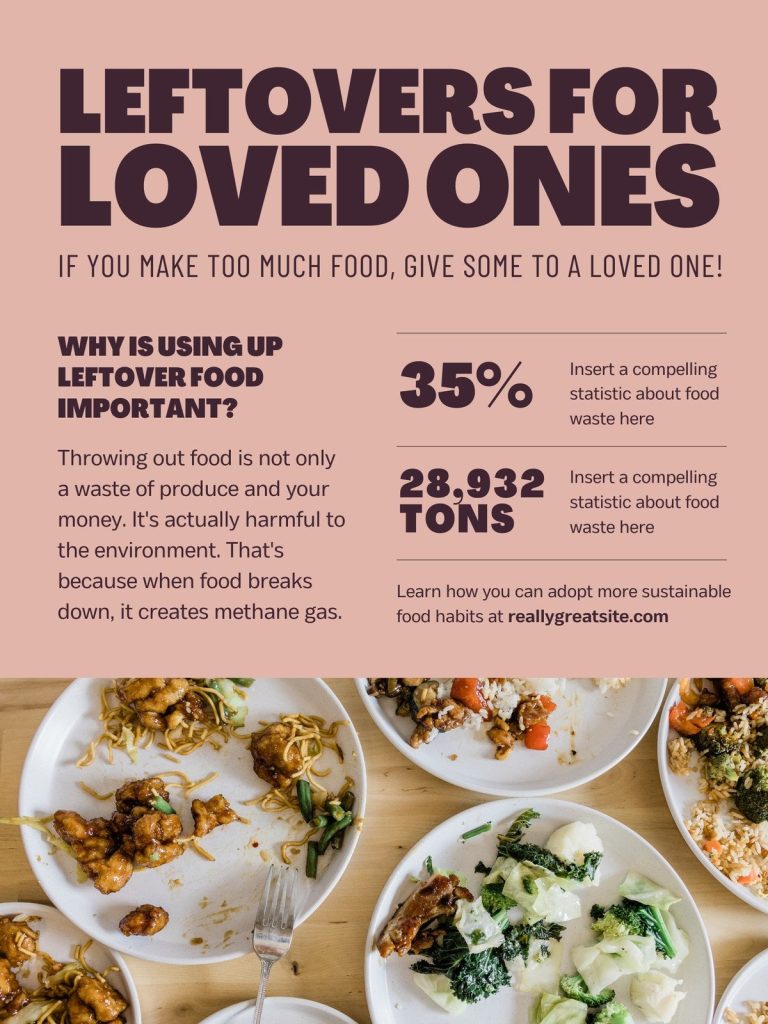
The notion of leftovers often conjures a mixed bag of feelings. Many people default to reheating their previous night’s dinner, leading to monotonous meals. However, with a shift in perspective, leftovers can become a playground for culinary innovation. By creatively utilizing leftovers, home cooks can reduce waste while delighting their taste buds with new dishes. Here are a few inspiring ways to repurpose those uneaten portions:
- Transformed casseroles: Leftover proteins and vegetables can serve as the base for a hearty casserole. Mix with a creamy sauce and top with breadcrumbs or cheese for a warm, satisfying meal.
- Savory stir-fries: Any combination of leftover meats and vegetables can be tossed into a hot skillet with a splash of soy sauce or teriyaki for a quick stir-fry. Serve over rice or noodles for a revitalized dish.
- Creative smoothies: Unused fruits that may not look perfect can be easily blended into smoothies. Overripe fruits like apples and berries add natural sweetness, while enhancing nutrient intake without waste.
Preserving Freshness
A major contributor to food waste is spoilage. Preserving food through various techniques can significantly extend their shelf life and allow you to enjoy seasonal ingredients year-round. Consider these methods to keep your items fresh:
- Canning: A traditional method that allows you to store fruits and vegetables in jars, canned goods can last for years while maintaining nutritional value. Homemade jams and pickles become creative gifts and pantry staples.
- Braising and fermentation: Braising meats speeds up the cooking process while infusing flavor, making it ideal for tougher cuts. Fermentation, on the other hand, can transform vegetables into tangy, probiotic-rich treats, such as sauerkraut or kimchi.
- Freezing: Freezing is a simple yet effective technique to keep meals and individual ingredients intact. Portion out sauces, soups, or uncooked sandwich fillings in resealable bags to grab and use when needed.
Embracing the Whole Ingredient
Every ingredient has its uses, and learning to embrace the whole ingredient approach can significantly reduce waste. This practice encourages cooks to find creative uses for every part of the ingredient, enhancing both efficacy and flavor. Here are some approaches to consider:
- Root-to-stem cooking: Vegetables have edible parts that often get discarded. For instance, radish greens can be sautéed, while cauliflower leaves can make delicious wraps or stir-fried dishes.
- Using bones and shells: Instead of tossing chicken bones, consider making broth. Shells from shrimp can also be simmered to create a seafood stock that packs some serious flavor into soups and risottos.
- Seed & pit utilization: Many seeds, like those from pumpkins or watermelons, can be roasted for a crunchy snack. Additionally, fruit pits can be used to infuse flavors into spirits, creating an unexpected treat.
By embracing these creative techniques, individuals can transform how they view waste in the kitchen. Each small effort contributes to a larger movement towards sustainability while allowing home cooks to elevate their meals and culinary experience.
DISCOVER MORE: Click here to dive into sensory gardening
Conclusion: Embracing Sustainable Cooking for a Greener Future
As we explore the world of sustainable cooking, it becomes evident that our culinary choices can have far-reaching implications for the environment. By adopting techniques that reduce waste, such as creatively utilizing leftovers, preserving freshness, and embracing the whole ingredient philosophy, we not only enhance our meals but also contribute to a more sustainable food system. Each dish we prepare presents an opportunity to minimize waste and maximize flavor.
Furthermore, understanding the importance of sustainability extends beyond the kitchen. It encourages a mindset shift where every ingredient is valued, and food waste is seen not just as a nuisance, but as a resource to be transformed. With the average American household wasting over 1,300 pounds of food per year, it’s clear that the need for conscious cooking practices is more urgent than ever.
For those inspired to dive deeper, consider engaging in local food preservation workshops, experimenting with fermentation at home, or joining community initiatives focused on reducing food waste. By doing so, we can collectively pave the way towards a greener future, where delicious meals are crafted with care for both our plates and the planet.
Incorporating these sustainable cooking techniques into our everyday lives will not only help to nourish our bodies but also cultivate a healthier world for generations to come. Let us celebrate the art of cooking while making informed choices that foster environmental stewardship and culinary creativity.