Cooking for Beginners: Essential Tips to Start Cooking at Home
Getting Started in the Kitchen
Many people feel intimidated by the idea of cooking at home. However, with the right approach and attitude, anyone can learn to whip up delicious meals. Whether you’re a college student, a busy professional, or a parent trying to feed your family, cooking can be an enjoyable and rewarding activity. The kitchen can become a space not just for meal preparation but also a hub of creativity and connection.
Why Cook at Home?
Cooking at home offers several benefits that eating out simply can’t match. Understanding these benefits can inspire newcomers to embrace their culinary skills.
- Healthier meals: You control the ingredients and portion sizes, which is particularly important in an era where many people seek healthier lifestyles. By selecting fresh vegetables, whole grains, and lean proteins, you can create nutritious dishes tailored to your dietary needs. For example, preparing a homemade vegetable stir-fry allows you to maximize the flavor and minimize unhealthy additives often found in takeout.
- Cost-effective: Homemade meals are generally cheaper than restaurant dining. When you cook at home, you can buy ingredients in bulk and reduce food waste, making it easier to stay within budget. For instance, a simple homemade chili can feed a family for several days at a fraction of what a restaurant would charge for similar servings.
- Creativity: Experimenting with flavors can be a delightful creative outlet. Cooking allows you to explore different cuisines, merge culinary traditions, and even invent your own signature dishes. Trying a new spice or herb can significantly alter a familiar recipe, inviting endless possibilities.
Essential Tips for Every Beginner
Starting your culinary journey can be simplified with a few essential tips. By adopting a strategic approach, you can build confidence and improve your skills over time.
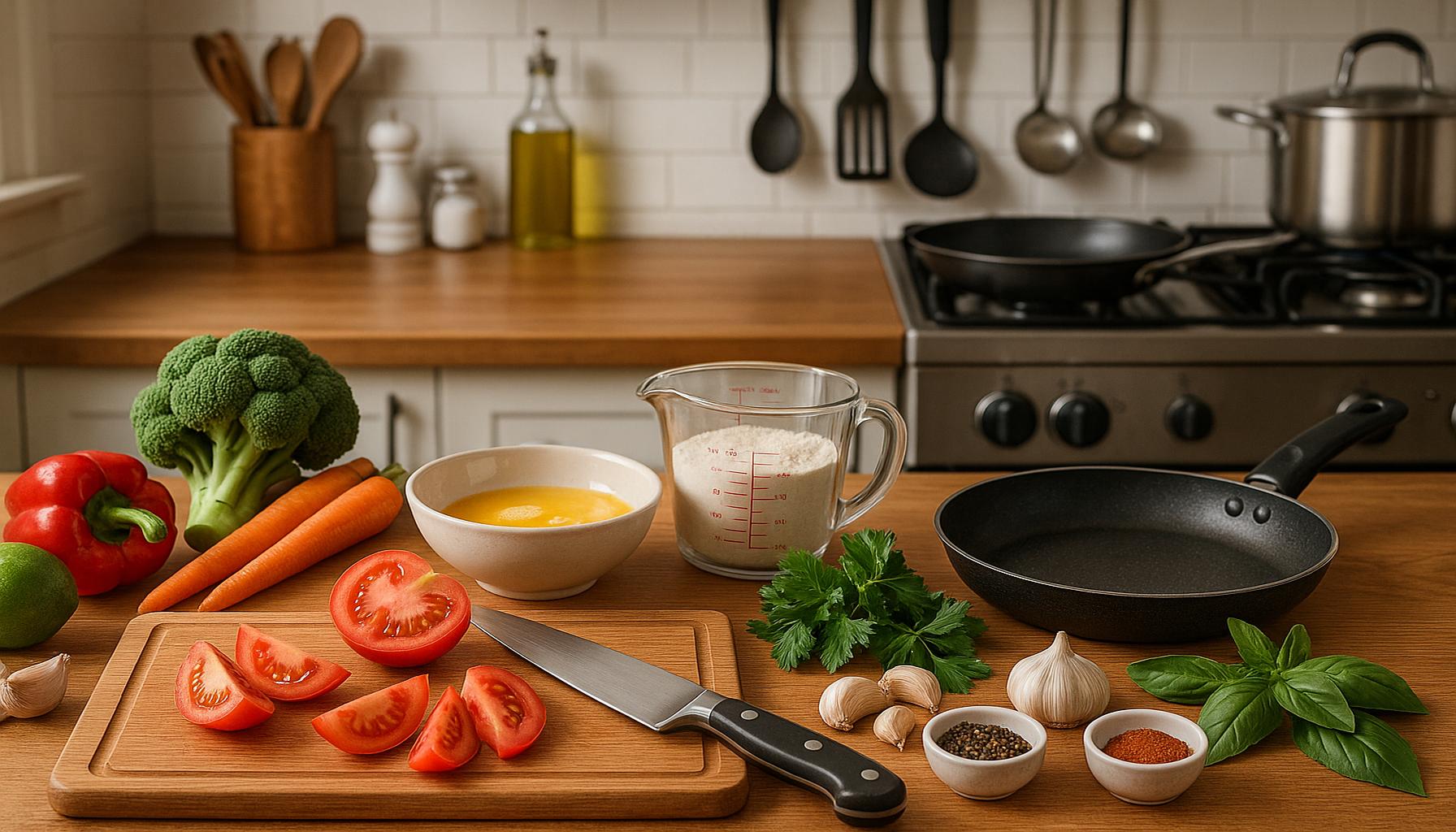
- Invest in the right tools: Basic kitchen tools like knives, pots, and pans are crucial. A good quality chef’s knife, for instance, can make chopping vegetables a breeze, while non-stick pans can significantly ease the cooking and cleaning process. Other essential tools include cutting boards and measuring cups, which contribute to a well-organized workspace.
- Learn fundamental techniques: Mastering knife skills, sautéing, and boiling will give you a solid foundation. Engaging in practice will ultimately lead to greater efficiency and safety in the kitchen. For example, learning how to julienne vegetables not only enhances presentation but also facilitates even cooking.
- Start with simple recipes: Choose beginner-friendly dishes, such as stir-fries or pasta, which require minimal ingredients. Websites and apps focused on cooking often feature recipes sorted by skill level, making it easier to find appropriate starting points. Trying out a classic like spaghetti aglio e olio can help you gain confidence before tackling more complex dishes.
Embarking on your cooking adventure can open doors to new experiences and culinary delights. Exploring different styles of cooking, from fast-casual to gourmet meals at home, can expand your palate and enrich your life. Remember that the key is to approach it with curiosity and patience, leading to a fulfilling mastery of the kitchen. With practice, what may begin as a daunting task can turn into a cherished hobby or even a lifelong passion.
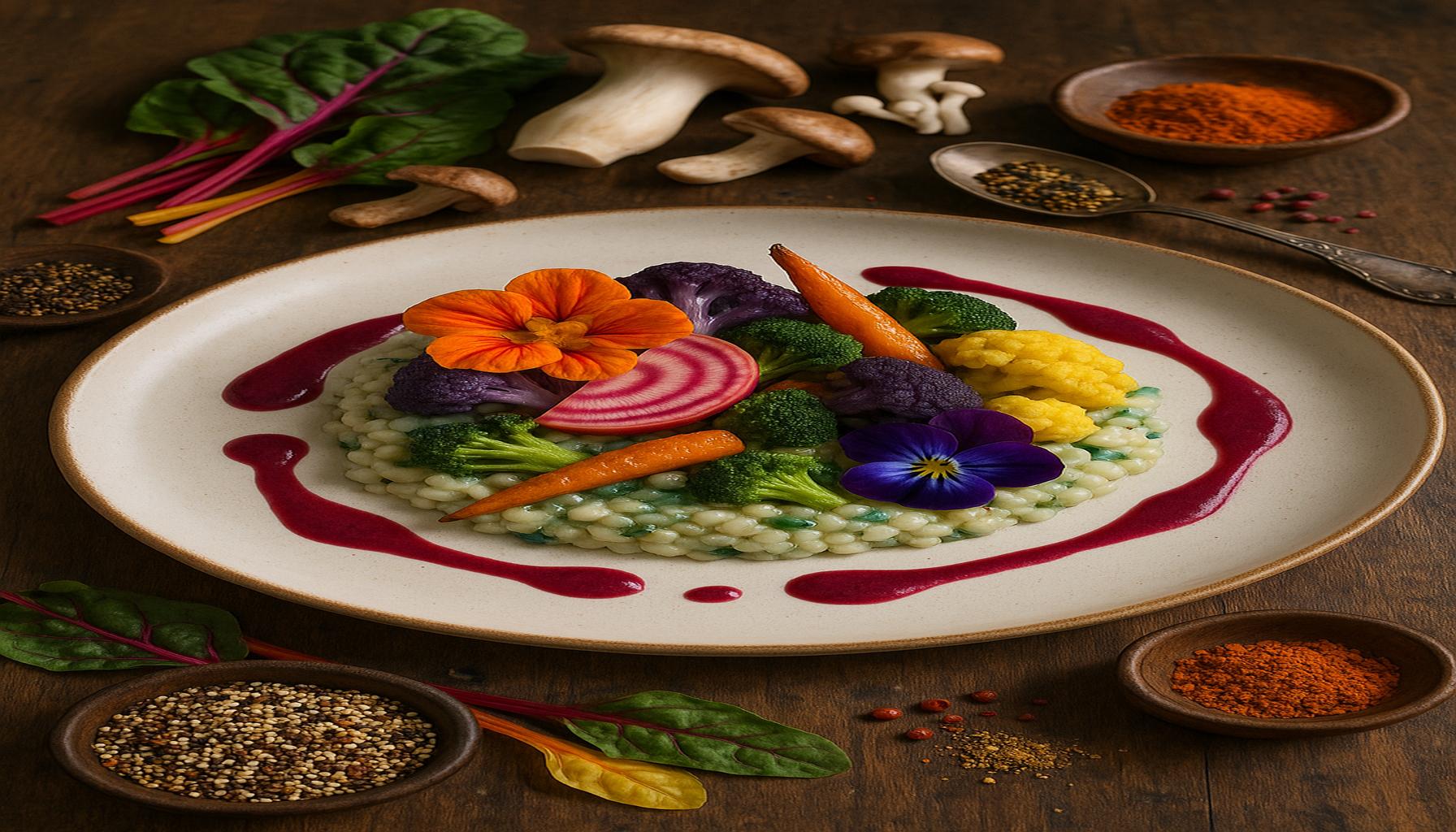
DON’T MISS: Click here to elevate your plating skills
Building Your Culinary Confidence
Taking the first step into the kitchen can feel like stepping into uncharted territory for many beginners. However, by understanding a few fundamental concepts and embracing a spirit of experimentation, you can transform your cooking experience from overwhelming to enjoyable. As with any skill, cooking is best approached with a combination of practice, patience, and a willingness to learn from your mistakes.
Understanding Flavor Profiles
A vital aspect of cooking is understanding flavor profiles and how to balance them. Familiarizing yourself with the main elements—sweet, salty, sour, bitter, and umami—can elevate your dishes significantly. For instance, a simple pasta dish can be transformed by adding elements like a squeeze of lemon juice for acidity, a pinch of salt to enhance the flavor, or a hint of sugar to balance out the sauce. This knowledge will empower you to tweak recipes according to your taste preferences.
Essential Ingredients to Stock
Every beginner’s kitchen should be stocked with a few essential ingredients that can help make everyday cooking simpler. This foundational shopping list not only increases your versatility but also encourages spontaneity in your cooking endeavors.
- Spices and Herbs: Having a selection of commonly used spices like salt, pepper, garlic powder, and Italian seasoning can drastically enhance the taste of your meals. Fresh herbs such as basil and parsley can also add a vibrant freshness to dishes.
- Cooking Oils: Olive oil and vegetable oil are staples for sautéing and roasting. They serve as the base for many dressings and marinades as well, essential for preparing flavorful dishes.
- Proteins: Keep a variety of proteins on hand to create balanced meals. Chicken breasts, ground beef, tofu, and eggs are versatile and can be used in countless recipes.
- Grains and Legumes: Whole grains such as rice and pasta, along with legumes like lentils, are key for building filling meals. They also provide solid nutrients, making them a wise choice for healthy cooking.
- Vegetables: Fresh vegetables like bell peppers, onions, and carrots are not only nutritious but also serve as the backbone of many dishes. Stocking up on frozen veggies can be a practical solution for quick meals.
Practice Makes Perfect
Just like learning an instrument or a new language, cooking requires practice to gain proficiency. Don’t be discouraged by a few missteps or less-than-perfect meals; they are an essential part of the learning process. Take the opportunity to cook more frequently, even if it’s just preparing simple dishes. Each time you step into the kitchen, you build your skills, gain confidence, and discover new flavors.
Connecting with the food you prepare fosters a deeper appreciation for cooking. As you make progress, consider exploring diverse cuisines from around the world to expand your culinary horizons. From Asian stir-fries to Italian pastas, the possibilities are limitless, ensuring that cooking at home remains an engaging journey rather than a chore.
| Tip | Explanation |
|---|---|
| Start Simple | Begin with easy recipes that require minimal ingredients and steps. This builds confidence. |
| Invest in Quality Tools | Having the right kitchen tools, like a sharp knife and good pots, makes cooking easier and more enjoyable. |
| Understand Cooking Terms | Familiarize yourself with common cooking terms and techniques, leading to better understanding and skills. |
| Experiment with Flavors | Explore different spices and herbs to discover what enhances the taste of your meals the most. |
Starting your culinary journey can be an exhilarating experience, filled with the potential to discover a passion for food. Each helpful tip not only aids in your cooking abilities but also encourages a deeper exploration into the world of gastronomy. Cooking is not merely about following recipes; it’s about creativity, and developing your unique approach can be the most rewarding aspect of all. Embrace each opportunity, and you may find yourself enjoying the art of cooking more than ever before.
DISCOVER MORE: Click here to dive into the benefits of musical improvisation
Mastering Basic Cooking Techniques
Once you have a handle on key ingredients and flavor profiles, it’s time to dive into some fundamental cooking techniques that every beginner should master. These skills form the backbone of cooking and allow you to tackle a wide range of recipes with confidence. Whether you’re scrambling eggs, sautéing vegetables, or roasting meats, mastering these techniques will not only improve your cooking but also enhance your overall kitchen efficiency.
Knife Skills
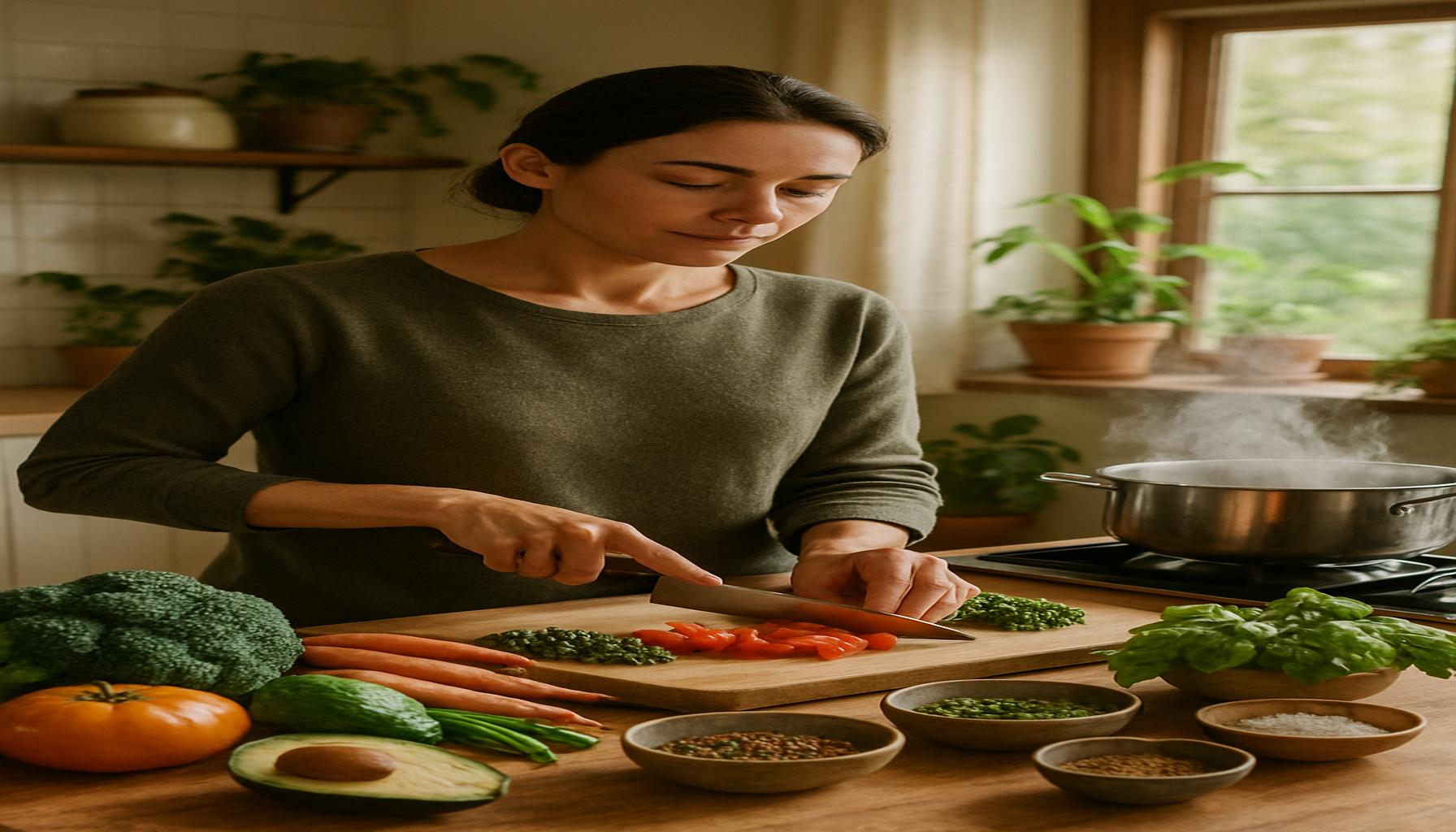
One of the most critical skills to develop is proper knife techniques. Learning how to handle a knife safely and effectively can make your preparation time much quicker and your meals more visually appealing. Start by familiarizing yourself with essential knife skills such as dicing onions, slicing tomatoes, and chiffonading herbs. Invest in a quality chef’s knife and a cutting board, and practice your cuts consistently. Videos and tutorials abound online for your reference, guiding you through each technique step by step.
Cooking Methods
Various cooking methods exist, each altering the texture and flavor of your ingredients. Here are some primary techniques you should know:
- Sautéing: This method involves cooking food quickly in a small amount of oil over medium-high heat. It’s perfect for vegetables, meats, and stir-fries. Make sure your pan is hot before adding ingredients to achieve that delicious golden-brown finish.
- Boiling: Great for cooking pasta and blanching vegetables, boiling requires bringing water to a rolling boil before adding your ingredients. Pay attention to cooking times to retain the nutrients and colors of your food.
- Baking: This method involves cooking food in an oven, perfecting everything from baked goods to hearty casseroles. Understanding your oven’s temperature settings can significantly impact the outcome, so invest in an oven thermometer if you suspect your oven is inaccurate.
- Roasting: Similar to baking but primarily used for vegetables and meats, roasting allows for a caramelization of the outer layer, creating flavor depth. Preheat your oven adequately and choose the right roasting pan for even cooking.
Mixing and Measuring Ingredients
Precision in measuring your ingredients can be the difference between a successful dish and a culinary mishap. Familiarize yourself with measuring cups and spoons, and learn how to read recipes accurately. It’s important to understand the difference between weight and volume, especially in baking, as it demands accuracy for the best results. Tools such as kitchen scales come in handy when following complex recipes or cooking on a larger scale.
Experiment with Time-saving Devices
While mastering basic techniques is crucial, embracing modern conveniences can streamline your cooking process. Consider investing in equipment like a slow cooker, pressure cooker, or even an air fryer. These devices can greatly enhance your meal preparation and are designed to make cooking quicker and simpler. For example, with a slow cooker, you can toss in your ingredients in the morning and come home to a perfectly cooked meal in the evening. Similarly, pressure cookers can significantly reduce cooking times for foods that usually take hours.
By honing these essential techniques and leveraging tools available to you, you’ll find that cooking at home becomes not only manageable but also gratifying. Your creativity in the kitchen will flourish, and you’ll become more adventurous in trying out new recipes, solidifying your journey in the world of home cooking.
DISCOVER MORE: Click here to delve into the impact of music on self-expression
Conclusion
Cooking at home can be a delightful adventure that enriches your culinary skills and enhances your everyday life. By embracing the essential tips shared throughout this article, you’re not just preparing meals; you are crafting experiences that bring joy to the table. Understanding the basics of ingredient selection and flavor profiling is only the beginning. Mastering fundamental techniques like knife skills and cooking methods will transform your confidence and efficiency in the kitchen.
Moreover, the importance of precise measuring and mixing cannot be overlooked. These skills are vital in ensuring success in your culinary endeavors. As you progress, don’t hesitate to incorporate time-saving devices into your cooking routine. From slow cookers to instant pots, these tools can simplify meal preparation and enable you to explore new recipes without feeling overwhelmed.
Ultimately, the journey of cooking is about practice, experimentation, and most importantly, having fun. You’ll soon discover that your kitchen is a canvas for creativity, where each dish allows your personality to shine through. So, gather your ingredients, choose a recipe that intrigues you, and let your culinary exploration begin. With every meal, you’ll be one step closer to becoming the confident home cook you aspire to be. Happy cooking!