Culinary Challenges: Creating Dishes with Random Ingredients in a Fun Competition
Embrace the Culinary Adventure
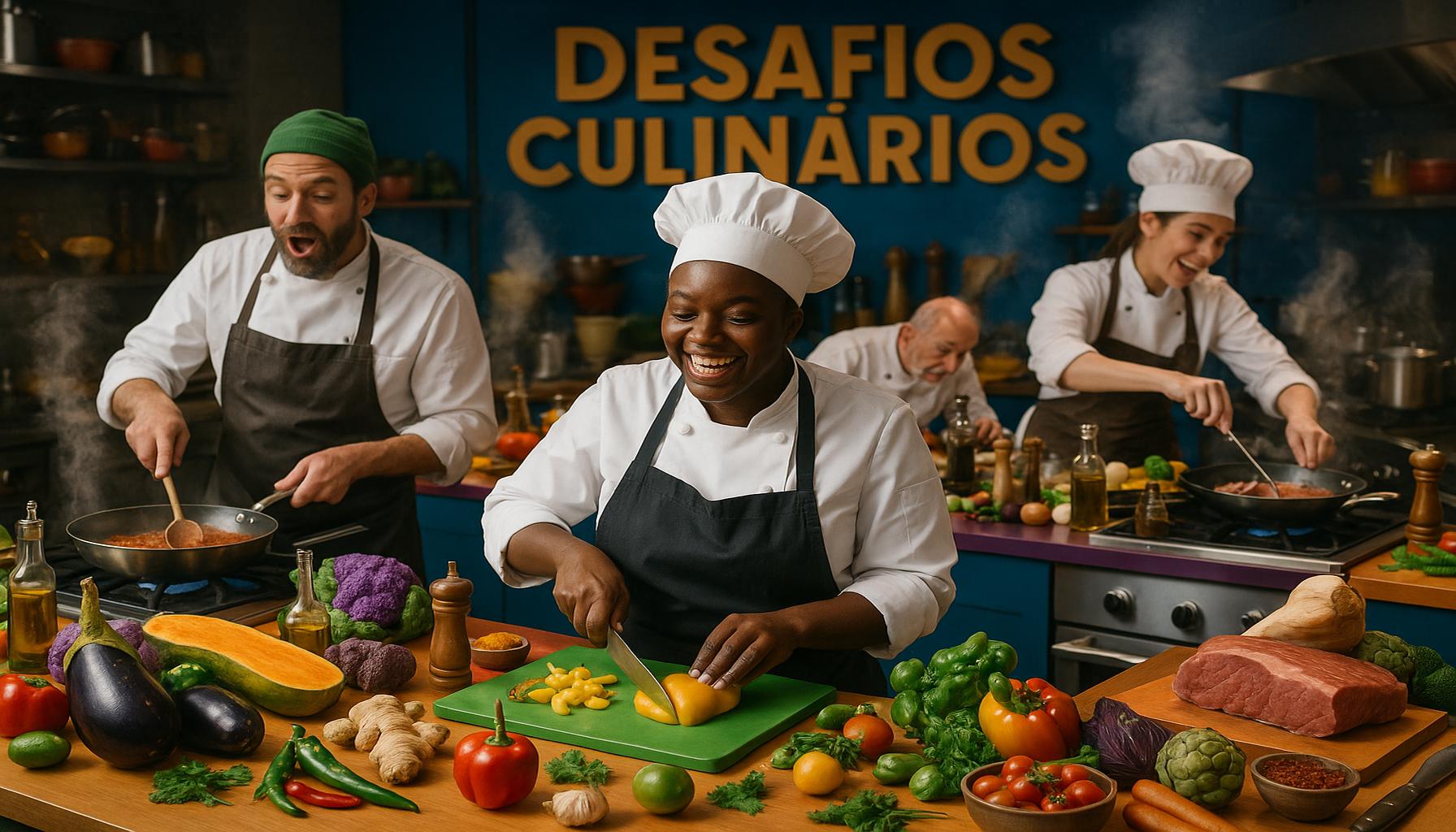
Culinary challenges have taken the food scene by storm, captivating chefs and home cooks alike. The thrill of competing with random ingredients adds an exhilarating twist to the culinary arts. Imagine standing in a kitchen, a time limit ticking away, as you craft a masterpiece with whatever is at your disposal. This scenario not only tests cooking skills but also ignites creativity, yielding dishes that are as inventive as they are delicious.
The Growing Popularity of Culinary Competitions
From reality TV shows like “Chopped” and “MasterChef” to local cooking competitions held in community centers, chefs are stepping outside their comfort zones. Numerous factors contribute to this trend:
- Creativity: Participants must think on their feet, inventing dishes from unexpected combinations. For instance, creating a gourmet meal from a basket of seemingly unrelated items—like canned beans, avocado, and chocolate—challenges participants to stretch their imagination.
- Skill Development: Cooks hone their abilities, learning to adapt quickly. As they face the clock and unusual ingredients, contestants often discover new techniques or flavor pairings, enhancing their overall culinary knowledge.
- Community Engagement: Kitchen battles foster camaraderie among participants and spectators. Local food festivals increasingly feature cooking competitions, drawing crowds that cheer on their favorite chefs while enjoying delicious offerings from food vendors.
The Element of Surprise
Each competition is unique, often featuring surprise ingredients that challenge participants in delightful ways. The goal is not just to create a good meal but to innovate under pressure. Some popular examples include:
- Chocolate paired with meat products—this can lead to unexpected flavor profiles, such as mole sauce, traditionally made with chocolate, served over chicken.
- Fruit-infused savory dishes—chefs may be tasked with integrating pineapple into a savory pork dish to create a balance of sweet and savory that pleases the palate.
- Herbs or spices drawn from a mystery box—imagine using saffron in a dish where it is not typically found, pushing the boundaries of flavor in exciting new directions.
These elements not only push culinary boundaries but also encourage innovation and experimentation. As we dive deeper into the world of culinary competitions, we discover how these thrilling events redefine the kitchen experience and ignite passion among all involved. No longer confined to traditional recipes, participants embrace the unexpected, continually evolving what it means to be a chef in today’s fast-paced culinary landscape.
Consequently, culinary challenges not only serve as entertainment but also inspire home cooks to embrace their inner chef, inviting them to recreate their own culinary adventures. Whether through a spontaneous dinner with friends or a family cooking night, the spirit of competition continues to enrich the culinary culture across the United States.

DON’T MISS: Click here to discover sustainable cooking techniques
The Thrill of Culinary Creativity
Participating in culinary challenges pushes chefs and cooking enthusiasts to their limits, transforming ordinary kitchens into vibrant arenas of creativity and competition. The buzz of excitement that fills the air as contestants unveil their mystery ingredients is palpable, stimulating not only the mind but also the senses. Each competition invites participants to not only cook but to innovate, engaging with the elements in a way that makes every dish a unique masterpiece.
Breaking Down the Challenge
The concept of creating dishes from random ingredients can seem daunting, but it serves as a catalyst for culinary growth. Understanding the mechanics behind these challenges can offer insights into why they are so influential within the culinary world. Here are some key facets:
- Resourcefulness: Competitors learn to make the most of limited resources. When faced with items like a can of sardines, a block of cheese, and a handful of kale, creativity shines as they must engineer a dish that not only tastes great but looks appealing as well.
- Time Management: A common element in these competitions is the ticking clock. Contestants must be swift and strategic, allocating their time across planning, preparation, and presentation. This pressure helps develop prioritization skills, essential for any chef working in a fast-paced environment.
- Flavor Harmony: With random ingredients, participants are thrust into the challenge of balancing flavors. For instance, blending sweet and spicy components into a cohesive dish requires a deep understanding of taste profiles, which is an invaluable talent for any culinary artist.
The use of random ingredients ensures that no two competitions are alike. This unpredictability not only leads to surprising culinary creations but cultivates resilience among contestants. As participants devise solutions on the fly, they grow more comfortable improvising and experimenting, skills that are vital in enhancing one’s culinary repertoire.
Inspiration from Unorthodox Combinations
The culinary world thrives on innovation, and what better way to inspire it than through the marriage of surprising ingredients? Challenges often feature unexpected partnerships, encouraging chefs to think beyond traditional pairings:
- A classic favorite: using chili powder to elevate chocolate desserts, creating a warm and unexpected finish that leaves a lasting impression.
- Exploring unusual combinations like pickles in a classic tuna salad, which can add a surprising crunch and tang that excites the palate.
- An unexpected twist with ingredients like goat cheese and caramelized onions, which can produce gourmet-level dishes from humble components.
Competitors take these challenges as opportunities to demystify the cooking process, showing that culinary artistry doesn’t always require luxury ingredients or meticulous recipes. Rather, it emphasizes that passion, ingenuity, and a willingness to experiment are just as crucial—if not more so—in creating remarkable dishes.
| Advantages | Benefits |
|---|---|
| Creativity Boost | Participants enhance their culinary creativity by experimenting with various ingredients without traditional boundaries. |
| Team Building | Encourages collaboration and communication among participants as they navigate challenges together. |
| Learning Experience | Provides exposure to new ingredients and cooking techniques, fostering a deeper understanding of culinary arts. |
| Entertainment Value | Offers a fun, engaging atmosphere that captivates participants and onlookers alike, making it perfect for events. |
The excitement surrounding culinary challenges centered on unexpected ingredients undoubtedly captivates not only seasoned chefs but also home cooking enthusiasts. The element of surprise, when faced with unfamiliar components, can lead to extraordinary dishes that surprise even the creator. These competitions can also embody the spirit of adventure in cooking, as participants learn to embrace imperfections and think outside the box. In addition, there is a growing trend in social media where participant creations can be shared instantly, offering a wider platform for visibility. Ultimately, these competitions can inspire others to experiment with their cooking habits at home, encouraging families and friends to gather and try exciting culinary experiments themselves. The multifaceted benefits of this type of culinary challenge create not just delicious food but also lasting memories and skill development.
DISCOVER MORE: Click here to learn how cooking can enhance mindfulness
From Kitchen to Competition Stage
The transition from home cooking to competitive culinary challenges brings a host of additional layers to the experience. Contestants must navigate not only the culinary aspects but also the dynamics of a live audience, which can amplify the stakes. The thrill of working against the clock while being observed by fellow participants and spectators adds a theatrical element to the cooking process, transforming the kitchen into an exhilarating performance stage.
Judging Criteria: More Than Just Taste
In a typical culinary challenge revolving around random ingredients, the success of a dish is evaluated by more than just its taste. Judges often look for several key components:
- Creativity: How innovative is the dish? Contestants are frequently assessed on their ability to think outside the box, taking risks with unusual flavor combinations or presentation styles that differentiate their creation from others.
- Presentation: The visual appeal of a dish can make or break a contestant’s chances of success. Professional plating techniques, color balance, and overall aesthetics play a significant role in impressing judges. As the saying goes, “We eat with our eyes first.”
- Technical Skill: Judges evaluate the technique behind each dish. This encompasses everything from knife skills to cooking methods and the execution of specific culinary principles, showcasing a contestant’s formal training or self-taught expertise.
The multidimensional criteria encourage participants to refine their skills and broaden their cooking style. For instance, understanding the importance of presentation can lead participants to explore formal cooking techniques like sous-vide or molecular gastronomy, further enhancing their culinary repertoire.
The Thriving Community of Culinary Competitions
The world of culinary competitions fosters a sense of community among participants. Many chefs recount how rivalries morph into friendships as they share the challenges of cooking under pressure. These culinary camaraderies often extend beyond the competition, leading to collaborations, pop-up events, or even joint ventures in the food industry.
- Networking Opportunities: Contestants often meet culinary mentors, food critics, and industry professionals during these events, opening doors to potential career advancements.
- Sharing Knowledge: Participants frequently share tips and tricks, honing each other’s skills and broadening their culinary horizons. The spirit of mentorship is prevalent, as more experienced chefs often guide novices, fostering an environment of collective growth.
- Culinary Innovation: Competitors push the boundaries of classic cooking as they experiment with contemporary culinary trends, like plant-based cooking or reducing food waste. These challenges document a shift towards sustainable practices and have driven discussions about the future of food.
As passion for food and creative expression intertwine, culinary challenges serve as a springboard for new talent to emerge, offering a fresh perspective on the culinary landscape. The concept of creating dishes with random ingredients not only tests ability but also inspires countless individuals to push through their culinary limits, embracing mistakes as learning opportunities that pave the way for future success.
DISCOVER MORE: Click here for beginner-friendly gardening tips
Conclusion: The Culinary Challenge Phenomenon
Culinary challenges that focus on creating dishes with random ingredients not only offer an engaging competition but also foster a deeper connection to the art of cooking. Participants capitalize on their creativity and technical skill under pressure, gaining invaluable experience that transcends the kitchen. As they explore unique flavor combinations and presentation styles, these culinary contests challenge the boundaries of traditional cooking and propel participants into a realm of innovation.
The camaraderie developed among contestants enhances the experience, allowing them to form lasting relationships and share wisdom that benefits the entire culinary community. Mentorship and collaboration arise as key themes, moving these competitions beyond rivalry and into a space of shared passion for food. This spirit of cooperation also echoes the importance of sustainability, as competitors increasingly embrace contemporary trends that prioritize eco-friendly practices.
As the culinary landscape continues to evolve, challenges with random ingredients highlight the value of adaptability and resilience. Participants discover that each misstep is not a failure but rather a stepping stone to mastery. This ethos encourages food enthusiasts of all levels to take risks, embrace inventiveness, and ultimately enrich their culinary journeys.
In an age where creativity is essential in both recreational and professional cooking, the world of culinary competitions stands as a testament to what can be achieved when chefs dare to innovate amidst constraints. These culinary challenges are more than contests; they are vital incubators for talent and communities that push for a flavorful and sustainable future.