Exploring International Cuisine: Learning New Recipes at Home
Discovering International Cuisine
In our increasingly interconnected world, exploring international cuisine is not merely about indulging in different flavors; it is an enriching experience that allows us to connect with various cultures and histories. Each dish comes with its story—a narrative that speaks of its place of origin and the people who have lovingly crafted it over generations. From your kitchen, you can embark on this global culinary journey, uncovering the richness of diverse traditions, all from the comfort of your home.
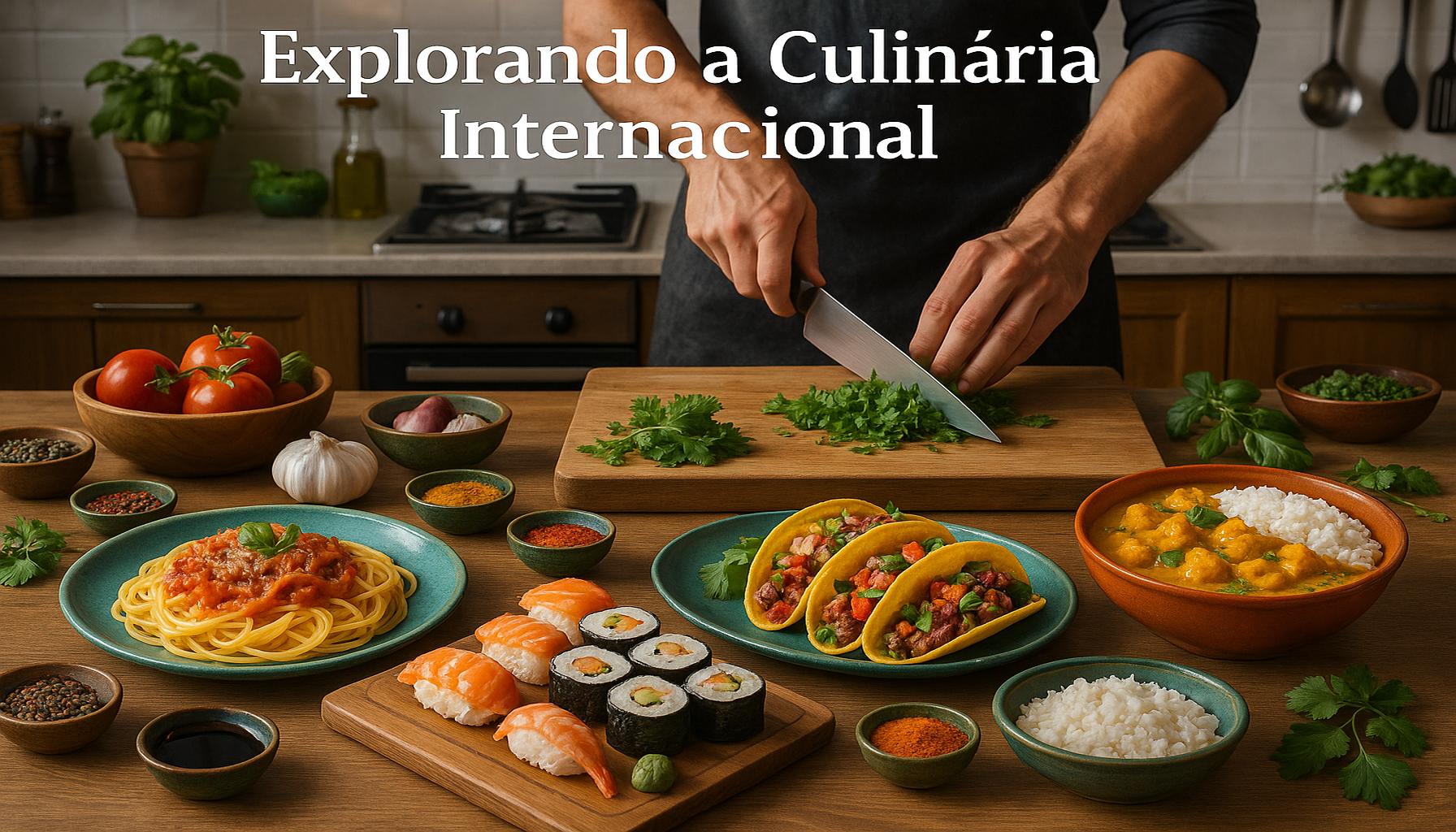
Take, for example, Italian Risotto. This creamy delicacy, originating from Northern Italy, epitomizes the heartwarming quality of Italian cooking. Made with Arborio rice, which is characterized by its high starch content, risotto is cooked slowly, gradually infused with broth to achieve its signature creamy texture. The dish can be customized with seasonal ingredients—such as mushrooms, saffron, or asparagus—making it a versatile comfort food that adapts to any occasion.
Then there is Japanese Sushi, a staple that has conquered palates worldwide. At its core, sushi combines vinegared rice with various ingredients, most commonly fresh seafood, but also vegetables and tropical fruits. Rolling sushi can be a fun family activity, allowing each member to get creative with their fillings. The precision and artistry involved in sushi-making provide a worthy challenge for aspiring chefs, whether you prefer classic nigiri or inventive rolls.
Mexican Tacos are another ideal gateway into global cuisine. These handheld delights can be filled with an array of tasty options from spicy carne asada to succulent grilled vegetables. Tacos offer a wonderful way to explore Mexican ingredients like fresh cilantro, zesty lime, and smoky chipotle. Hosting a taco night with an assortment of fillings and toppings can transform an ordinary gathering into a vibrant celebration of flavors from south of the border.
No culinary exploration would be complete without Indian Curry, a fragrant melange of spices that brings much more than heat; it tells a story of Indian culture and heritage. Rich in flavor and often grouped in various regional styles, Indian curries can include everything from the creamy korma to the fiery vindaloo. Learning to make curry is a great introduction to the wide range of spices used in Indian cooking, offering both depth and complexity to your culinary repertoire.

As you navigate through these international recipes, you will:
- Experiment with unique ingredients: Engage your palate by trying unfamiliar spices, such as sumac in Middle Eastern dishes or berbere in Ethiopian cuisine, that can elevate your cooking.
- Connect with heritage: Delve into the rich tapestry of culinary traditions that reflect the heritage of different cultures, giving you a more profound appreciation and understanding of the world.
- Share culinary experiences: Encourage community and conversation by inviting friends and family over to share and savor these international delights together.
So, whether you’re an experienced chef or a novice cook, learning new recipes is a gateway to experiencing life through the dynamic lens of international cuisine. Each dish you create not only nourishes your body but also feeds the soul with stories and memories. Grab your apron, tune into global flavors, and let them inspire your next culinary masterpiece!
DIVE DEEPER: Click here to discover more
Embracing Culinary Diversity
In the journey of exploring international cuisine, the kitchen becomes your passport, offering a practical way to travel the globe without leaving home. From the bustling street markets of Bangkok to the elegant bistros of Paris, each recipe delivers a taste of culture and tradition. This adventure of flavors invites you not just to cook, but to engage with the stories and people behind the food.
One of the most enchanting aspects of global cooking is the diversity of flavors, which can stimulate your senses and challenge your palate. For instance, consider a classic French Ratatouille. This vibrant vegetable stew captures the essence of Provençal cuisine and highlights the bounty of fresh produce. Typically made with eggplant, zucchini, bell peppers, and tomatoes, the dish is seasoned with herbs de Provence and olive oil, resulting in a symphony of taste. Preparing this dish at home not only allows you to experience its complex flavors but also sheds light on France’s commitment to seasonal, local ingredients.
Thai Green Curry is another exquisite exploration that transports diners to Southeast Asia. This aromatic dish pairs green curry paste—a blend of green chilies, lemongrass, and galangal—with coconut milk, and various proteins like chicken or tofu. As it simmers, the spices meld together, creating a fragrant and spicy sauce that invigorates the senses. By recreating this dish, you’ll not only indulge in its bold flavors, but you’ll also discover how Thai cuisine balances heat with sweet, salty, and sour elements, embodying the concept of Umami.
Venturing into Middle Eastern Cuisine invites a treasure trove of unique recipes, one of the most loved being Falafel. These crispy, spicy chickpea balls are typically served in pita bread with fresh veggies and tahini sauce. Making falafel from scratch can be a fun and interactive activity, whether hosting a small gathering or a family dinner. The process allows you to experiment with herbs like parsley and cilantro, and spices such as cumin and coriander, showcasing the bold flavor profiles inherent in Middle Eastern dishes.
Learning about international cuisine also brings an opportunity to explore health benefits often intertwined with these culinary traditions. Dishes like Mediterranean Quinoa Salad combine wholesome ingredients like quinoa, olives, tomatoes, and feta cheese, which are packed with nutrients and promote healthy eating. By gathering information about the nutrition of these international dishes, you’ll not only enhance your cooking repertoire but also contribute positively to your health.
As you immerse yourself in these recipes, consider the following:
- Research the background: Investigating the cultural significance of your chosen dish adds depth and context to your culinary experience.
- Experiment with variations: Feel free to modify recipes to suit your taste while still respecting the core elements that make the dish authentic.
- Involve family and friends: Encourage loved ones to join you in the cooking process, fostering a shared appreciation for culinary diversity.
Summoning the flavors of faraway lands into your kitchen not only expands your cooking skills but also grants you a global perspective that informs every meal. As you prepare these recipes, you embark on an exciting journey that connects you with different cultures and their vibrant histories.
| Category | Advantages |
|---|---|
| Cultural Exposure | Broaden your palette and understand various cultural practices through their culinary traditions. |
| Skill Development | Enhance cooking skills by experimenting with diverse ingredients and cooking techniques that challenge your culinary abilities. |
| Health Benefits | Improve dietary habits by incorporating fresh, whole ingredients typical of international recipes into your cooking routine. |
| Social Interaction | Create meaningful experiences by inviting friends and family to enjoy meals cooked together from different cultures. |
Exploring international cuisine by learning new recipes at home opens up a world of flavor and creativity. This immersive journey into global delicacies not only inspires your culinary repertoire but also fosters a deep appreciation for diverse cultures. As you delve into the preparation of regional specialties, you’ll discover the stories behind each dish, enriching your knowledge and palate. Embracing new tastes and techniques not only has the potential to elevate your cooking but also promotes health-conscious choices through the use of fresh, vibrant ingredients.Home cooking becomes a shared adventure when you involve loved ones, turning ordinary meals into extraordinary celebrations. As you explore different cuisines, you will also uncover countless techniques, from fermentation to authentic spice blending, that keep your cooking experience fresh and exciting. This culinary exploration invites not just learning, but also connection—understanding the role of food in various societies enhances your meals and makes the cooking process a delightful odyssey.
DISCOVER MORE: Click here to dive deeper
Crafting Authentic Experiences at Home
Diving deeper into international cuisine encourages you to not only replicate recipes but also immerse yourself in the cultural practices that enrich the culinary experience. Cooking offers a unique window into the lifestyles, traditions, and even holidays of different countries. For example, learning to make Italian Risotto is not only about mastering the creamy texture of this dish but also understanding the significance of slow cooking. This Italian staple reflects the nation’s focus on patience and quality over speed—a principle that resonates in its culinary philosophy.
Additionally, don’t overlook the joy of baking that many cultures celebrate. The process of creating Middle Eastern Baklava allows bakers to appreciate the intricate technique of layering and the delicate balance of flavors between nuts, spices, and honey. As you dive into this recipe, you uncover the communal experience of sharing this dessert during festivities, showcasing the bonds created through food. Recipes like these act as a bridge to connect with others and honor shared experiences, whether at home or through virtual cooking classes with friends across the globe.
As Americans increasingly embrace plant-based diets, exploring cuisines that naturally emphasize vegetables can be a delightful journey into international cooking. With the growing popularity of Indian Chana Masala, a spiced chickpea dish, you get to engage in the rich tapestry of Indian flavors. Using aromatic spices such as cumin, coriander, and turmeric, you can transform simple pantry ingredients into a meal bursting with flavor, demonstrating how diverse nutrition can be across cultures. Moreover, this dish not only showcases the vibrant use of spices, but it also highlights the versatility of legumes in promoting sustainability and healthy eating.
The inclusion of regional ingredients enhances this culinary adventure. Sourcing authentic products, such as Japanese miso paste for a well-crafted Miso Soup, not only improves the dish’s authenticity but also supports local businesses. In many areas of the United States, Asian markets or specialty stores provide an array of international ingredients that may be unfamiliar but integral to certain recipes. Utilizing local farmers’ markets can also yield fresh produce, further enhancing the dishes while connecting you to your community.
Getting started with international recipes can be as simple as selecting a themed night of cuisine. Here are a few ideas to infuse fun and creativity into your cooking adventures:
- Global Potluck: Invite friends to each prepare a dish from a different culture, allowing everyone to share a slice of their culinary heritage.
- DIY Recipe Challenge: Choose a country and cook multiple dishes from that region, encouraging exploration of various techniques and flavor profiles.
- Cultural Movie Night: Pair a film from a different culture with a homemade dish, tying in your taste experience with visual storytelling.
As you explore these culinary adventures, remember that every recipe tells a story. By wielding your kitchen as a tool for cultural exchange, you elevate your cooking game while forging deeper connections with worldwide traditions. This commitment to authenticity and exploration not only enhances your skill as a home cook but also empowers you to embrace global perspectives from the comfort of your kitchen.
DIVE DEEPER: Click here to explore the connection between music and cultural identity
Embracing Culinary Diversity
In conclusion, exploring international cuisine from the comfort of your home offers a transformative experience that transcends mere cooking. It invites you to delve into a rich tapestry of cultural stories, traditions, and communal practices, letting your kitchen become a gateway to worlds beyond your own. By incorporating authentic recipes from various cultures, you not only expand your cooking repertoire but also develop a deeper appreciation for the ingredients and methodologies that shape diverse cuisines. Each dish you create—be it vibrant Thai Green Curry or aromatic Moroccan Tagine—tells the tale of its origins and the people who have perfected it over generations.
Moreover, the act of sharing these cultural creations, whether through gatherings, virtual cooking parties, or festive meals, fosters a sense of community and connection among those around you. It enhances the experience of food as an element of social bonding, reflecting the universal truth that cooking is as much about the ritual and connection to others as it is about sustenance. As you continue to experiment with international recipes, consider the impact of sourcing local and authentic ingredients that not only elevate your dishes but also support your community’s economy and promote sustainability.
So, embark on this delicious journey of discovery and allow international cuisine to enrich your life, broaden your culinary skills, and deepen your understanding of the world. Each recipe is an invitation to learn, connect, and celebrate diversity; and who knows, your next culinary creation may very well become a cherished family tradition.