Craftsmanship and Empowerment: Stories of Artisans Who Transformed Their Lives Through Creativity
Exploring the Transformative Power of Craftsmanship
Across the United States, a quiet revolution is stirring within the world of artisanship. Artisans are not merely creating beautiful objects; they are forging new identities, communities, and futures. At the intersection of craftsmanship and personal growth lies a tapestry of inspiring stories, each weaving a narrative of resilience and connection.
From the intricate woodworkers in Vermont to the skilled textile artists in California, each artisan showcases the profound impact of creativity on life transformation. These artisans often face personal challenges, using their skills not only to produce tangible items but also as a therapeutic outlet for emotional and mental wellbeing. This illustrates the first key element of this movement: resilience.
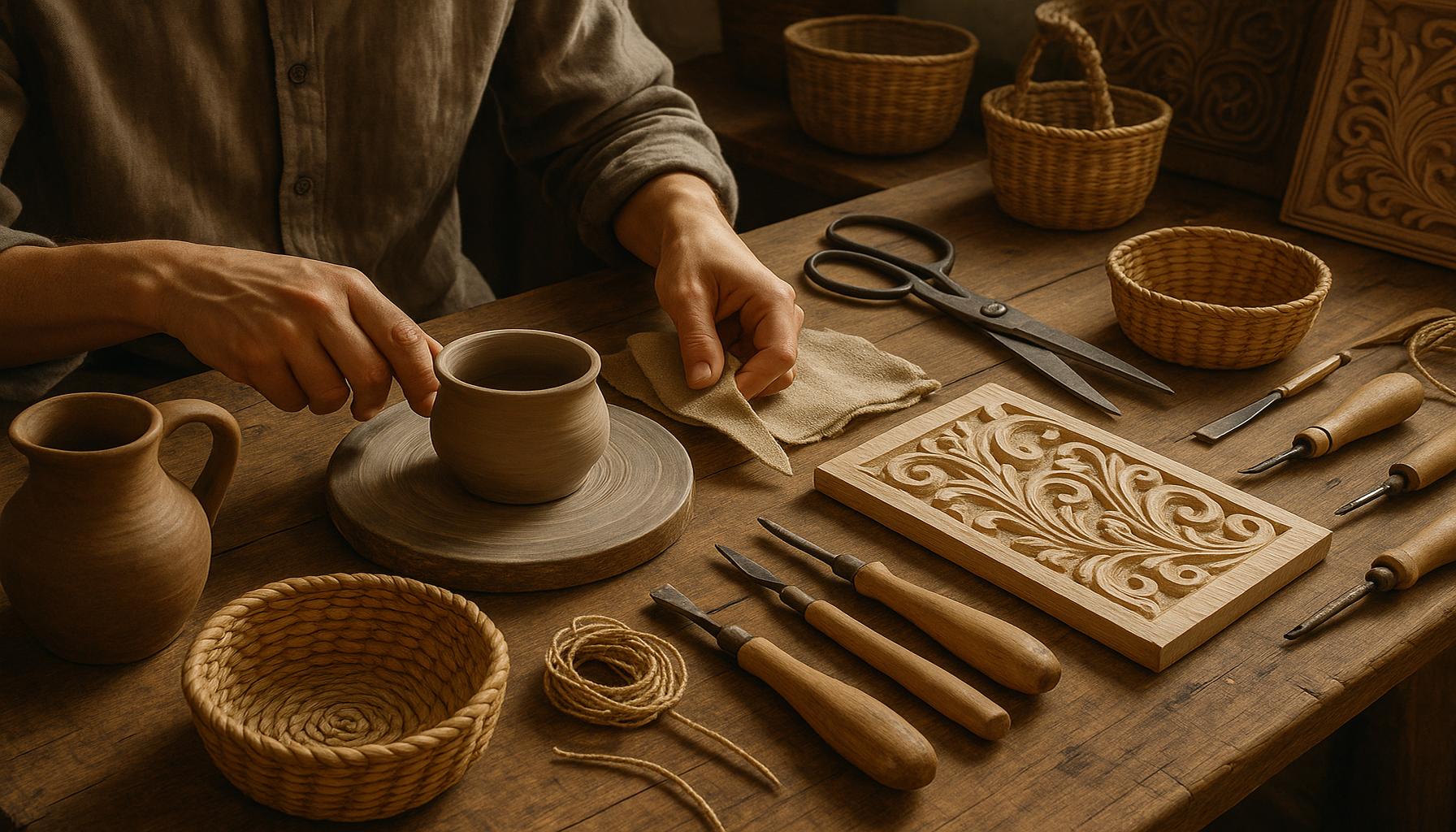
Crafting provides a means of overcoming personal challenges. For instance, the story of a veteran who turned to woodworking after returning from service is emblematic of this resilience. As he learned to carve and construct pieces from reclaimed wood, he found solace in the rhythmic motions of sanding and shaping. Each project became a step toward healing, allowing him to channel his experiences into art that narrates his journey.
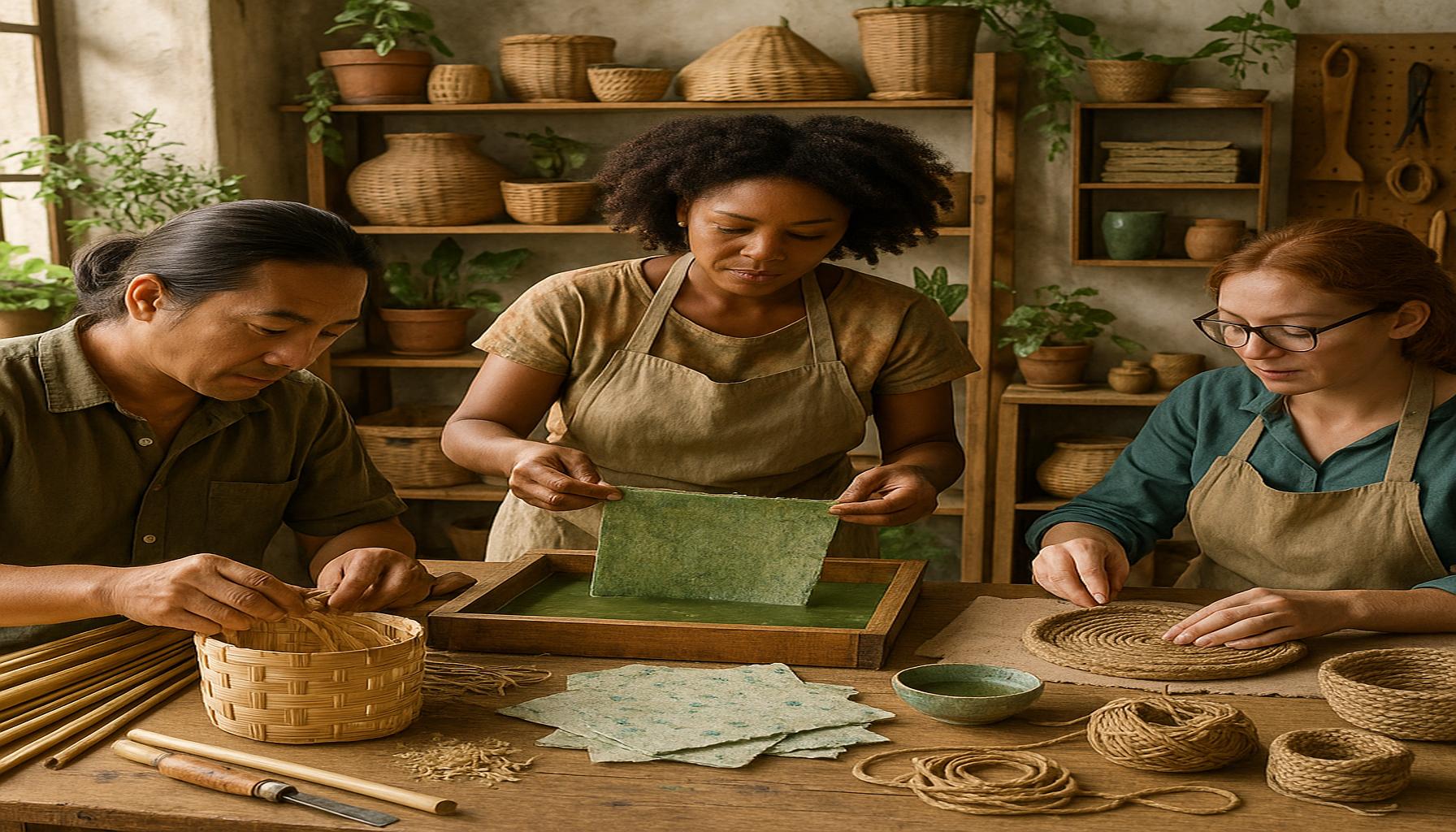
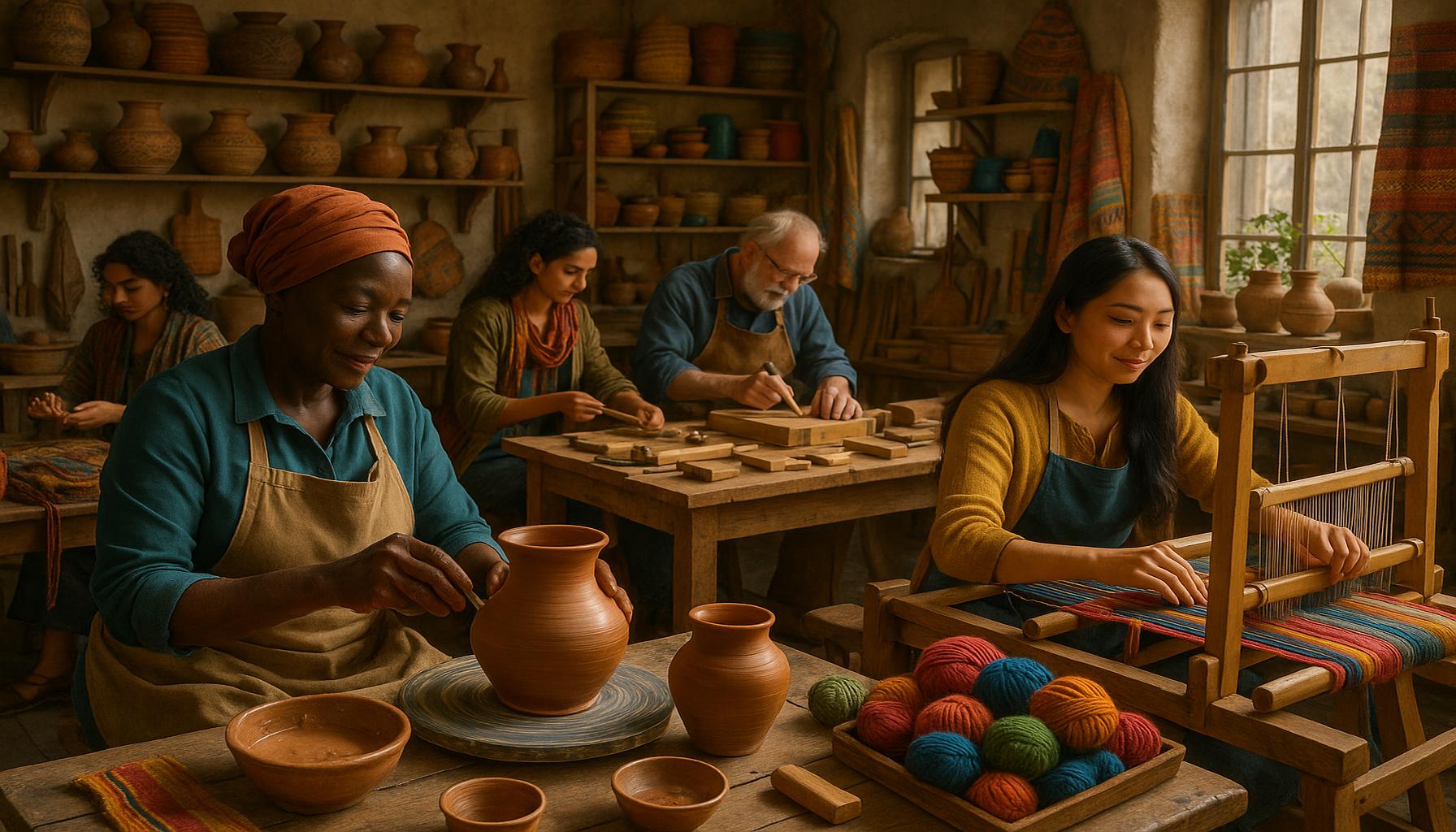
The second element of this empowering movement is community. Artisans often build supportive networks that foster collaboration and encouragement. A great example is the community of makers in Asheville, North Carolina, where local artisans gather to share ideas, techniques, and resources. This cooperative spirit not only nurtures individual growth but also strengthens the local economy, demonstrating how interconnected artisanship and community engagement can be.
Finally, the impact of self-expression in craftsmanship cannot be underestimated. Through their work, artisans communicate their stories and emotions. For example, a group of textile artists in New Mexico creates pieces that reflect their cultural heritage, using traditional techniques combined with modern themes. Each woven tapestry or quilt tells a story of identity, resilience, and hope, weaving together personal narratives with broader cultural histories.
These narratives are more than just tales of survival; they illuminate the potent link between craftsmanship and empowerment. As individuals harness their creative abilities, they unlock doors to opportunities previously deemed unattainable. By delving into these inspiring stories, we uncover not just the artistry involved, but the profound changes that occur when creativity meets perseverance.
Join us in discovering how artisans across the nation are crafting not only their works but also their destinies. Their journeys remind us that through creativity, we can empower ourselves and build supportive communities, one handmade creation at a time.
DISCOVER MORE: Click here to learn sustainable cooking techniques
Resilience Through Craftsmanship
The journey of many artisans often begins not with the creation of beautiful pieces, but with a deep-seated need for healing and expression. In a world that frequently demands conformity, artisanship offers a sanctuary where individuals can reclaim their narratives. One such inspirational example is the story of Mary Johnson, a ceramic artist from Michigan who discovered pottery while coping with the grief of losing a loved one. Through her delicate hand-thrown vessels, Mary expressed her pain and gradually transformed it into beauty. Not only did she channel her emotions into her creations, but she also found a healing community within local pottery classes, which became a pivotal support system during her recovery.
Mary’s experience underlines a significant aspect of craftsmanship: resilience. Many artisans report that pursuing their craft is akin to therapy, a therapeutic process that allows them to confront their struggles head-on. According to a recent survey conducted by the American Craft Council, over 70% of artisans stated that their craft has played a crucial role in their emotional health. When individuals engage in hands-on creative processes, they often report reductions in anxiety, increased mindfulness, and a sense of purpose. This therapeutic aspect may vary from person to person, but the core benefit remains constant: the act of creating is inherently empowering.
The Power of Community Collaboration
Another profound element of the artisanship movement is the nurturing of community, which serves as both a support structure and a catalyst for growth. In cities like Portland, Oregon, and Nashville, Tennessee, artisan cooperatives thrive, fostering an environment of shared knowledge and resources. These cooperatives not only offer a space for artisans to collaborate but also provide access to essential market opportunities that can elevate their craft into a sustainable livelihood.
Consider the community of makers in Atlanta, Georgia, where artisans engage in regular workshops. Here, aspiring woodworkers learn the intricacies of their craft not just from experts, but also from their peers, creating an atmosphere of mutual encouragement. The camaraderie formed in these settings leads to storytelling sessions, collaboration on projects, and newfound friendships that often extend beyond the workshop. The act of sharing knowledge cultivates a spirit of innovation and creativity, highlighting how collaboration can enhance personal and professional growth.
Examples of Community Engagement
- Artisan Markets: Local markets provide platforms for artisans to showcase their work, gain feedback, and interact with their community.
- Skill-Sharing Workshops: Events where artisans teach specific techniques allow for cross-pollination of ideas and methods.
- Collaborative Projects: Group initiatives that bring together different crafts strengthen community ties and enrich the creative process.
As we delve deeper into the stories of these artisans, we uncover a layered understanding of empowerment. Their experiences illustrate that craftsmanship is more than just a way to make a living; it is a tool for reclaiming identity and purpose. Through the art of making, they are not only crafting products, but they are also molding their futures, one creation at a time.
| Category | Key Features |
|---|---|
| Artisan Training Programs | Skill development and mentorship enhance craftsmanship. |
| Community Empowerment | Collaborative workshops foster a sense of belonging and shared learning. |
| Financial Stability | Microloans provide the capital needed to start small businesses. |
| Cultural Preservation | Traditional techniques are maintained and taught to future generations. |
Craftsmanship extends beyond mere skill; it is a pathway to empowerment for countless artisans around the globe. For many participants in artisan training programs, skill enhancement often pairs with mentorship opportunities that elevate the quality of their work and leads to greater income potential. These programs not merely set the stage for individuals to learn a craft but also open doors to new economic opportunities.Furthermore, community empowerment through collaborative workshops creates a supportive network where artisans can share knowledge and experience. This unity not only cultivates a rich learning environment but also fosters an invaluable sense of connection amongst creators. The integration of microloans into these schemes is revolutionary, allowing talented artisans to secure essential funding that bridges the gap between aspiration and achievement, assuring financial stability.Lastly, through this artistic journey lies the vital aspect of cultural preservation. The revival and teaching of traditional techniques ensure that time-honored skills are not lost to modernity. This dynamic interplay between craftsmanship and empowerment illustrates the profound impact that creativity can have on individual lives and entire communities. Such inspiring narratives compel us to delve deeper into the transformative power of creativity in the lives of artisans.
DISCOVER MORE: Click here to learn how music fosters community bonds
Skills Development and Economic Independence
Beyond the emotional benefits of craftsmanship, the practical aspects of skills development can lead to significant economic independence for artisans. Many individuals enter the world of making as a hobby, but soon discover that their skills can translate into lucrative business opportunities. This transformation is particularly evident among artisans who leverage online platforms to reach wider markets.
A prime example is Sarah Thompson, a jewelry designer from San Francisco, who began creating handmade jewelry to complement her income as a graphic designer. As she honed her skills and refined her designs, she opened an Etsy shop and subsequently expanded to her own website. Sarah’s journey illustrates how artisans can harness the power of digital marketing and e-commerce to create sustainable businesses. In fact, according to a report from the Craft Industry Alliance, handmade businesses generate over $2 billion annually, highlighting a substantial economic impact driven by creative entrepreneurs.
Support for Artisan Entrepreneurs
- Mentorship Programs: Organizations like the Artisan’s Portal offer mentorship and training for new artisans, helping them navigate the complexities of entrepreneurship.
- Access to Microloans: Initiatives that provide microloans specifically for artisans can assist in purchasing necessary materials and equipment, thus reducing the financial barriers to entry.
- Business Development Workshops: These workshops equip artisans with essential knowledge in marketing, finance, and inventory management, empowering them to manage their craft as a business.
Events like the American Craft Council’s Craft Show play a pivotal role in providing a platform for artisans to showcase their creations. Here, artisans engage directly with consumers, gather valuable market feedback, and build relationships within the craft community. This exposure can lead to collaboration opportunities and increased sales, essential components for an artisan’s economic viability.
Moreover, the rise of social media has profoundly changed the landscape for artisans. Platforms such as Instagram and Pinterest empower artisans to share their creative processes and connect with larger audiences than ever before. This visibility not only enhances their market reach but also creates an engaging narrative around their craftsmanship, which can be a powerful tool for attracting customers. Many artisans report that meaningful engagement with followers fosters a sense of community around their brands, contributing to both personal fulfillment and business growth.
Artisan Empowerment Through Ethical Practices
In addition to economic benefits, the focus on ethical craftsmanship has become a driving force in empowering artisans, particularly those in developing communities. Fair trade practices ensure that artisans receive fair compensation for their work, allowing them to reinvest in their businesses and communities. By adhering to sustainable materials and processes, artisans not only contribute to a healthier planet but also create products that resonate with conscious consumers.
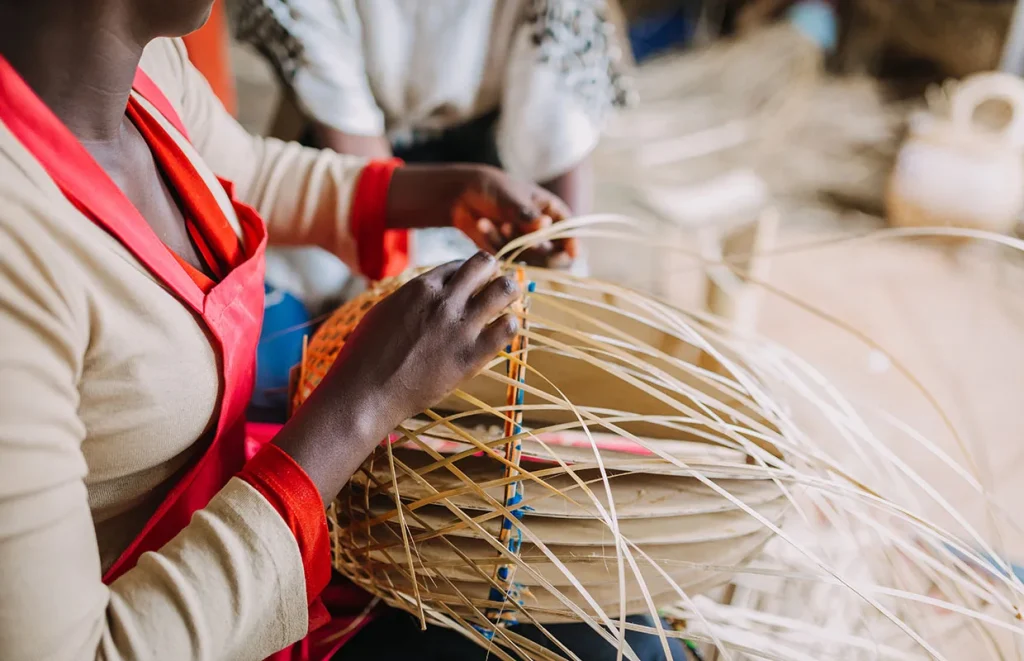
One compelling example is a collective of basket weavers in Oaxaca, Mexico. Through fair trade initiatives, these artisans are able to preserve their traditional techniques while earning a stable income. As a result, many of them have been able to send their children to school and improve their living conditions. This highlights the dual impact of craftsmanship: it not only sustains local traditions but also facilitates socioeconomic mobility.
As the movement of ethical artisanship continues to grow, there is a greater emphasis on empowering marginalized communities. Through education, skill development, and fair trade practices, artisans are reclaiming their narratives, creating a legacy that extends beyond their creations. Each story of transformation adds to the rich tapestry of the artisanship movement, underscoring the profound connection between craftsmanship and empowerment.
DISCOVER MORE: Click here to dive deeper
Conclusion: The Transformative Power of Craftsmanship
The stories of artisans highlight the undeniable link between craftsmanship and empowerment, providing not just a means of self-expression but also a pathway to personal and financial independence. As evidenced by individuals like Sarah Thompson and communities such as the basket weavers in Oaxaca, creativity becomes a catalyst for change. These artisans not only showcase their unique skills but also challenge the status quo, utilizing their craft to build sustainable livelihoods while preserving cultural heritage.
Moreover, the growth of online marketplaces and social media platforms has revolutionized the artisan landscape, enabling creators to reach global audiences and turn passions into profitable ventures. The emerging support systems such as mentorship programs, microloans, and business development workshops further reduce barriers for aspiring artisans, fostering a thriving ecosystem of creativity and entrepreneurship. As these artisans share their journeys, they inspire others to explore their creative talents, reinforcing the notion that everyone has the potential to transform their lives through artistry.
In conclusion, embracing craftsmanship is not merely about the products that are created; it is about the stories behind them. Each handmade item carries with it the echoes of resilience, tradition, and innovation. As consumers increasingly gravitate towards ethically made goods, the artisanal movement provides an opportunity to support not just individual artisans but also sustainable practices that benefit communities. The narratives of craftsmanship and empowerment beckon further exploration, urging us to consider how we can be a part of this transformative journey.