The Therapeutic Impact of Crafting: How Creation Can Improve Mental Health
The Therapeutic Impact of Crafting
In an increasingly hectic world, finding effective ways to manage mental health has become crucial. Engaging in activities that foster creativity can be incredibly beneficial to our emotional and psychological well-being. Crafting, an umbrella term that encompasses a variety of creative pursuits—from knitting and sewing to woodworking and pottery—has emerged as a powerful tool for enhancing mental health. Whether it’s knitting a colorful scarf, building a model airplane, or creating intricate handmade cards, the act of creating contributes to a greater sense of fulfillment and connection to oneself.
How Does Crafting Help?
The therapeutic effects of crafting can be explained through various aspects that tap into both psychological and emotional healing:
- Mindfulness: Engaging in crafting promotes a meditative state. As individuals focus on the repetitive actions involved—like the rhythmic stitching of fabric or the careful placement of beads—they often find themselves in a calming flow, allowing for a profound state of relaxation. This focus on the present moment can alleviate stress and anxiety, highlighting the importance of mindfulness in everyday life.
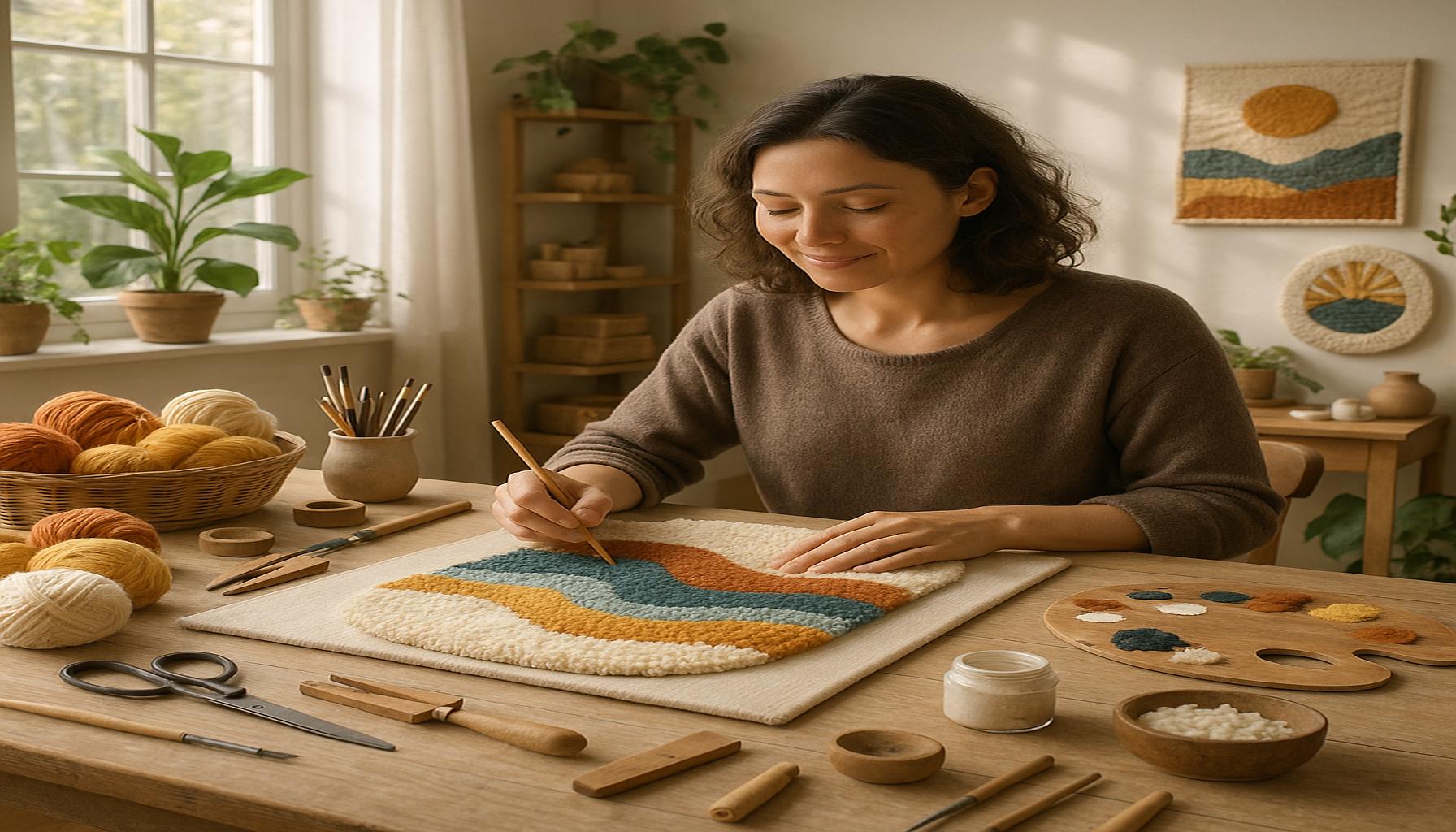
- Emotional Expression: Crafting provides an avenue for expressing feelings, which can be particularly helpful for those struggling to articulate their emotions verbally. Whether through the choice of colors in painting or the themes of scrapbook pages, individuals can channel their moods and experiences into tangible forms. This creative expression can facilitate self-discovery and emotional release, turning feelings of chaos into structured artistry.
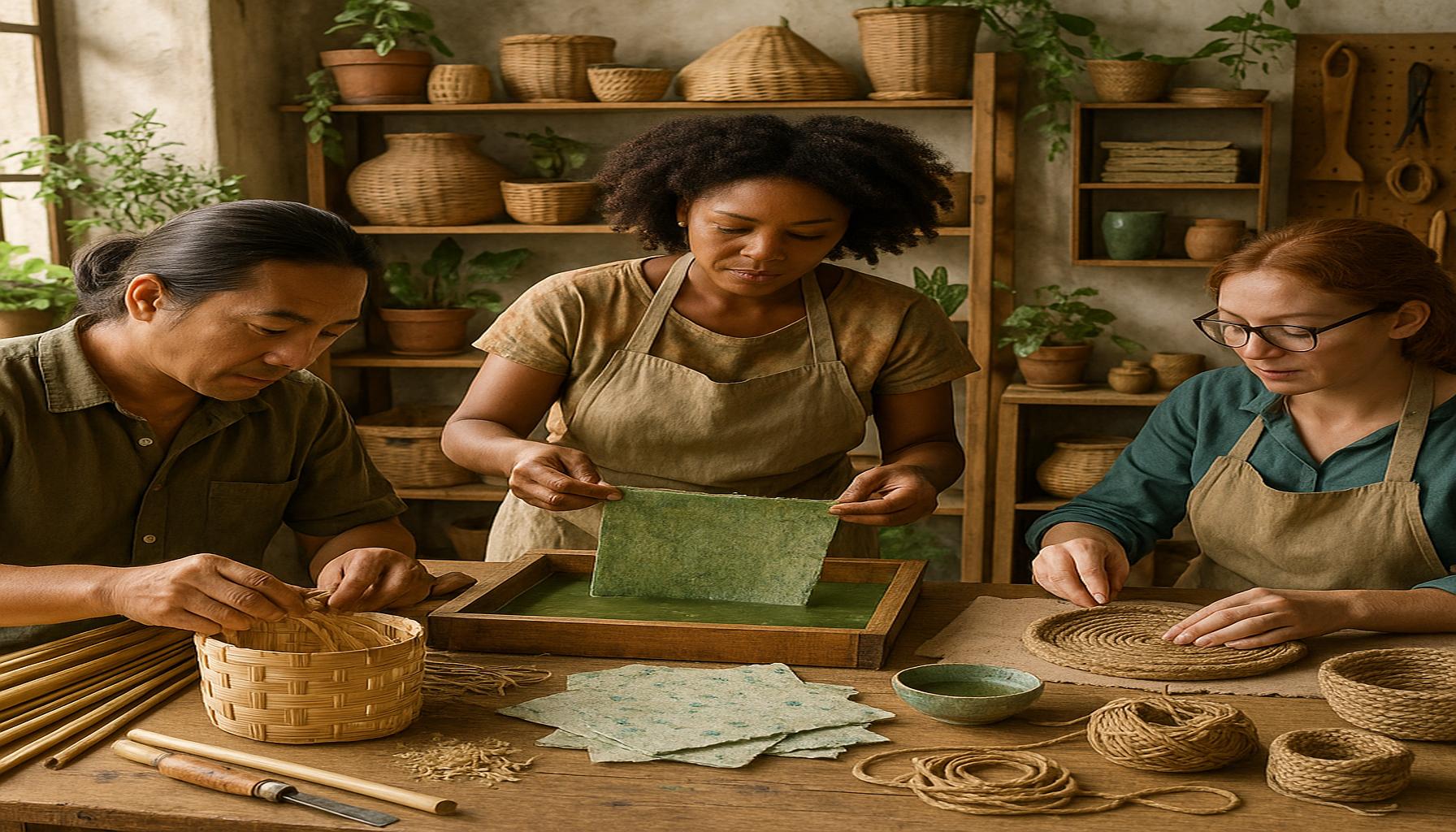
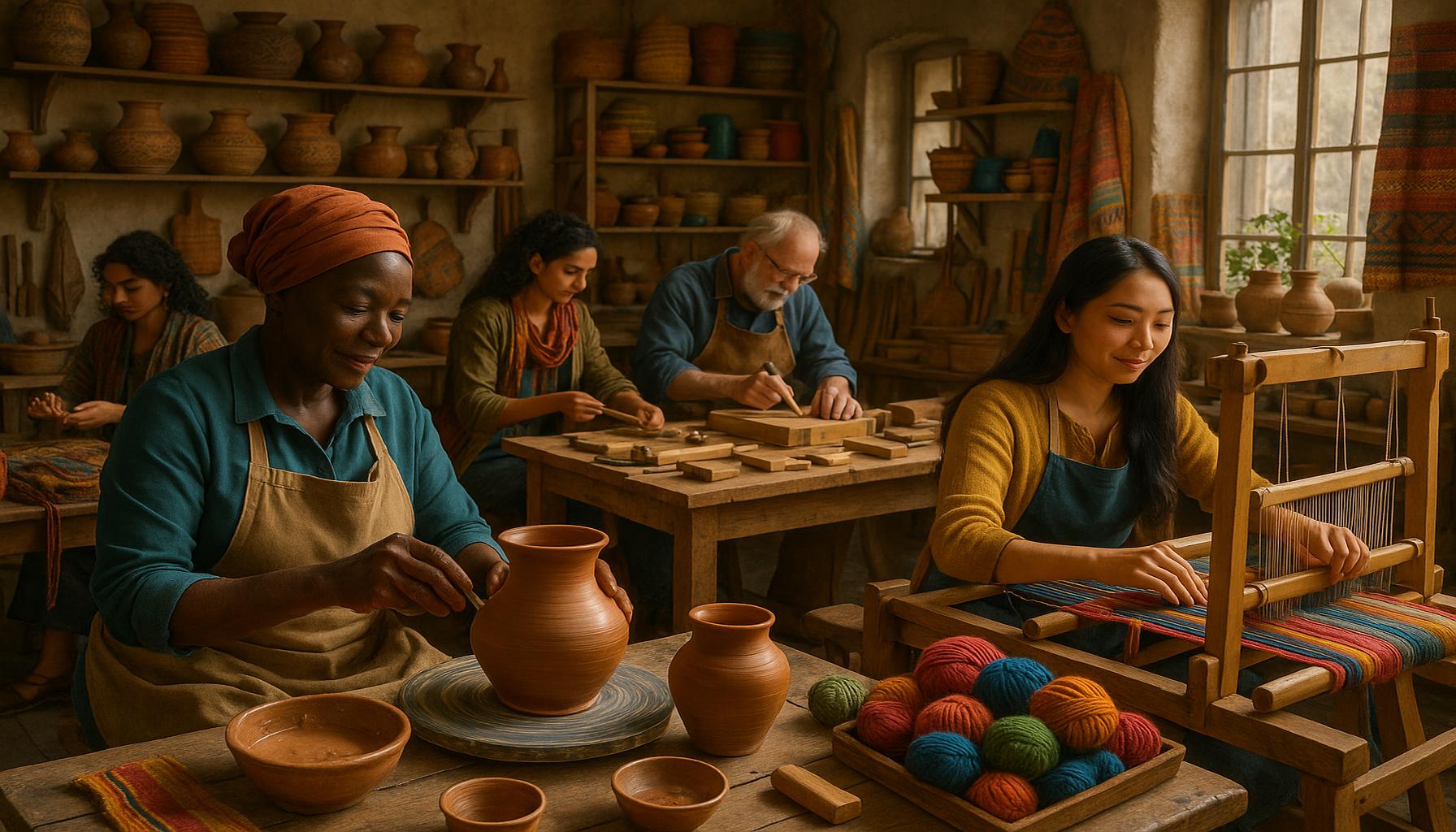
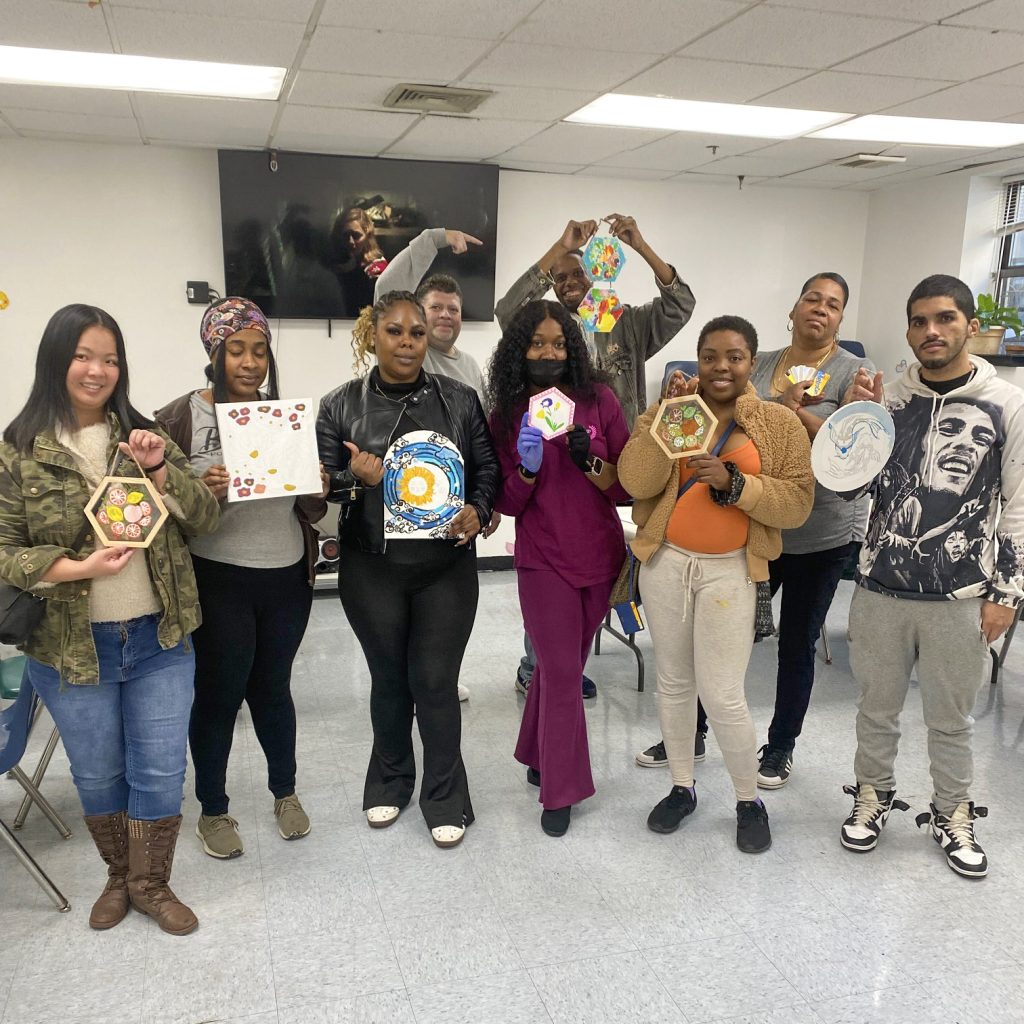
- Social Connectivity: Crafting often fosters community, whether through shared spaces, workshops, or collaborative projects. Local knitting circles or pottery classes not only allow crafters to learn new skills but also to forge connections with others, thereby reducing feelings of isolation. Social crafting initiatives, such as group art therapy sessions, are increasingly utilized in therapeutic settings to anyone from children to seniors, emphasizing the universal nature of craftsmanship as a bonding experience.
Research and Data Insights
Research supports the numerous benefits of engaging in creative activities, revealing substantial improvements in mental health indicators:
- Anxiety Reduction: Numerous crafters have reported lower anxiety levels after immersing themselves in their projects. A study published in the journal *Art Therapy* found that participants experienced decreased levels of anxiety after engaging in crafting for just 45 minutes, reflecting the calming effects of creative engagement.
- Enhanced Mood: Creating something tangible often results in a notable sense of accomplishment that can significantly lift spirits. Psychologists suggest that the satisfaction derived from completing a craft project releases dopamine—a chemical associated with pleasure—enabling individuals to experience improved moods and elevated self-esteem.
- Cognitive Benefits: Crafting stimulates brain areas involved in problem-solving and creativity, keeping the mind sharp. Engaging in crafting activities has been shown to enhance cognitive function, sparking innovation and creative thinking, essential skills in both personal and professional realms.
As more individuals recognize the powerful link between crafting and improved mental health, this art form is being embraced not only as a hobby but also as a viable pathway to healing. Whether attending local craft fairs, participating in workshops at community centers, or simply dedicating time each week to one’s favorite craft at home, integrating crafting into daily life can lead to profound changes in one’s mental health journey. With creativity at its core, crafting invites us to make connections—both with ourselves and with others—transforming the act of creation into a significant source of joy and resilience.
Dive deeper: Click here to learn more
The Multifaceted Benefits of Crafting on Mental Health
Crafting is not merely a leisure activity; it can also serve as a beacon of hope for those navigating the complexities of mental health challenges. The various forms of crafting—be it painting, woodworking, or sewing—each bring unique benefits, collectively such pursuits create a powerful avenue for healing. Incorporating crafting into one’s routine is not only a way to tap into creativity; it serves as a holistic approach to mental well-being.
Mindfulness Through Crafting
The essence of crafting often lies in its ability to bring awareness to the present moment, making it a prime practice of mindfulness. As practitioners engage in their artistry, the repetitive motions and focused attention required can induce a tranquil state that parallels meditation. This type of mindfulness has been shown to help reduce stress and anxiety levels. Studies indicate that those who partake in crafting for approximately just 30 minutes report significant reductions in their overall stress levels. Crafting provides a wonderful escape, allowing individuals to momentarily set aside their worries and immerse themselves in a world of creation.
Creative Expression as Emotional Release
Emotionally, crafting serves as a powerful outlet. Many individuals struggle to convey their feelings through words, but crafting allows for the visualization of thoughts and emotions. Whether through vibrant colors on a canvas or poignant shapes sculpted from clay, each project can embody a sense of personal narrative. This form of creative expression not only fosters self-discovery but can also facilitate emotional release, transforming turmoil into an artistic representation. The act of selecting materials can subconsciously mirror one’s mood, serving as an intriguing form of self-therapy.
The Power of Community and Social Connectivity
In addition to personal benefits, crafting often fosters social interactions and community ties. Crafting groups, whether local knitting circles or community pottery classes, provide spaces for individuals to connect over shared interests. These spaces reduce feelings of isolation and promote a sense of belonging, which can be especially beneficial for those experiencing anxiety or depression. Collaborating on projects can build friendships that extend beyond the craft itself, creating supportive networks of like-minded individuals.
Moreover, many organizations are beginning to recognize the therapeutic potential of crafting. Initiatives like community art therapy programs cater to diverse populations—including veterans and the elderly—demonstrating crafting’s versatility as an intervention tool across different age groups and backgrounds.
A Pathway to Recovery
As we delve deeper into the research, the evidence supporting the mental health benefits of crafting continues to grow. For instance, a study published in the *Journal of Health Psychology* highlighted a correlation between crafting activities and lower levels of depression in participants who regularly engaged in creative projects. This reinforces the growing notion that crafting can serve as a compelling path to mental health recovery, encouraging individuals to seek comfort in creativity.
Embracing the artistic journey not only results in a finished product but also paves the way for inner peace and resilience. The transformative power of crafting lies within its ability to connect us—to ourselves and to each other—creating a symphony of creativity that resonates deeply within the spirit of each creator.
The Therapeutic Impact of Crafting: How Creation Can Improve Mental Health
Crafting is not merely an enjoyable pastime; it serves as a powerful tool for enhancing mental wellness. Engaging in activities such as knitting, painting, or woodworking can significantly reduce stress levels and foster emotional resilience. This section delves into the multifaceted benefits of crafting as a therapeutic outlet, illustrating its positive influence on mental health through various lenses.
| Category of Crafting | Advantages |
|---|---|
| Mindfulness Activities | Enhances focus and promotes present-moment awareness, reducing anxiety and fostering calmness. |
| Expressive Arts | Provides a creative outlet for emotions, allowing individuals to process feelings and experiences productively. |
| Community Workshops | Fosters social connections through collaborative experiences, reducing feelings of isolation. |
Moreover, numerous studies suggest that the physical act of crafting can invoke a state of flow, where individuals become immersed in their creative processes. This immersion not only boosts self-esteem but also encourages a sense of accomplishment upon completion of projects. With tangible results to boast, participants often find their mood uplifted, making crafting a dual-purpose activity that marries productivity with pleasure.
As crafting continues to gain traction within mental health circles, it represents a promise for holistic healing. By harnessing the power of creativity, individuals can unlock profound pathways to psychological growth and resilience, leading to a happier, healthier life.
DISCOVER MORE: Click here to learn about fun gardening activities for kids
The Therapeutic Properties of Crafting: Bridging Healing and Creativity
Beyond the immediate emotional benefits, crafting offers several therapeutic properties that align closely with mental health practices. These properties can help individuals cultivate a positive mindset and enable them to confront their emotional struggles in a constructive manner. By looking deeper into these therapeutic aspects of crafting, we can uncover how these practices contribute significantly to enhanced well-being.
The Science Behind Creativity and Brain Function
Research has shown that engaging in creative activities, such as crafting, can lead to measurable changes in brain function. A study conducted at Drexel University revealed that participants who indulged in creative projects experienced a surge in dopamine—the neurotransmitter associated with pleasure. This dopamine release can enhance mood, promote motivation, and decrease feelings of anxiety. Consequently, crafting can become a healthy coping mechanism for those dealing with mental health adversities.
Additionally, when crafting becomes a routine practice, it can lead to neuroplasticity, where the brain forms new neural pathways. Activities like knitting or painting can improve focus and cognitive flexibility, allowing individuals to process emotions better and fostering resilience in the face of adversity.
Crafting as a Form of Mind-Body Therapy
Crafting inherently promotes a connection between the mind and body, enriching the therapeutic experience. Styles such as clay modeling or woodworking involve tactile engagement, enabling the creator to channel emotions through physical action. This kinesthetic aspect reinforces the idea that the body and mind are intricately linked, providing an outlet for emotional burden. As individuals work on their projects, the tactile sensation of the materials can pacify negative thoughts, grounding them in the physical world.
Incorporating elements like aromatherapy into crafting can amplify this mind-body connection. For instance, the soothing scents of essential oils can be utilized during a crafting session to promote relaxation and clarity. This multidimensional approach adds another layer of therapeutic potential to the practice of crafting.
Crafting and Coping Mechanisms
Crafting serves as an effective tool for establishing coping mechanisms amid life’s stressors. Many therapists now recommend creative activities as part of coping strategies for clients dealing with stress, trauma, or mental health disorders. For example, engaging in art therapy provides a safe space for individuals to process their feelings, bridging the gap between verbal expression and creativity. Such practices have been shown to facilitate survival coping strategies, which help individuals navigate their emotional challenges more adeptly.
- Create projects that embody personal stories, fostering a narrative of resilience.
- Engage with art therapists who incorporate crafting into therapeutic sessions, enriching the healing experience.
- Explore various forms of crafting—such as collage-making or scrapbooking—to find the most resonant practices that foster joy and fulfillment.
In some cases, therapeutic crafting extends beyond individual practice and becomes a form of social intervention. Organizations like the Pine Street Inn in Boston provide crafting workshops for the homeless, allowing individuals not only to create but also to develop a sense of purpose and belonging in a community setting.
As creativity becomes intertwined with healing, the potential of crafting continues to shine through as a profound avenue for improving mental health. The act of creating possesses an extraordinary ability to mold negative experiences into positive expressions, fostering both individual and communal growth in the journey toward mental well-being.
EXPLORE MORE: Click here to discover essential cooking tips
Conclusion
As we unravel the intricate relationship between crafting and mental health, it becomes increasingly evident that the simple act of creation possesses remarkable therapeutic potential. From fostering emotional resilience through the release of dopamine to promoting cognitive flexibility via neuroplasticity, engaging in crafting activities can lead to profound changes in both mood and overall well-being. The mind-body connection inherent in tactile crafting acts as an invaluable outlet for emotional expression, providing individuals a means to process their feelings constructively.
Moreover, creative activities serve as accessible and versatile coping mechanisms for handling stress, trauma, and various mental health challenges. Involving oneself in projects that encapsulate personal stories not only nurtures a narrative of resilience but also invites community connection, as witnessed through social initiatives like those at the Pine Street Inn. As mental health professionals increasingly endorse artistic practices, the integration of crafting into healing modalities becomes a promising frontier in psychological care.
While this article highlights just a fraction of the therapeutic impact of crafting, the journey towards mental well-being is both individual and multi-faceted. Whether through knitting, painting, or any other form of creative expression, cultivating a habit of crafting can serve not only as a personal sanctuary but also as a pathway towards emotional healing and fulfillment. In an age where mental health challenges are surging, embracing the power of creation might just be the key to unlocking better emotional health for many. Thus, we encourage readers to explore crafting as both a therapeutic avenue and a joyful pursuit, inviting the vibrant colors of creativity into their lives for a happier, healthy mindset.