The Renaissance of Craft: How the Search for Authenticity Is Redefining the Creative Market
Changing Landscape of Craft and Authenticity
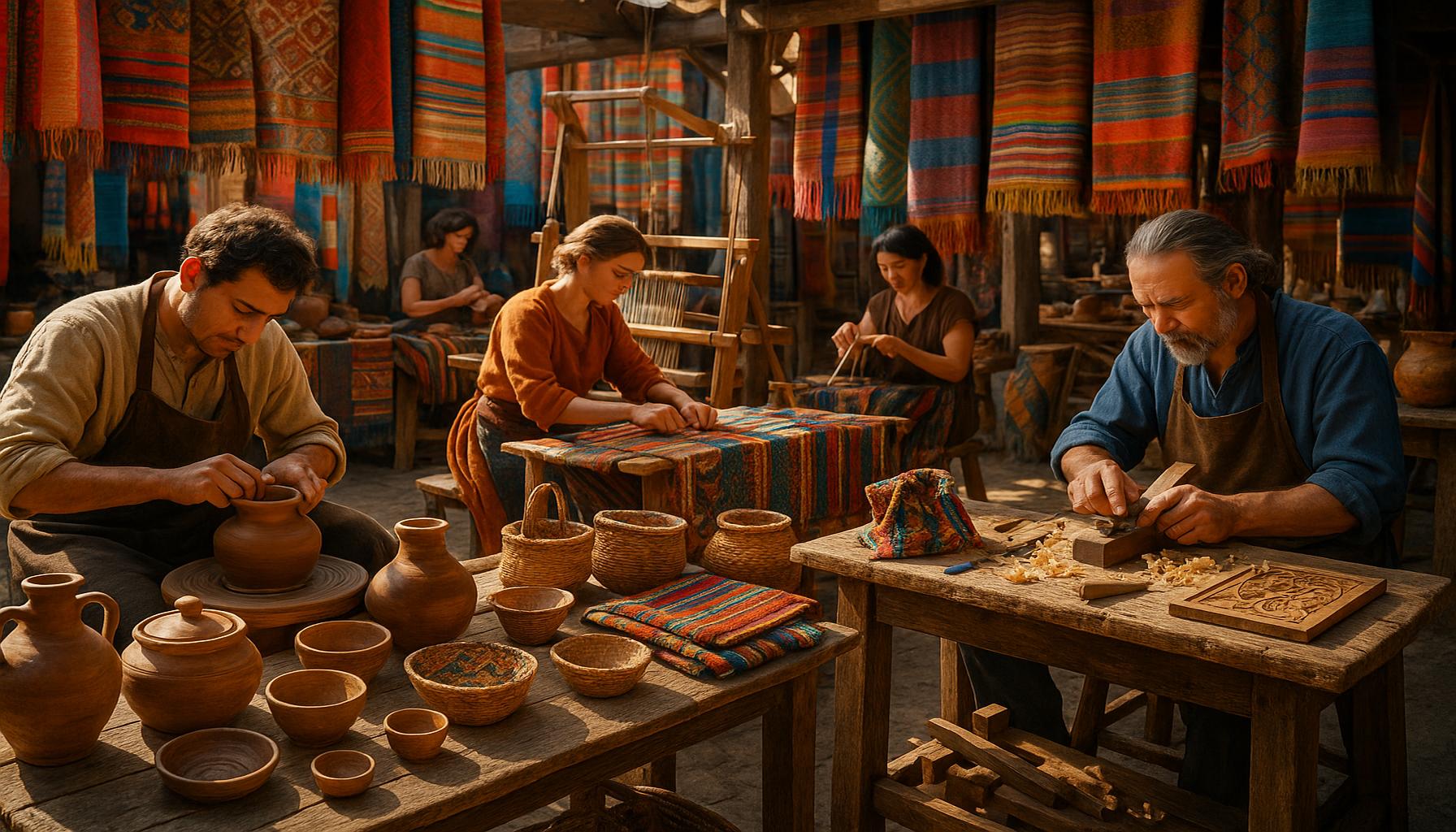
The creative market is experiencing a remarkable transformation. As consumers increasingly seek authenticity in a world saturated with mass-produced items, the movement towards craft-centric products is gaining momentum. This quest for genuine experiences is reshaping how artists and creators operate, leading to innovative offerings and practices that resonate with many.
Several key trends are emerging in this renaissance of craft, reflecting not only consumer preferences but also broader cultural shifts:
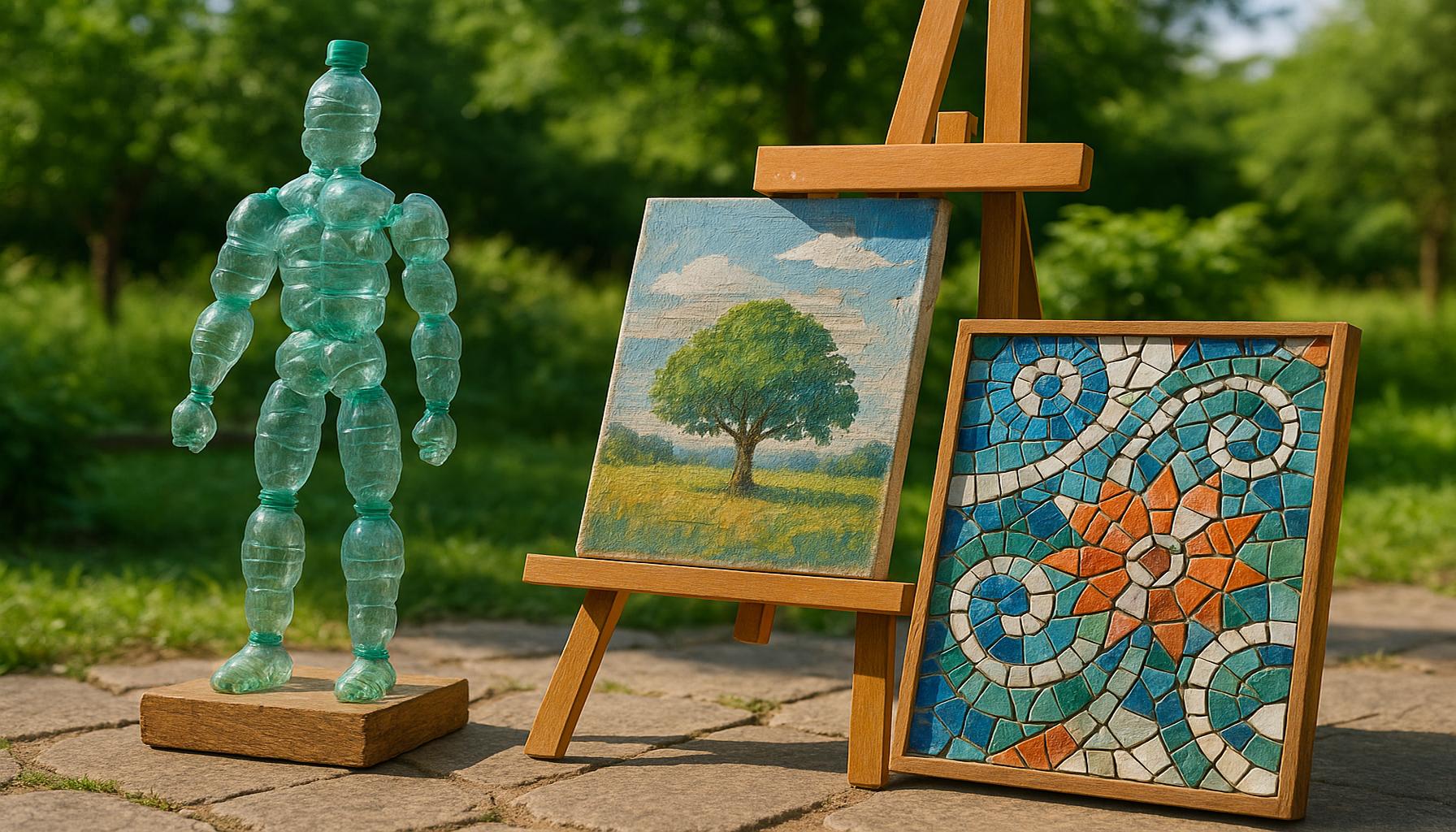
- Artisanal Goods: Handcrafted products are becoming more popular, with a growing emphasis on quality over quantity. From gourmet food items like handcrafted cheeses and chocolates to custom furniture that is both functional and beautiful, consumers are drawn to the distinctive nature of these products. For instance, small-batch distilleries are surfacing in various states, producing unique craft spirits that offer a taste of local heritage and ingenuity, further enhancing their appeal.
- Local Sourcing: The trend towards supporting small businesses and local artisans is on the rise. Consumers are becoming more conscious of where their purchases come from, with many opting to buy locally made products. Initiatives like farmers’ markets and craft fairs showcase a diverse range of locally sourced goods, encouraging community engagement and sustainable practices. This support fosters a sense of connection to one’s community and ensures that artisans receive fair compensation for their work.
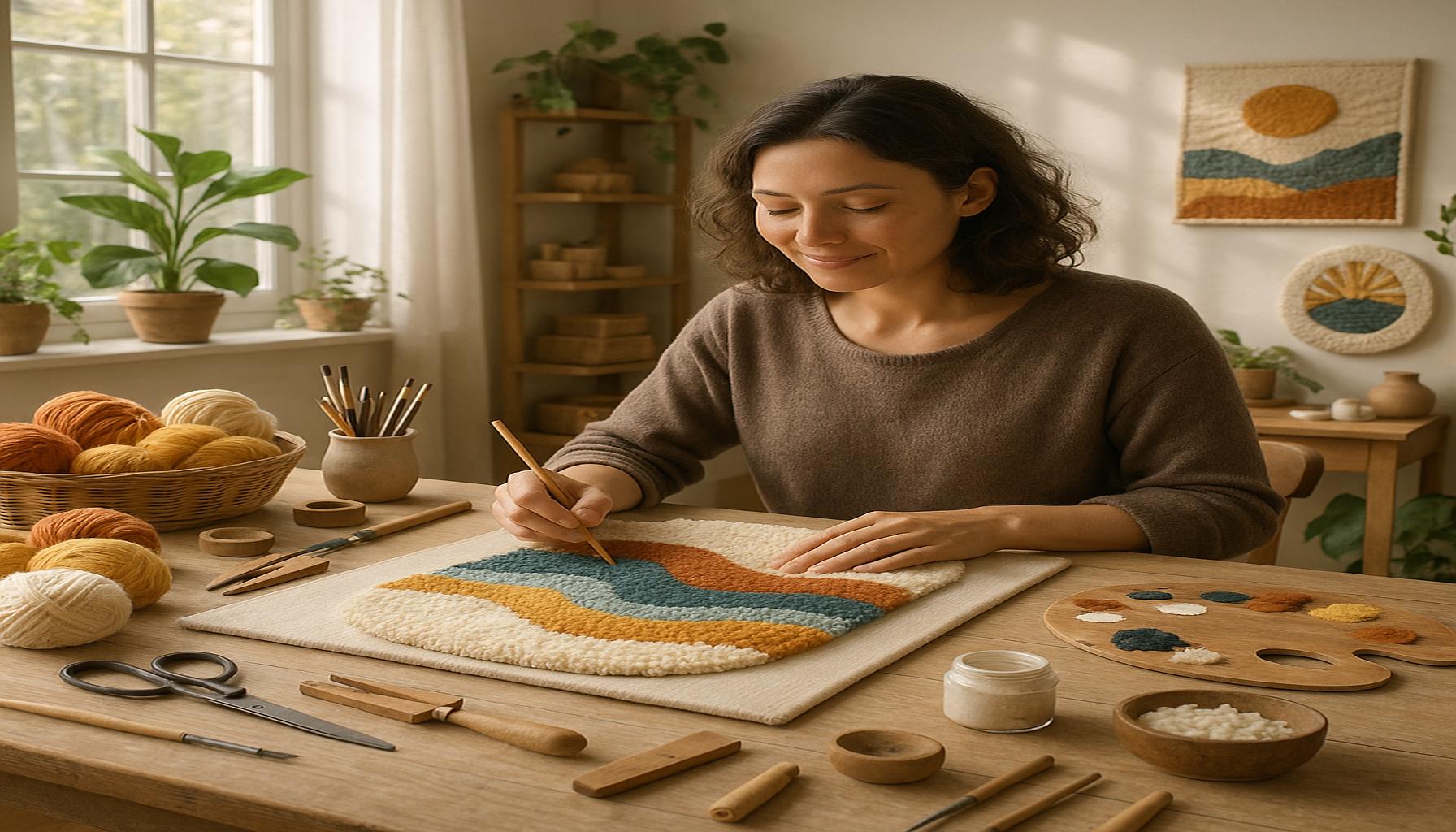
- DIY Culture: The rise of crafting workshops and DIY-centric platforms is empowering individuals to create and personalize their own items. Workshops ranging from pottery and woodworking to painting and sewing not only provide skill development but also foster social connections. The popularity of online platforms, such as Etsy, amplifies this trend, allowing people to explore their creative potentials and perhaps even turn hobbies into profitable businesses.
This shift in consumer behavior reflects a broader societal change, driven by a desire for connection and individuality. In a fast-paced digital world where mass production often leaves little room for personal touch, the allure of handcrafted quality serves as a counterbalance to the impersonal nature of conventional retail experiences. Consumers are increasingly valuing stories and experiences that lie behind artisanal products, leading to a deeper appreciation for craftsmanship.
As we delve deeper into this topic, we will explore how the search for authenticity is influencing various sectors, including:
- Fashion: The growing interest in sustainable fashion and ethical production practices emphasizes handmade and locally produced clothing, reducing environmental impact and promoting fair labor.
- Home Decor: Unique handmade fixtures and art pieces are treasured as they narrate individual stories and enhance the aesthetic appeal of living spaces.
- Food and Beverage: Chefs and food producers are now focusing on sourcing local ingredients and crafting dishes that highlight their regional origins, reflecting a farm-to-table ethos.
Join us in uncovering how this renaissance is redefining the landscape of the creative market, shaping not just consumer choices but also the futures of diverse industries across the United States.

DISCOVER MORE: Click here to dive into international recipes
The Resurgence of Artisanal Craftsmanship
In this era marked by technological advancements and the convenience of online shopping, the resurgence of artisanal craftsmanship is a noteworthy counter-trend. As consumers increasingly crave personalized and unique experiences, they are turning away from mass-produced items and gravitating towards handcrafted products that tell a story. The rise of artisanal goods underscores a broader cultural shift wherein the value of authenticity becomes paramount.
The artisanal movement is not confined to romantic notions of craftsmanship; it is rooted in a demand for quality and integrity. Many consumers are now prioritizing products that are not only made with care but also contribute to local economies. For example, the growth of craft breweries has transformed the beverage landscape, with more than 9,200 craft breweries operating across the United States as of 2022. These establishments are celebrated not just for their diverse beer offerings but also for their innovative brewing methods and commitment to local ingredients, drawing in patrons eager to support small businesses and savor distinctive regional flavors.
The Impact on Market Dynamics
This renaissance of craft is reshaping market dynamics across various sectors, leading to a more nuanced understanding of consumer expectations. The following trends highlight how the search for authenticity is redefining the creative market:
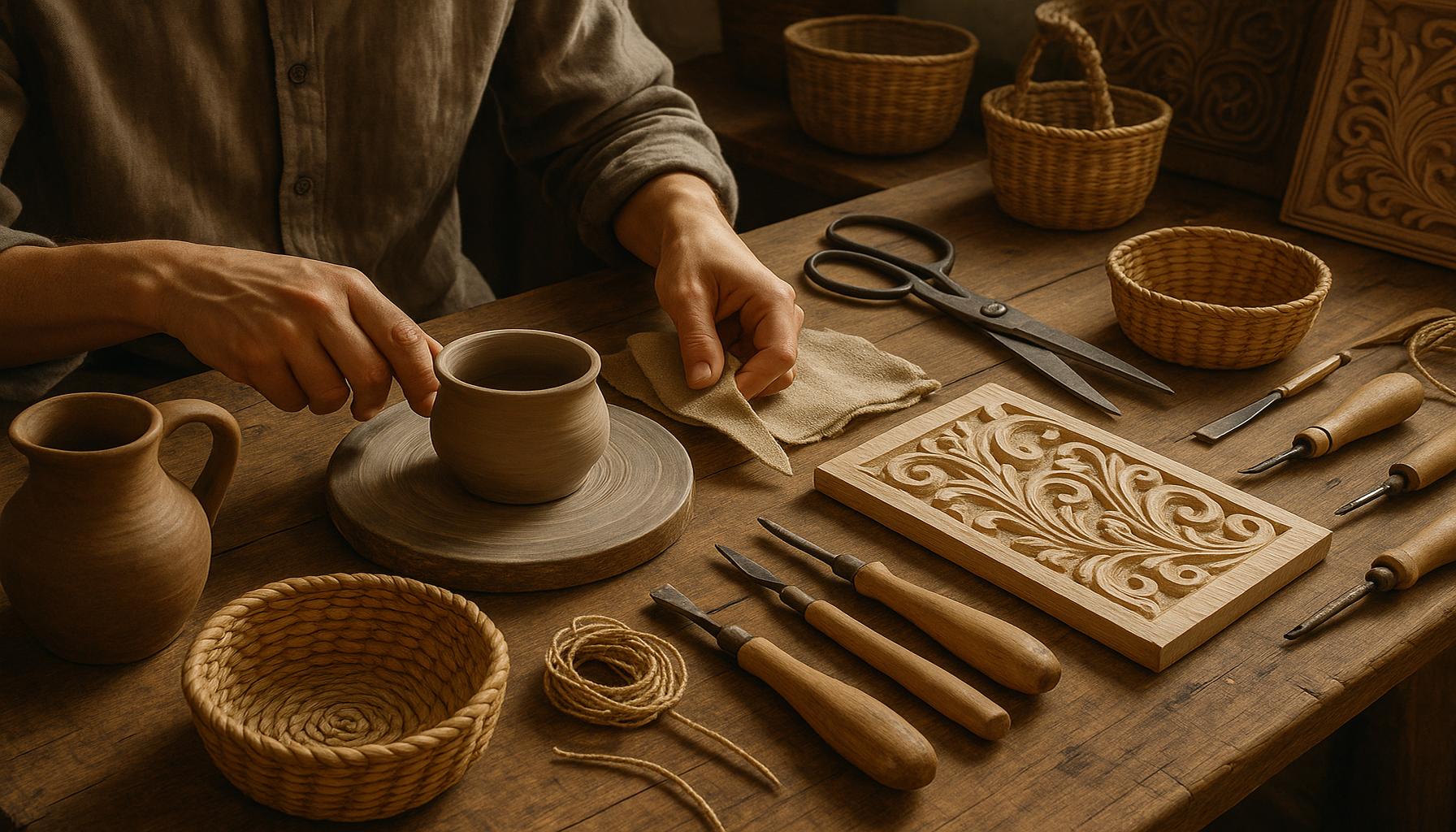
- Revival of Traditional Techniques: Artisans are resurrecting time-honored techniques that often incorporate sustainable practices. From glassblowing to handweaving, the revival of these skills not only celebrates cultural heritage but also emphasizes the craftsmanship involved in creating each piece.
- Collaborative Communities: The rise of co-working spaces and artisan collectives fosters collaboration among like-minded creatives. These shared environments encourage the exchange of ideas and skills, leading to innovative products that reflect the collective ethos of the community.
- Transparency in Production: As consumers become more scrutinous of where and how products are made, brands that provide transparency in their production processes gain a competitive edge. Many artisans are open about their sourcing, methods, and the stories behind their creations, which resonates with a consumer base eager for authenticity.
Moreover, this renewed interest in craftsmanship finds a growing audience among younger generations, who prioritize experience over material possessions. The millennials and Gen Z consumers are not only purchasing artisanal products but are embracing the culture that surrounds them. This demographic is particularly inclined to share their discoveries on social media, further amplifying the visibility and reach of these crafted goods. The intersection of digital platforms and artisanal practices enables creators to directly engage with their audience, cultivating a loyal following that values authenticity and story as much as the products themselves.
As we delve deeper into specific sectors influenced by this craft renaissance, it becomes clear that the interplay of authenticity and creativity will continue to shape consumer culture, giving birth to a vibrant marketplace defined by the uniqueness and stories behind every item.
The Renaissance of Craft: How the Search for Authenticity Is Redefining the Creative Market
As we dive deeper into the current landscape of the creative market, it becomes increasingly clear that the quest for authenticity is not merely a trend but a significant shift in consumer priorities. The changing dynamics of consumer behavior have catalyzed this renaissance of craft, reflecting a growing desire among buyers for unique, meaningful goods that resonate on a personal level. In this context, artisans and creators are no longer just producers but storytellers who breathe life into their creations through passion and history.
The rise of digital platforms has amplified this movement, allowing crafters and makers to share their authentic narratives and connect directly with consumers. These platforms give visibility to small-scale producers who prioritize quality over mass production. As a result, buyers find themselves drawn to the nuances of hand-crafted items, whether it’s a uniquely designed piece of furniture or artisan-made jewelry, appreciating the skill and intention behind each creation. This surge in interest inevitably challenges traditional retail models, as shoppers increasingly favor small businesses that offer personalized experiences over large corporations that deliver homogenous products.
Furthermore, the shift towards sustainable practices is another critical aspect of this renaissance. Consumers are becoming acutely aware of the environmental impact of their purchases and are choosing to support brands that align with their values regarding sustainability and ethical production. Craftsmanship that emphasizes eco-friendly materials and processes not only satisfies this ethical demand but also complements the authenticity narrative, enhancing the overall perception of brand credibility.
As the creative market continues to evolve, it is evident that the renaissance of craft is here to stay. This movement is not just a fleeting fad; it represents a profound transformation in how we perceive and engage with art, design, and craftsmanship, urging us to reconsider our choices and their impact on the world.
| Category | Advantages |
|---|---|
| Authenticity | Creates emotional connections with consumers through unique storytelling. |
| Sustainability | Promotes eco-friendly practices, appealing to environmentally conscious consumers. |
This table highlights how the modern buyer values authenticity and sustainability, vital components driving the renaissance of craft in the creative market. Further exploration into these categories reveals an intricate web of consumer desires that underline our evolving relationship with creative goods.
DISCOVER MORE: Click here to learn how music drives change
The Intersection of Technology and Craft
While the artisanal movement is often viewed as a reaction against modernity, it paradoxically thrives within the digital age. The integration of technology into the craft sector is fostering innovative ways for artisans to reach consumers while maintaining the integrity of their work. This intersection of technology and craft is not only redefining how products are marketed but also how they are experienced.
One striking example is the use of e-commerce platforms specifically designed for handmade goods, such as Etsy or Handmade at Amazon, which have enabled countless artisans to showcase their products to a global audience. Through these channels, crafters can bypass traditional retail hurdles, directly connecting with consumers who value the story behind the creation. According to a report from MarketResearch.com, the global market for handcrafted goods is projected to reach $1 trillion by 2024, illustrating the significant growth potential of this unique market segment.
Creating Shared Experiences
The rise of experiential retail is another way the search for authenticity is reshaping market dynamics. Artisans are not only selling products but also creating immersive experiences that engage consumers. Workshops, classes, and open studios allow patrons to participate in the creation process, fostering a deeper connection to the craft. For instance, pottery studios in major cities like Portland and New York offer classes that both instruct and weave narratives of local culture, turning consumers into collaborators.
Moreover, the adoption of social media platforms has revolutionized how artisans promote their work. Artists and creators leverage platforms like Instagram and TikTok to share the behind-the-scenes of their creative processes, enhancing transparency while demystifying their craftsmanship. User-generated content, such as customer testimonials and photos of satisfied buyers enjoying artisanal products in their own homes, serves as powerful marketing tools. An expansive survey by Hootsuite in 2022 highlighted that nearly 76% of consumers are more inclined to buy from brands that exhibit authenticity in their social media presence.
Collaboration Between Creatives and Brands
Additionally, the collaboration between artisans and larger brands is becoming increasingly prevalent. High-profile partnerships, such as Nike teaming up with local artists, highlight how traditional companies are recognizing the value of localized craftsmanship. Such collaborations not only provide artisans access to broader distribution networks but also infuse brand narratives with authenticity derived from grassroots creativity. The phenomenon offers brands a way to appeal to consumers who are seeking products steeped in both story and quality.
- Personalization: The demand for personalized products has surged as customers seek items that reflect their individuality. Customization options offered by many artisans allow consumers to engage in the process, resulting in a stronger emotional connection to their purchases.
- Ethical Sourcing: With growing awareness surrounding ethical consumerism, many artisans emphasize their commitment to sourcing materials responsibly. Whether it’s using reclaimed wood or organic fibers, these practices are interwoven into their narratives, enhancing the unique appeal of their creations.
- Digital Storytelling: Artisans are becoming adept at using digital media to narrate the stories behind their work. This storytelling aspect not only captivates potential buyers but shapes a community that shares similar values around craftsmanship and sustainability.
The renaissance of craft is not just a fleeting trend; it is a paradigm shift that will influence future creative markets. As the lines between technology and tradition continue to blur, the avant-garde approach to authenticity will underscore the significance of the craft movement in our consumer-driven world.
DIVE DEEPER: Click here to discover the art of fermentation
Conclusion
The renaissance of craft is reshaping our cultural and economic landscape, steering consumers towards a more meaningful and authentic experience beyond mere transactions. As the demand for personalized, ethical, and sustainably sourced products continues to rise, it is clear that the quest for authenticity is more than a passing fancy; it is a powerful shift in consumer behavior that is influencing creative markets globally.
The fusion of traditional craftsmanship and modern technology has opened up new avenues for artisans, allowing them to connect directly with their audience while sharing the narratives behind their work. This connection fosters a sense of community and enables consumers to partake in shared experiences, reinforcing their emotional investment in artisanal goods. Furthermore, the collaboration between local artisans and established brands enhances the richness of consumer offerings, merging grassroots creativity with mainstream visibility.
In conclusion, as we navigate an increasingly digital world, the craft movement invites us to pause and appreciate the stories behind the products we cherish. The future of creative markets will likely lean heavily on this renaissance of craft—encouraging us not just to consume, but to engage with authenticity and creativity in ways that resonate deeply. To explore this evolution further, consider how your spending habits reflect these trends, and seek out artisans whose creations echo your values and aspirations. The quest for authenticity may hold the key to a thriving and enriching creative economy.