Sustainable Crafting: Ecological Practices Changing the Arts and Crafts Market
Understanding Sustainable Crafting
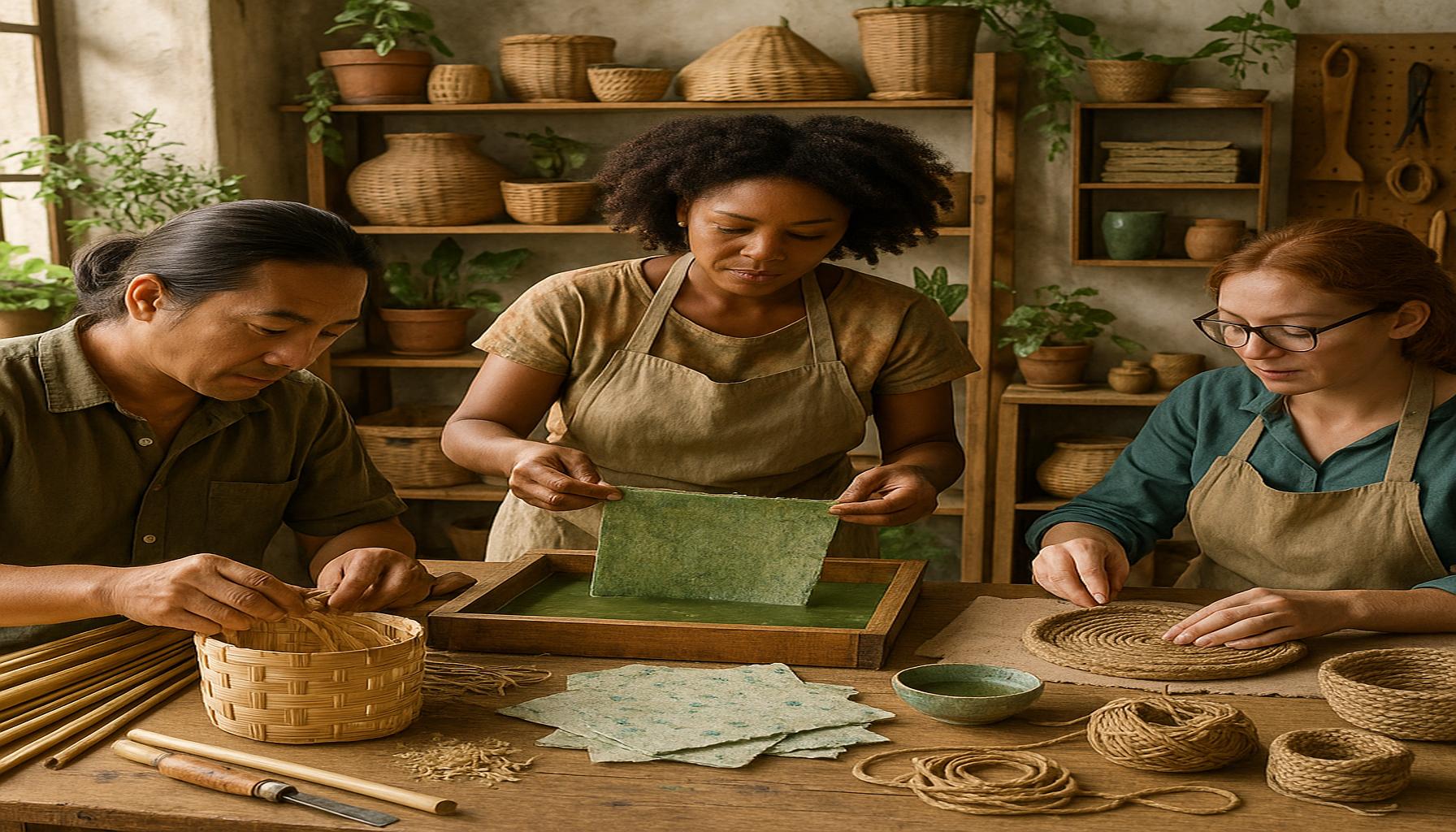
The arts and crafts market is undergoing a significant transformation as sustainability emerges as a core principle driving creativity and production. The intensifying climate crisis has prompted artists and consumers alike to reconsider their practices and purchasing habits, leading to a shift towards eco-friendly materials and methods. This revolution in sustainable crafting not only addresses environmental concerns but also encourages fresh perspectives in the art world, reshaping what is considered valuable and desirable.
Embracing Eco-Conscious Choices
One of the most notable facets of sustainable crafting is the use of recycled materials. Modern artisans are tapping into resources that have been discarded, transforming items like reclaimed wood and repurposed fabrics into stunning creations. For example, furniture makers are crafting exquisite tables from old barn wood, while fashion designers repurpose vintage textiles into trendy garments. This not only reduces waste but also breathes new life into items with a history, offering consumers unique products that come with a story.
Additionally, the resurgence of natural dyes highlights a return to traditional techniques that are both beautiful and sustainable. By using plant-based materials, artisans can achieve rich colors while avoiding harmful chemicals associated with synthetic dyes. For instance, indigo dyeing—a practice dating back centuries—is gaining traction among textile artists for its vivid hues and non-toxic nature. These techniques not only enhance the aesthetic appeal of crafted goods but also promote environmental stewardship.
Moreover, another critical aspect of sustainable crafting is the emphasis on locally sourced supplies. By supporting local artisans and businesses, crafters can reduce their carbon footprints and contribute to their communities. Local sourcing not only diminishes transportation emissions but also fosters economic resilience in regional economies. Artisans are creating a network of support that uplifts not just their craft but also the communities in which they operate.
The Role of Technology and Community
In today’s digital age, online platforms and social media have become vital in amplifying the voices of sustainable artisans. With easy access to global markets, creators can share their eco-conscious practices with a broader audience, building a community around sustainability. Consumers, too, are becoming more discerning, often researching the environmental impact of their purchases before making decisions. This shift in consumer behavior is driving artisans to maintain transparency regarding their materials and processes.
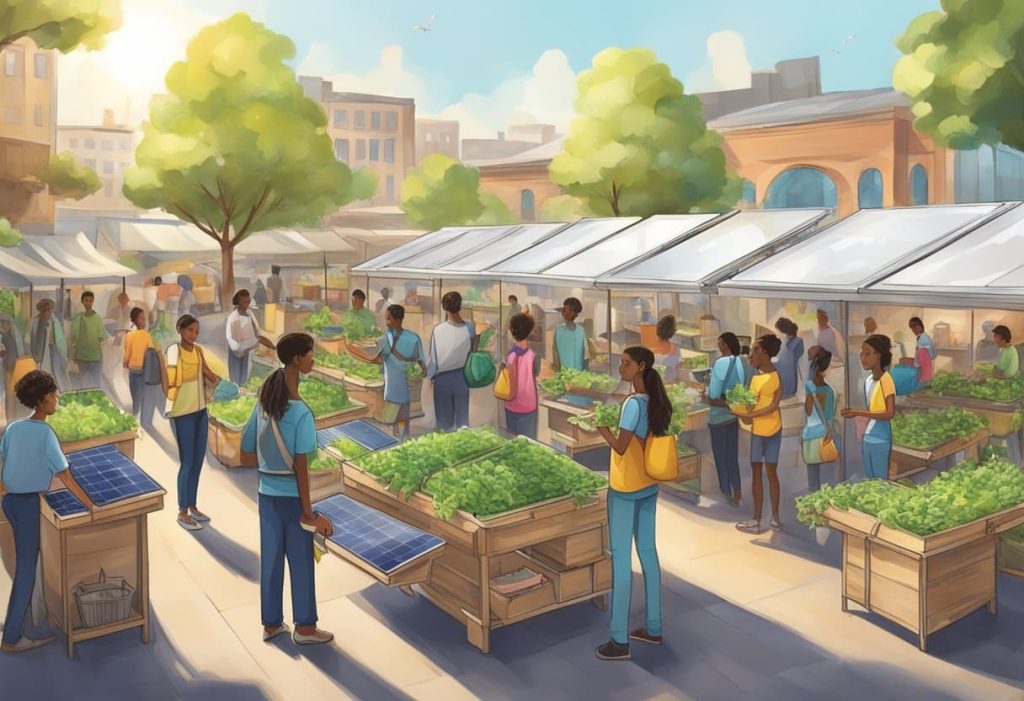
Notably, platforms like Etsy and Instagram have turned into hubs for sustainable crafting, connecting artists with consumers who prioritize ecological responsibility. By providing a marketplace for handcrafted goods made from sustainable materials, these platforms empower both the creator and the consumer to make informed, environmentally friendly choices.
The Future of Arts and Crafts
As we continue to navigate this evolving landscape, the future of the arts and crafts market looks promising. The increasing awareness and demand for sustainable practices indicate that eco-friendly artistry is not just a fleeting trend, but rather a significant movement that will remain at the forefront of creative expression. By exploring these sustainable crafting practices and supporting key players in this movement, consumers can contribute to a more conscious and responsible marketplace. Together, we can celebrate the creative innovations emerging from this dynamic interplay between artistry and sustainability.
DIVE DEEPER: Click here to learn more about landscaping techniques
Innovative Materials Reshaping Craftsmanship
As the green movement gains traction, sustainable crafting is paving the way for innovative approaches that are redefining the arts and crafts market. From educational initiatives promoting eco-responsibility to the adoption of unconventional materials, artisans are on the cutting edge, exploring diverse avenues that marry tradition with modern eco-consciousness. These practices not only highlight the ingenuity of creators but also emphasize a collective responsibility towards the planet.
Unconventional Materials and Their Impact
In the quest for sustainability, many artisans are drawn to alternative materials that possess minimal environmental impact. For instance, mycelium—a root structure of mushrooms—is emerging as a biodegradable replacement for plastics in creating products ranging from packaging to unique artistic sculptures. The enchanting potential of mycelium lies in its ability to break down without harming the environment, making it a prime candidate for forward-thinking artists.
Additionally, the use of upcycled materials has become a game-changer in sustainable crafting. Items that once served a different purpose are being transformed into unique artistic pieces. For example, wine corks can be repurposed into coasters or decorative wall art, and outdated electronics can become intricate sculptures or functional design elements. This shift not only promotes creativity but also emphasizes the value of waste reduction in the crafting process.
Community Engagement and Education
Beyond the materials, sustainable crafting thrives on community involvement and public education. Many artisans are hosting workshops aimed at teaching skills that prioritize sustainability, such as natural dyeing, upcycling, or zero-waste techniques. These classes not only empower participants with valuable skills but also cultivate a sense of environmental stewardship—helping individuals understand their role in a broader ecological context.
Local craft fairs and markets are also pivotal in building networks of like-minded creators. These events often feature workshops, demonstrations, and discussions centered around sustainable practices, creating an engaging atmosphere that encourages collaboration among artisans and consumers. For instance, in cities across the United States, community events that focus on eco-friendly crafting are on the rise, providing a platform for sharing ideas and resources. Participants are often encouraged to bring their own materials, emphasizing the importance of re usefulness over new consumption.
The Economic Influence of Sustainable Practices
The shift towards sustainable practices is not merely an artistic choice; it has profound economic implications. The rise of the green economy is increasingly impacting small business owners in the arts and crafts sector. According to recent studies, companies prioritizing sustainability often enjoy enhanced customer loyalty, as consumers actively seek businesses that align with their values. This demand has led to an increase in sales of eco-friendly products, proving that ethical practices can successfully coexist with profitability.
As we step into a new era of crafting, it becomes essential to acknowledge how these ecological practices are cultivating a vibrant arts community. With innovation at the forefront, sustainable crafting is proving to be more than just a trend; it is a pivotal movement reshaping creative expression for a better future.
| Sustainable Materials | Impact on Crafting |
|---|---|
| Eco-friendly Resources | Utilization of recycled and renewable materials reduces ecological footprints. |
| Biodegradable Products | Promoting crafts made from materials that decompose naturally encourages a circular economy. |
| Local Sourcing | Supports local economies and minimizes transportation emissions. |
| Natural Dyes | Using plant-based dyes reduces harmful chemicals in crafting. |
As the arts and crafts market embraces sustainable practices, adopting environmentally-friendly materials has become a pivotal trend. Artisans and creators are now opting for eco-friendly resources such as organic cotton, bamboo, and reclaimed wood, which not only help minimize environmental impact but also inspire creativity. The incorporation of biodegradable products is pushing the boundaries of traditional crafting. These products signal a transition towards a more sustainable lifestyle, where one can create beautiful pieces while caring for the planet. Along with this, local sourcing of materials reduces carbon footprints and stimulates regional economies, establishing a deeper connection between artisans and their community.Furthermore, the usage of natural dyes made from plants adds another layer to the sustainable crafting narrative. This practice diminishes reliance on synthetic chemicals, promoting healthier ecosystems. By engaging with these methods, the arts and crafts sector not only transforms its approach to production but also serves as a powerful advocate for responsible consumerism. The path to an eco-conscious future is emerging, and every crafted piece tells a story of sustainability.
DISCOVER MORE: Click here for essential cooking tips
Ethical Sourcing and Responsible Production
As sustainable crafting continues to gain traction, the focus on ethical sourcing and responsible production practices has become paramount. Artisans and manufacturers are increasingly paying close attention to the origins of their materials, seeking to ensure that they are sourced from suppliers who adhere to environmental and social standards. This attention to sourcing not only contributes to a smaller carbon footprint but also fosters fair labor practices in the process.
Transparency in the Supply Chain
With consumers becoming more conscious of where and how products are made, transparency in the supply chain is a key factor in the sustainable crafting movement. Artisans are sharing information about material origins, production methods, and the environmental impact of their creations. This shift towards transparency allows consumers to make informed choices, supporting businesses that prioritize eco-friendly and ethical practices. For instance, brands like Patagonia and Eileen Fisher have long prioritized transparency, providing comprehensive details about their sourcing processes, which in turn fosters consumer trust and loyalty.
Collaborative Projects and Cross-Disciplinary Partnerships
Sustainable crafting also embraces collaboration among artists from different disciplines, creating a rich tapestry of innovation. Cross-disciplinary partnerships—such as between textile artists and environmental scientists—are increasingly common as they work together to develop new eco-friendly materials and techniques. One notable example is the work of designer Eleanor Lutz, who combines biology with design to create textiles from sustainable biological materials. Such collaborations not only harness diverse expertise but also inspire fresh ideas that push the envelope of what crafting can achieve.
Moreover, these projects can take the form of community art installations aimed at raising awareness about environmental issues, subsequently engaging the public in discussions about sustainability. By merging art with activism, craftspeople are fostering meaningful dialogues that may lead to actionable change in perceptions about sustainability in daily life.
The Role of Technology in Sustainable Crafting
Modern technology is also revolutionizing the sustainable crafting landscape. 3D printing, for example, allows artisans to produce intricate designs while minimizing material waste. Innovations in digital fabric printing reduce water consumption compared to traditional textile printing methods, and the rise of plant-based inks is a testament to the intersection between technology and sustainability.
Additionally, platforms that facilitate the sharing economy—such as resource libraries for tools and materials—further promote sustainable crafting practices. By encouraging artisans to share or rent equipment, these platforms reduce the need for individual ownership and contribute to a reduction in consumption and waste. With the increase of online marketplaces dedicated to sustainability, such as EcoArts and Art of Where, artisans have greater access to eco-friendly supplies and a wider audience for their creations.
The Cultural Shift Towards Sustainability
The craft community is also witnessing a cultural shift—a move toward valuing quality over quantity. Consumers are beginning to appreciate the stories behind handcrafted items, understanding that each piece contributed to the reduction of disposable culture. This philosophy is reflected in slow fashion movements that prioritize durability and timeless design over fast trends. Sustainable crafting is helping to cultivate a culture of appreciation for artisanship, promoting a mindset that encourages support for local businesses and handmade goods.
As these ecological practices redefine the arts and crafts market, the success stories of artisans and their environmentally conscious endeavors highlight the transformative potential of sustainable crafting. By emphasizing ethical sourcing, innovative collaborations, and the integration of technology, the arts community is not only crafting beautiful objects but also contributing to a larger movement rooted in ecological responsibility that resonates deeply with contemporary values.
DISCOVER MORE: Click here to delve into the magic of music and memories
Conclusion: A New Era of Sustainable Crafting
As we stand at the intersection of creativity and ecological responsibility, sustainable crafting is proving to be more than just a trend—it’s a revolutionary movement reshaping the arts and crafts market. The commitment to ethical sourcing, transparent supply chains, and collaborative innovation signals a growing recognition of the environmental impact of our choices. By prioritizing sustainable materials and fair labor practices, artisans are not only crafting unique products but are also nurturing a culture that values longevity over disposability.
The role of technology in this transformation cannot be understated. Innovations like 3D printing and digital fabric techniques have paved the way for reduced waste and increased efficiency, while platforms promoting the sharing economy empower craftspeople to reduce their individual footprint. These advancements reflect a broader cultural shift in consumer behavior, as individuals increasingly seek to support businesses that align with their values regarding environmental sustainability.
Ultimately, sustainable crafting invites us to reconnect with the stories behind our belongings and to appreciate the artistry involved in creating them. Whether it’s through unique collaborations, community initiatives, or transformative technologies, the movement emphasizes that every handmade piece is a step toward a more sustainable future. As the market continues to evolve, it is essential for consumers and artisans alike to embrace these ecological practices, ushering in an era where creativity and sustainability unite harmoniously for the benefit of our planet.