The Evolution of Handicrafts: How Traditions Meet Modernity
The Evolution of Handicrafts in a Modern Context
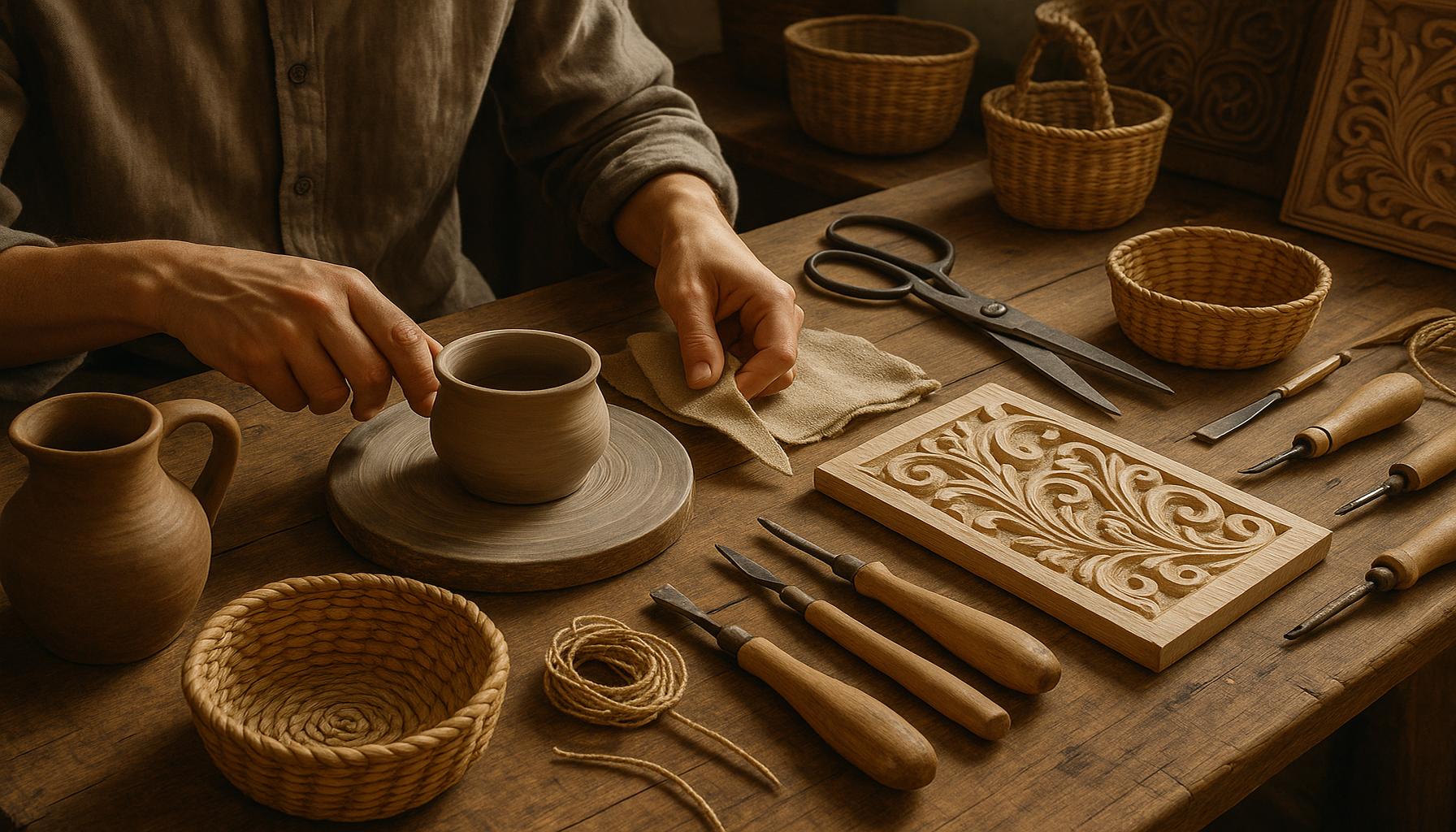
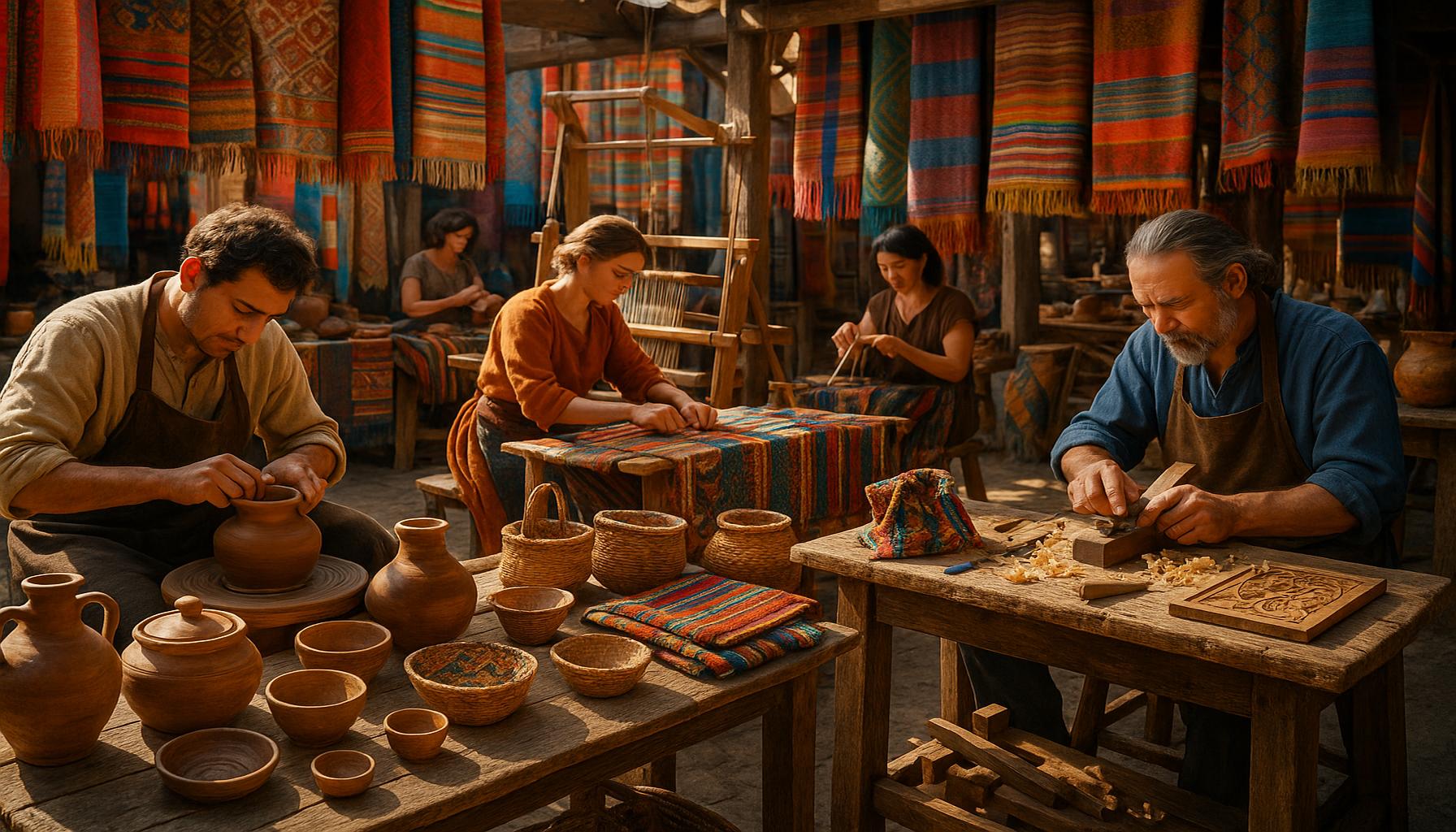
Throughout history, handicrafts have served as a rich tapestry woven with the threads of cultural identity and personal narrative. Each creation—whether it be the intricate patterns of Navajo rugs, symbolizing not only aesthetic value but also deep-rooted traditions, or the finely crafted pottery of the American Southwest—tells a story that spans across generations. These art forms are not merely objects; they are repositories of history, cultural significance, and individual expression that connect artisans to their heritage.
Technological Integration in Craftsmanship
Today, as we navigate a rapidly evolving landscape, modernity intertwines with traditional crafts through various technological innovations. Tools such as laser cutters and 3D printers are revolutionizing how artisans approach their work, enabling them to experiment with designs and materials that were previously inaccessible. For instance, a potter might use digital modeling software to create complex shapes that can then be brought into reality using a 3D printer, merging traditional techniques with cutting-edge technology.
Global Influence and Cultural Exchange
The exchange of ideas across borders also plays a substantial role in this transformation. Artisans are inspired by international styles and techniques, allowing them to incorporate new elements into their work. A striking example can be observed in the rise of Indian block printing alongside modern textile arts in America, blending traditional Indian craftsmanship with contemporary design sensibilities. This infusion of global influences not only enriches local craftsmanship but also fosters a dynamic dialogue between cultures.
Market Accessibility Through Online Platforms
In addition to technological advancements, market accessibility has been significantly reshaped by the digital age. Online platforms such as Etsy and Shopify have provided artisans with direct access to consumers far beyond their local markets. This democratization of commerce allows them to showcase their craft to a global audience, establishing a clearer connection between creators and consumers. As a result, many artisans are finding renewed interest in their products, as more people seek unique, handcrafted items that resonate on a personal level.
A Blending of Tradition and Modern Aesthetics
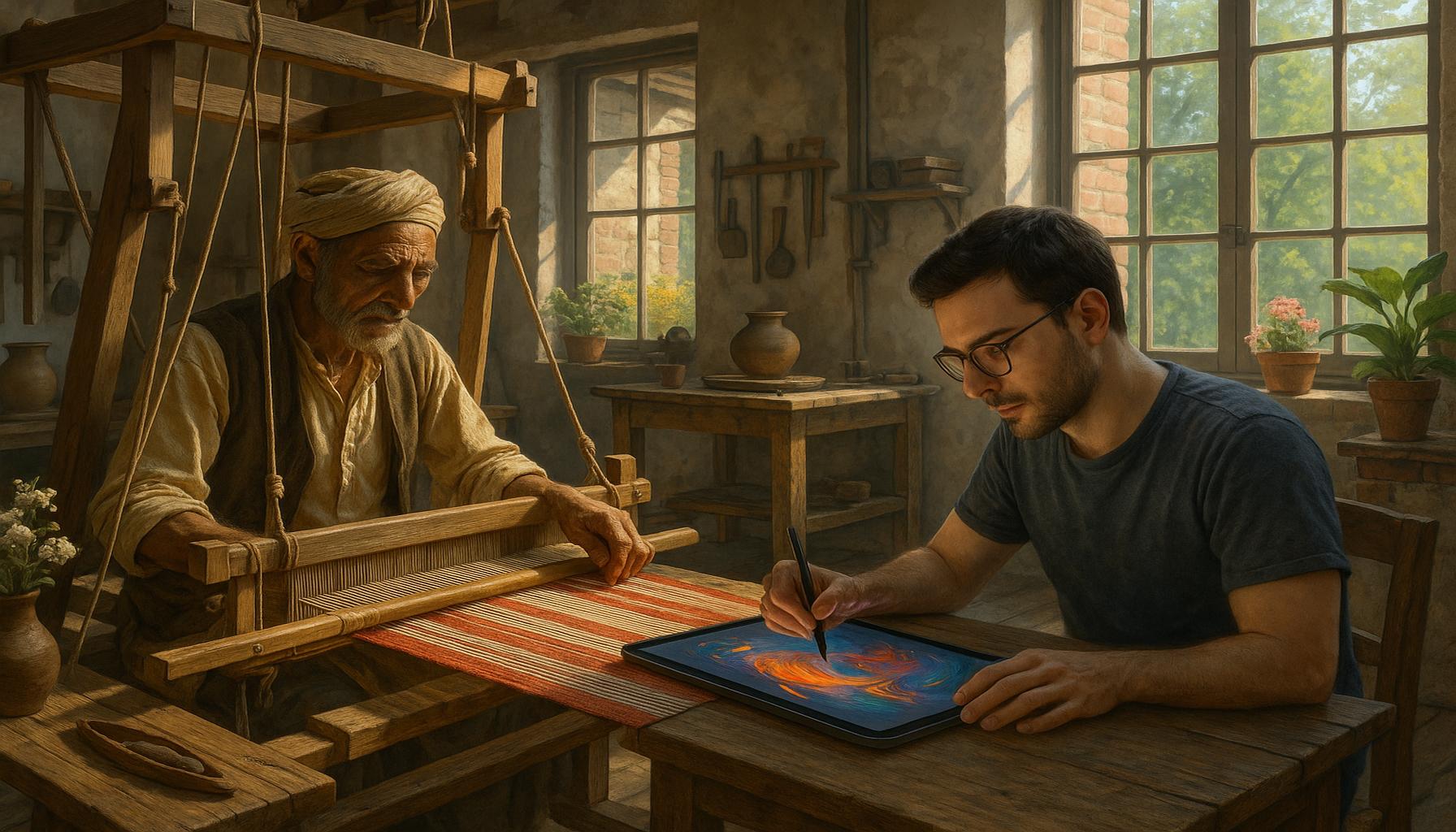
While embracing modern trends, many artisans choose to remain faithful to their heritage techniques. This delicate balance between tradition and innovation results in unique artworks that reflect both historical roots and contemporary tastes. For instance, a traditional weaver may preserve age-old patterns while introducing modern color palettes, appealing to new generations of customers who seek authenticity paired with a modern aesthetic.

Preserving History While Shaping Future Cultural Expression
As we explore the intersection of handicrafts and modernity, it becomes evident that this evolution is essential not only for preserving history but also for shaping the future of cultural expression in an ever-changing world. By weaving together the past and present, artisans are continually redefining their craft, ensuring that it remains relevant and resonant. The journey of handicrafts today invites us to reflect on how we appreciate and engage with artisanal traditions and to consider their significance in fostering a shared cultural heritage. Discovering these intricate layers makes it evident that every piece crafted is not just an object but a celebration of both time-honored practices and innovative possibilities.
DIVE DEEPER: Click here to discover more about musical genres
Reimagining Handicrafts: Bridging Past and Present
In the vibrant world of handicrafts, the transition from traditional craftsmanship to contemporary practice is more than a mere shift; it represents an ongoing dialogue between cultures, practices, and ideologies. This intersection of history and innovation has led to a reimagining of artisanal work, reshaping not just the products but also the artisans behind them. A significant facet of this transformation is the emphasis placed on sustainability, as artisans today often prioritize eco-friendly practices, reflecting a broader movement towards environmental consciousness.
The Role of Sustainability in Handmade Artistry
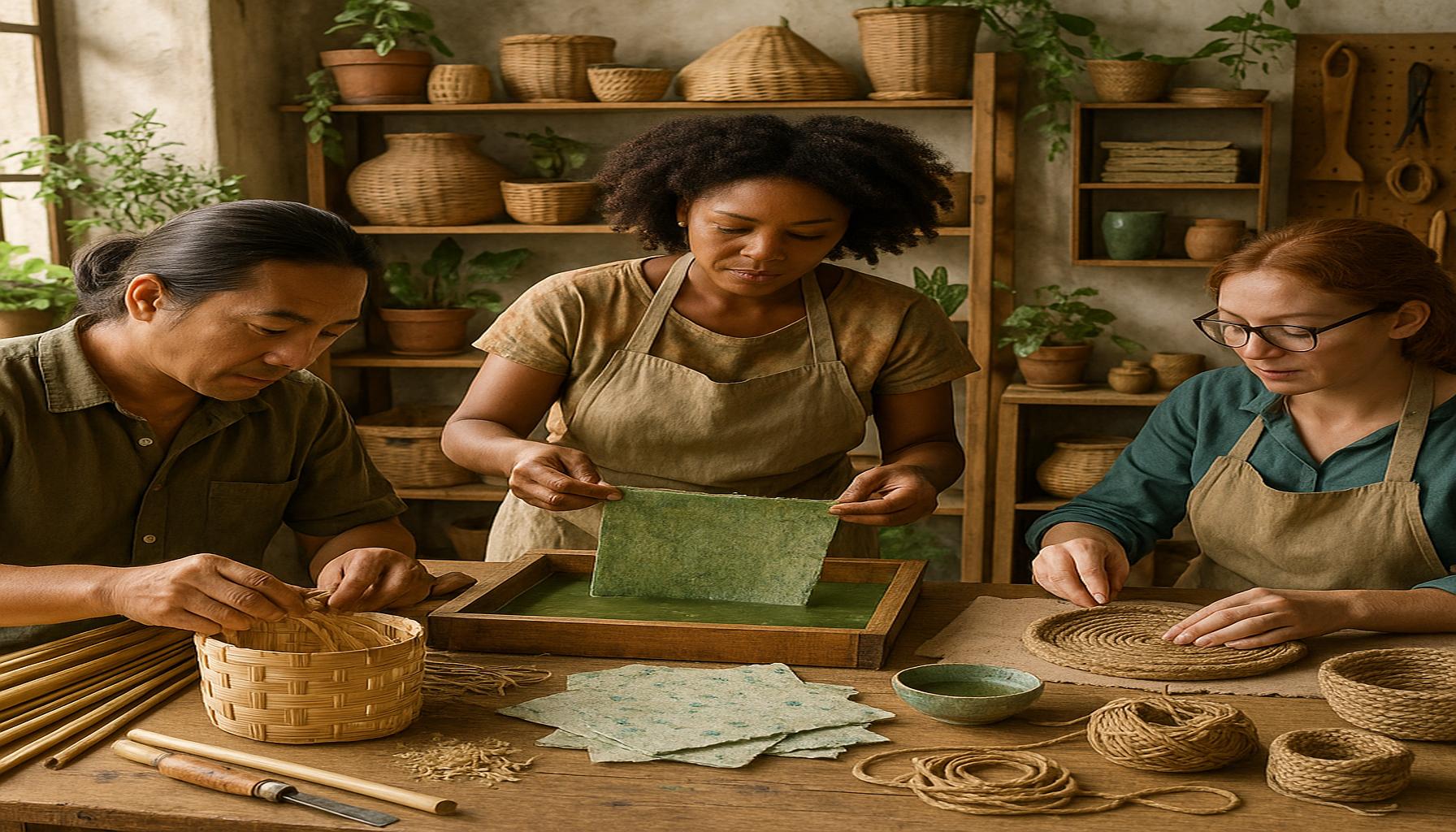
Many artisans across the United States and beyond are increasingly incorporating sustainable materials into their handicrafts, addressing the growing consumer demand for eco-friendly products. By sourcing local and organic materials, these artisans are not just minimizing their environmental footprint but also connecting their work back to the local economy. Furthermore, the utilization of recycled materials is becoming a prevalent trend. This evolution indicates a commitment not only to artistry but also to the preservation of the environment.
Collaborative Networks and Artisan Communities
The rise of artisan communities has played a vital role in the evolution of handicrafts today. Collaborative networks, often facilitated through social media platforms and local artisan fairs, provide a supportive environment where knowledge and skills can be shared. Such networks are crucial for:
- Skill Development: New artisans learn traditional techniques from established masters, ensuring that these crafts are passed down through generations.
- Market Expansion: Artisans band together to market their products more effectively, reaching a broader audience and sharing resources.
- Cultural Vibrancy: Community events and workshops often result in the fusion of styles and practices, enriching the cultural landscape.
For example, the American Craft Council has been pivotal in fostering partnerships among artisans, promoting not only the aesthetic value of handmade goods but also the stories behind them. As we witness more collaborations, from shared studios to joint exhibitions, the depth of craftsmaking continues to flourish, creating a tapestry of innovation and tradition.
Education and Skill Preservation
As the landscape of handicrafts evolves, education emerges as a cornerstone for preserving traditional techniques while embracing modern practices. Various workshops, both online and in-person, provide opportunities for those interested in learning handicrafts—from pottery to textile arts—to gain hands-on experience. This dedication to education ensures that essential skills are not lost, making it possible for new artisans to cultivate their own unique styles while honoring their predecessors.
In moments of reflection, we may ask ourselves: How can we as consumers contribute to this evolution? By choosing to support artisans who integrate sustainability into their practice, we can foster deeper connections to the products we cherish. Recognizing that each handicraft piece tells a tale of culture and innovation can enrich our appreciation of these art forms in a modern context.
The journey of handicrafts is an inspiring narrative that leads us to explore the beautiful overlap of tradition and modernity. As artisans continue to redefine their practices, they invite us all to witness the profound stories that these objects convey—stories that remain ever-relevant in today’s world.
| Category | Description |
|---|---|
| Sustainability | Handicrafts utilize eco-friendly materials, promoting environmental consciousness while honoring age-old techniques. |
| Cultural Heritage | These crafts represent regional traditions, connecting communities to their past and fostering a sense of identity in a modern world. |
| Innovation | Contemporary artisans blend traditional skills with modern technology to create unique pieces that appeal to current trends. |
| Economic Empowerment | Craftsmanship often provides income for artisans, driving local economies and offering opportunities for entrepreneurship in adversity. |
The evolution from traditional handicrafts to modern interpretations encapsulates a fascinating journey that intertwines culture and innovation. As communities adapt to global demands, the blend of age-old skills with modern design and technology becomes essential. The resurgence of handcrafted products highlights a shift towards valuing uniqueness and artisanship over mass production. This not only preserves cultural heritage but also fosters economic resilience in local markets. Through this evolution, artisans today bridge the gap between the past and the future, allowing long-standing traditions to flourish in contemporary contexts, captivating a new generation of consumers.
DISCOVER MORE: Click here to dive into fun recipes
Digital Handicrafts: The New Frontier
In recent years, the emergence of digital technology has significantly transformed the world of handicrafts, creating a new frontier where traditional skills marry innovative techniques. Artisans are now utilizing tools such as 3D printing, digital fabric design, and virtual reality to not only enhance their artistry but also to revolutionize how they connect with audiences. This digital shift enables creators to experiment with new forms while maintaining traditional methods at their core, illustrating the adaptability of handicrafts in the modern age.
The Rise of E-Commerce in the Handicraft Market
The expansion of e-commerce platforms has opened up new channels for artisans to reach consumers beyond their local communities. Websites such as Etsy, Handmade at Amazon, and various social media marketplaces have democratized the ability to sell handmade products. Artisans can showcase their craftsmanship to an international audience, resulting in a marketplace bursting with creativity. This digital accessibility also allows artisans to build personal brands, sharing their narratives and cultural backgrounds, which resonate with consumers who are increasingly interested in the stories behind the products they purchase.
Statistics reveal that the global handmade market is expected to see substantial growth, as consumers prioritize unique items over mass-produced goods. According to a 2022 survey, over 60% of consumers indicated a preference for handmade or artisanal products, viewing them as a means to support local economies and sustainable practices. With these trends, artisans are leveraging digital tools not just for sales, but for marketing and engagement, cultivating a dedicated customer base that values craftsmanship.
Innovation in Techniques and Materials
The integration of technology into traditional handicrafts is fostering innovation in both techniques and materials. For instance, laser cutting and CNC machining are being embraced by woodworkers and textile artists alike, allowing for precision and complexity previously unattainable with manual tools. Likewise, the advent of biodegradable materials and smart textiles has inspired artisans to experiment with avant-garde creations that prioritize both sustainability and aesthetic appeal.
In the realm of textile arts, makers are incorporating digital printing techniques that allow for intricate designs that mirror traditional patterns, but with an updated twist that fascinates contemporary consumers. For example, artists are now able to replicate ancient motifs found in Southwestern Native American textiles or African Kente cloth while infusing new colors and themes, thus creating a bridge between the past and the present.
Handicrafts in Pop Culture
The cultural relevance of handicrafts is also evident in the way they are portrayed in pop culture, bringing newfound attention to these art forms. Television shows, movies, and social media influencers are highlighting artisans and their work, showcasing the beauty of handcrafted items in everyday life. Programs like “Making It” celebrate the spirit of crafting, while platforms like Instagram act as a showcase for artisans, blending art with lifestyle and creating a fervor around handmade goods.
Moreover, this cultural spotlight has spurred initiatives aimed at rejuvenating interest in traditional crafts among younger generations. Schools and community centers are hosting workshops that marry traditional techniques with modern demands, such as social media marketing and newer aesthetic trends. These efforts ensure that while artisans are adapting to changes in consumer behavior, they remain rooted in their cultural heritage.
As we witness this dynamic evolution, one notable observation is that the evolution of handicrafts is not merely about adaptation; it is an essential thread that weaves together identity, innovation, and sustainability. The seamless integration of digital advancements with traditional craftsmanship will undoubtedly continue to reshape the cultural landscape of handicrafts in the years to come.
DISCOVER MORE: Click here to delve deeper
Conclusion: Bridging the Past and Future
The journey of handicrafts from traditional craftsmanship to modern-day expressions of art reflects a dynamic tapestry woven from cultural heritage, innovation, and digital advancement. As we have explored, the fusion of time-honored techniques with cutting-edge technologies is not merely a trend but a testament to the resilience and adaptability of artisans in the face of changing consumer preferences. The rise of e-commerce has democratized the market, enabling creators to transcend geographical limitations and establish global connections with their audiences.
The relevance of handicrafts extends beyond mere aesthetics. Today, consumers are more conscious of their purchasing decisions, favoring unique, handmade items that support local economies and sustainable practices. This shift highlights a collective appreciation for the stories and skill embedded in every handcrafted piece. The burgeoning popularity of innovative materials and techniques, such as biodegradable textiles and digital printing, illustrates how artisans are reimagining their craft while remaining rooted in their cultural identities.
In an era where pop culture increasingly celebrates artisanal work, initiatives to inspire younger generations are essential in preserving these traditions. By blending traditional techniques with modern demands, artisans are ensuring that the essence of handicrafts remains alive as they evolve. Looking ahead, the path for handicrafts will continue to be shaped by the interplay of tradition and modernity, reminding us that innovation does not exist in a vacuum but is often enriched by the past. As we witness this ongoing evolution, it is clear that handicrafts will not only survive but thrive, reflecting the depth of human creativity across time and space.