The Intersection of Technology and Craftsmanship: How New Tools Are Reshaping Artistic Production
The Intersection of Technology and Craftsmanship in Art
In an age where digital innovations are proliferating at an unprecedented rate, the landscape of artistic creation is undergoing a profound transformation. The fusion of technology and craftsmanship is redefining not just the tools artists use, but also their very approach to creativity. Emerging technologies serve not merely as enhancements to classic techniques but as revolutionary change agents that deeply influence artistic methodology and output.
Revolutionizing Artistic Production
One major aspect of this evolution is digital fabrication. Technologies such as 3D printing and CNC machining empower artists to break conventional boundaries. For example, sculptors can now create intricate designs that were previously impossible to achieve by hand. A case in point is the work of artists like Bathsheba Grossman, who leverages 3D printing to produce stunning geometric sculptures that challenge the very notion of form and structure. The precision of these tools allows for unparalleled creativity and complexity, pushing the limits of traditional sculpture.
Another notable change can be seen in software innovations. Programs like Adobe Illustrator, Blender, and Procreate have become mainstays in the artistic toolkit, providing exceptional features for digital illustration and design. Artists like Joshua Davis have made a name for themselves by using algorithmic design tools to create dynamic and evolving artworks that can change with the viewer’s interaction. The opportunities for exploring color, texture, and form have expanded exponentially, allowing for a richer palette of expressions.
Global Access through Online Platforms
The advent of online platforms has also been transformative. Artists today can promote their work through social media outlets like Instagram and TikTok, providing a direct channel to a global audience. Websites like Etsy and Saatchi Art enable creators to sell their work to customers around the world with minimal overhead costs. This democratization of visibility allows emerging artists from, say, the bustling streets of New York to rural Los Angeles, to reach diverse audiences and engage with fellow creators and art aficionados alike.
Redefining Craftsmanship
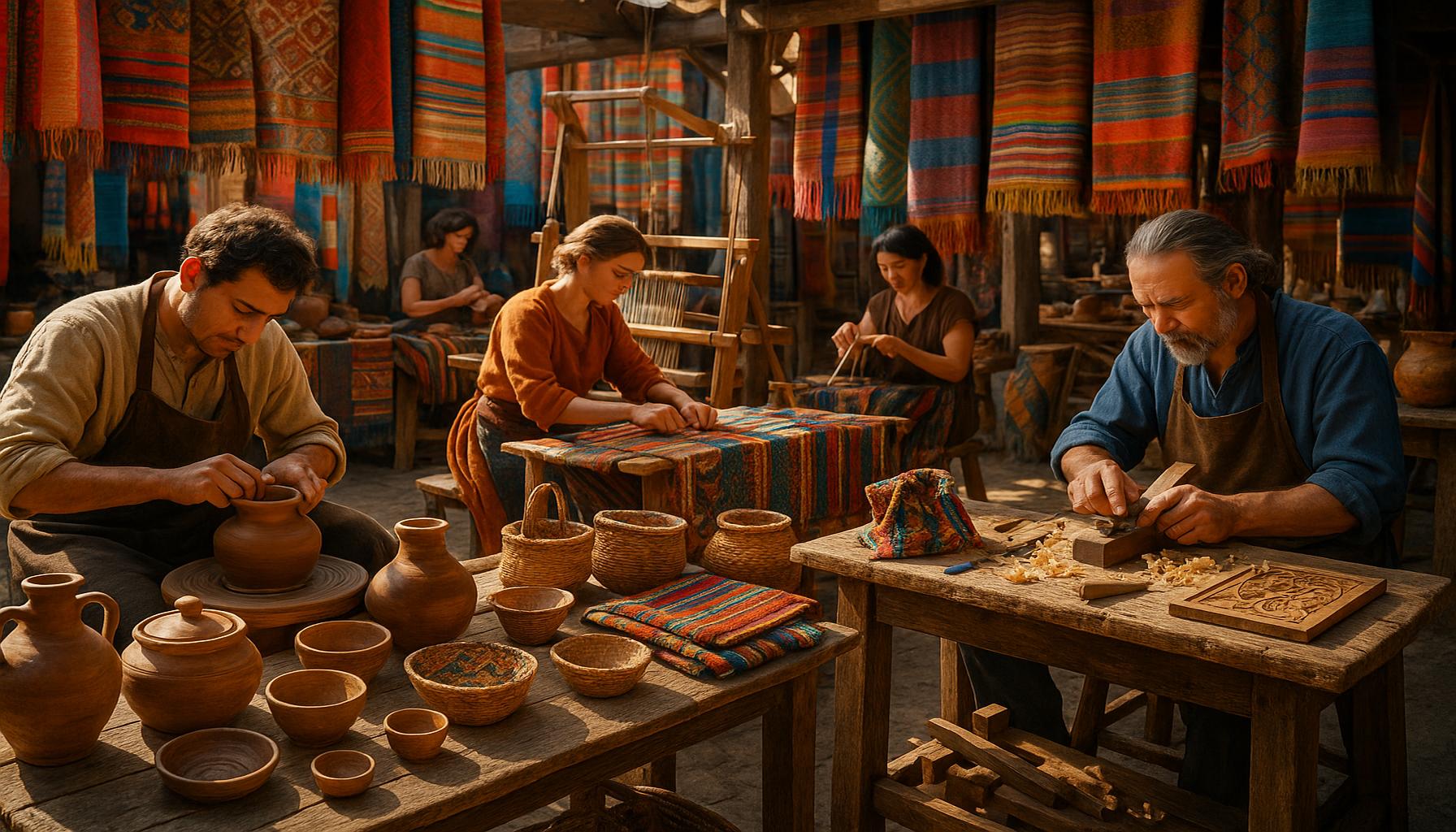
However, as technology advances, it also raises critical questions about the essence and future of craftsmanship. Artists are increasingly faced with inquiries such as: How does technology enhance traditional skills? What remains of craftsmanship in a digital era? Are new tools diluting the authenticity of artistic expression? These questions deserve thoughtful consideration and interrogation. For instance, the juxtaposition of handcrafted items and mass-produced 3D printed pieces prompts a discussion about what it means to create art today.
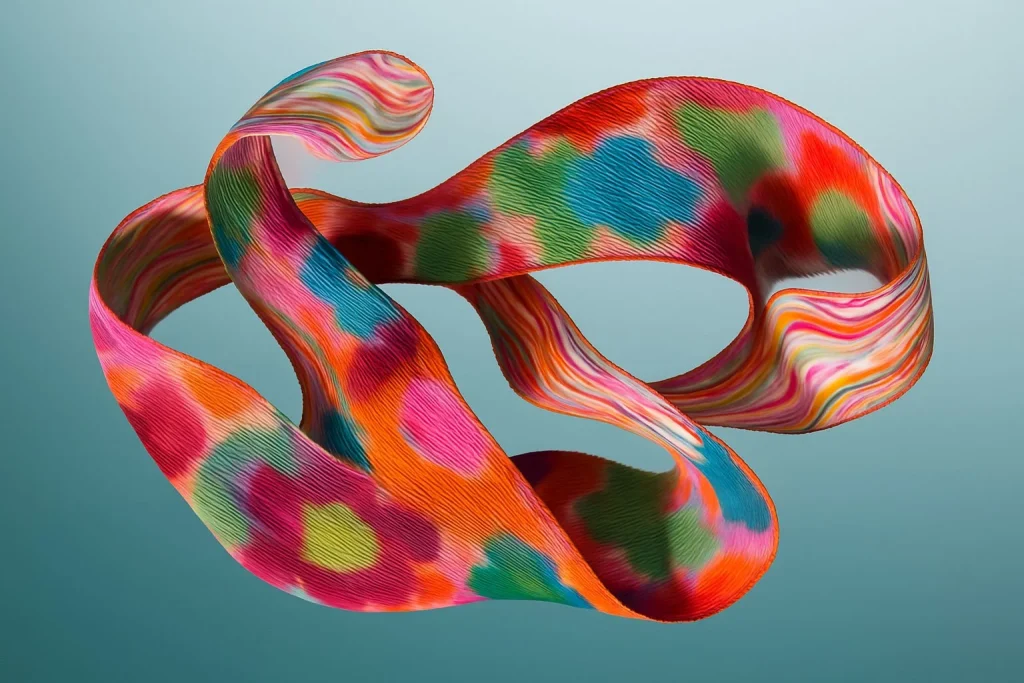
By navigating these dynamics, artists are often weaving their tales of adaptation and innovation into the broader fabric of contemporary society. The stories of these creatives illustrate how the evolving relationship between technology and craftsmanship is not merely a trend but a significant shift towards a new artistic paradigm. Understanding these changes prepares us to appreciate how art continues to evolve and resonate in our modern world.
DIVE DEEPER: Click here to discover more
New Avenues for Creativity and Innovation
As the art world embraces new technologies, we witness an exhilarating shift in how creativity is expressed and experienced. The intersection of technology and craftsmanship is opening new avenues for exploration, transforming traditional methods while inviting innovation within artistic practices. This dynamic fusion not only enhances the creative process but also invites collaboration across disciplines, ultimately shaping a more inclusive art landscape.
Creativity Unbound: The Role of Augmented and Virtual Reality
One of the most compelling examples of this transformation is the advent of augmented reality (AR) and virtual reality (VR) technologies. These tools are providing artists with the capability to create immersive experiences that allow viewers to engage with their work in entirely new ways. Artists like Jen Lewin are pioneering interactive installations that involve physical movement through a space, generating real-time responses which shift and evolve as participants interact with them. Such projects illustrate how AR and VR can evoke deep emotional responses, forging a stronger connection between the audience and the artwork.
For instance, the “The Pool” by Lewin invites participants to walk through a dynamic field of light, where their movements influence the display of colors and patterns. This interactive art piece is an exemplary manifestation of how technology can transform audience engagement from mere observation to active participation.
- Accessibility: VR art exhibitions can be accessed from anywhere in the world, breaking geographical barriers and allowing even those in remote locations to experience significant works of art. Platforms such as Oculus offer virtual tours of iconic museums, granting everyone a front-row seat to culture.
- Enhanced Engagement: Artists can develop interactive narratives that encourage audiences to immerse themselves in the story. The “Meow Wolf” installations, for instance, blend storytelling with interactive elements, making visitors an integral part of the unfolding art experience.
- Experimentation: The capability to visualize concepts in a three-dimensional space allows for unprecedented experimentation with scale and form. Artists can prototype installations virtually, realizing their vision before execution, thus minimizing waste and optimizing their creative practices.
The Impact of Artificial Intelligence on Artistic Creation
Another area transforming the art world is artificial intelligence (AI). Through advancements in machine learning, AI technologies are enabling artists to stretch boundaries and explore new creative avenues. For example, the collaborative works of artists and AI algorithms can lead to outcomes that neither could achieve on their own. Refik Anadol, using machine learning algorithms, creates mesmerizing data-driven artworks that challenge traditional notions of authorship and originality.
AI programs like DALL-E and Artbreeder allow artists to generate visuals based on textual descriptions or combine multiple styles. This integration of technology enables users to harness vast databases of visual styles and techniques, inspiring them to create works that reflect a unique blend of influences and personal expression.
Moreover, AI serves as a powerful ally for creative professionals, assisting them in refining their techniques and exploring innovative design possibilities. By analyzing styles, preferences, or even market trends, artists are empowered to make informed decisions that enhance both their work and marketability in an increasingly competitive landscape.
While the integration of technology into artistic production provides exciting opportunities, it also necessitates the reassessment of our understanding of creativity. As artists embrace these innovative tools, they navigate a complex interplay of tradition and modernity, sparking discussions about the evolving definition of craftsmanship in an increasingly digital world. This blend of technology and traditional art forms invites society to reconsider what constitutes true artistry in our time.
| Advantage | Impact on Artistic Production |
|---|---|
| Enhanced Precision | New technologies such as CNC machines and 3D printers allow for meticulous detail that was previously unimaginable. This precision enables artists to create complex designs effortlessly. |
| Increased Access | With the democratization of technology, aspiring artisans can access sophisticated tools and resources. This availability fosters a new wave of innovation and creativity in artistic fields. |
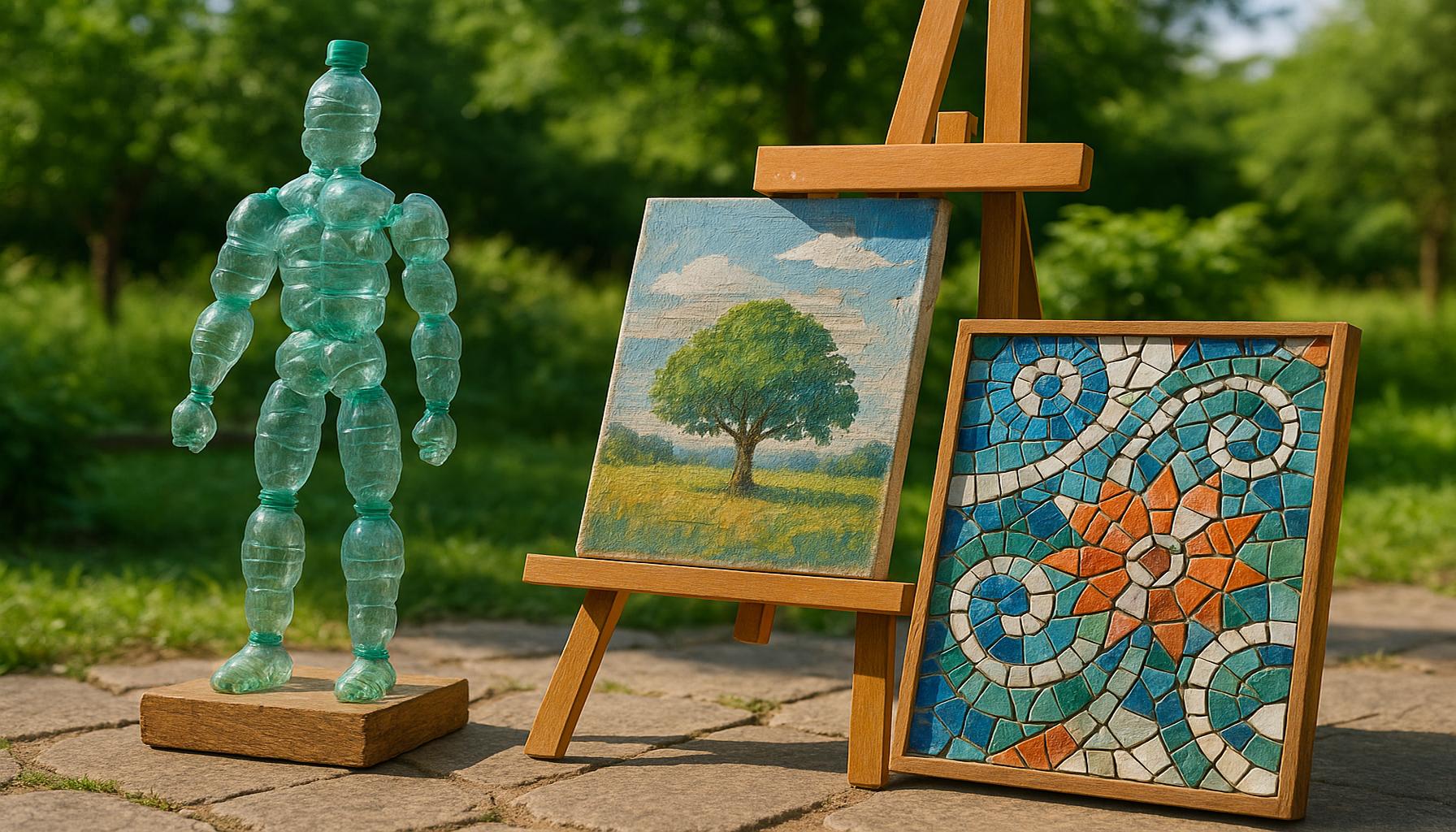
| Sustainability Practices | Advanced technology promotes environmentally friendly methods, enabling artists to use recyclable materials and reduce waste, contributing to a greener art production cycle. |
| Collaboration Opportunities | Technological tools facilitate collaborations across disciplines, merging traditional craftsmanship with modern techniques, leading to interdisciplinary artworks that captivate audiences. |
The integration of advanced tools in artistic creation opens a gateway to uncharted possibilities. Enhanced precision, increased access, sustainability practices, and greater collaboration are reshaping how artists view their craft. As artisans embrace these developments, the potential for innovation continues to thrive, promising a future where craftsmanship and technology coalesce into extraordinary expressions of art.
DIVE DEEPER: Click here to discover more
Reimagining Techniques: The Role of Digital Tools in Craftsmanship
As technology extends its reach, it significantly influences the very techniques and materials artists employ. From digital sculpting programs to 3D printing, technology is facilitating new forms of craftsmanship that challenge traditional methods while preserving the skills honed over centuries. This evolving landscape allows artists to tap into extensive creative potential, repurposing conventional craftsmanship in innovative and unexpected ways.
Digital Craftsmanship and 3D Printing
One of the most groundbreaking advancements in artistic production is 3D printing, which allows creators to turn digital designs into physical objects with unparalleled precision. Artists and designers leverage this technology to create intricate sculptures and functional art pieces that were previously unimaginable. For instance, the work of artists such as Joshua Harker showcases how 3D printing can create elaborate and delicate forms that push the boundaries of traditional sculpture. Harker’s pieces, known for their intricate lace-like structures, exemplify the fusion of art and advanced technology.
Moreover, 3D printing democratizes craftsmanship by allowing artists to operate independently, reducing the reliance on traditional fabrication methods. By enabling designers to produce their own prototypes, emerging artists can experiment without financial constraints and bring their visions to life. This transformation not only increases accessibility to artistic production but also fosters a spirit of innovation and invention within communities.
- Innovation in Materials: 3D printing opens doors to new materials, including biodegradable plastics and composite materials. Artists can explore sustainability while maintaining aesthetic appeal, thus enhancing both the artistry and environmental consciousness of their work.
- Customization and Personalization: Digital tools facilitate a level of customization that allows artists to create personalized works for clients. From bespoke jewelry to unique home decor, the ability to tailor designs according to individual preferences enhances buyer engagement and satisfaction.
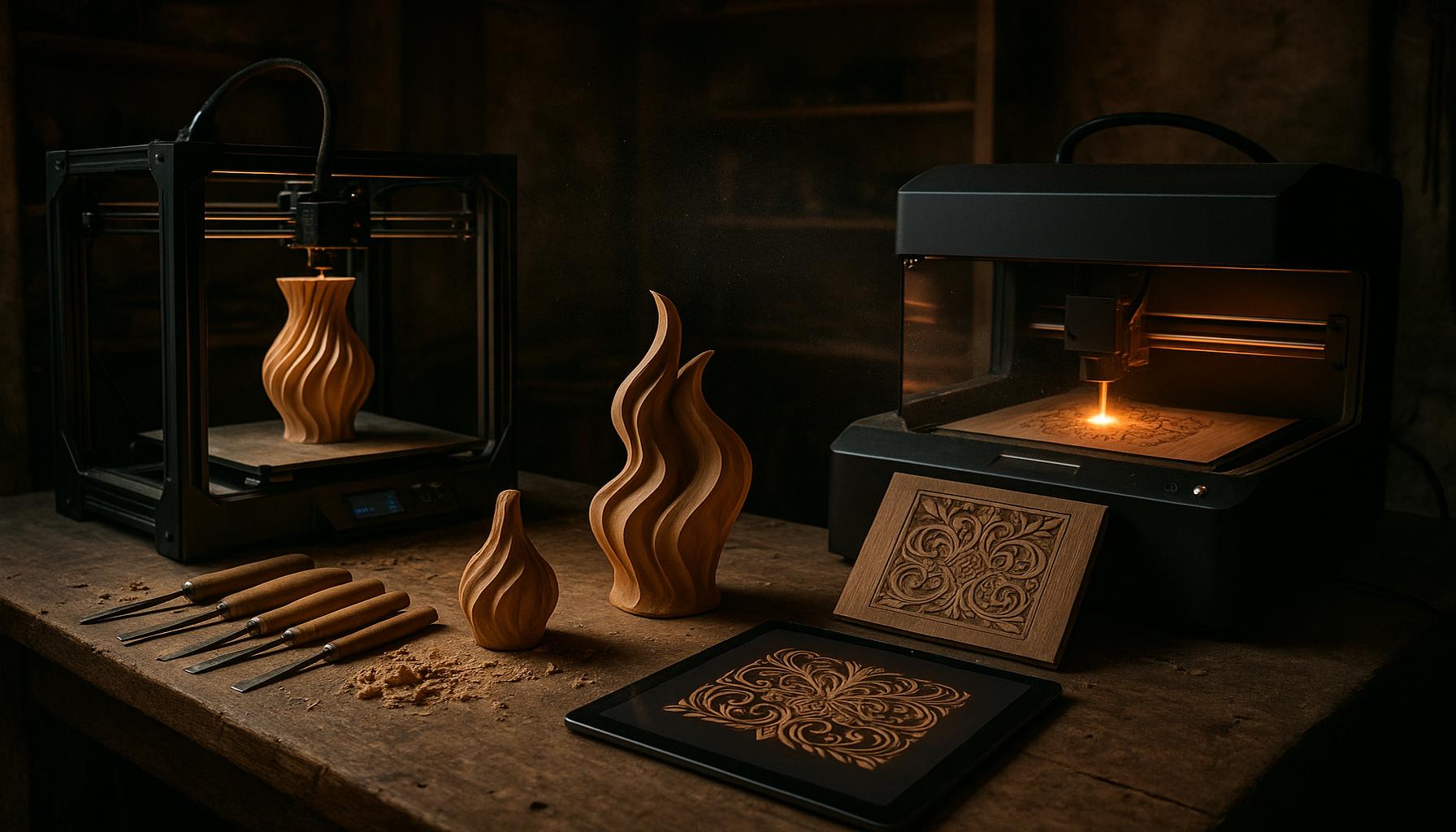
- Revival of Traditional Techniques: Interestingly, technology is also reviving traditional craftsmanship. Artists can employ CNC (Computer Numeric Control) milling and laser-cutting techniques that blend age-old artisanship with modern efficiencies, creating a hybrid of craftsmanship that respects heritage while embracing innovation.
The Influence of Social Media and Online Platforms
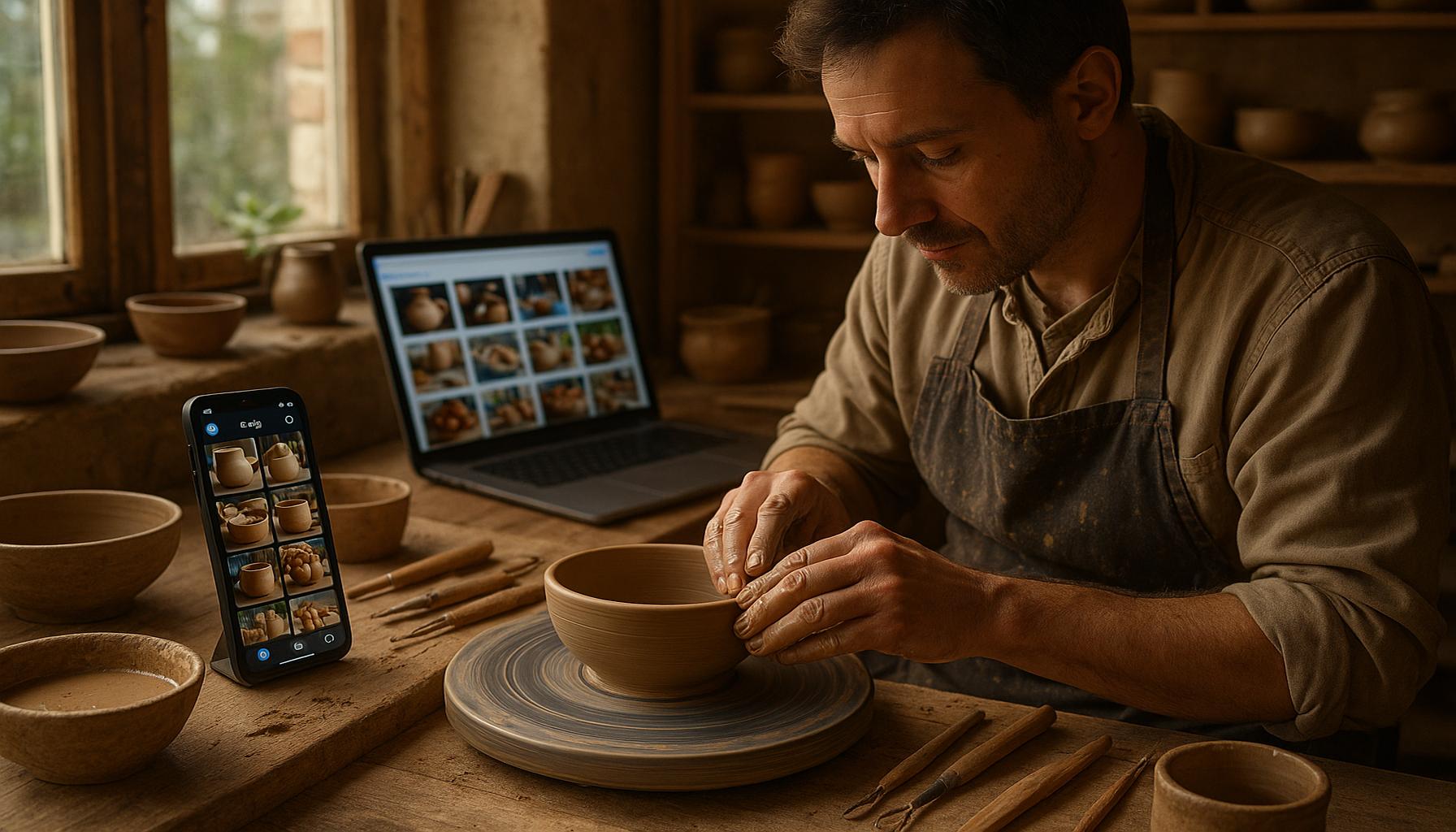
In addition to the tools of craftsmanship, the impact of social media and online platforms cannot be overlooked. These vehicles for connectivity are not only reshaping how artists showcase their work but also how they engage with their audience and fellow creators. Platforms such as Instagram, TikTok, and Pinterest have become essential tools for artists to share their processes, making art more relatable and accessible than ever.
Through visual storytelling, artists present their creative journeys to a global audience, cultivating a community of interested spectators and fellow creatives. The viral nature of these platforms helps to democratize exposure, allowing emerging artists to gain significant visibility without the need for traditional gallery representation. This phenomenon has become especially relevant in the United States, where many artists have emerged as brand influencers, offering workshops and tutorials, thus redefining their role in the contemporary art landscape.
Furthermore, online marketplaces like Etsy provide spaces for artists to sell their work directly to consumers, bypassing traditional retail ecosystems. This trend not only enhances the artist’s income potential but also strengthens the bond between creator and buyer, fostering a sense of connection and mutual appreciation for crafted art.
In this digital age, the convergence of technology and craftsmanship is creating a vibrant tapestry of artistic production. Artists are navigating new territories, reimagining their processes and connectivity to audiences, driving an evolution that respects both tradition and modernity. The artistic landscape continues to expand, characterized by innovation, collaboration, and an ever-present evolution of what it means to be a creator.
DISCOVER MORE: Click here to dive deeper
Conclusion: Crafting a New Era of Artistic Expression
As we navigate the intersection of technology and craftsmanship, it is clear that new tools are transforming the landscape of artistic production in unprecedented ways. The infusion of digital tools such as 3D printing and advanced design software enables artists to break free from traditional constraints, giving rise to innovative forms and materials that continuously redefine what art can encompass. This transformation empowers creators, especially those emerging from diverse backgrounds, to explore their visions without the hurdles of traditional methods, sparking a culture of creativity that embraces both heritage and futurism.
The role of social media in this evolution cannot be overstated. Platforms like Instagram and Etsy have democratized visibility and access to artistic works, fostering connections between artists and audiences. By sharing their journeys and creating tailored pieces, artists cultivate community and personal engagement, enriching the appreciation for craftsmanship in the modern world. The future of artistic production lies in this synergy of technology and traditional skills, leading to a continuous dialogue between past techniques and future innovations.
Ultimately, as these new tools become further intertwined with artistic practices, they challenge us to reconsider our definitions of craftsmanship and creativity. The ongoing evolution invites both artists and patrons to engage in a wider, more inclusive understanding of art, encouraging everyone to partake in the rich tapestry of shared cultural expression. We are on the cusp of a thrilling new chapter in the world of art—a transformation that promises not only to honor the past but also to pave the way for future generations of creators.