Writing in Community: Collaborative Projects that Enhance Creativity
Unleashing Creative Potential
Collaboration can be a powerful catalyst for creativity. By coming together in community, writers can tap into diverse perspectives and experiences that enrich their craft. Engaging with others not only inspires fresh ideas but also builds a support network that fosters growth in various artistic endeavors.
Here are some key advantages of collaborative writing projects:
- Diverse Perspectives: Teaming up with individuals from various backgrounds provides new angles and insights. For instance, a fiction writer collaborating with a poet can blend narrative storytelling with lyrical expression, resulting in a rich, multimedia experience. This intersection of genres can lead to innovative storytelling techniques and broaden the writer’s creative horizons.
- Shared Accountability: Co-writing creates a sense of responsibility, motivating participants to stay committed to their project. Writers are often driven by deadlines and shared goals. For example, community novel-writing events, such as NaNoWriMo (National Novel Writing Month), encourage writers to check in regularly with their progress, fostering a sense of camaraderie and mutual encouragement that can significantly enhance productivity.
- Skill Development: Collaborating allows writers to learn from each other, improving their techniques and approaches. In a writers’ group, for instance, experienced members can offer invaluable feedback to novices, allowing them to refine their craft through shared knowledge and practice. Workshops that feature peer reviews can illuminate different writing styles and techniques, enhancing each participant’s skill set.
Across the United States, several collective writing initiatives have gained popularity, showcasing the power of community in the creative process. Local workshops, like those offered by the Writer’s Center in Bethesda, Maryland, bring together aspiring authors to share their work and receive constructive feedback within a supportive environment. Online platforms, such as Wattpad, permit writers from around the world to collaborate, allowing diverse voices to intersect and create a unique narrative fabric.
Additionally, literary collectives like the Chicago Review of Books and the Los Angeles Review of Books highlight collaborative efforts in publishing, fostering new talent and providing a voice for underrepresented authors. These collaborations not only enhance individual creativity but also contribute to a vibrant literary ecosystem that encourages experimentation and innovation.
As we delve deeper, various collaborative projects will be explored. These examples will illuminate how writing in community can enhance not only individual creativity but also inspire a thriving network of literary exploration and expression. Through these initiatives, writers can discover new methodologies, challenge their perceptions, and ultimately enrich the landscape of American literature.
DISCOVER MORE: Click here for innovative cuisine techniques
The Power of Joint Creation
Collaborative writing projects have the extraordinary ability to transcend individual limitations, often resulting in a richer creative output than what can be achieved alone. Engaging with other writers, artists, and thinkers not only promotes a fertile ground for new ideas but also cultivates a vibrant community where creativity can flourish. This collective experience is a testimony to the notion that great minds indeed think better together.
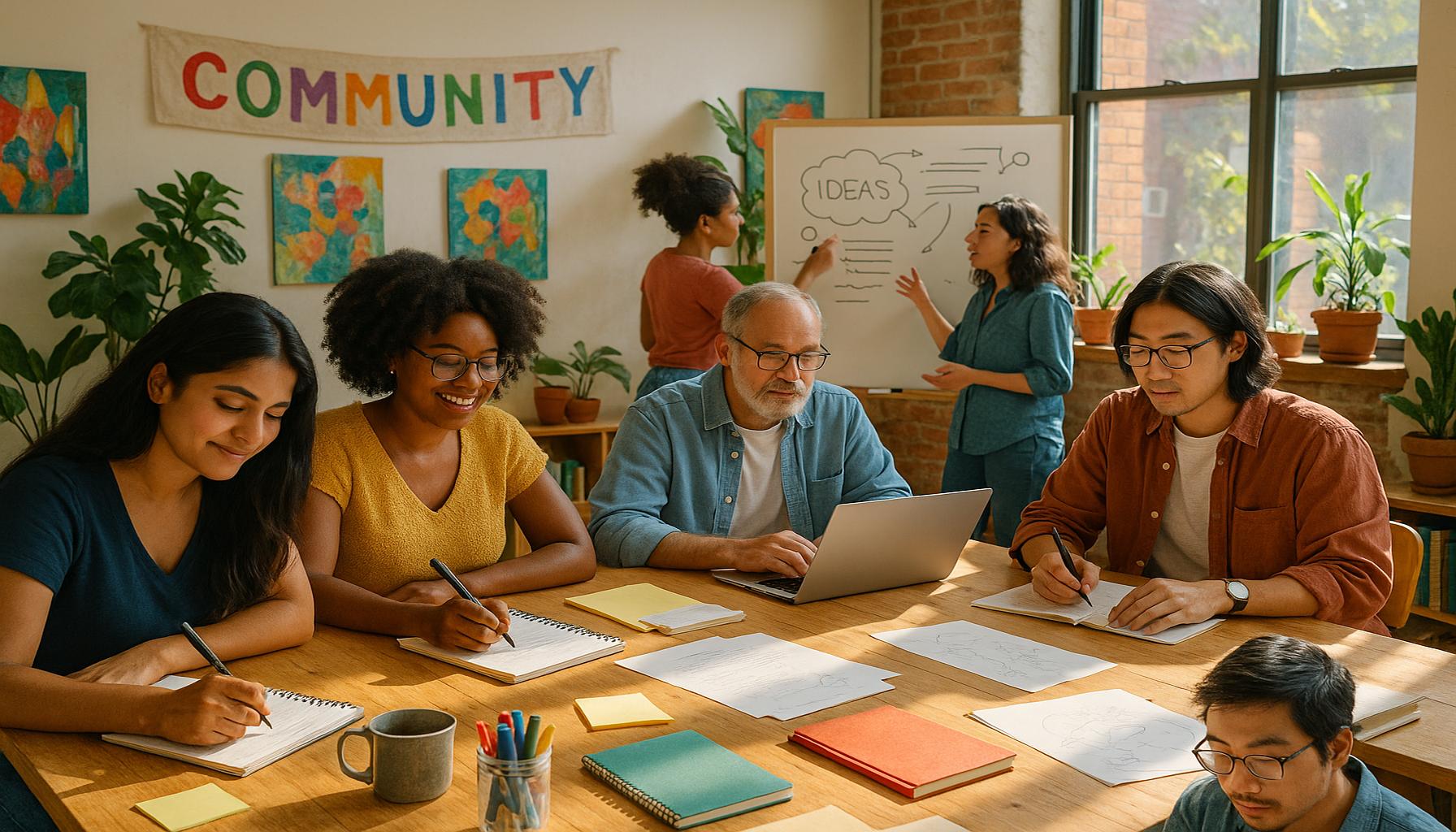
One of the most compelling aspects of collaborative writing is the concept of brainstorming sessions. These gatherings can vary significantly—from informal meet-ups at local cafés to structured workshops held in community centers. During these sessions, participants share their insights, explore imaginative possibilities, and encourage one another to push creative boundaries. Studies indicate that collaborative brainstorming can lead to enhanced problem-solving capabilities and original ideas. The synergy that arises from such interactions has the power to lift a writer’s work to unforeseen heights.
Examples of Successful Collaborative Writing Projects
Across the nation, numerous collaborative initiatives showcase how joining forces can lead to remarkable results. Here are a few notable examples:
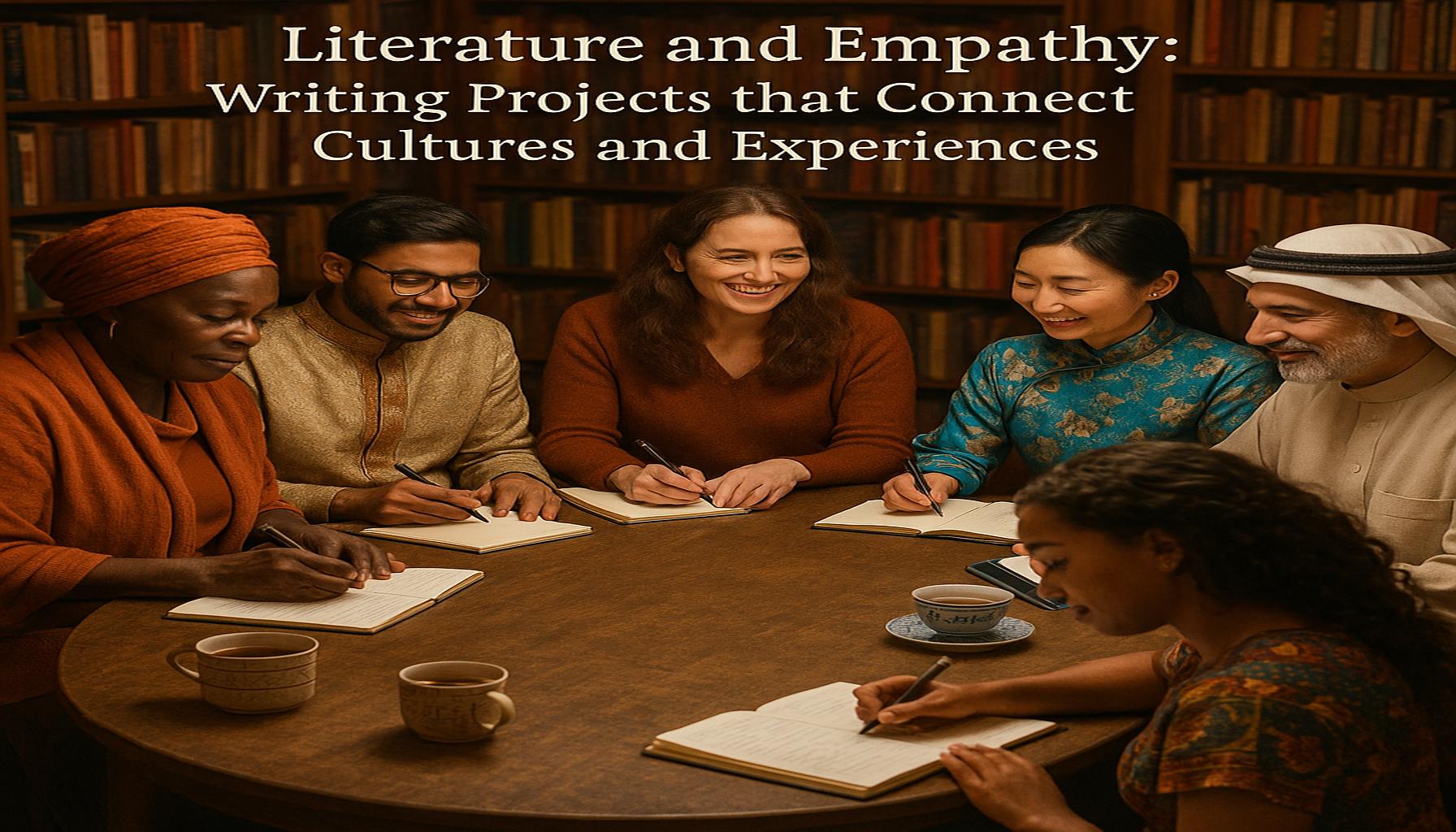
- Writing Circles: These intimate groups offer writers the opportunity to share their work in a non-judgmental environment. Participants provide feedback, exchange ideas, and engage in constructive discussions that sharpen their skills. Writing circles often become spaces where friendships blossom, creating lasting bonds that further encourage artistic growth.
- Anthologies: Many writers join forces to produce anthologies—collections of short stories, essays, or poems that revolve around a central theme. Projects like The Best American Series invite writers from diverse backgrounds to contribute, resulting in a tapestry of voices that enrich the literary landscape. Such projects often create a platform for emerging writers who may not have access to conventional publishing routes.
- Online Collaborations: Digital platforms such as Collaborative Fiction sites allow writers from different corners of the country (and even the globe) to co-author stories. This format encourages a dynamic exchange of ideas, as writers adapt their style to fit an evolving narrative. The sheer diversity of cultural backgrounds represented in these projects fosters a deeper understanding of the human experience.
The outcomes of these collaborative endeavors are invaluable. Not only do they produce innovative literary works, but they also encourage a sense of belonging and mutual investment among writers. Through feedback avenues like shared Google Docs or dedicated chat groups, participants learn to navigate critiques and transform them into opportunities for growth, pushing each other toward excellence.
As we continue to look at how community-centric writing initiatives shape creativity, it’s crucial to consider how different collaborative formats can elevate personal and collective artistic expressions. The next sections will dive deeper into specific projects and their unique contributions to the literary world, illustrating the undeniable link between community and creativity.
| Category | Key Features |
|---|---|
| Collaboration | Fosters a sense of community among writers, encouraging the sharing of ideas. |
| Diverse Perspectives | Brings together writers from different backgrounds, enhancing creativity through varied insights. |
| Skill Development | Provides opportunities for feedback and mentorship, honing writing skills. |
| Networking | Creates connections that can lead to future publishing opportunities and projects. |
Engaging in collaborative writing projects within a community environment encourages individuals to unveil their creativity in unprecedented ways. One of the standout advantages is the strong sense of community support that writers experience. This supportive atmosphere not only helps to refine ideas but also nurtures relationships that inspire creative breakthroughs. Additionally, these collaborative spaces often feature workshops and group discussions that stimulate innovation and provide immediate feedback.Projects that utilize a multi-genre approach allow participants to explore different writing styles and genres. This exposure can fundamentally alter a writer’s perspective and expand their toolkit. The shared experiences and challenges faced in collaborative writing lead to a unique form of creativity that is often absent when writing is done in isolation.Moreover, incentives such as published anthologies and community events can add a sense of significance to outcomes, urging writers to venture beyond their comfort zones. As teams tackle challenges together, they foster a climate of openness that can ignite even the faintest sparks of inspiration into vivid flames of originality.
DISCOVER MORE: Click here to uncover sustainable cooking techniques
Expanding the Horizons of Collaborative Expression
As we delve deeper into the fabric of collaborative writing, it becomes evident that it stretches far beyond mere meetings and group projects. The community aspect inherently enhances creativity through shared experiences and diverse perspectives. By incorporating various voices, participants not only contribute to the narrative but also enhance their understanding of different cultures, ideologies, and storytelling techniques.
One fascinating manifestation of this collaborative spirit can be found in writing residencies. Organizations such as the Banff Centre for Arts and Creativity in Canada or the Writers’ Colony at Dairy Hollow in the U.S. offer retreats specifically designed for writers. Here, individuals come together to write, brainstorm, and share their work in an encouraging and open community environment. These residencies often culminate in public readings or collaborative showcases, allowing participants to share their diverse creations with a broader audience.
The Impact of Cross-Discipline Collaborations
Another exciting dimension of collaborative writing is the intersection with other creative disciplines. Writers partnering with visual artists, composers, or even dancers can lead to extraordinary multi-dimensional productions. For example, the collaboration between playwrights and choreographers has resulted in innovative performances, where script and movement intertwine to create a visceral narrative experience. Interdisciplinary projects like these encourage writers to think outside the conventional boundaries of their craft, broadening their artistic capabilities. This cross-pollination of ideas fuels inventive storytelling methods and often breathes new life into stale genres.
Additionally, many writing communities have embraced the trend of “collective” novels or storylines. In these projects, multiple authors contribute to a single overarching narrative, where each chapter reflects their distinct voice while connecting seamlessly to the overall theme. Notable examples include the novel The Tenth Muse, where numerous authors collaborated, showcasing their unique narrative styles that enrich a cohesive story tapestry. These projects demand adaptability and foster camaraderie, as writers must blend their contributions into a single, unified work.
- Community-Based Writing Initiatives: Many cities have embraced local storytelling as a means to engage populations. Programs like StoryCorps encourage people to record and share their stories, fostering empathy and connection among community members. The data collected not only preserves individual narratives but also reflects a larger cultural dialogue, emphasizing the importance of community in personal storytelling.
- Writing Challenges and Competitions: Initiatives such as NaNoWriMo (National Novel Writing Month) attract thousands of writers every year to embark on collaborative writing journeys. Participants are united by a shared goal, often forming support groups that encourage accountability, inspiration, and friendship. The collective push to complete a novel fosters an environment conducive to creativity while creating lasting community bonds.
By examining the genre of collaborative writing, we can observe how local networks, interdisciplinary approaches, and community-driven initiatives contribute significantly to the creative landscape. The very essence of collaboration fuels new pathways of expression, guiding writers to discover unique facets of their artistry while simultaneously fostering an invaluable support system. The driving force behind these collaborative writing projects is a commitment to collective creativity, leading not only to personal fulfillment but also to a shared experience that resonates within communities. As creative boundaries continue to be redefined, the transformative power of collective writing remains a beacon of inspiration and innovation.
DIVE DEEPER: Click here to discover how to grow your own herb and vegetable garden
Conclusion: The Collective Journey of Creative Expression
In the realm of collaborative writing, the power of community shines brightly as a catalyst for creativity. The integration of diverse voices, perspectives, and disciplines fosters an enriching environment where innovation thrives. As explored, writing residencies and community initiatives such as StoryCorps not only amplify individual narratives but also create a cultural tapestry reflective of collective experiences. This shared journey is a testament to the deep connections formed through storytelling and the profound impact on personal and communal identities.
Moreover, the phenomenon of cross-disciplinary collaborations challenges writers to break free from traditional confines, pushing them to explore new artistic horizons. The intersection of writing with other creative forms elevates the narrative experience, revealing the multifaceted nature of storytelling. Whether participating in a collective novel or joining thousands in efforts like NaNoWriMo, writers engage in an ongoing dialogue that encourages accountability and fosters camaraderie.
As we witness the evolving landscape of collaborative writing, it is clear that these projects are more than mere exercises in storytelling; they are a reflection of our shared humanity. The commitment to collective creativity not only enriches the artistic process but also strengthens community bonds, making the act of writing a profound, interconnected experience. As we continue to embrace collaborative ventures, we open the door to endless possibilities, allowing creativity to flourish in a network of support, inspiration, and shared purpose.