Literature and Empathy: Writing Projects that Connect Cultures and Experiences
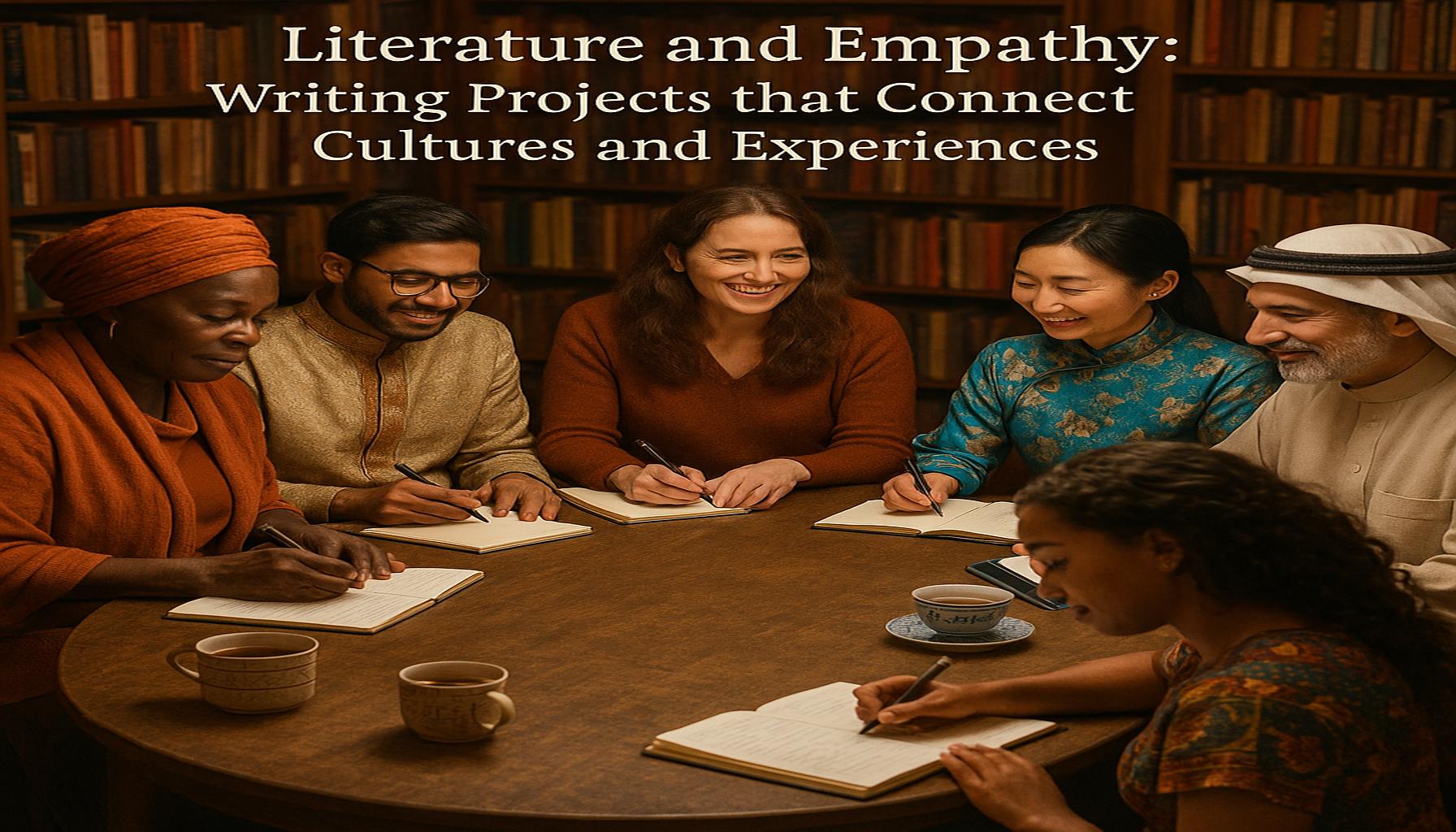
Literature as a Bridge to Understanding
In an increasingly interconnected world, literature serves as a powerful medium to foster empathy and understanding across diverse cultures. Through storytelling, writers can transport readers into the lives of others, allowing them to experience different perspectives and backgrounds. This literary journey not only entertains but also cultivates deeper connections among individuals, promoting a nuanced appreciation for the complexities of the human condition. By delving into the narratives crafted by various authors, readers can glimpse the struggles, joys, and everyday realities that shape lives across the globe.
The Role of Writing Projects
Writing projects that emphasize the theme of empathy often focus on:
- Diverse Voices: Highlighting stories from marginalized or underrepresented communities. For example, the works of authors like Chimamanda Ngozi Adichie or Ocean Vuong illuminate experiences deeply rooted in their cultural histories, offering readers unique insights into their worlds.
- Universal Themes: Exploring shared human experiences such as love, loss, and resilience. Contemporary novels, like “The Kite Runner” by Khaled Hosseini, resonate universally while reflecting the cultural specificity of their characters’ lives, demonstrating how diverse experiences are intrinsically connected through shared emotions.
- Cultural Exchange: Encouraging dialogues that bring together distinct cultural narratives. Programs like “One Book, One Philadelphia” promote community bonding by having residents read and discuss the same book, fostering understanding of different cultural contexts, and encouraging inclusivity.
Such initiatives not only promote understanding but also challenge stereotypes, serving as vital instruments for inclusivity. In the United States, schools and community organizations frequently host writing workshops and literary discussions, amplifying these narratives and reaching audiences that may otherwise remain unaware of various cultures and issues.
Empathy Through Reading
Reading literature that delves into different life experiences can have profound effects on individuals. Studies indicate that engaging with varied narratives can:
- Enhance Emotional Intelligence: Readers become more attuned to the emotions and experiences of others. For instance, reports from humanitarian organizations suggest that individuals who read fiction often exhibit increased empathy, helping them understand various social issues and the plight of different communities.
- Encourage Critical Thinking: These narratives challenge preconceived notions and foster open-mindedness. By presenting multifaceted characters and complex situations, authors invite readers to question their perspectives and engage in thoughtful analysis of societal norms.
- Inspire Social Action: Literature can serve as a catalyst for community involvement and support for marginalized groups. Many readers find themselves motivated to volunteer, advocate, or participate in cultural exchanges after connecting with a story that resonates with them.
As we explore the intersection of literature and empathy, it is clear that writing has the potential to connect us all in unexpected and enlightening ways. This connection not only enriches our understanding of the world but also encourages a more compassionate and inclusive society, ultimately reminding us of our shared humanity amidst diversity.
DISCOVER MORE: Click here to learn about fun gardening activities for kids
Literature’s Impact on Cross-Cultural Understanding
The power of literature lies in its ability to forge connections that transcend geographical and cultural boundaries. Through immersive storytelling, readers can step into the lives of characters from backgrounds vastly different from their own, awakening a sense of empathy that might otherwise elude them. This capacity for literature to engage with cross-cultural experiences makes it an invaluable tool in promoting a shared understanding of humanity. Numerous writing projects leverage this potential, amplifying voices that often go unheard and illuminating the intricate tapestry of human life.
Effective Writing Initiatives
Several writing initiatives have emerged to harness literature’s ability to connect individuals across culture, focusing on the following:
- Community Storytelling: Projects such as “The Moth” invite people from varied backgrounds to share personal stories. These narratives not only entertain but also foster shared experience among listeners, helping them relate to different cultural contexts in a profound way.
- Literary Festivals: Events like the National Book Festival in Washington, D.C., highlight diverse authors, offering attendees the opportunity to engage with perspectives that challenge their own views and encourage dialogue. These festivals allow authors to present their work and its cultural significance, creating an avenue for intercultural exchanges that transcend written text.
- Student Writing Programs: Initiatives in schools, like “Writing Our Communities,” promote creative expression among students from diverse backgrounds. By encouraging them to narrate their personal experiences, these programs empower young writers to articulate their cultural identities and connect with peers through shared themes of resilience and hope.
Such projects pave the way for understanding by actively dismantling stereotypes and facilitating inclusive conversations. They foster an environment where appreciation for diverse cultures can flourish in a safe, supportive space. Particularly in the United States, educational institutions and community centers increasingly integrate writing projects into their frameworks to promote cultural awareness and empathy.
The Science Behind Empathy in Literature
Research continually underscores the relationship between reading literature and developing empathy. For instance, studies conducted by the University of Toronto demonstrate that individuals who engage with diverse literary texts often show enhanced levels of social and emotional comprehension. These findings suggest that reading literature profoundly impacts individuals, equipping them with the tools to navigate social complexities effectively.
- Increased Perspective-Taking: Literature enables readers to inhabit different viewpoints, fostering a deeper understanding of the experiences that shape individuals’ lives. This skill is critical in an increasingly polarized society where empathy is often lacking.
- Enhanced Relational Skills: By connecting with characters even from unfamiliar backgrounds, readers can develop better interpersonal skills. Understanding various character motivations can translate into greater compassion and openness in real-world interactions.
- Community Awareness: Readers often emerge with a heightened awareness of social issues affecting marginalized communities, leading to advocacy efforts and community support initiatives inspired by the stories they’ve encountered.
As we delve deeper into the intricate relationship between literature and empathy, it becomes increasingly evident that carefully crafted writing projects serve not only as a bridge to understanding diverse cultures but also as catalysts for constructive social change. The narratives woven across the pages of books provide us with the opportunity to explore our shared humanity, making room for dialogue and connection amidst a rich tapestry of experiences.
| Connection through Story | Fostering Understanding |
|---|---|
| Shared Narratives | Cross-Cultural Awareness |
| Literature allows individuals to share personal stories, enabling readers to step into another’s life and see the world through their eyes, forming connections that transcend cultural boundaries. | By exploring diverse narratives, readers gain insights into different cultural frameworks and practices, promoting empathy and understanding in an increasingly interconnected world. |
The profound impact of literature lies in its unique ability to bridge gaps between various cultures and experiences. Each story serves as a window into the lives of others, facilitating a sense of belonging and understanding in society. By engaging with a multitude of voices, writers and readers alike embark on a journey of creative exploration, where empathy becomes a driving force in the narrative construction. Furthermore, shared experiences deliver the potential for unity, enabling individuals to find similarities in the diversity that surrounds them. Writing projects that emphasize empathy often invite participants to delve deep into their stories, encouraging them to unearth emotions and experiences that resonate universally. Educational initiatives and workshops focused on such projects can ignite a ripple effect, cultivating compassionate societies and nurturing a collective human experience.Ultimately, the interplay between literature and empathy fosters an environment where differences are celebrated, and the quest for connection is perennial. As readers engage with multifaceted perspectives, they are more likely to embrace tolerance and push towards a future defined by mutual understanding. This literary exploration not only enhances personal growth but also contributes to a larger dialogue that fosters global harmony.
DIVE DEEPER: Click here to discover how cooking mindfully can reduce stress
Innovative Approaches to Cultivate Empathy through Writing
In the modern landscape of literature, innovative writing projects are emerging that aim to cultivate empathy across cultural divides. These initiatives often blend technology, art, and traditional storytelling to enhance the reach and impact of their narratives, creating opportunities for profound human connection.
Digital Storytelling Platforms
With the advent of technology, digital storytelling platforms have gained traction as accessible avenues for individuals to share their stories. Websites such as “StoryCorps” encourage people to record and share personal narratives through audio and video formats. This initiative not only serves as a repository for diverse experiences but also facilitates empathetic listening. Users can explore the stories of others from disparate backgrounds, promoting a virtual space for cultural exchange. Participants often find connections in shared struggles, hopes, and dreams, leading to a deeper understanding of others’ realities.
Writing for Social Justice
Organizations focused on written advocacy empower marginalized voices through writing workshops and mentorship programs. For instance, “Words Unlocked” works with incarcerated individuals to help them express their experiences through writing. This initiative reveals the often-hidden narratives of those in the criminal justice system, challenging societal perceptions and facilitating discussions about issues such as mass incarceration and rehabilitation. Such projects highlight how literature can serve as a mechanism for change, illuminating systemic injustices while fostering empathy among readers who engage with these powerful stories.
Collaborative Creative Writing
Collaborative creative writing is another impactful endeavor where participants from diverse backgrounds come together to produce shared narratives. Workshops like “Writing Across Borders” encourage participants to co-author stories based on their personal experiences, cultures, and beliefs. This collaborative process not only strengthens interpersonal connections but also enriches the narratives produced. By weaving their unique perspectives together, authors create multifaceted tales that resonate with larger truths about the human condition, reinforcing the idea that storytelling is a communal act that can transcend individual differences.
Inclusive Literary Prizes
A growing trend in the literary world is the establishment of inclusive literary prizes that recognize voices from underrepresented communities. Awards such as the Lambda Literary Awards and the PEN America Literary Awards are dedicated to elevating the work of LGBTQ+ and marginalized writers, respectively. These accolades encourage authors to share their stories, fostering a literary environment that celebrates diversity. By promoting these works, literary prizes stimulate the conversation around empathy and cultural understanding, inviting readers to immerse themselves in experiences outside their own.
Furthermore, book clubs centered on diverse reading selections foster community discussions that are essential in today’s multicultural society. Programs such as “One Book, One Community” aim to unify diverse groups around a shared text, promoting empathy through guided discussions that delve into the complexities of each narrative. This approach emphasizes active engagement and critical thinking, allowing readers to explore varying perspectives in a structured yet open manner.
These evolving projects illuminate the crucial role of literature in bridging cultural divides, making it clear that storytelling is not just an art form but a vital cartographer of human experience. By participating in these multifaceted initiatives, individuals not only expand their own worldviews but also contribute to a collective narrative, ultimately fostering a more interconnected society. The integration of innovative techniques, authentic voices, and community engagement illustrates the boundless potential of literature to inspire empathy and understanding across cultures.
DISCOVER MORE: Click here for fun and educational recipes to enjoy with your kids
Conclusion: The Transformative Power of Literary Empathy
In an era characterized by rapid globalization and increasing cultural complexity, the role of literature as a vehicle for empathy has never been more vital. The innovative writing projects we explored—ranging from digital storytelling platforms to initiatives that promote written advocacy—demonstrate that stories hold the power to unite us across cultural divides. By sharing and listening to diverse narratives, individuals gain insights into the lived experiences of others, fostering a sense of shared humanity.
Collaborative creative writing also emphasizes the importance of community engagement in empathetic storytelling. As participants weave their unique experiences into a collective narrative, they not only honor their perspectives but also illuminate the common threads of human experience that bind us all. Inclusive literary prizes further amplify underrepresented voices, nurturing a literary landscape that invites a broader discourse on empathy and cultural understanding.
Ultimately, these projects remind us that literature is not merely for entertainment; it is a tool for connection and reflection. As readers engage with diverse texts, through initiatives like “One Book, One Community,” they partake in a shared journey that promotes empathy, critical thinking, and cultural appreciation. In a world increasingly challenged by intolerance and division, the potential of literature to bridge gaps and foster understanding is a powerful call to action. By exploring the myriad experiences shared within these narratives, we pave the way for a more compassionate and empathetic society—one story at a time.