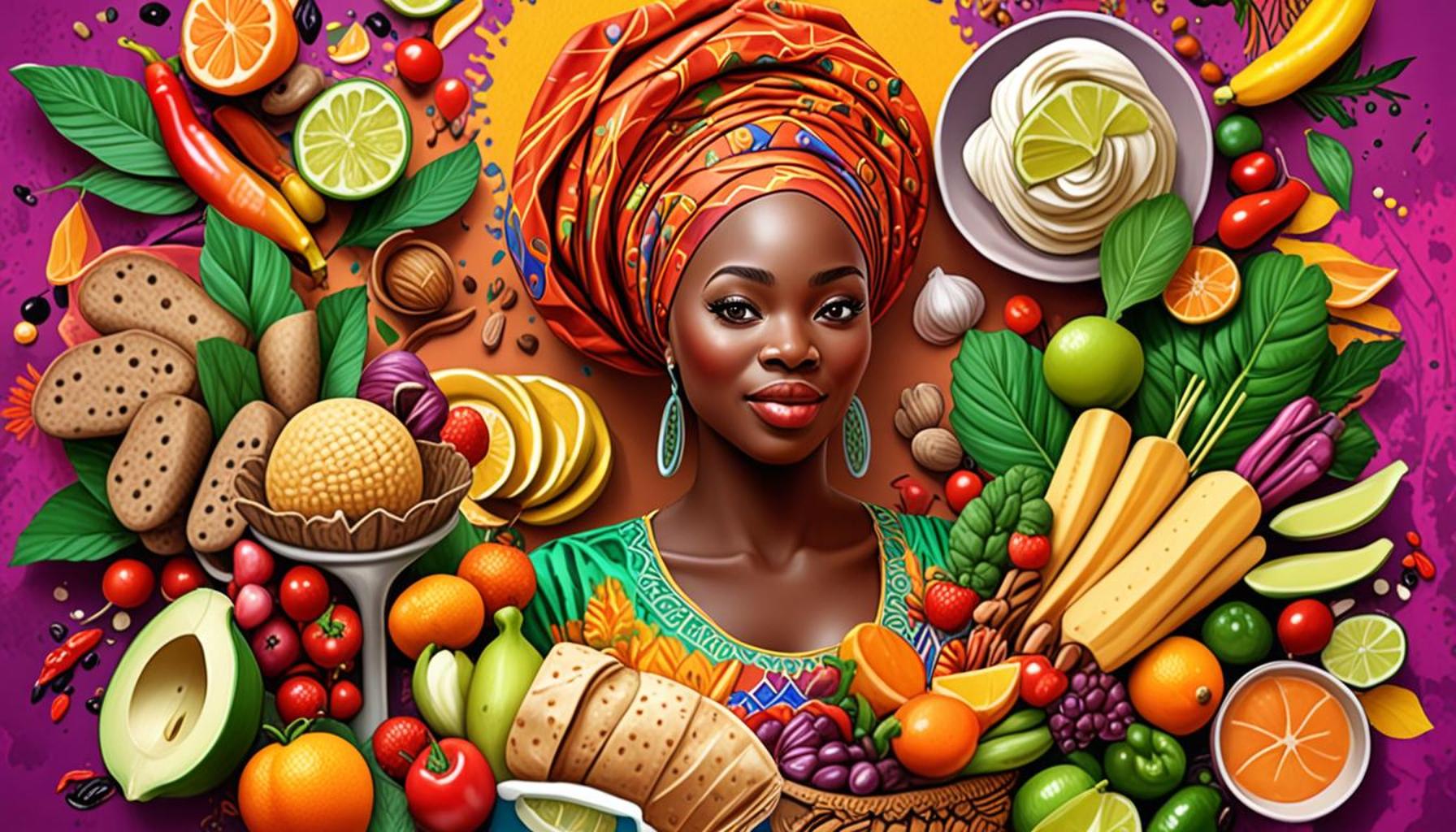
Nigerian Flavors A Culinary Tour Through Regional Cultures

Exploring a country’s culinary landscape is an adventure that unveils its history, culture, and diversity. Nigeria, a vibrant nation with a rich tapestry of traditions, offers a culinary experience that is as varied as its landscapes. From the bustling markets of Lagos to the serene villages of the North, the unique flavors and spices tell stories that captivate travelers.
A gastronomic journey through Nigeria is not just about tasting food; it’s about understanding the regional influences that shape these dishes. Each region boasts its own specialties, which reflect local ingredients and cultural heritage. As we dive deeper into this world of flavors, we’ll highlight the Top 5 must-try dishes that will make your trip an unforgettable experience.
- Rich culinary diversity: Nigeria’s cuisine includes a blend of indigenous ingredients and influences from colonization and trade.
- Regional specialties: Each part of Nigeria presents a unique gastronomic profile, from spicy stews to savory snacks.
- Food as culture: Understanding Nigerian food enriches the travel experience, providing insight into the country’s traditions and lifestyles.
Prepare your taste buds for an enticing journey as we explore the culinary treasures of Nigeria, revealing the top dishes that exemplify its regional cultures.
Exploring the Delicious Flavors of Nigeria: A Culinary Itinerary through Regional Cultures
Nigeria is a vibrant tapestry of cultures, characterized not only by its myriad of languages and ethnic groups but also by its diverse and sumptuous cuisines. Each region boasts its distinct culinary traditions, reflecting a rich history of trade, agriculture, and social customs. In this exploration, we present a ranked journey through the Top 5 Culinary Delights from Nigeria, each entrée serving as a gastronomic ambassador for its region. Prepare to be enchanted and intrigued by the delightful wonders of Nigerian cuisine!
5. Abacha – A Taste of the East
To start our culinary expedition, let’s delve into the East with Abacha, a dish fondly known as African salad. Predominantly savored within the Igbo heartlands, Abacha is crafted from fermented and dried cassava (not African oil bean leaves as commonly misstated). This dish celebrates the age-old tradition of fermentation, a crucial technique for nutritional and flavor enhancement employed globally across different cuisines.
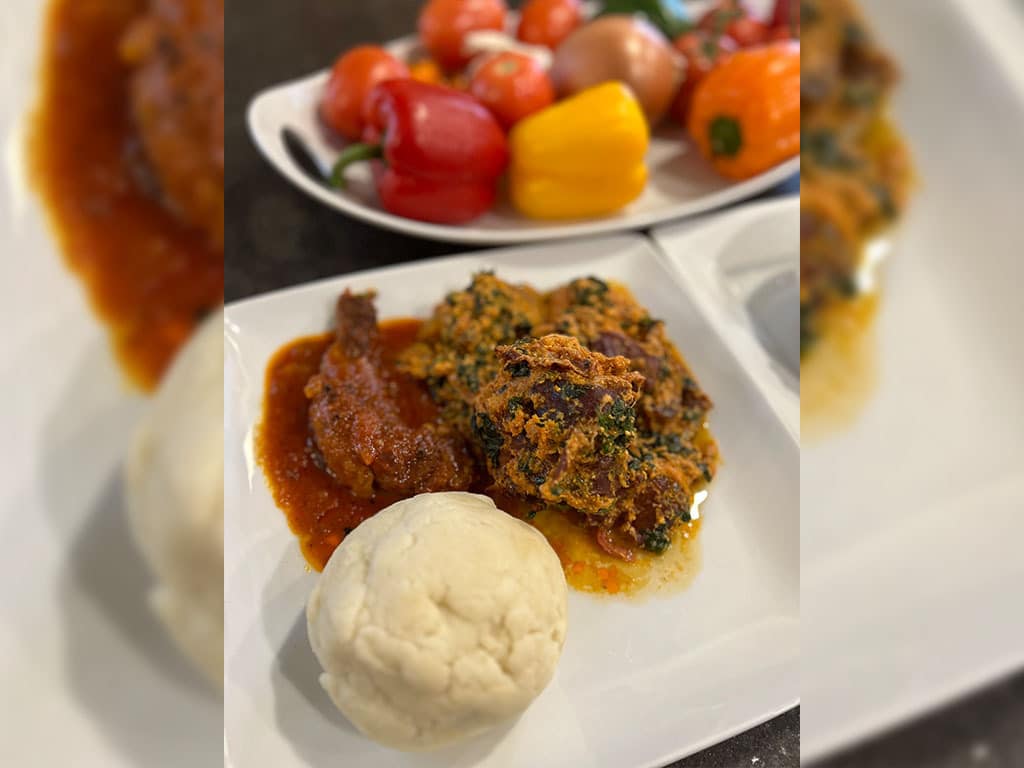
The preparation of Abacha involves a meticulous process where cassava is peeled, boiled, pounded, and finally sun-dried to achieve the crunchy texture that distinguishes it. It’s normally neatly garnished with garden eggs (a form of eggplant), onions, and a generous drizzle of vibrant palm oil, imbibing it with a nutty and aromatic essence. Fish, often flaked and added on top, adds another layer of flavor and a delicious dose of umami.
As with many traditional dishes like Abacha, the meal is enjoyed not just for its flavor but also for the social aspect it represents. Families and communities gather during significant events and festivals to prepare and share this salad, creating memories around its unique taste. For an authentic experience, ordering Abacha fresh from a bustling local market or a traditional Igbo eatery is highly recommended when visiting Eastern Nigeria.
4. Moi Moi – The Steamed Bean Pudding
Our next stop brings us to the Southwest, home of the Yoruba people and the delectable Moi Moi. This steamed pudding derives primarily from black-eyed peas—an ingredient praised for its nutritional benefits. Moi Moi transforms these humble peas into a dish full of flavor and sustenance, a staple on many tables during special occasions and daily meals alike.
Creating Moi Moi involves blending soaked and peeled beans with peppers, onions, and a touch of oil to create a smooth batter. This mixture is traditionally wrapped in banana leaves or poured into aluminum tins before being steamed to perfection. The resulting pudding is both tender and cohesive, a testament to the artistry involved in its preparation.
Moi Moi’s beauty lies in its versatility. It can stand alone as a hearty breakfast or be paired with Jollof Rice, soaked garri, or bread, enhancing a wide range of Nigerian meals. Tasty variations might include additions like boiled eggs, sardines, or even corned beef, allowing each rendition to offer a unique surprise. Sampling handmade Moi Moi from a street vendor or a family-run establishment in Lagos or Ibadan provides an unforgettable taste of southwestern ingenuity and hospitality.
3. Pepper Soup – The Spicy Essence of Nigeria
In third place on our culinary adventure is the remarkably piquant Pepper Soup, which exemplifies the union between comfort food and medicinal remedy. This dish transcends regional boundaries, enjoyed throughout Nigeria’s diverse cultures, yet each region adapts it to highlight local flavors and preferences.
The essence of Pepper Soup lies in its spicy broth filled with copious amounts of pepper, often augmented with herbs such as utazi and scent leaves. These spices, combined with ginger and garlic, provide not only a taste sensation but also health-boosting properties, particularly valued in cooling seasons and times of illness. The dish is prepared with meats like goat, catfish, or chicken, with coastal areas favoring fish-based versions while northern regions prefer goat meat.
Pepper Soup is deeply embedded in Nigerian social rituals and is often served at evening gatherings across the nation paired with a cool beverage like palm wine to balance its heat. Its invigorating nature appeals equally at roadside stalls and high-end restaurants, ensuring it retains its status as a beloved staple.
2. Jollof Rice – The War of Parboiling
Nigeria’s culinary identity would be incomplete without mentioning Jollof Rice, taking the second spot on our list. A dish steeped in lore and debate, Jollof Rice sparks a friendly feud over its best version, not only among Nigerians but also with countries like Ghana and Senegal claiming supremacy in its preparation.
The foundation of Jollof Rice is its vibrant color and robust flavor, requiring perfectly parboiled rice simmering in a rich mix of tomato purée, onions, and spices. While the base remains consistent, personal touches, such as the choice of protein and vegetables, introduce delicious diversity to each family’s Jollof recipe.
Jollof Rice serves as the centerpiece of Nigerian gatherings—weddings, birthdays, and national holidays all honor this dish. Its comforting and engaging taste is best explored through street festivals or gatherings where large pots of Jollof are cooked over open fires, offering a communal and festive experience.
1. Suya – The Ultimate Street Food Experience
Claiming the top spot in this adventure is none other than Suya, a quintessential Nigerian street food that has traveled beyond its northern origins to international fame. Suya is not just a meal but a cultural happening, a perfect embodiment of Nigeria’s love for communal dining and bold flavors.
These skewers of meat—often beef or chicken—are skillfully marinated in a blend of ground peanuts, ginger, pepper, and a mixture of local spices known as yaji. Grilled over open flames, Suya emerges tender and richly aromatic, a testament to the meticulous preparation that balances flavor with fiery heat. Accompanying sides of thinly sliced onions and tomatoes provide refreshing contrast, while a dab of spicy pepper sauce adds depth and dimension.
Suya is synonymous with Nigeria’s vibrant nightlife, sold mainly by street vendors known locally as “Mai Suya.” Whether enjoyed as an evening delicacy or amid the bustling energy of a food festival, Suya captures the spirit of Nigeria through its humble yet highly charismatic presence. Next time you find yourself in a Nigerian city after dusk, be sure to follow the smoky trails to the nearest Suya spot for a taste of unforgettable magic!
This itinerary through Nigerian gastronomy merely scratches the surface of its culinary landscape. Each dish on this list offers a gateway to explore deeper into regional traditions and further taste the breadth of flavors woven into Nigeria’s cultural fabric. The invitation is open, and the flavors await—let your taste buds embark on this journey of exploration and discovery.
| Category | Details |
|---|---|
| Culinary Diversity | Nigeria’s regional cuisines offer an umbrella of flavors, showcasing over 250 ethnic groups, each contributing unique ingredients and techniques. |
| Cultural Heritage | Exploring Nigerian cuisine is akin to delving into its rich history and traditions, revealing stories behind dishes that have been passed down through generations. |
| Local Ingredients | The emphasis on fresh, locally-sourced ingredients not only enhances flavor but also supports local farmers and contributes to the economy. |
| Fusion and Innovation | Nigerian chefs are embracing modern culinary techniques while staying true to traditional flavors, creating innovative dishes that attract global attention. |
This table highlights the multifaceted advantages of exploring the culinary landscape of Nigeria. Each category encourages readers to appreciate not just the food, but also the context, the people, and the future trajectory of Nigerian cuisine on the global stage. The culinary diversity showcases the country’s ability to blend tradition with contemporary culinary practices, providing an enriching journey for those willing to dive deeper into its flavors.
Frequently Asked Questions about Nigerian Cuisine
What are some staple ingredients in Nigerian cuisine?
Nigerian cuisine is known for its rich flavors and diverse ingredients. Some staple ingredients include yams, rice, beans, cassava, and plantains. In addition, spices like pepper, ginger, and garri (fermented cassava flour) are commonly used. These ingredients form the foundation of many traditional dishes, creating a unique tapestry of flavors that reflect the region’s agricultural abundance.
How does Nigerian cuisine reflect its regional diversity?
Nigeria’s cuisine is a mirror of its cultural and regional diversity. For example, the southern region, with its rich coastal resources, often features seafood dishes, while the northern areas, influenced by arid climates, opt for hearty and spicy stews and soups. Dishes like Jollof rice and Suya skewers vary widely in preparation from one region to another, demonstrating the country’s rich culinary tapestry. This diversity is a testament to Nigeria’s complex social fabric.
Are Nigerian dishes typically spicy?
Spices play a crucial role in Nigerian cooking, and many dishes indeed carry a robust spicy profile. Peppers, such as scotch bonnets and habaneros, are frequently used to infuse dishes with heat. However, not all dishes are spicy; there are plenty of milder options, too, allowing every palate to enjoy the country’s culinary heritage. For those who crave heat, exploring the different levels of spice in Nigerian cuisine can be an adventure.
Is Nigerian food vegetarian-friendly?
While Nigerian cuisine often includes meat and fish, there are also numerous vegetarian-friendly options available. Dishes like Beans and Corn pottage and Moi Moi (a steamed bean pudding) are not only popular but also devoid of animal products, depending on local variations. Nigerian cooking offers a plethora of plant-based ingredients that cater to vegetarian diets, making it inclusive and versatile.
What is a key challenge for outsiders trying Nigerian cooking for the first time?
One key challenge for outsiders can be navigating the extensive array of unfamiliar ingredients and spice levels. Additionally, traditional cooking methods can differ significantly from what many are used to, which may require adopting new techniques. However, those who venture into Nigerian cooking are rewarded with rich, bold flavors and an understanding of a culture with a deep culinary tradition.
Conclusion
The exploration of Nigeria’s culinary landscape reveals a fascinating tapestry woven from its rich and diverse regional cultures. As we ventured through this gastronomic itinerary, it became evident that the country’s cuisine is much more than just sustenance; it is a gateway to understanding its complex cultural heritage. From the bold and spicy Jollof Rice that has become emblematic of West African culinary prowess to the heartwarming and locally cherished Odunfa soup of Yoruba regions, Nigeria’s flavors tell stories of history, migration, and local customs.
One cannot overlook the importance of Nigerian street food, such as Suya, which highlights the country’s penchant for affordable yet flavorful meals that bring communities together. The ever-popular Pounded Yam with Egusi Soup serves not only as a culinary delight but also as a representation of familial bonds and shared experiences during large gatherings.
The significance of Nigerian cuisine in tourist itineraries cannot be overstated. It offers travelers a unique lens through which they can explore the vibrant cultures of Nigeria, while also providing an authentic taste of regional hospitality. By incorporating these culinary experiences into travel plans, tourists can gain a deeper appreciation of Nigeria’s cultural diversity and historical depth.
In summary, Nigeria’s culinary offerings are a testament to the richness of its regional histories and cultural nuances. For tourists seeking an enriching experience beyond the conventional sights, the flavors of Nigeria provide an enticing journey into the heart of this dynamic nation. As more travelers embrace gastronomic tourism, Nigeria stands out as an unparalleled destination, inviting explorers to savor its distinct and memorable flavors.