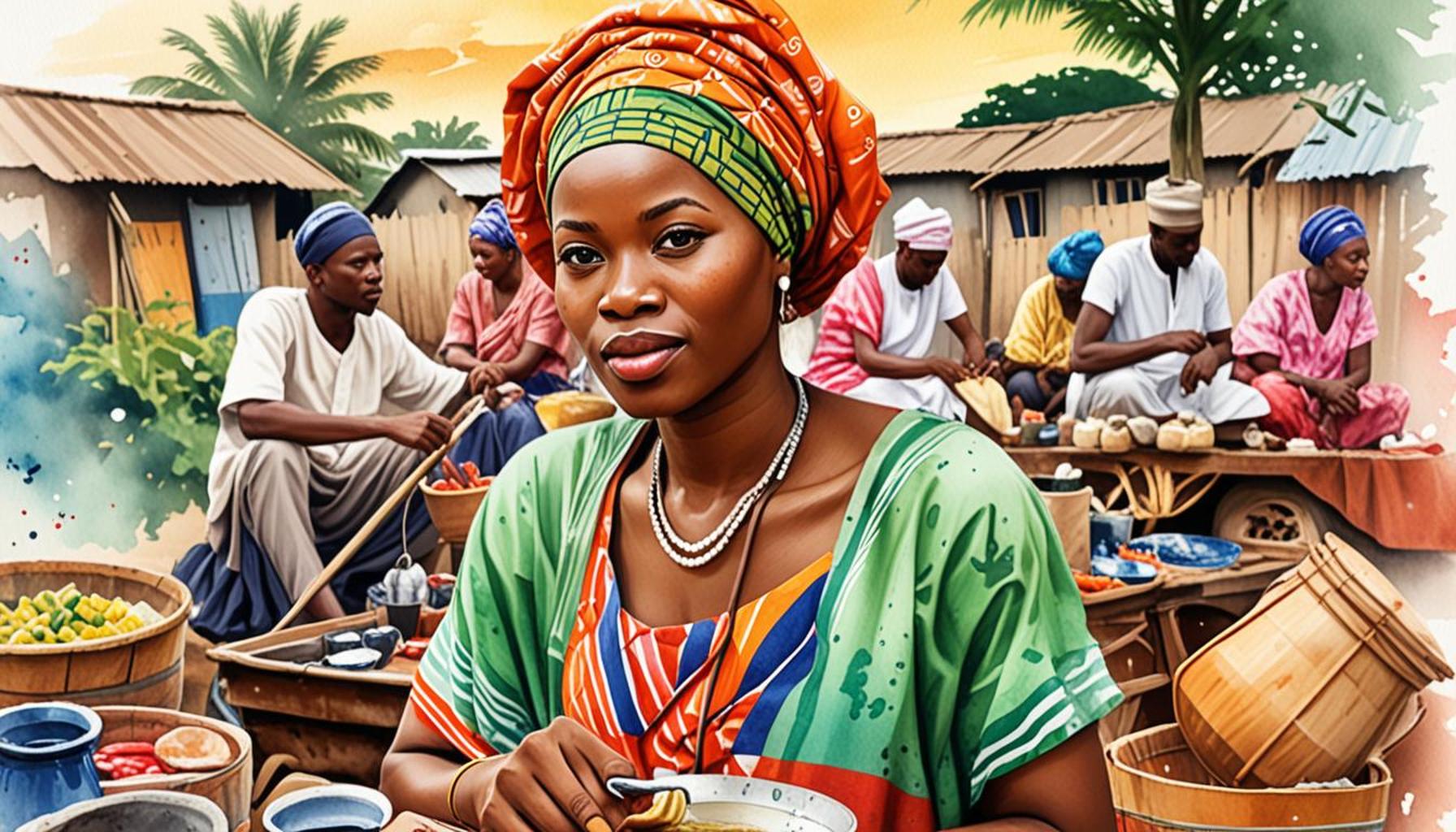
Hospitality Experiences: The Role of Cultural Reception in Nigerian Communities
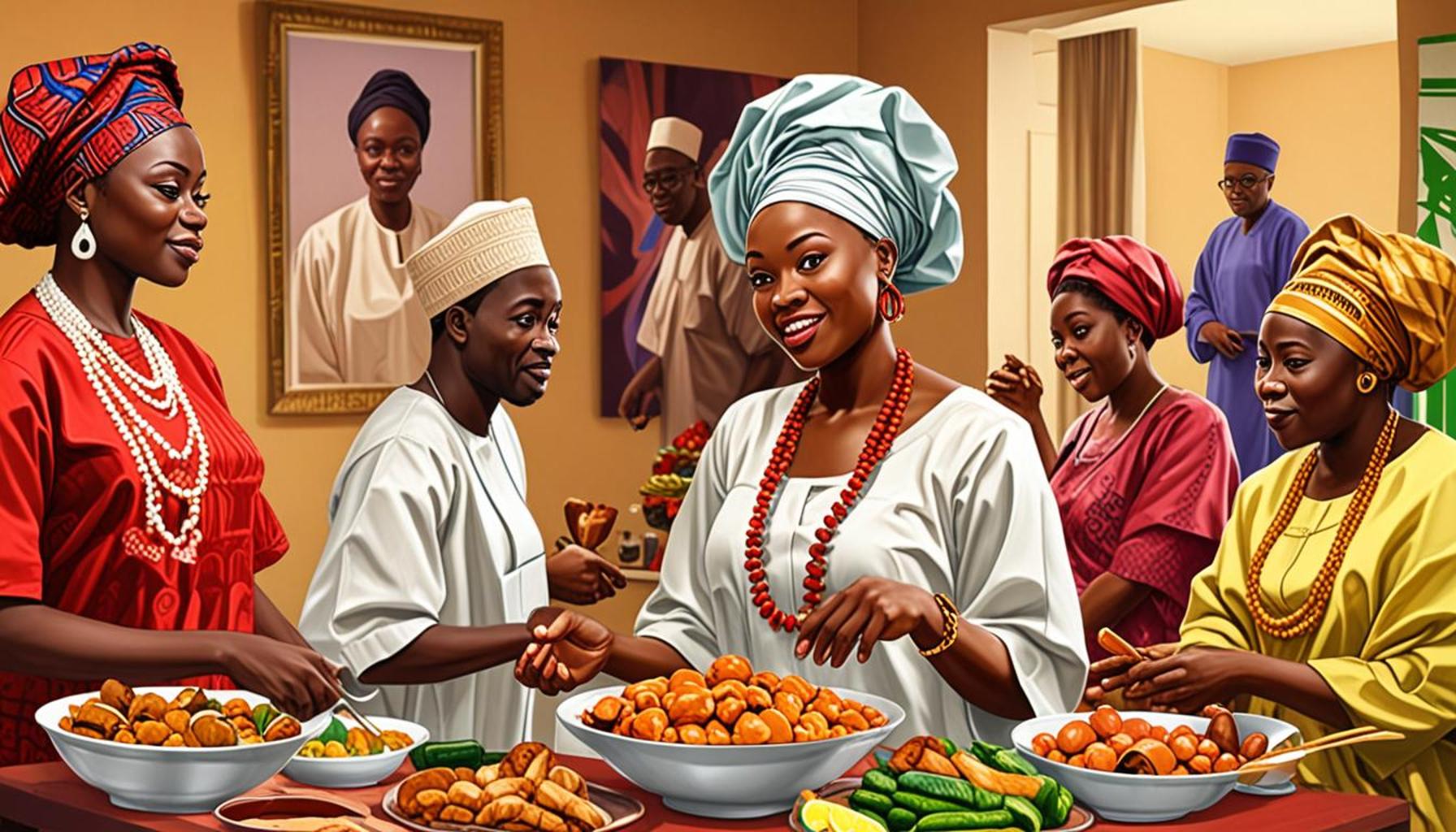
Understanding Hospitality in Nigeria
Nigeria is a vibrant mosaic of cultures, where hospitality extends beyond mere courtesy. This uniqueness is evident in various cultural practices across the different ethnic groups, each contributing richly to the hospitality landscape. The role of cultural reception is paramount in shaping unforgettable hospitality experiences, serving to strengthen relationships and promote a sense of belonging among individuals. This interplay influences not just the interactions among people but also reinforces the very fabric of social cohesion that characterizes Nigerian society.
Key Elements of Nigerian Hospitality
The essence of hospitality in Nigeria can be appreciated through various key elements that are universally cherished, yet uniquely expressed across different regions:
- Warm Greetings: A simple “Welcome” or traditional local greetings such as “Bawo ni” in Yoruba or “Na wa oh” in Pidgin can set a positive tone for any interaction. These greetings are often accompanied by smiles or handshakes, fostering immediate warmth.
- Generosity: The custom of offering food and drinks symbolizes sharing and friendship in Nigerian culture. For instance, during festivities like weddings or celebrations, hosts make it a point to serve visitors traditional dishes such as jollof rice, pounded yam, and egusi soup, which not only showcase local cuisine but also reflect the host’s generosity.
- Cultural Nuances: Different regions possess unique traditions in receiving guests. In the Northern regions, for example, hospitality is often highlighted through elaborate meals served in communal settings, where guests are encouraged to partake freely. In contrast, Southeastern hospitality may include communal storytelling and dance as modes of engagement and welcome.
These elements reflect a community’s identity and their approach to welcoming both locals and visitors. The ways in which Nigerian communities embrace cultural diversity shape their hospitality experiences, fostering an atmosphere of inclusivity and warmth. Whether in urban centers or rural villages, hospitality acts as an avenue for showcasing Nigeria’s rich cultural tapestries.
The Impact of Cultural Reception
Exploring the impact of cultural reception reveals how it enhances mutual understanding among diverse groups. In Nigeria’s multi-ethnic society, hospitality practices often bridge divides, allowing for a rich exchange of ideas and traditions. For example, during national events such as Independence Day, people from different states come together, sharing food and stories, solidifying bonds through these shared experiences.
- By promoting cultural exchange and appreciation, hospitality serves as a platform for showcasing Nigeria’s vast array of customs and traditions, including music, dance, and art, providing opportunities for both locals and tourists to learn and grow.
- Furthermore, hospitality strengthens community ties and shared values, as families often invite neighbors to events, fostering a sense of belonging and support. Shared meals, in particular, become a remedy for isolation, reinforcing connections among community members.
This article delves into how these factors combine to create enriching hospitality experiences that resonate deeply within Nigerian communities. Discover how cultural reception has become an integral part of hospitality, inviting everyone to participate in this colorful tapestry of human connection, and encouraging further exploration of the rich cultural heritage that Nigeria has to offer.

RECOMMENDED: Check out this similar article
The Roots of Hospitality in Nigerian Communities
At the heart of the Nigerian spirit lies a profound sense of hospitality that is woven into the daily lives and interactions of its people. This ingrained culture of welcome is shaped by both traditions and the diversity of the country’s nearly 250 ethnic groups. Each community, whether Hausa, Yoruba, Igbo, or a lesser-known tribe, brings its own flavor to the practice of hospitality, creating a rich tapestry that draws on shared values and distinct practices.
Traditional Practices that Define Hospitality
Cultural reception is not merely a formality but rather a deep-rooted aspect of Nigerian society that expresses respect, honor, and kinship. Traditional practices play a crucial role in defining how hospitality is experienced:
- The Role of Food: In Nigeria, food is a powerful expression of hospitality. It is common for hosts to prepare elaborate dishes for their guests, emphasizing not just the act of sharing a meal but communication of care. Staple dishes such as jollof rice, pounded yam, and egusi soup are not just culinary delights but important cultural symbols that allow hosts to convey their pride in local cuisine.
- Storytelling Traditions: Another distinctive aspect of Nigerian hospitality includes the art of storytelling, particularly in rural communities. Guests are often engaged with tales that illustrate cultural values, morals, and lessons of the past. This tradition helps in cultivating connections and instilling a sense of cultural pride.
- Ritualistic Celebrations: Major life events such as weddings, naming ceremonies, and funerals see an overflow of hospitality. These occasions often attract not just family members but the wider community, reinforcing social bonds and showcasing the values of collective support and unity.
These traditional practices reflect a strong emphasis on community and connection. In Nigeria, hospitality is less about mere transactions or formal invitations; rather, it is an embodiment of an inherent respect for human relationship.
The Influence of Modernity on Hospitality
As Nigeria continues to evolve, so do its hospitality practices. Urbanization and globalization introduce new dynamics into the hospitality landscape, merging traditional practices with contemporary influences. Popular locations, such as Lagos and Abuja, present a blend of modern hospitality services—from upscale restaurants to boutique hotels—where traditional Nigerian hospitality is often intertwined with international standards.
Nevertheless, even in cosmopolitan settings, the essence of cultural reception remains a vital aspect. Events such as cultural festivals, art exhibitions, and even business gatherings become platforms for sharing indigenous hospitality. They create spaces where cultural diversity is celebrated, encouraging both locals and tourists to partake in authentic Nigerian experiences.
Thus, Nigerian hospitality continues to thrive as a dynamic force, bridging traditions with modernity while maintaining an unwavering commitment to community and connection. This vibrant hospitality culture not only invites individual interactions but also stimulates dialogue on the importance of cultural preservation in a rapidly changing world. As we explore the subsequent sections, we will delve deeper into how these various threads of hospitality experiences shape the identities and interactions of Nigerian communities.
| Category | Key Features |
|---|---|
| Cultural Diversity | Nigeria is a melting pot of cultures, with over 250 ethnic groups, each bringing its unique traditions to the hospitality sector. |
| Community Engagement | Local hospitality initiatives foster community pride and cultural exchange, enhancing the visitor experience and building lasting connections. |
| Culinary Traditions | Nigerian cuisine plays a vital role in hospitality, offering guests an authentic taste through local dishes, contributing to cultural appreciation. |
| Art and History | Hotels and resorts often showcase local art and history, providing guests with insights into Nigeria’s rich heritage. |
In understanding the role of cultural reception in Nigerian communities, it becomes evident that the hospitality industry is not merely about providing services but also about embracing and promoting cultural exchange. This multifaceted approach enhances the travel experience for visitors while also stimulating local economies. Tourists are increasingly seeking authentic experiences, making it imperative for hospitality business owners to showcase the unique traditions of Nigerian culture, such as dance, music, and culinary arts. Engagement with local communities empowers residents and fosters a sense of pride in their cultural identity. Furthermore, integrating traditional architectural styles in hospitality designs can transport visitors into the heart of Nigeria’s heritage, fostering respectful understanding of the diverse populace. This intermingling of cultural reception creates a welcoming atmosphere where both guests and hosts can learn and grow from each other’s experiences, ensuring the sustainability of the hospitality sector in Nigeria.
RECOMMENDED: Check out this similar article
The Impact of Cultural Reception on Relationships and Community Building
The role of cultural reception in Nigerian communities extends far beyond the mere act of welcoming guests. It fosters deep and lasting connections, reinforcing social networks and contributing to a robust sense of belonging. In a land where communal ties often dictate the rhythm of life, hospitality acts as a catalyst for relationship building and community cohesion.
Hospitality as a Tool for Social Capital
In Nigeria, hospitality is intertwined with the concept of social capital—an invaluable asset gained through trust, reciprocity, and shared experiences. The act of hosting someone, regardless of their background, creates an opportunity for individuals to strengthen their social standing within the community. Gatherings over traditional meals or participation in cultural events enable individuals to create bonds that transcend mere acquaintance. As such, hospitality practices serve as social glue, facilitating networks that are crucial during times of need.
For instance, the tribulations experienced during challenges such as regional conflicts or economic downturns often see community members mobilizing to support one another. Here, hospitality manifests in the form of shared resources—food, shelter, and emotional encouragement—fostering a sense of solidarity. The warmth extended to guests during trying times reinforces the cultural principle that “no one should suffer alone.”
Hospitality in Community Engagement and Governance
Moreover, cultural reception is integral to community engagement and governance. Local leaders often employ hospitality as a means of fostering dialogue and consensus among community members. Town hall meetings and community forums frequently feature hospitality in the form of shared meals, creating a more inviting atmosphere. This encourages participation from all sections of society, allowing diverse voices to be heard. Through this participatory approach, traditional customs are preserved while innovative ideas are introduced, demonstrating that hospitality can adapt to meet contemporary challenges.
Furthermore, the prevalent practice of inviting esteemed members of the community—including elders and influential figures—to engage in discussions highlights an intrinsic respect embedded in Nigerian cultural norms. These interactions, characterized by reciprocal hospitality, reinforce social hierarchies while simultaneously promoting inclusivity in local decision-making processes.
The Role of Festivals and Cultural Events
Cultural festivals serve as grand displays of hospitality and are pivotal in fortifying community identity. Events such as the Osun-Osogbo Festival and the Calabar Carnival are not only vibrant celebrations of heritage but also platforms for hospitality that attract both locals and international visitors. These festivals compile the essence of Nigerian culture, showcasing traditional cuisine, music, and attire. They express a collective desire to celebrate diversity while inviting others to partake in the cultural journey.
The experience of sharing these moments promotes cross-cultural interactions and encourages visitors to appreciate the local heritage. In this light, hospitality becomes a two-way street—where communities share their legacies while also learning from others. Such exchanges can lead to lasting contributions to the local economy, as tourism expands and cultural appreciation deepens.
In conclusion, cultural reception in Nigerian communities is alive and thriving. It serves foundational roles in relationship building, community engagement, and the celebration of heritage through festivals, making it a cornerstone of social interaction that is uniquely rich and multifaceted. Understanding these interconnections unveils the true power of hospitality as not just a practice but a cornerstone of life in Nigeria—shaping the behavioral and social landscapes of its communities.
RECOMMENDED: Check out this similar article
Conclusion
In summary, the fabric of hospitality experiences within Nigerian communities is intricately woven with cultural reception, influencing social interactions and fostering a strong sense of unity. As we have explored, hospitality goes beyond simple gestures; it is a profound expression of community values that enhance relationships, create opportunities for social capital, and facilitate participatory governance. The warmth extended to guests embodies the spirit of communal support, showcasing the resilience of these communities in times of hardship.
Furthermore, vibrant cultural festivals and events highlight the role of hospitality as a means of celebrating heritage while inviting diverse cultural exchanges. These interactions are not only beneficial for local identity but also enhance Nigeria’s visibility in the global landscape, attracting tourism and stimulating economic growth. The rich tapestry of Nigerian traditions, marked by its warmth and openness, underscores the enduring principle that every visitor is a potential friend.
As Nigeria continues to navigate the complexities of modernization, it is essential to recognize and uphold the essence of hospitality that binds communities together. By integrating traditional values into contemporary practices, Nigerian communities can maintain a unique cultural identity while simultaneously embracing innovation. The future of hospitality in Nigeria relies on this balance—where warmth, inclusiveness, and cultural appreciation remain at the forefront, forging connections that defy barriers and create lasting impressions. Understanding the profound impact of cultural reception not only enriches our hospitality experiences but also becomes essential in cultivating vibrant, resilient communities ready to welcome the world.