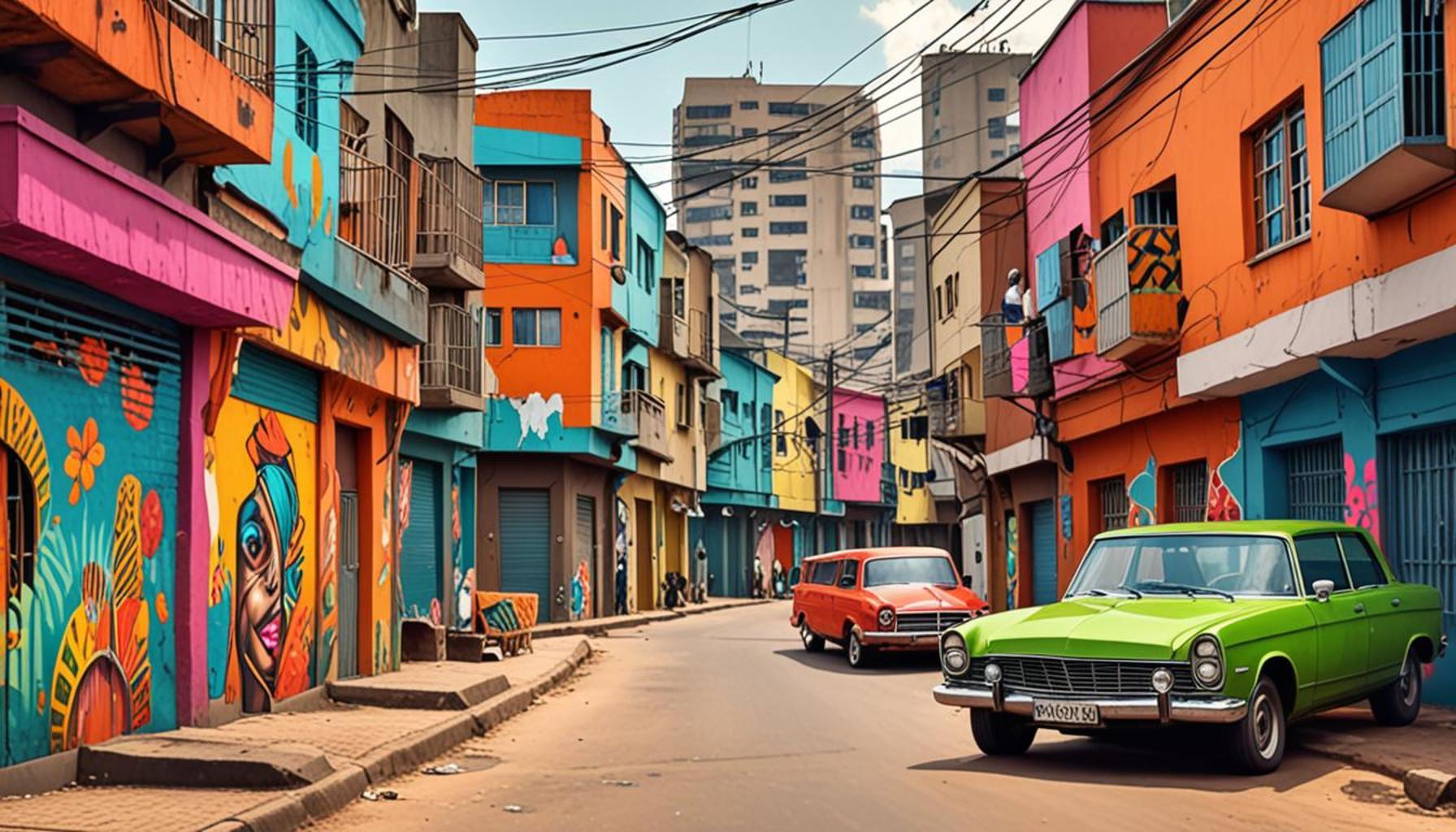
Architecture City Tours: Discovering Iconic Styles and Buildings in Nigerian Cities

Exploring the Architectural Wonders of Nigeria
Nigeria’s diverse architecture is an intricate mirror of its vast cultural heritage, showcasing a variety of styles that range from traditional to modern. Each region tells its own story through the buildings that line its streets, forming a rich narrative about the people, their history, and their aspirations.
Beginning your exploration with an architecture city tour provides invaluable insights into the country’s most significant structures. Key highlights include:
- The Aso Rock Presidential Villa in Abuja – This striking modern edifice, which serves as the official residence of the President of Nigeria, exemplifies contemporary architecture fused with traditional design elements. Its grand structure, nestled against the iconic Aso Rock, symbolizes the seat of power in Nigeria and showcases the country’s ambition.
- The National Mosque and National Cathedral – These two monumental buildings stand as powerful symbols of the nation’s religious diversity and harmony. The mosque, with its stunning minarets and expansive prayer halls, caters to thousands of worshippers. In contrast, the cathedral’s soaring arches and ornate interiors represent the Christian community, reflecting centuries of spiritual expression.
- The Nike Art Gallery in Lagos – As a premier destination for art enthusiasts, this gallery goes beyond mere exhibition; it is an architectural masterpiece that creatively integrates Nigerian culture into its design. The gallery features vibrant artworks and sculptures that tell the stories of Nigeria’s numerous ethnic groups, showcasing the interplay between art and architecture.
Each Nigerian city boasts its unique architectural identity. For instance, the colonial influences in Calabar, with its well-preserved Victorian buildings, offer a glimpse into the past when Nigeria was under British rule. Meanwhile, in Ibadan, traditional Yoruba architecture, characterized by mud houses and intricate carvings, stands as a testament to the ingenuity of local craftsmanship.
Architecture enthusiasts and casual tourists alike can find a myriad of inspirations in Nigeria’s urban landscapes. Wandering through these cities often reveals the craftsmanship that goes into building structures, from the ornate facades of city center shops to the humble dwellings in rural areas, each making a statement in its own right.
Prepare for an enlightening journey through Nigeria’s architectural marvels, where every turn provides a lesson in history, cultural significance, and artistic expression. As you traverse these urban environments, consider taking the time to engage with local architects or historians, enriching your understanding and appreciation of the diverse styles that define this vibrant nation.
SEE ALSO: Click here to read another article
Unveiling the Rich Tapestry of Nigerian Architecture
Nigeria’s urban architecture is as diverse as its 250 ethnic groups, each contributing to a unique blend of designs that reflect historical influences, social dynamics, and cultural narratives. As you embark on an architecture city tour, the beauty of these structures becomes evident, revealing how the country’s past intertwines with its present and future.
One cannot discuss Nigerian architecture without paying homage to the slum housing projects and urban informal settlements which showcase a fascinating aspect of resilience and creativity in architecture. Cities like Lagos, often dubbed the ‘city of excellence,’ are home to vibrant waterfront structures and architectural innovations amid the challenges of urbanization. Notable buildings such as the National Theatre in Iganmu stand out not just for their purpose but for their distinctive shape akin to a traditional Nigerian gourd, creating a unique identity within the skyline.
Another architectural gem is Olusegun Obasanjo Presidential Library in Abeokuta, which reflects the rich history of Nigeria’s leadership and governance. This library offers visitors a glimpse into Nigeria’s political evolution while its striking exterior and landscaped grounds serve as an inviting space for learning and reflection. Within its walls lies an extensive collection of artifacts and literature chronicling Nigeria’s history.
Architectural milestones in Nigerian cities also signify the influence of colonialism and post-colonial development. The remnants of colonial architecture are especially prominent in cities like Calabar and Ibadan, where structures such as the Calabar Drill Shed and University of Ibadan echo the history of British influence. These buildings showcase both British-inspired designs and adaptations that reflect local tastes, yielding a unique architectural character.
Exploring the architectural highlights of Nigeria, one can find:
- The Eko Atlantic City project in Lagos – A pioneering initiative aimed at addressing coastal erosion and urban overpopulation, this development embodies cutting-edge sustainable architecture, with a vision for a resilient and modern city.
- Benin City’s Traditional Palaces – Known for intricate craftsmanship, these palaces represent the legacy of the Benin Kingdom, demonstrating the importance of traditional architecture in cultural identity.
- The Transcorp Hilton Abuja – An example of modern luxury architecture, this hotel combines innovative design with local architectural elements, making it a significant landmark and a symbol of Nigeria’s growth.
Visiting these iconic structures is not just about viewing artful designs; it’s about delving into the stories behind them. The vibrant interactions between local communities, skilled craftsmen, and contemporary architects propel Nigeria’s architectural narrative forward. This is a nation in motion, where each new building is a chapter in an ongoing saga of creativity and resilience.
As you navigate through Nigeria’s urban jungles, take note of the nuances that define each city’s architecture. Engage with local architects and community members, who can provide deeper insights into how architecture mirrors the ethos of Nigerian society.
| Category | Key Features |
|---|---|
| Historical Significance | Nigerian cities boast a rich tapestry of cultural history, showcasing various architectural styles from colonial to contemporary periods. |
| Diverse Architectural Styles | From gothic cathedrals to modern skyscrapers, explore the eclectic mix that defines urban landscapes, inviting architecture enthusiasts to delve deeper. |
| Unique Experiences | Interactive tours offer hands-on insights into Nigeria’s architectural wonders, enhancing appreciation for the cultural heritage. |
| Community Engagement | Engaging local communities fosters a sense of belonging and enhances the tourism experience, creating lasting memories. |
As urban exploration expands, the Architecture City Tours lens invites both locals and tourists to witness the profound impact of architecture on everyday life. It highlights the evolution of cities, revealing how structures echo the stories of the people who inhabit them. Every building is a canvas, reflecting the integrating influences of colonization, global trade, and local innovations. The architectural landscape is an ever-evolving dialogue between past and present, making each city tour a captivating journey into the unknown.These tours not only illuminate the arts and craftsmanship embedded within Nigerian cities, but they also provide context for the identities that these structures represent. Investigating the relationship between architecture and community enriches the overall experience, opening doors to critical discussions about sustainability, heritage preservation, and urban planning. Witnessing this intricate tapestry firsthand inspires a profound understanding of both history and the visionary paths forward.
LEARN MORE: This related article may interest you
Modern Marvels: The Intersection of Tradition and Innovation
Nigeria is a land where ancient traditions and modern innovations coalesce, creating a vibrant architectural landscape that tells the story of a nation in transition. As you continue your architecture city tour, the evolution of styles over time becomes evident in both new constructions and restoration of historic buildings. A notable example is the Nigerian National Mosque located in Abuja, which stands as a testament to contemporary Islamic architecture. This majestic structure is often lauded for its intricate details and grand domes, symbolizing peace and opening its doors to both worshippers and tourists alike.
When discussing modern Nigerian architecture, it’s impossible to overlook the National Arts Theatre. This incredibly designed space, established in 1976, not only serves as a performance venue but also as a cultural hub that reflects the artistic soul of Nigeria. Its architectural style, an implementation of the brutalist design, has made it an iconic representation of Nigeria’s rich cultural heritage and artistic expressions, while also serving as a center for the arts, drama, and music.
Furthermore, the Radisson Blu Anchorage Hotel in Lagos illustrates how modern design can embrace luxury while advocating for sustainability. Perched on the banks of the Lagos Lagoon, this architectural masterpiece utilizes glass and steel to merge opulence with the natural landscape. Its innovative design plays a crucial role in enhancing the coastal aesthetics of the area, offering travelers a glimpse into contemporary Nigerian style intertwined with nature.
For those who cherish the classical forms, the University of Ibadan provides an excellent contrast to contemporary styles. Established in 1948, the university is renowned for its colonial-inspired architecture, featuring iconic structures like the IBADANCITY Library and the Faculty of Arts Building, which resonate with deep historical significance. Walking through this academic haven offers insight into the fusion of education and architecture, highlighting the importance of constructed spaces in societal development.
The Terracotta House in Abuja signifies a refreshing take on architectural aesthetics by blending local craftsmanship with modern design. This residential marvel features rich earthy tones and handmade terracotta bricks, showcasing Nigeria’s thriving craft sector while embracing sustainability through its thermal efficiency. It’s a shining example of how indigenous materials can be reimagined for contemporary living.
As visitors traverse these architectural sites, they encounter a tapestry of stories that span generations. The architectural styles seen throughout Nigeria are not just brick and mortar; they represent the socioeconomic frameworks and cultural values of the communities they serve. This multifaceted approach to architecture invites discussions about local resources, environmental sustainability, and the integration of technology in construction.
Indeed, engaging with the architectural narratives of Nigeria allows participants to appreciate the dual legacy of colonial history alongside a commitment to innovation. For those embarking on an architecture tour, connecting with local artisans, architects, and urban planners can unveil deeper insights into how traditional practices influence modern design, setting a new course for Nigeria’s urban evolution.
Every corner of Nigeria holds an architectural surprise, from residential buildings that embrace eco-friendly designs to commercial spaces that utilize contemporary aesthetics. Understanding the ethos and history that shape these structures not only enriches the experience of the city but also fosters a greater appreciation for the architectural prowess of Nigeria as a whole.
YOU MAY ALSO LIKE: Read read another article
Conclusion: A Journey Through Nigeria’s Architectural Landscape
As we conclude our exploration of Nigeria’s architectural marvels, it is clear that architecture city tours in this diverse nation offer visitors much more than just a visual feast; they open a window into the heart of Nigeria’s identity and cultural heritage. The dynamic blend of historical influences and contemporary design has created a unique architectural narrative that reflects the rich tapestry of Nigerian society.
The juxtaposition of traditional craftsmanship with modern techniques found in buildings like the Terracotta House and the structural grandeur of the Nigerian National Mosque or the National Arts Theatre underscores a critical dialogue between the past and the present. Through such tours, visitors gain invaluable insights into the stories etched in the walls of these structures, revealing the societal values, aspirations, and innovations that continue to shape Nigeria today.
Moreover, the sustainability practices seen in modern architectural projects signify a progressive approach toward environmental consciousness, ensuring that the country’s development does not come at the expense of its rich natural resources. By delving into the architectural feats of Nigeria, tourists not only witness the creative spirit of local artisans and architects but become part of an ongoing narrative of growth and sustainability.
In essence, embarking on an architecture city tour in Nigeria is an invitation to appreciate the country’s built environments that inspire and challenge. As you wander through vibrant neighborhoods and historic districts, let the architectural stories resonate, compelling you to explore, learn, and connect with the profound essence of Nigerian culture. Whether you’re a local or a traveler, there is always more to discover and appreciate in the architectural landscape of Nigeria.