
City Tours of Natural Heritage: Exploring Urban Parks and Reserves in Nigeria’s Cities
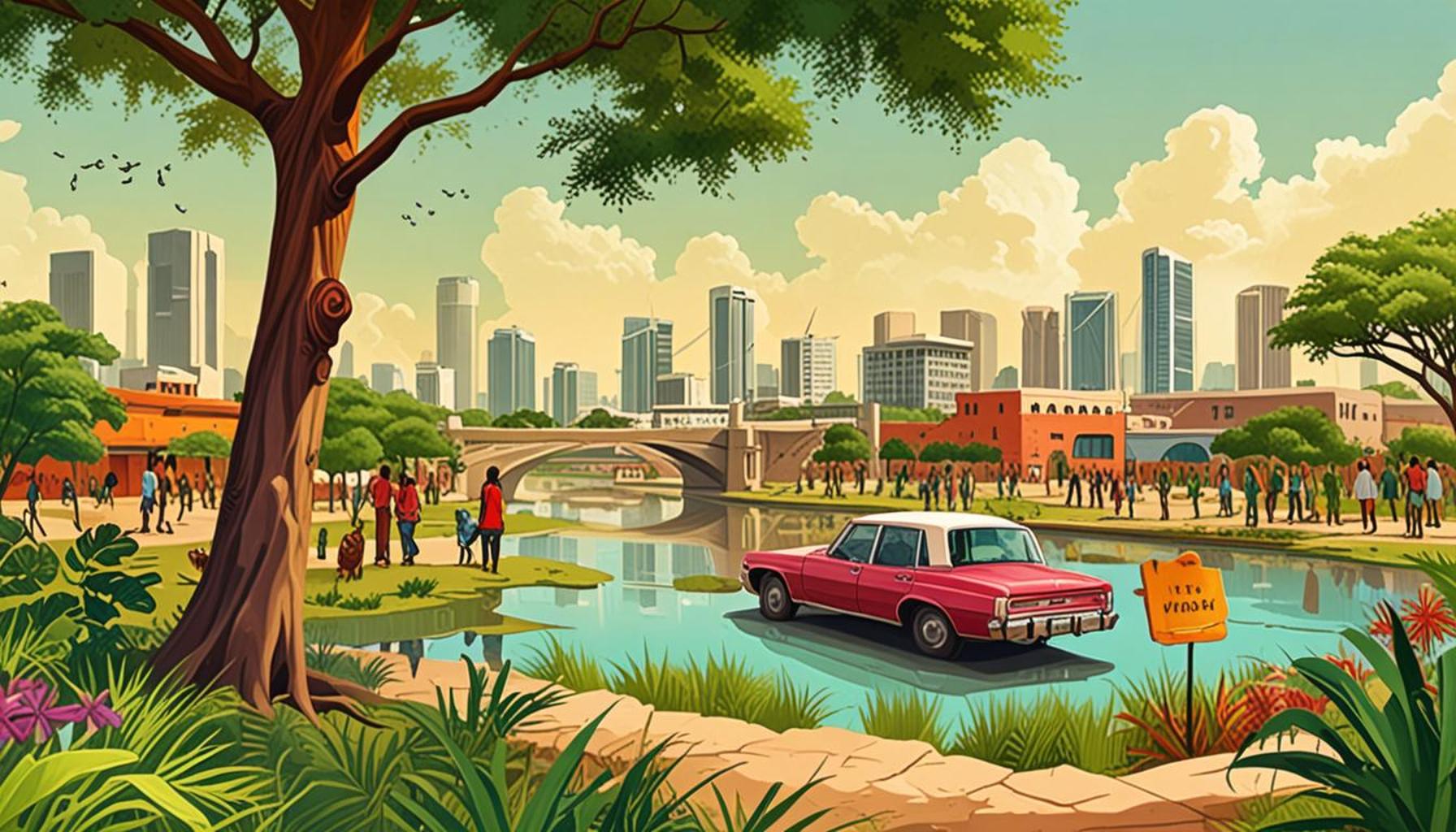
Exploring Nigeria’s Urban Parks and Nature Reserves
Nigeria’s cities exude a captivating energy characterized by lively markets, rich street culture, and a mosaic of urban life. Yet, tucked within this dynamic environment are incredible natural retreats that provide a breath of fresh air amid the hustle and bustle. Urban parks and reserves offer an essential sanctuary where flourishing nature coexists alongside urban development, presenting a unique opportunity for both relaxation and exploration.
These green spaces are not solely for leisure; they are vital ecosystems that support diverse wildlife and promote community well-being. One standout location is the Lekki Conservation Centre in Lagos, a sprawling 78 hectares of mangrove forests and tropical wildlife. This conservation area is home to over 200 species of birds, making it a prime spot for avid birdwatchers. Visitors can stroll along the longest canopy walkway in Africa, gaining a vantage point to admire the lush surroundings and spot exotic flora and fauna.
Traveling to Enugu, you can experience the enchanting Awhum Waterfall and Park. Nestled in the serene hills, this picturesque location is not only a sight to behold with its cascading waters but also boasts a rich cultural history. Visitors can engage in picnicking, hiking, or meditative retreats while enjoying the park’s serene ambiance and breathtaking views.
The Ogbunike Caves in Anambra offer an exploration of both nature and local lore. Designated as a national monument, these caves are significant to the culture of the indigenous communities. Guided tours lead visitors through fascinating chambers adorned with stalactites and historical artifacts, providing a unique blend of adventure and education.
In northern Nigeria, Murtala Muhammed Park in Kano serves as a central recreational area, amplifying the city’s natural charm. With well-maintained gardens, playgrounds, and walking trails, it offers a perfect escape for families and individuals seeking relaxation within the confines of the bustling city.
City tours centered on these natural heritage sites not only promote environmental awareness but also foster a connection between urban dwellers and the natural world. Guided walks, cultural events, and educational programs enhance the experience, offering insights into the ecosystem’s role in urban settings.
As Nigeria continues to grow and evolve, the preservation of these natural spaces becomes increasingly crucial. Exploring urban parks allows residents and visitors alike to appreciate the nation’s commitment to conservation and sustainability. It highlights the delicate balance required between development and the environment—a balance that is essential for future generations. Such experiences not only replenish the spirit but also deepen understanding of Nigeria’s rich cultural and environmental heritage, inviting everyone to partake in its preservation while enjoying what these urban gems have to offer.
YOU MAY ALSO LIKE: Read read another article
Captivating Urban Nature: A Gateway to Biodiversity
Nigeria’s urban parks and nature reserves are more than mere patches of greenery amidst concrete jungles; they are vital lifelines for both the environment and the community. These urban oases contribute significantly to the ecosystem, providing habitats for various wildlife species and enhancing the overall quality of life for city residents. Engaging in city tours of natural heritage allows individuals to immerse themselves in these unique settings, fostering a deeper understanding and appreciation of Nigeria’s rich biodiversity.
Among Nigeria’s lush landscapes, the Oshodi’s National Park stands out as an exemplary model of preservation and urban integration. Located in the heart of Lagos, this park stretch features a variety of flora and fauna that showcases the country’s ecological diversity. Visitors can embark on guided tours that offer them a chance to learn about the indigenous plant species and the importance of urban green spaces. Walking trails meander through dense canopies, allowing guests a close-up view of local wildlife, including indigenous butterflies and birds.
Meanwhile, the Enugu Botanical Gardens presents an enchanting blend of natural beauty and educational resources. Covering an extensive area, this botanical garden features an impressive collection of local plants, rare medicinal herbs, and an array of exotic species. Families can partake in interactive workshops, where skilled horticulturists share insights into plant conservation and sustainable gardening practices. This hands-on engagement not only enriches knowledge but also nurtures a sense of responsibility towards environmental stewardship.
To further illustrate the diversity of urban parks in Nigeria, here are some notable highlights:
- Lekki Leisure Lake – A destination for both relaxation and adrenaline-pumping activities, this lake is surrounded by pristine nature trails that invite visitors to hike or cycle while taking in scenic views.
- Gurara Falls – Located just outside Abuja, this awe-inspiring waterfall is not just a popular picnic spot but also a vital water source for nearby ecosystems.
- Ibadan’s Agodi Gardens – Combining landscaped gardens with a zoo, this venue allows visitors to experience a variety of wildlife while enjoying a tranquil setting perfect for gatherings and educational trips.
Through these enriching experiences, urban parks and nature reserves act as more than just recreational spaces; they embody a commitment to environmental conservation and education. City tours focused on these natural heritage sites can inspire conversations about sustainability and the imperative of preserving nature within urban settings. Visitors are reminded that while cities grow and develop, there is an undeniable need to protect the delicate balance between human activity and ecological preservation.
Participating in these tours creates a sense of community, connecting like-minded individuals who share a passion for nature and environmental conservation. This bond can encourage local initiatives aimed at preserving these vital green spaces, ensuring they thrive for future generations. With vibrant landscapes, diverse wildlife, and enriching experiences, Nigeria’s urban parks and reserves beckon adventure-seekers and nature enthusiasts alike to explore, learn, and contribute to their preservation.
Discovering Urban Green Spaces in Nigeria
Nigeria’s vibrant urban areas are not just bustling metropolises; they also house hidden gems of natural heritage. Urban parks and reserves in cities such as Lagos, Abuja, and Port Harcourt offer a unique blend of recreational opportunities and environmental preservation, making them essential for both residents and visitors. Exploring these areas reveals the rich biodiversity and cultural significance embedded within Nigeria’s urban landscapes.
Many of these parks act as vital green lungs for the cities, providing essential ecological functions while also serving as venues for community activities and events. Facilities such as hiking trails, picnic spots, and education centers encourage engagement with nature and promote a sense of community. For tourists, these parks offer a refreshing escape from the urban hustle and bustle, contributing to a well-rounded travel experience.
The concept of city tours focusing on natural heritage not only draws attention to the importance of conservation but also fosters a deeper understanding of sustainable practices. By participating in guided tours, visitors can learn about local flora and fauna, while also uncovering the history and cultural narratives tied to these green spaces.
Urban Parks: A Beacon of Biodiversity
Residential areas surrounding these parks benefit significantly from their proximity to nature, seeing increases in property values and overall quality of life. Urban parks and reserves serve as a habitat for numerous species, offering an important lookout for bird watchers and nature enthusiasts. The importance of these areas in urban planning cannot be understated, as they contribute directly to the health and well-being of city dwellers.
As citizens become more aware of the ecological impact of their surroundings, the demand for well-maintained urban parks grows. This creates a unique opportunity for local governments and organizations to collaborate in maintaining and enhancing these natural spaces. By ensuring that urban parks are preserved and accessible, Nigerian cities not only sustain their biodiversity but also promote a culture of sustainability and community engagement.
| Advantages of Urban Parks | Key Benefits |
|---|---|
| Environmental Preservation | Supports biodiversity and protects local flora and fauna. |
| Community Well-being | Encourages community interaction, physical activity, and mental health benefits. |
As we explore Nigeria’s urban parks, we unravel a treasure trove of opportunities to connect with nature, appreciate its beauty, and advocate for conservation in our cities. This ever-evolving narrative not only enhances our understanding of urban landscapes but also showcases the potential of cities as guardians of natural heritage.
YOU MAY ALSO LIKE: Read read another article
Ecotourism: A Sustainable Approach to Explore Urban Greenery
As cities expand and urbanization accelerates, the concept of ecotourism within Nigeria’s urban parks and reserves has emerged as a sustainable solution for promoting both environmental awareness and local economies. Ecotourism emphasizes responsible travel practices, encouraging visitors to explore urban green spaces while minimizing their ecological footprints. Tours designed with sustainability at their core can lead to greater conservation efforts, revitalizing not only the parks but also the communities surrounding them.
A prime example of ecotourism in action can be found at the Cross River National Park, which, though partly rural, impacts the urban population of nearby Calabar. Guided tours allow visitors to experience the rich biodiversity of the area, including the home of the endangered Cross River gorilla. Such encounters offer an unforgettable way to engage with nature while also learning about conservation efforts in the region. The park’s initiatives promote local folklore and traditions, connecting the community and enhancing appreciation for the natural world.
Another notable destination is the Okomu National Park, located in Edo State. This wildlife haven has initiated community-focused tours that provide visitors with an immersive experience in the park’s unique ecosystem. Here, guests can participate in birdwatching, guided hikes, and educational programs about the importance of forest conservation. Local guides share their expertise about the park’s indigenous species, fostering a sense of pride and ownership among residents while simultaneously drawing in eco-conscious tourists.
Moreover, regions like the Aso Rock National Park in Abuja stand as vital ecosystems within the bustling metropolis. This park invites city dwellers to escape the hustle and bustle of urban life through hiking and picnicking experiences amidst stunning rock formations. Events and workshops focused on survival skills, biodiversity, and responsible outdoor ethics help visitors understand their role in preserving these areas. An annual nature walk hosted by local NGOs attracts both residents and tourists, emphasizing the importance of collective action in protecting urban habitats.
In line with the growing interest in urban conservation efforts, various grassroots organizations in Nigeria are developing programs aimed at restoring and maintaining city parks. Collaborations between governments, NGOs, and local communities lead to enhanced beautification projects, eco-friendly infrastructure, and the promotion of biodiversity within urban settings. These initiatives not only preserve greenery but also spark economic growth through job creation in the realm of tourism and environmental management.
Through exploration and engagement in these urban parks and reserves, visitors gain insight into the challenges and triumphs of conservation in Nigerian cities. Promoting city tours that highlight these natural heritage sites empowers individuals to take actionable steps in their locales, encouraging them to advocate for the protection of these invaluable resources. By highlighting the synergy between tourism, community involvement, and environmental education, the narrative surrounding urban ecological preservation dramatically shifts, ultimately leading to responsible stewardship of Nigeria’s urban landscapes.
As Nigeria continues to embrace tourism, the potential of urban parks as a significant draw for both local and international visitors becomes increasingly evident. Discovery of nature intertwined within the urban framework reveals a treasure trove of experiences waiting to be explored. These city tours not only invigorate the economy but also rekindle respect and love for the natural world that thrives alongside Nigeria’s dynamic cities.
SEE ALSO: Click here to read another article
Conclusion: Embracing Urban Natural Heritage in Nigeria
As we navigate the complexities of urbanization, Nigeria’s city tours of natural heritage provide a crucial platform for celebrating and preserving the rich ecosystems embedded within our urban environments. Urban parks and reserves offer not just a respite from the city’s hustle, but serve as vital enclaves for biodiversity, cultural heritage, and community engagement. Initiatives like those at Cross River National Park and Okomu National Park demonstrate the transformative potential of ecotourism in fostering environmental stewardship while reinforcing local economy and cultural pride.
This interplay between ecological conservation and urban development emphasizes that cities can thrive alongside nature, rather than at its expense. Programs encouraging civic involvement and tourism help raise awareness of environmental issues, thus empowering communities to advocate for and actively participate in conservation efforts. Through engaging city tours, residents and visitors alike can forge a deeper connection to their surroundings, nurturing respect for the irreplaceable natural resources that Nigeria possesses.
As the world becomes more attuned to the importance of sustainability, exploring Nigeria’s urban parks and reserves can serve as a beacon of hope. The narratives of our cities can shift from ones of destruction to stories of rejuvenation and resilience. By promoting responsible tourism in these urban green spaces, we create a future where the thriving biodiversity of our natural heritage coexists harmoniously with the vibrant life of our cities. The call to action is clear: let us cherish, protect, and actively engage with these rich ecosystems that define our urban experience.