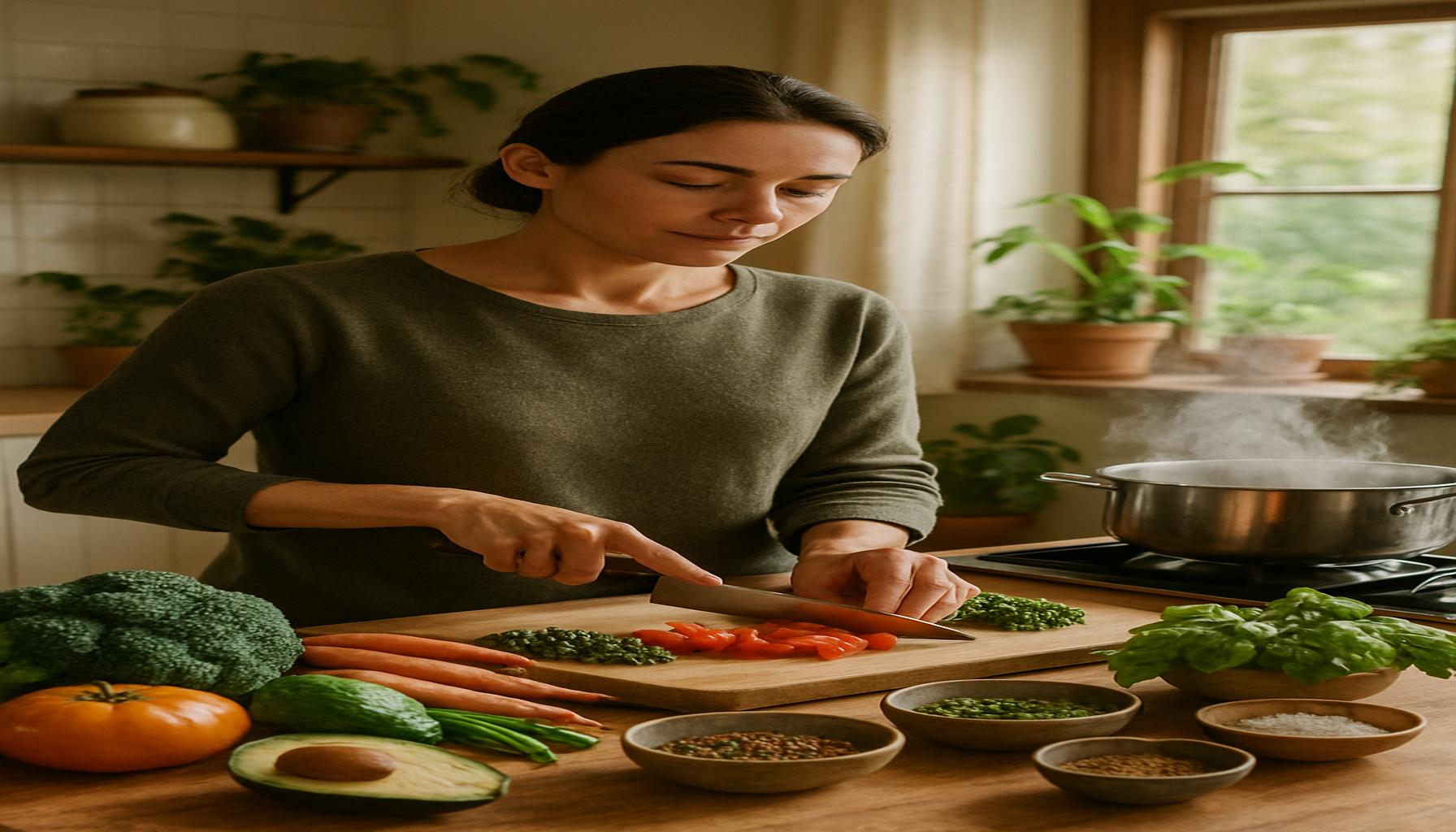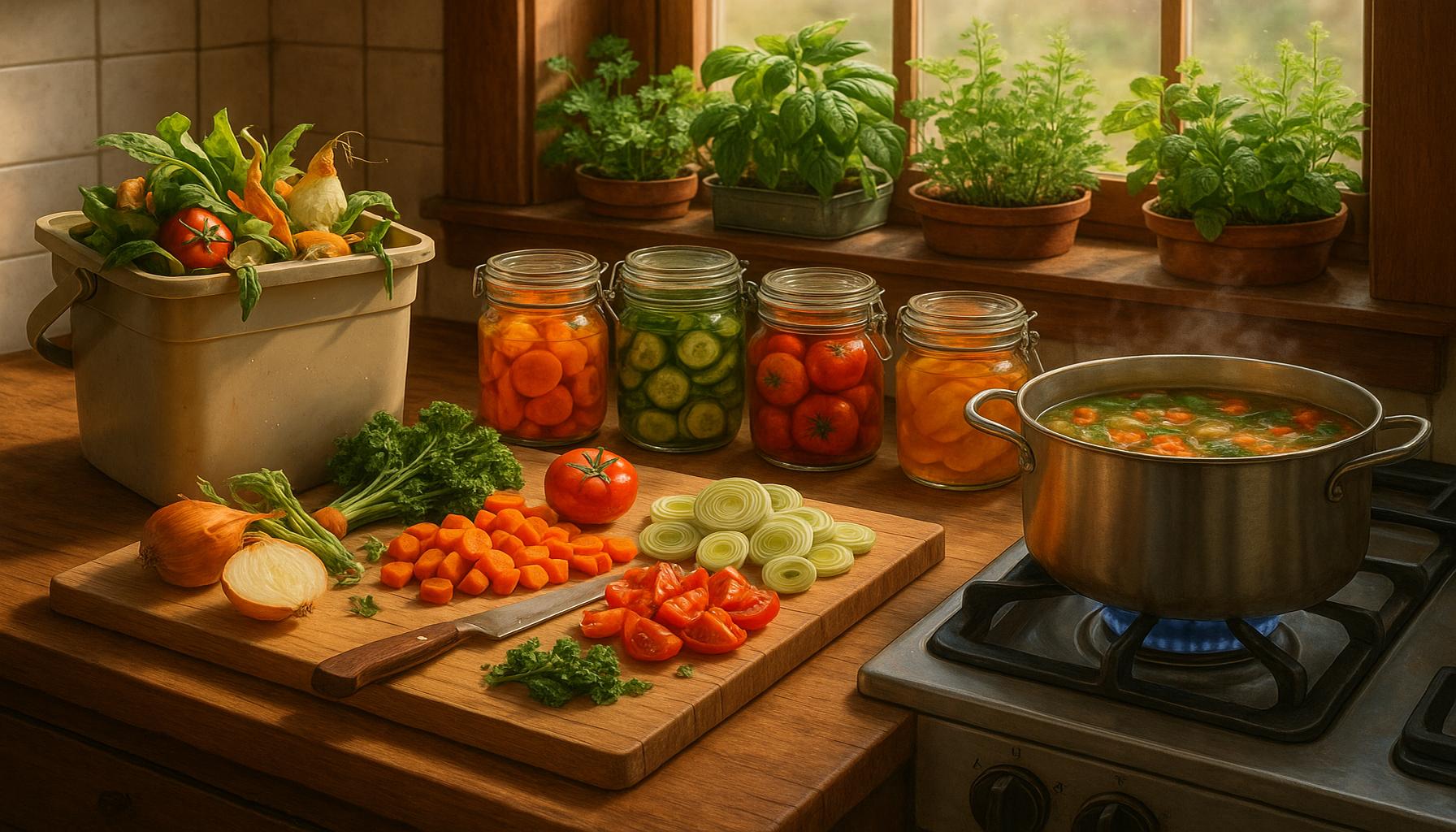
Creative Cuisine: Techniques for Reinterpreting Classic Dishes with Unusual Ingredients
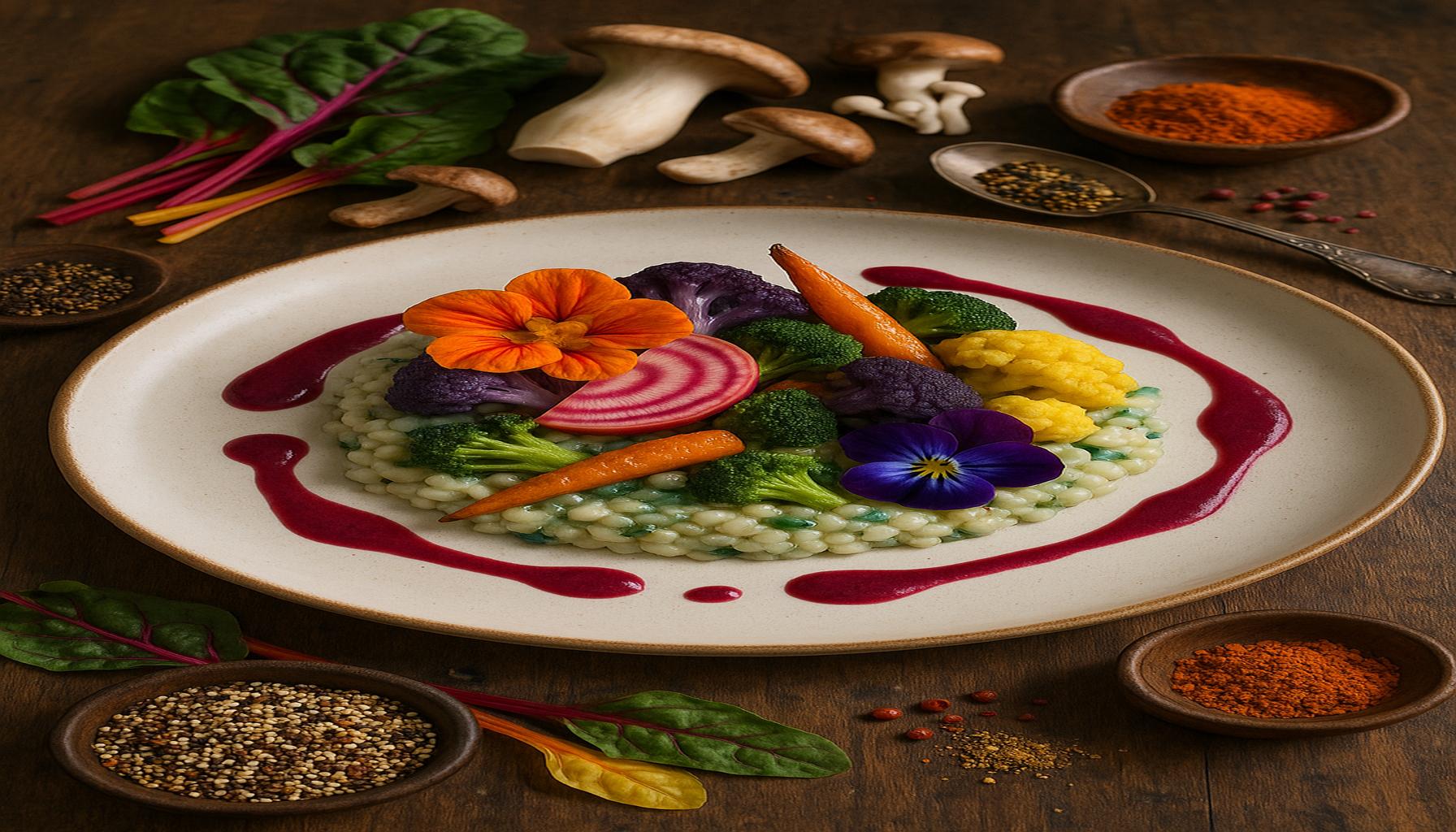
Unleashing Creativity in the Kitchen
Creative cuisine invites culinary adventurers to step outside the ordinary and embrace innovation. By taking classic dishes and reinterpreting them with unusual ingredients, chefs can create thrilling taste experiences that tantalize the palate. This fusion of tradition and experimentation is reshaping dining across America, making meals not just a necessity, but a memorable experience. The evolution of culinary arts encourages diners to explore flavors and methods that challenge the status quo.
Why Reinterpret Classic Dishes?
Reinventing familiar foods offers a chance to challenge perceptions and introduce exciting flavors. The growing interest in inventive cooking techniques embodies a spirit of exploration that resonates deeply with the American ethos. Here are some compelling reasons to delve into this culinary trend:
- Enhance Flavor Profiles: Uncommon ingredients can elevate the taste of your favorite dishes. For instance, infusing traditional spaghetti with saffron or chipotle can introduce complex layers of flavor that elevate the entire meal.
- Introduce New Textures: Combining various culinary elements creates surprising mouthfeels. The contrast of crispy beet chips atop a creamy goat cheese salad can turn an ordinary starter into a gastronomic delight.
- Celebrate Seasonal Produce: Using unique, local ingredients allows chefs to embrace regional diversity. Imagine using fresh heirloom tomatoes in a caprese salad or incorporating locally sourced honey in marinades—seasonal produce not only supports local farmers but enhances flavor profiles significantly.
Examples of Creative Reinterpretations
Food enthusiasts have begun to reimagine traditional recipes by incorporating elements that surprise and delight the senses. Below are some inventive examples:
- Quinoa in meatloaf: This age-old comfort dish gets a nutritious update with the addition of quinoa, giving it both a satisfying texture and a health boost. Not only does it make the meatloaf lighter, but it also provides an excellent source of protein.
- Cauliflower pizza crust: To accommodate gluten-free diets, chefs have turned to cauliflower to create a deliciously crispy pizza base. This alternative is not only healthier but allows for a whole new range of creative toppings.
- Matcha-infused desserts: Bringing an earthy twist to sweets, matcha has become a star ingredient in everything from cakes to ice creams. The unique flavor combined with its vibrant green color makes it an appealing option for those looking to indulge in something different.
These innovative approaches not only satisfy cravings but also inspire creativity in home kitchens. They beckon home cooks to experiment with unlikely ingredients and challenge conventional preparations, expanding their culinary repertoire. It’s time to step away from the comfort zone and transform the familiar into the extraordinary!
DIVE DEEPER: Click here to discover the art of homemade fermentation
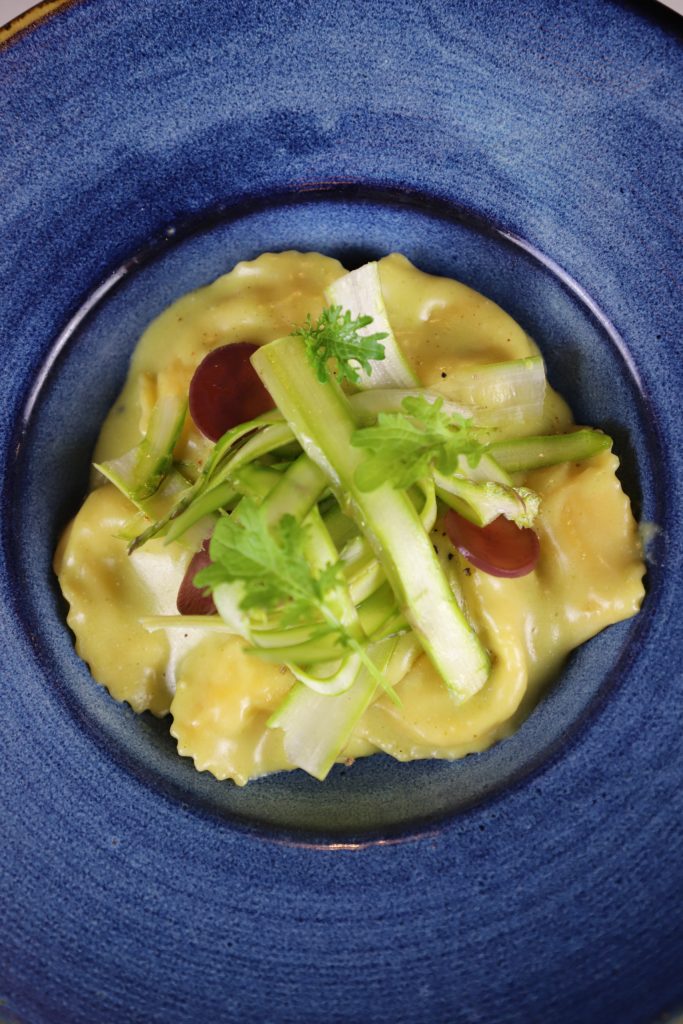
Exploring Innovative Ingredients
In the quest for creative cuisine, the choice of ingredients plays a crucial role. By venturing beyond conventional pantry staples, chefs are able to breathe new life into cherished recipes. Unusual ingredients not only enhance flavor but also evoke curiosity, inviting diners to experience familiar dishes in an entirely new light. As culinary enthusiasts embrace this trend, they unlock a myriad of possibilities that inspire both restaurant menus and home cooking.
Paying Homage with a Twist
Reimagining classic dishes does not dismiss their origins; instead, it respects them while inviting a fresh perspective. Chefs are redefining comfort foods by incorporating imaginative ingredients that continue to honor their culinary heritage. Some intriguing ways to evolve these beloved recipes include:
- Using Exotic Spices: Elevating mac and cheese with a hint of cardamom or harissa can impart warmth and depth, transforming a simple dish into a layer of bold flavors.
- Fruits in Savory Dishes: Introducing piquant fruits like pomegranate seeds or starfruit into roasted vegetables can create unexpected bursts of sweetness that complement the dish’s overall profile.
- Alternative Proteins: Swapping out traditional meats for alternatives like jackfruit or tempeh can make a classic pulled pork sandwich more inclusive, catering to varying dietary preferences while retaining satisfying textures.
- Infusion Techniques: Techniques such as cold brewing coffee to infuse sweet desserts or incorporating herbal oils into sauces can deepen the flavor complexity of standard recipes.
These adaptations enable chefs to experiment with flavor pairings that augment traditional tastes while maintaining the essence of each dish. In doing so, they not only innovate within their kitchens but also share their passion for culinary exploration with diners, who crave something more exciting than the ordinary.
Technique-Oriented Approaches
To fully embrace the art of reinterpretation in cooking, technique is just as critical as ingredient choice. Understanding how to manipulate flavors, textures, and presentations can lead to groundbreaking results. Here are several technique-oriented approaches that can transform classic dishes:
- Deconstruction: This method involves breaking apart a classic dish and presenting its components separately, allowing diners to experience each flavor individually before combining them. Picture a deconstructed lasagna with roasted veggies, ricotta foam, and basil purée plated artistically.
- Fermentation: Utilizing fermented foods, such as miso or kimchi, can add a tangy depth to sauces and marinades, infusing traditional recipes with a burst of umami that enhances the overall taste.
- Sous Vide Cooking: This precise cooking technique ensures even heating and moisture retention, ideal for proteins that benefit from controlled temperatures. Think of chicken marsala prepared sous vide, delivering consistent tenderness while allowing for creative sauce variations.
Through these techniques, chefs can blur the lines between the classic and the avant-garde, creating dishes that honor culinary traditions while inviting diners on an exciting gastronomic journey. As cooks embrace diverse methods and unexpected ingredients, the plate becomes a canvas for inventive storytelling, showcasing the endless potential of creative cuisine.
| Advantage | Description |
|---|---|
| Experimentation | Utilizing unusual ingredients encourages chefs and home cooks alike to explore their creativity. |
| Enhanced Flavor Profiles | Incorporating unexpected elements often leads to unique tastes that elevate traditional recipes. |
| Cultural Fusion | Reinterpreting classic dishes can introduce a diverse blend of culinary traditions, creating innovative meals. |
| Sustainability | Using local or lesser-known ingredients promotes sustainable cooking practices and supports small farmers. |
| Visual Appeal | Unconventional ingredients can make dishes not only tasty but also visually captivating, enhancing the dining experience. |
Exploring creative cuisine through the lens of reinterpretation ensures that cooking becomes more than just a routine task; it transforms into an exciting journey. By embracing unusual ingredients, chefs can craft meals that reflect individual tastes while honoring classical foundations. The resurgence of culinary innovation is not merely about the act of cooking; it’s about the stories behind each dish, converging flavor, and artistry into unforgettable experiences. As food enthusiasts seek to expand their palate, the world of creative cuisine offers a tantalizing gateway into the realm of exploration and delight. Dive deeper into these techniques and embrace the possibilities of delicious reimaginings waiting to be discovered.
DISCOVER MORE: Click here to dive into the world of musical genres
Reviving Techniques with Modern Innovations
To truly embrace creative cuisine, it is not only about the ingredients and flavor combinations; it is also crucial to incorporate contemporary techniques that push the boundaries of culinary creation. As chefs innovate, they often blend traditional methods with modern technologies to produce remarkable results that surprise and delight the palate. Here are some modern culinary innovations that can transform classic preparations into something new and exciting:
Embracing Molecular Gastronomy
Molecular gastronomy is a fascinating approach that combines science and cooking to explore the physical and chemical transformations of ingredients. By utilizing techniques like spherification or gelification, chefs can reinterpret classic dishes in imaginative ways. For instance:
- Foams and Espumas: A classic Italian tiramisu can be reimagined as a coffee foam served atop vanilla sponge cake, maintaining the essence of the dish while offering an airy presentation that intrigues the senses.
- Spherification: Imagine creating small flavor pearls of balsamic vinegar to garnish a traditional caprese salad. When bitten, these tiny spheres release an explosion of flavor, adding an interactive dimension to the dining experience.
Through molecular gastronomy, chefs can deconstruct familiar favorites, allowing diners to experience a sense of wonder with each bite, while retaining the nostalgic flavors that made these dishes popular in the first place.
Culinary Fermentations and Preservation
Fermentation and preservation techniques revive and enhance classic dishes by introducing a depth of flavor that is often overlooked in conventional preparations. By experimenting with fermentation, chefs not only innovate but also create dishes that are healthier, thanks to the probiotics and enzymes produced during the process. For example:
- Pickling Techniques: Classic dishes such as coleslaw can become exciting when enhanced with fermented vegetables like kimchi or pickled jalapeños. These additions add tang, spice, and vibrant colors, turning a simple side into a standout dish.
- Confit Applications: The age-old French technique of confit can be applied to modern interpretations, such as confit garlic or vegetables. This slow-cooking method in oil infuses intense flavors into even the most basic ingredients, enabling chefs to elevate their creations.
Integrating these approaches allows chefs to pay tribute to age-old preservation methods while creating unique flavor profiles that surprise and delight.
Utilizing Advanced Cooking Methods
Modern cooking techniques such as smoking, flash-freezing, and charcoal grilling bring an avant-garde twist to classic recipes, imparting distinct flavors and textures. These methods can dramatically alter the taste experience of beloved dishes:
- Cold Smoking: A classic salmon dish can gain a whole new dimension when infused with the subtle smokiness achieved through cold smoking, enhancing both taste and presentation.
- Charcoal Grilling: Revisiting classic burgers with charcoal grilling honors traditional techniques while imparting a unique depth of flavor, even when using alternative ingredients like chickpeas or quinoa.
As these advanced methods become more prevalent in home cooking, they encourage culinary enthusiasts to experiment, fostering a greater appreciation for flavors that emerge from unique cooking processes.
Through these innovative techniques, chefs can engage their creativity, inspire their audiences, and reinforce the notion that classic cuisine can evolve without losing its cherished essence. As culinary artistry continues to flourish, the opportunities to transform beloved traditional dishes are boundless, encouraging us all to rethink how we experience food.
DISCOVER MORE: Click here to learn about sensory gardening
Conclusion: The Future of Creative Cuisine
As we explore the landscape of creative cuisine, it becomes evident that the culinary world is ripe for innovation through the reinterpretation of classic dishes with unusual ingredients. The integration of modern techniques such as molecular gastronomy, fermentation, and advanced cooking methods has transformed the way we approach traditional recipes, providing an opportunity to surprise diners with unexplored textures, flavors, and presentations.
Moreover, this culinary revival honors the essence of beloved dishes while forging new paths for inventive culinary artistry. Chefs are challenged to ignite a sense of wonder and adventure, inviting diners not just to taste—but to experience. The traditional comfort of a classic dish can now be presented in such a way that it sparks curiosity and intrigue, promoting an engaging dining experience.
In embracing these shifting paradigms, both professionals and home cooks are encouraged to experiment fearlessly, creating unique, personalized adaptations of classic favorites. The beauty of creative cuisine lies in its limitless potential; the culinary possibilities are endless, allowing for a continuous dialogue between tradition and innovation. As food enthusiasts, we are called to explore, adapt, and celebrate the intricate tapestry of flavors and techniques that can transform the familiar into something extraordinary.
In a world where gastronomic boundaries are ever-expanding, the invitation to rethink our culinary experiences is clear: indulge in creativity and embrace the journey of reimagining what a dish can be. Let your taste buds guide you into the exciting realm of reinterpreting classic dishes, as the kitchen becomes a canvas for your innovative spirit.