Creative Recycling: Transforming Everyday Materials into Works of Art
Introduction to Creative Recycling
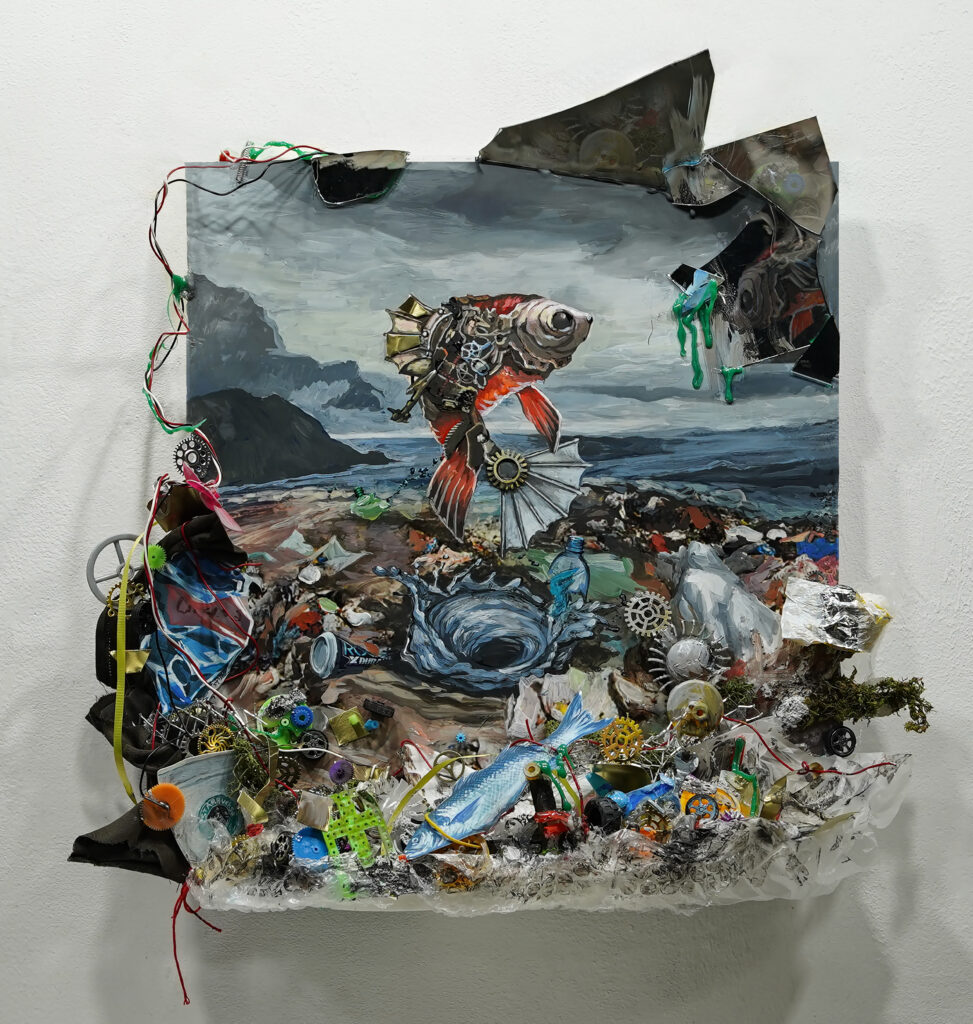
Across the United States, artists are redefining the way we view waste. Creative recycling breathes new life into everyday materials, turning what many consider trash into stunning pieces of art. This innovative approach not only reduces landfill waste but also inspires communities to think differently about their consumption habits. As public awareness of environmental issues grows, these artistic endeavors serve as a catalyst for change, encouraging individuals and groups to engage in sustainable practices.
The Transformation of Everyday Waste
What can be transformed? Here are some surprising materials that artists are using, illustrating the versatility and potential buried within waste:
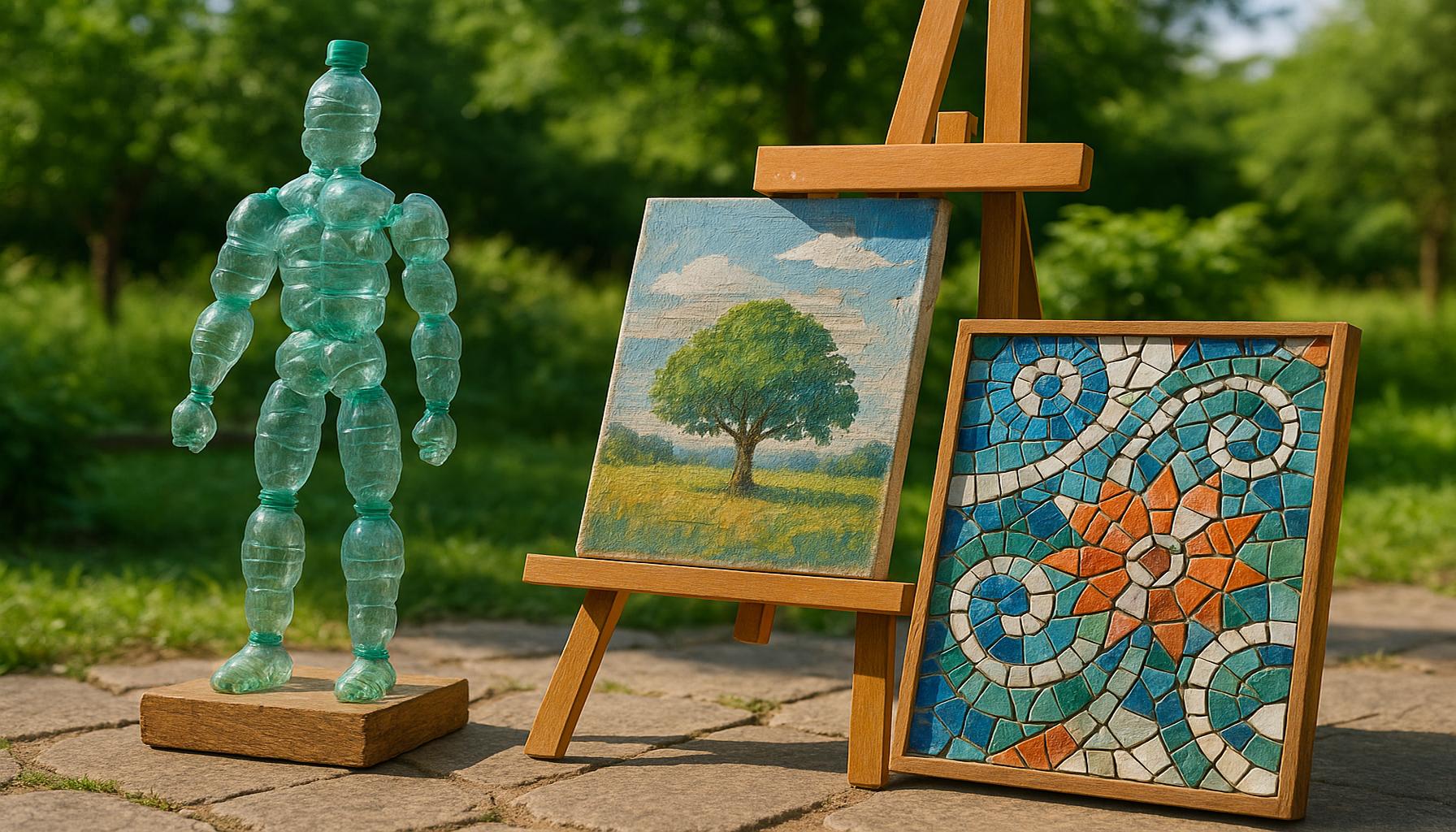
- Plastic bottles: Once destined for landfills, these items are being reimagined as vibrant sculptures, functional home decor, or even impressive garden art. For instance, artists have created elaborate installations in public parks, using recycled bottles to simulate a flowing river or a colorful mosaic, proving that beauty can emerge from the most unlikely of sources.
- Old newspapers: These discarded pages are not just for recycling; they are crafted into intricate paper mache art or painstakingly woven into furniture. Some artists even create compelling narratives by layering headlines and articles to form thought-provoking mixed media pieces, challenging viewers to reconsider the transient nature of news.
- Scrap metal: This resilient material can be forged into eye-catching industrial artwork, transforming rusted tools and car parts into stunning sculptures. Artists in cities like Los Angeles and Detroit have pioneered this movement, crafting kinetic sculptures that also make statements about industrialization and urban decay.
- Used textiles: With a growing interest in fashion sustainability, many artists are converting rejected fabrics into unique fashion items or quilts that tell a story of their own. By integrating vintage clothing into modern designs, they not only create one-of-a-kind pieces but also honor the histories imbued in those garments.
Environmental Consciousness and Community Engagement
These projects showcase not only creativity but also environmental consciousness. By engaging with the principles of upcycling, artists invite us to reconsider our role in sustainability. Initiatives like community workshops, where individuals can learn these artistic techniques, are sprouting up across cities—helping to bridge the gap between waste management and artistic expression.
Moreover, as local art exhibitions and fairs increasingly feature works made from recycled materials, public interest in sustainable art continues to grow. From bustling urban centers to quaint rural towns, these artistic movements are fostering dialogues around waste reduction and sustainable practices.
As we delve deeper into the world of creative recycling, prepare to be inspired and motivated to look at your own discarded materials through a new lens. The act of transforming perceived waste into something beautiful not only enhances our living spaces but also ignites a much-needed conversation about our environmental responsibility.
DISCOVER: Click here to learn how crafting can enhance your well-being
The Art of Upcycling: A New Perspective on Waste
In the burgeoning world of creative recycling, artists around the globe are actively pioneering innovative methods to repurpose everyday materials. This movement extends far beyond the aesthetic appeal of art; it embodies a shift in mindset—a recognition that waste is not merely a burden but a resource waiting to be utilized. Through this lens, what once might have been overlooked as trash is transformed into something extraordinary, echoing the sentiment that beauty and functionality can emerge from the most mundane items.
Within this vibrant artistic landscape, several materials have emerged as prominent mediums, showcasing the unexpected versatility of what many consider waste:
- Cardboard: Often treated as disposable packaging, cardboard can be seen in creative endeavors that range from architectural models to intricate sculptures. Artists use layers of cardboard to create striking visual illusions or whimsical installations that play with our perceptions and challenge the idea of permanence.
- Glass jars: Once emptied and tossed aside, glass containers can be transformed into stunning works of art, functional lighting fixtures, or charming planters. Communities have embraced the concept of “mason jar art,” where lights and plants intertwine, turning these simple objects into focal points in homes and gardens.
- Aluminum cans: These lightweight materials are being crushed, cut, or molded into vibrant and detailed sculptures. Artists often use a punch or a technique akin to origami to breathe new life into cans, creatively expressing themes of consumption and environmental impact.
- Used electronics: The combination of technology and artistry is on the rise, with artists harnessing obsolete gadgets to create breathtaking mixed-media art. Old circuit boards, computer keyboards, and other electronic waste are used to assemble intricate pieces that comment on our rapidly shifting technological landscape.
Connecting Art with Sustainability
The intersection of art and sustainable practices stands at the forefront of creative recycling. As artists harness existing waste, they encourage observers to contemplate their relationship with the materials they use and discard. Going beyond mere aesthetics, these creations often carry profound messages about consumerism, environmental degradation, and the importance of sustainability.
As communities rally around these artistic endeavors, many are beginning to support local workshops that promote upcycling skills. Participants can learn the techniques that breathe life into discarded items, transforming them into individual pieces to be proud of. These workshops not only foster creativity but also empower individuals by providing practical knowledge about reducing waste and making thoughtful decisions about consumption.
In a time where environmental consciousness is more critical than ever, the world of creative recycling offers fertile ground for discussion and action. Artists are not only beautifying their surroundings, but they are also igniting a more profound conversation about our collective role in preserving the planet, making this movement much more than just an artistic trend.
| Advantage | Description |
|---|---|
| Environmental Impact | Using everyday materials reduces waste and promotes sustainability. |
| Creativity Enhancement | Encourages innovation and imaginative expression through artistic endeavors. |
The world of creative recycling not only transforms ordinary objects into stunning works of art, but it also serves as a monumental statement for sustainable living. By utilizing everyday materials—from plastic bottles to old newspapers—artists and hobbyists contribute significantly to reducing environmental waste. This practice fosters a cleaner future while sparking public interest in eco-friendly initiatives.Moreover, engaging in artistic recycling unleashes an individual’s creativity. Crafting something beautiful from what would otherwise be discarded challenges conventional thinking and promotes deeper artistic expression. It opens the door to exploring unique techniques and materials, ultimately leading to innovative works that can captivate and inspire others. Each piece tells a story of transformation, embodying the theme of art’s potential to communicate messages about sustainability and artistic exploration.This groundbreaking movement compels us to reflect on what we consume, inspiring a shift toward a more thoughtful and creative society. With each project, there lies an invitation to join the movement, discover potential artistic talents, and contribute to a greener planet.
DISCOVER MORE: Click here to elevate your plating skills
Community Engagement: Art from the Heart of Society
In the spirit of creative recycling, communities across the United States are embracing the idea of collective art-making. Neighborhood initiatives are popping up in urban and rural areas alike, where residents gather to transform discarded materials into collaborative art projects. This dynamic fosters a sense of unity, allowing local stories to be expressed through the medium of recycled materials. Such community efforts emphasize not only the importance of sustainability but also the rich tapestry of experiences that make up the social fabric.
One prominent example is the rise of community art installations that repurpose items typically deemed as waste. In cities like San Francisco and New York, residents have come together to create murals and sculptures using bottles, broken furniture, and scrap metal. These installations often serve as vivid reminders of the creativity that can arise in response to environmental challenges. They are a testament to how collaborative efforts can turn waste into vibrant expressions of identity and locality.
The benefits of these community-based projects extend beyond aesthetics. They serve as a platform for education, teaching participants about the environmental impact of their consumption habits. For example, local artists often lead workshops that illustrate how to upcycle everyday objects into functional art pieces. This hands-on experience not only empowers individuals but also builds a culture of mindfulness towards waste.
- Public Art Programs: Various municipalities have launched programs encouraging public participation in art-making from recycled materials. These initiatives promote the use of local waste in projects, reducing environmental impact while enhancing public spaces with unique art.
- Neighborhood Challenges: Cities like Portland have organized friendly competitions where residents can submit their own upcycled artworks. This fosters creativity and spurs community pride while reducing waste.
- School Involvement: Educational institutions have also taken note of this movement, implementing programs where students are taught about creative recycling through art classes. These programs encourage students to explore their creativity while fostering an early appreciation for sustainability.
The Role of Technology in Art Recycling
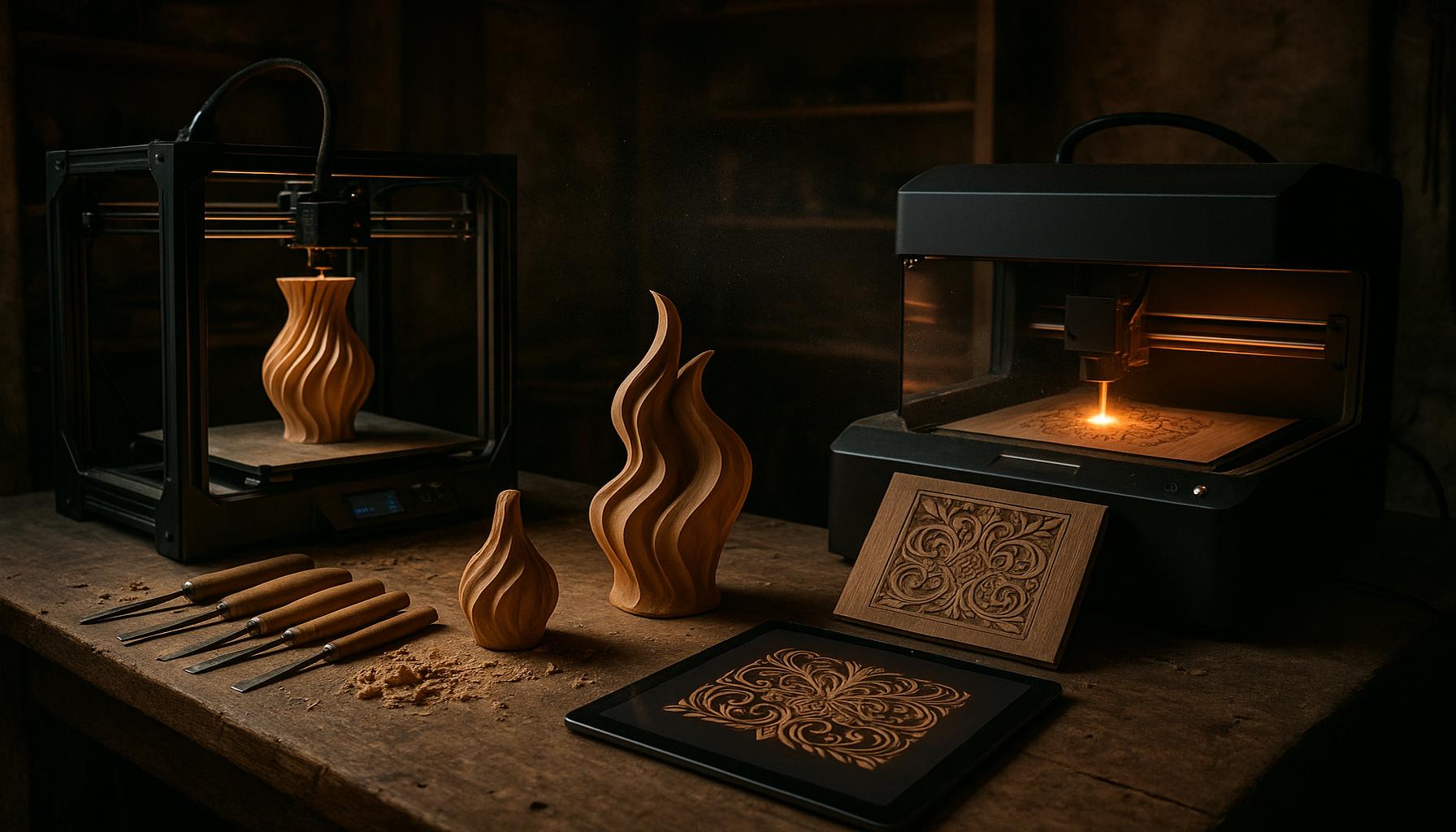
As technology continues to advance, artists are finding new avenues for creative recycling through digital tools. Digital fabrication techniques, such as 3D printing, are being used to create stunning pieces from recycled plastics and other materials. Artists leverage software to design components that can be manufactured using unwanted goods, bringing their visions to life in ways that were previously unimaginable.
Moreover, online platforms have emerged as a haven for artists to showcase their creative recycling efforts. Websites like Etsy and social media channels allow artists to reach broader audiences, encouraging them to share their passion for upcycling. Here, makers can connect to a community of eco-conscious consumers eager to support art that reflects their values. This shift towards e-commerce and digital marketing has propelled creative recycling into mainstream culture, inviting even more people to consider the potential of their own discarded items.
Lastly, partnerships between artists and environmental organizations have founded initiatives focused on raising awareness about creative recycling and sustainability. These collaborations often culminate in exhibitions showcasing art made from recycled materials, thus drawing attention to pressing issues like plastic pollution and climate change. Through these efforts, artists contribute not only aesthetically but also informatively, championing the cause of a more sustainable future.
DISCOVER MORE: Click here to elevate your presentation skills
Conclusion: Embracing a Circular Creative Journey
In the evolving landscape of art, creative recycling emerges as a powerful movement that not only ignites the imagination but also fosters a profound sense of responsibility towards our environment. By turning everyday materials into extraordinary works of art, artists and communities alike are making meaningful contributions to both culture and sustainability. As we witness collaboration grow between local groups, schools, and organizations, the transformative potential of discarded items becomes clear—not merely as waste but as a source of inspiration and unity.
Through community initiatives and educational programs, individuals are empowered to recognize the significance of upcycling, making them conscious stewards of the materials they once overlooked. Furthermore, the integration of technology in creative recycling—such as digital fabrication techniques—unleashes innovative possibilities, enhancing the accessibility and reach of recycled art. Platforms like Etsy illuminate the artistic journeys of those championing eco-friendly practices, ensuring that the message of sustainability resonates with a broader audience.
As each piece of upcycled art reflects a local narrative, it serves not just as decoration but as a canvas for dialogue on pressing issues like climate change and plastic pollution. This profound connection between creativity and environment encourages us, as individuals, to rethink our consumption patterns. As we embrace the principles of creative recycling, becoming part of this circular journey, we pave the way for a sustainable future where art and environmental consciousness intertwine harmoniously.
Ultimately, the call to action is clear: delve into your own surroundings, discover the potential in your discarded materials, and join the movement by transforming waste into beauty—because art isn’t just about creation; it’s also about making a difference.