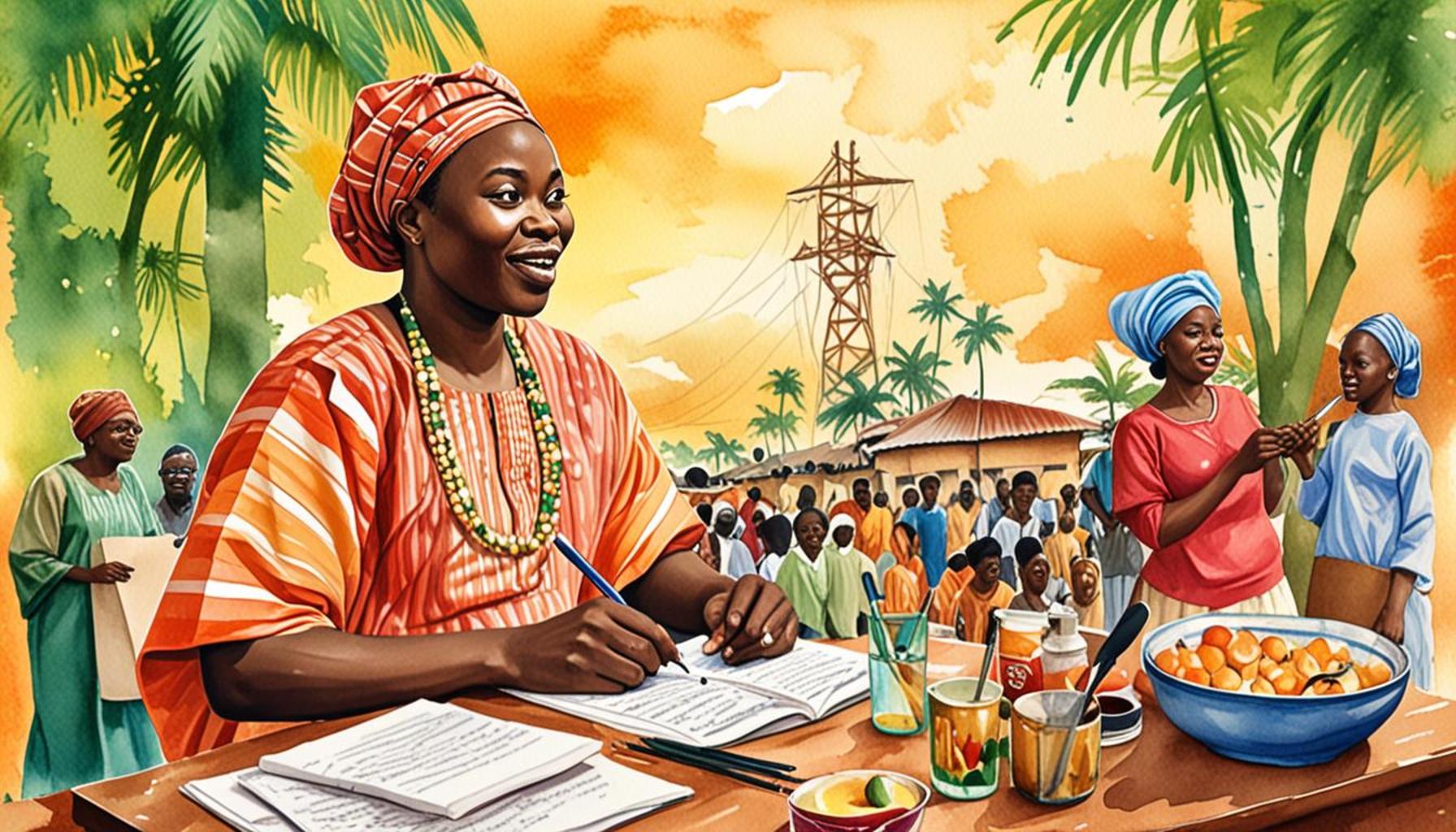
Cultural Photography Scripts: Capturing the Essence of Nigerian Daily Life
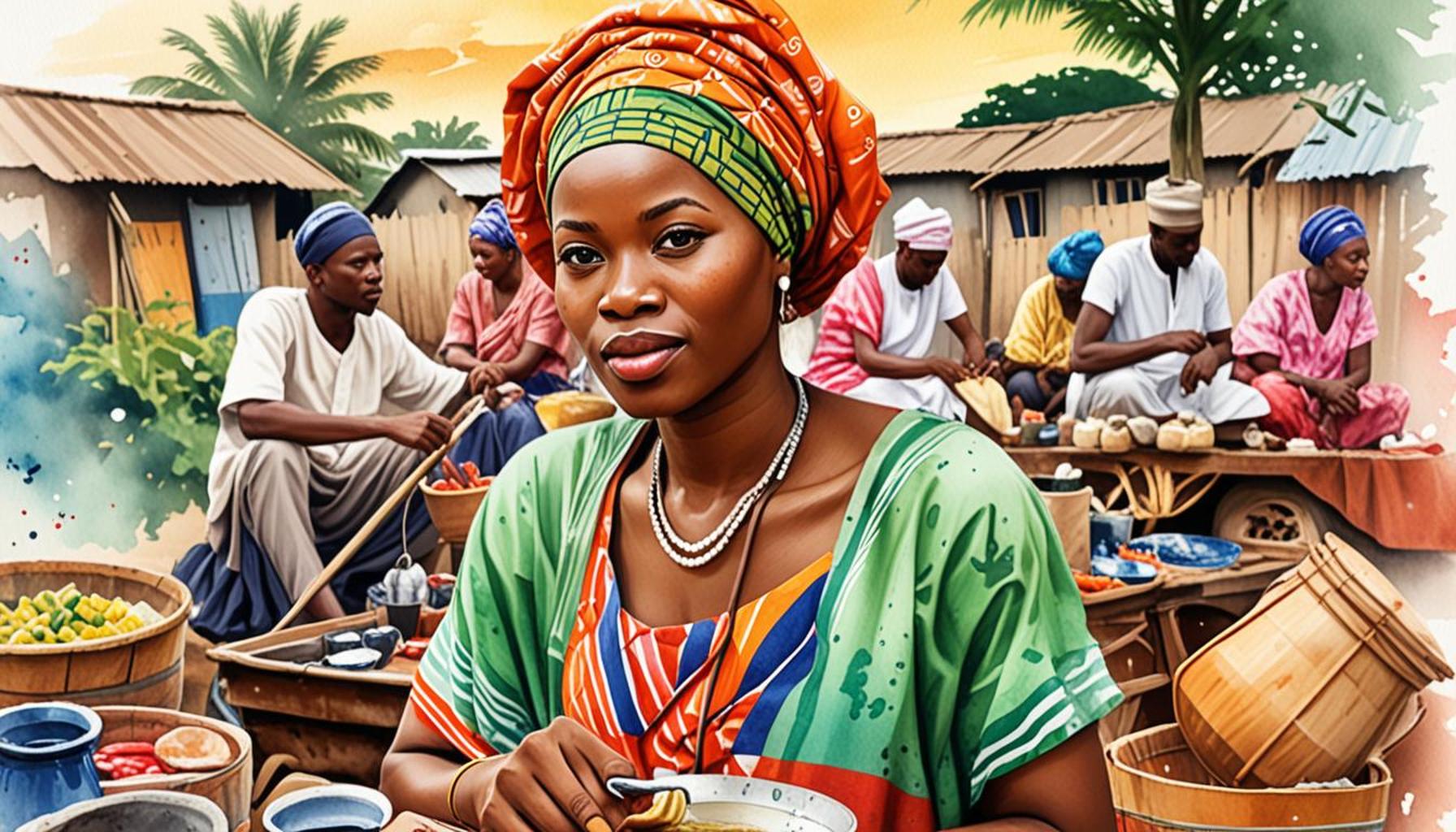
A Glimpse into Nigeria’s Cultural Fabric Through Photography
Nigeria, celebrated for its multicultural tapestry, presents a unique canvas that is vividly captured through the art of photography. Each snapshot encapsulates not just an image but a narrative that speaks volumes about the country’s diverse lifestyles, beliefs, and traditions. Cultural photography becomes a vital medium, illuminating the intricacies of daily Nigerian life and providing insights into the myriad experiences that shape the nation’s identity.
In the hustle and bustle of Lagos, for instance, the lively markets resonate with the sounds of bargaining and laughter. Photographers expertly capture scenes of vendors showcasing their goods, from colorful fabrics to tantalizing street food. The vibrant street art that adorns the walls adds another layer, reflecting social issues and local pride. Festivals like the Durbar Festival in Kano or the Calabar Carnival are rich in vibrant colors and immersive community interactions. They present an opportunity for photographers to document not just the spectacle, but the joy and unity of participants and spectators alike.
- Vibrant Colors: The use of bold and bright colors in traditional attires, such as the striking Ankara prints, offers a visual feast. Each hue represents different cultural significance, showcasing the historical roots of various ethnic groups.
- Community Interactions: Beyond individual portraits, photographs often focus on communal gatherings, whether it’s friends eating together or elders imparting wisdom to the younger generation. These images highlight the importance of kinship and shared experiences in Nigerian society.
- Festivals and Celebrations: Nigeria’s festivals—such as the Eyo Festival in Lagos—offer photographers a vibrant backdrop. Here, traditional dancers and masqueraders not only display artistic expression, but also reflect the deep cultural histories embedded in these celebrations.
Photographers thus become cultural archivists, capturing fleeting yet profound moments that represent both the struggles and triumphs of Nigerian life. Each click of the shutter holds the potential to tell a story that transcends cultural boundaries, inviting viewers to step into the rich narrative of Nigeria. Through their lenses, these artists immortalize personal experiences that become universal truths, making the viewer reflect on their own life’s journey.
As we explore the world of cultural photography scripts, we uncover the techniques employed by photographers to evoke emotions and provoke thought. By focusing on elements such as lighting, composition, and context, they craft visual stories that resonate deeply with audiences both locally and globally. This exploration allows us to appreciate not only the aesthetic beauty of the images but also the deeper cultural messages they convey. Join us as we embark on this visual odyssey, celebrating the power of photography in portraying the heart and soul of Nigeria.
CHECK OUT: Click here to explore more

Exploring Daily Life Through the Lens
Cultural photography scripts serve as a visual diary, chronicling the rich experiences that constitute Nigerian daily life. In a country where every state boasts its own unique customs and narratives, photographers play a pivotal role in documenting these vibrant stories. Through their lenses, they freeze moments that represent not just history, but also the dynamic essence of Nigeria’s present.
Urban Life is often a focal point for cultural photographers, particularly in bustling cities like Lagos and Ibadan. Lagos, Nigeria’s largest city, presents a plethora of fascinating scenes—from the lively streets of Victoria Island to the serene shores of Lekki. Here, photographers capture the rhythm of urban life, where traditional and modern dynamics collide. Street vendors, artisans at work, and families embarking on their daily routines come together to form a rich tableau that reflects the hustle and vibrancy of city life.
In more rural areas like Oyo and Kaduna, cultural photography captures the essence of community and ancestral heritage. Environmental portraits of farmers in the field or women engaging in traditional crafts showcase not only the beauty of their skills but also the intergenerational knowledge passed down through time.
- Diversity of Daily Activities: Nigerian daily life encompasses a diverse array of activities—from children playing traditional games in the streets to elders engaging in storytelling sessions during moonlit nights. These images provide an insightful glimpse into the social fabric that binds communities together.
- Social Issues Among the Frames: Photography often transcends surface beauty, addressing pressing social issues. Photographers are not afraid to capture the challenges faced in urban slums or rural poverty, using images to advocate for change. These stark realities ignite conversations about inequality and community resilience.
- Capturing Intimacy: Cultural photography scripts also shed light on intimate family moments. Photographers may frame a scene of a family gathering over a meal, highlighting the importance of kinship and cultural practices in everyday life. Such images resonate deeply, as they display love, care, and the interconnectedness of Nigerian families.
Through these diverse lenses, Nigeria’s cultural photographers create a potent dialogue that speaks not only to the aesthetics of the images but also to the stories behind them. These visual narratives are critical in preserving the essence of Nigerian identity, allowing viewers to appreciate the richness and depth of each captured moment. By focusing on the everyday realities of life in Nigeria, cultural photography scripts provide an avenue for connection, understanding, and empathy across different cultures, urging a broader conversation about what it means to be Nigerian.
In the realm of Cultural Photography Scripts, the emphasis on storytelling is paramount. This theme guides photographers to delve deeper into the vibrant daily life of Nigeria, capturing not just images but narratives that resonate with viewers. By using scripts that outline cultural significance, photographers can enhance their understanding and representation of the diverse communities across the country. These scripts serve as invaluable tools, helping artists to convey emotions, traditions, and the everyday essence of Nigerian life through their lenses.
The allure of Nigerian daily life often lies in its rich tapestry of customs and traditions. Every photograph speaks volumes about the hustle and bustle of market scenes, the peacefulness of traditional ceremonies, and the intimate moments of family gatherings. Each click of the camera creates a bridge, transferring the viewer into the heart of Nigerian culture. This immersive experience allows the audience not only to observe but also to feel the vibrancy that defines the essence of the country.
| Category | Details |
|---|---|
| Immersive Storytelling | Photography scripts enrich narratives, providing context and depth to cultural expressions. |
| Community Connection | They foster connections between the subject and the viewer, enhancing cultural appreciation. |
Moreover, these photography scripts encourage collaboration among local artists, enriching the photographic landscape and nurturing creativity. As photographers capture the essence of Nigerian daily life, they also highlight the importance of cultural heritage and the need for its preservation. The enhanced collaboration offers an authentic representation that resonates with both local and global audiences, fostering a greater understanding of the country’s rich heritage. This incredible journey of visual exploration not only documents moments but also invites dialogue about identity, culture, and the shared human experience.
YOU MAY ALSO LIKE: Read read another article
The Narrative of Culture Through Visual Storytelling
In Nigeria, cultural photography transcends the mere act of capturing images; it embodies a profound narrative that intertwines the very essence of identity, tradition, and aspirations of the people. The stories told through these visual mediums are as diverse as the country’s vast geography, documenting the myriad of experiences that span urban and rural landscapes.
Festivals and Rituals stand as significant focal points for cultural photographers aiming to showcase Nigeria’s rich heritage. Events such as Ogun Festival in Ogun State, or the annual Durbar Festival in Northern Nigeria, provide photographers with an opportunity to highlight the vibrant colors, elaborate costumes, and rhythmic dances that define these celebrations. Photographers are not merely spectators; through their lenses, they capture the multifaceted meanings behind the rituals, the communal spirit, and the way these events foster a sense of belonging across generations.
- Markets as Microcosms: The bustling markets, such as Balogun Market in Lagos or Kurmi Market in Kano, serve as a canvas for photographers to document the vibrant daily commerce that fuels the economy and showcases the rich cultural exchanges. The vivid colors of the textiles, the wafting aromas of local cuisines, and the interactions among traders and customers create a dynamic tableau that reflects the essence of Nigerian life. Photographers can discover stories of entrepreneurship, community resilience, and cultural exchange within these spaces.
- Language and Expression: Through cultural photography, language emerges not only in words but in the expressions of the people. Capturing the faces of individuals at different moments—whether it is joy, contemplation, or sorrow—provides an intimate glance into the emotional fabric of society. Each expression tells a unique story while revealing the cultural undercurrents that influence perceptions and interactions in everyday life.
- Impact of Technology: As technology evolves, so does the realm of cultural photography. The infusion of social media platforms like Instagram and Facebook has transformed how stories are shared and narratives constructed. Photographers utilize these platforms to showcase their work, often shedding light on lesser-known traditions or communities, thus democratizing the visual storytelling process. The global audience’s interaction opens pathways for dialogue about Nigerian life, allowing for a broader understanding and appreciation.
Through festivals, marketplaces, and the emotions captured, cultural photography scripts draw a finely detailed mosaic of Nigeria’s identity. By merging aesthetics with rich storytelling, photographers unearth cultural insights that resonate within the hearts of viewers, urging them to appreciate not just the visual beauty but the tremendous diversity of experiences. Each click of the shutter contributes to a growing archive, illuminating the essence of Nigerian daily life while inviting others to engage in a dialogue about culture and identity that spans borders and generations.
CHECK OUT: Click here to explore more
Conclusion: The Lens as a Bridge to Understanding
Cultural photography in Nigeria serves as a vital bridge connecting viewers to the intricate tapestry of daily life, emotions, and traditions that define the nation’s identity. By documenting the vibrant festivals, bustling markets, and the rich expressions of individuals across diverse communities, photographers are not only preserving valuable stories but also fostering a deeper appreciation for Nigeria’s multifaceted culture.
The evolution of technology has significantly transformed cultural photography, providing new avenues for artists to share their narratives with a global audience. Social media platforms amplify these voices, allowing photographers to highlight the lesser-known yet equally important aspects of Nigerian heritage. This democratization of visual storytelling encourages a dialogue that expands understanding and encourages global perspectives on Nigerian life.
Ultimately, cultural photography scripts create a lasting impact that transcends mere aesthetics. They cultivate an awareness of the struggles, celebrations, and aspirations of Nigerians, offering an insightful lens into everyday realities. By engaging with these visual narratives, both local and international audiences are invited to experience Nigeria’s rich cultural landscape, enhancing their connection to the country and its people.
As we look to the future, the role of cultural photography will grow ever more critical in capturing and preserving the essence of Nigerian daily life. It stands as an invitation to embrace and explore the profound stories that lie within each frame, urging us all to reflect on the beauty and complexity of our shared humanity.