Discover Nigerian Street Food Culinary Tours Gourmet Routes
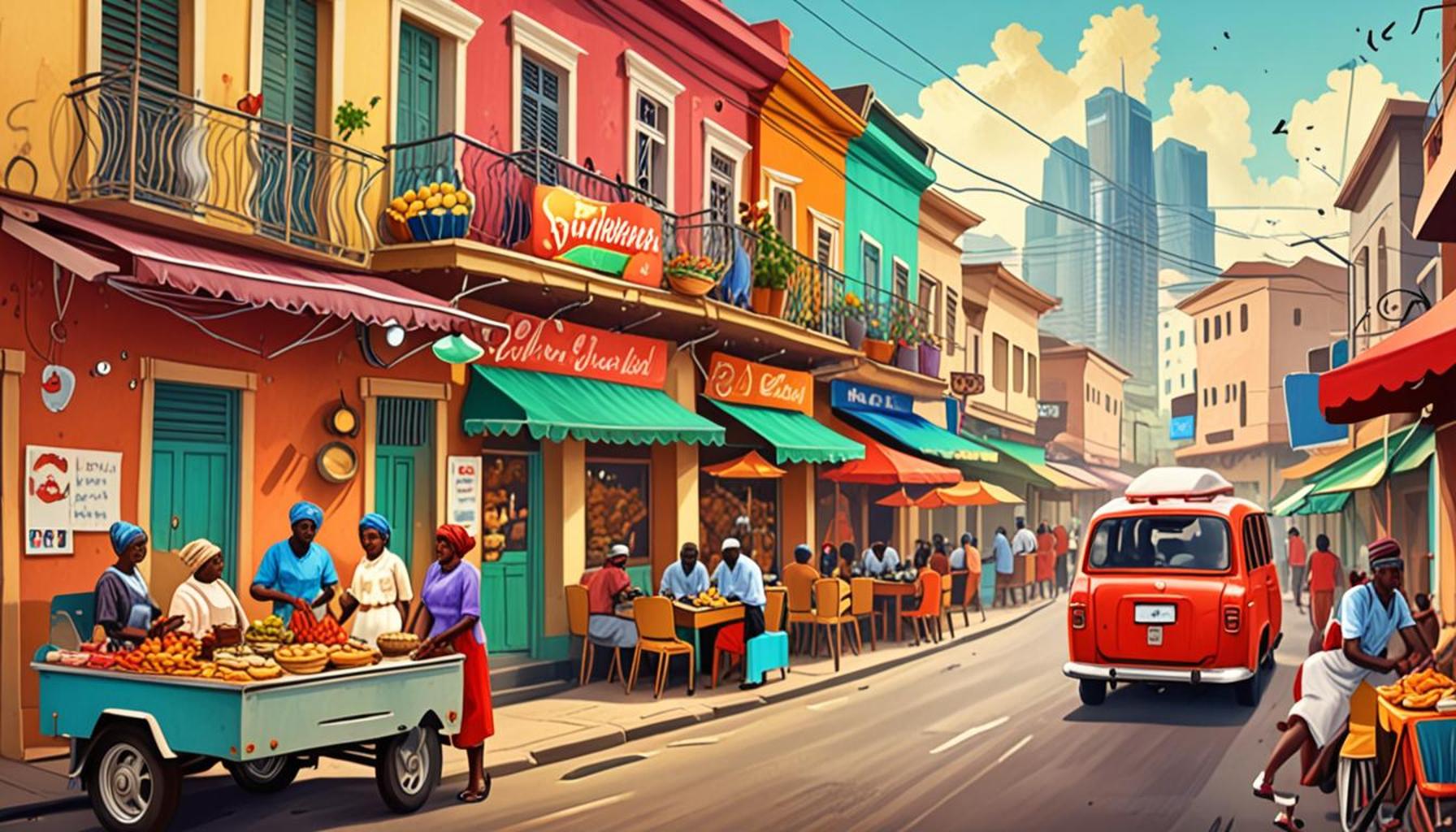
Nigeria, a vibrant nation brimming with diverse cultures and traditions, offers a unique culinary experience that is often overlooked by tourists. Street food is not just a quick bite; it’s a reflective portrayal of local life and a gateway to understanding regional flavors. Engaging in these gastronomic journeys not only tantalizes the taste buds but also connects travelers with the heart and soul of Nigerian communities.
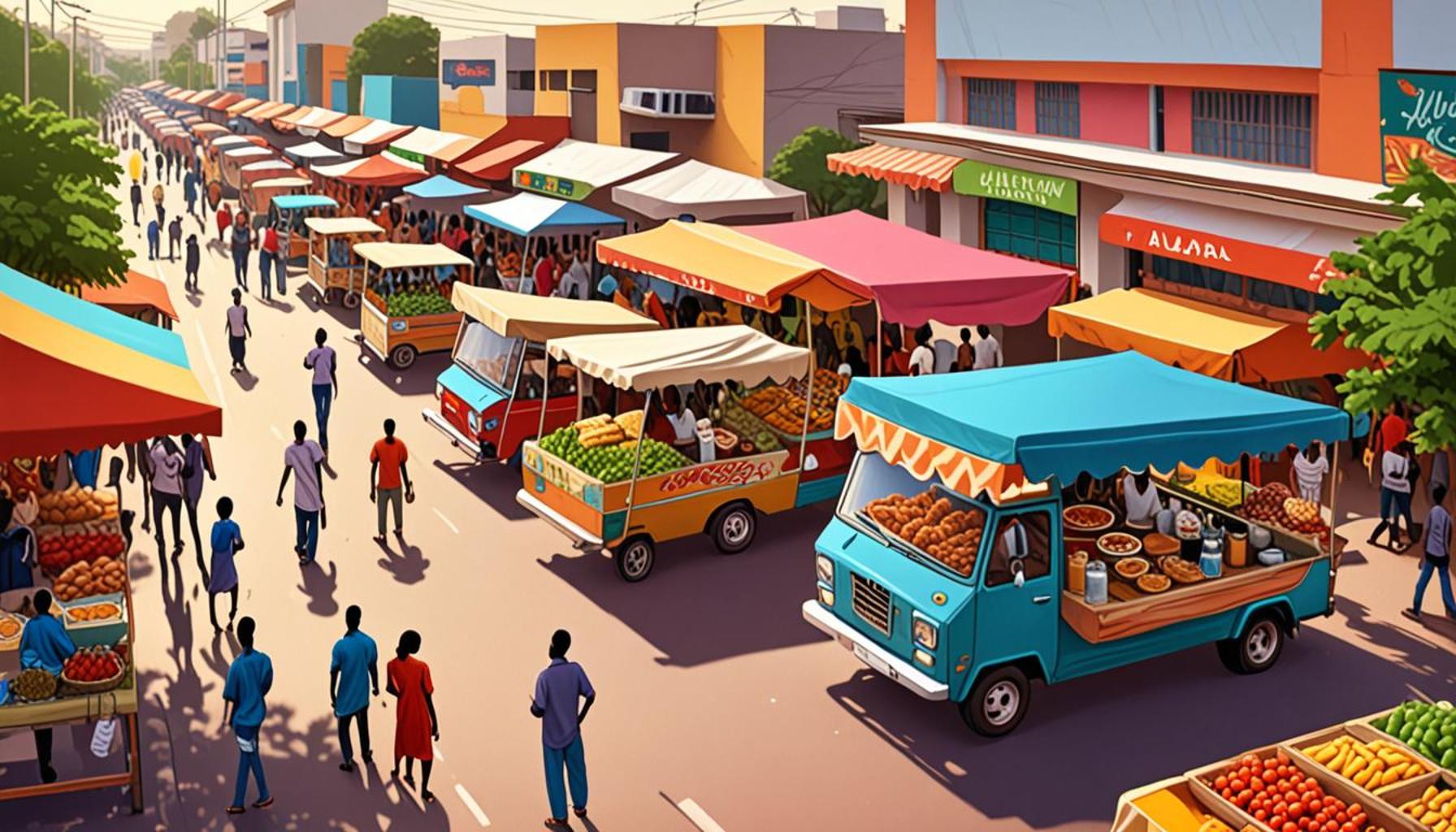
For those planning their next adventure, exploring street food is a must on their tourist itineraries. From bustling markets to food stalls bursting with flavor, these culinary routes reveal the essence of Nigerian hospitality. This article will prepare you to embark on an unforgettable journey through Nigeria’s culinary landscape with a ranking of the Top 5 Street Food Destinations.
- Experience local specialties that vary from region to region.
- Discover hidden gems recommended by locals.
- Engage with street vendors and learn their stories.
- Taste authentic dishes prepared in the traditional way.
- Enjoy the rich cultural tapestry that food brings to life.
Top 5 Street Food Delicacies: Culinary Journeys in Nigerian Cities
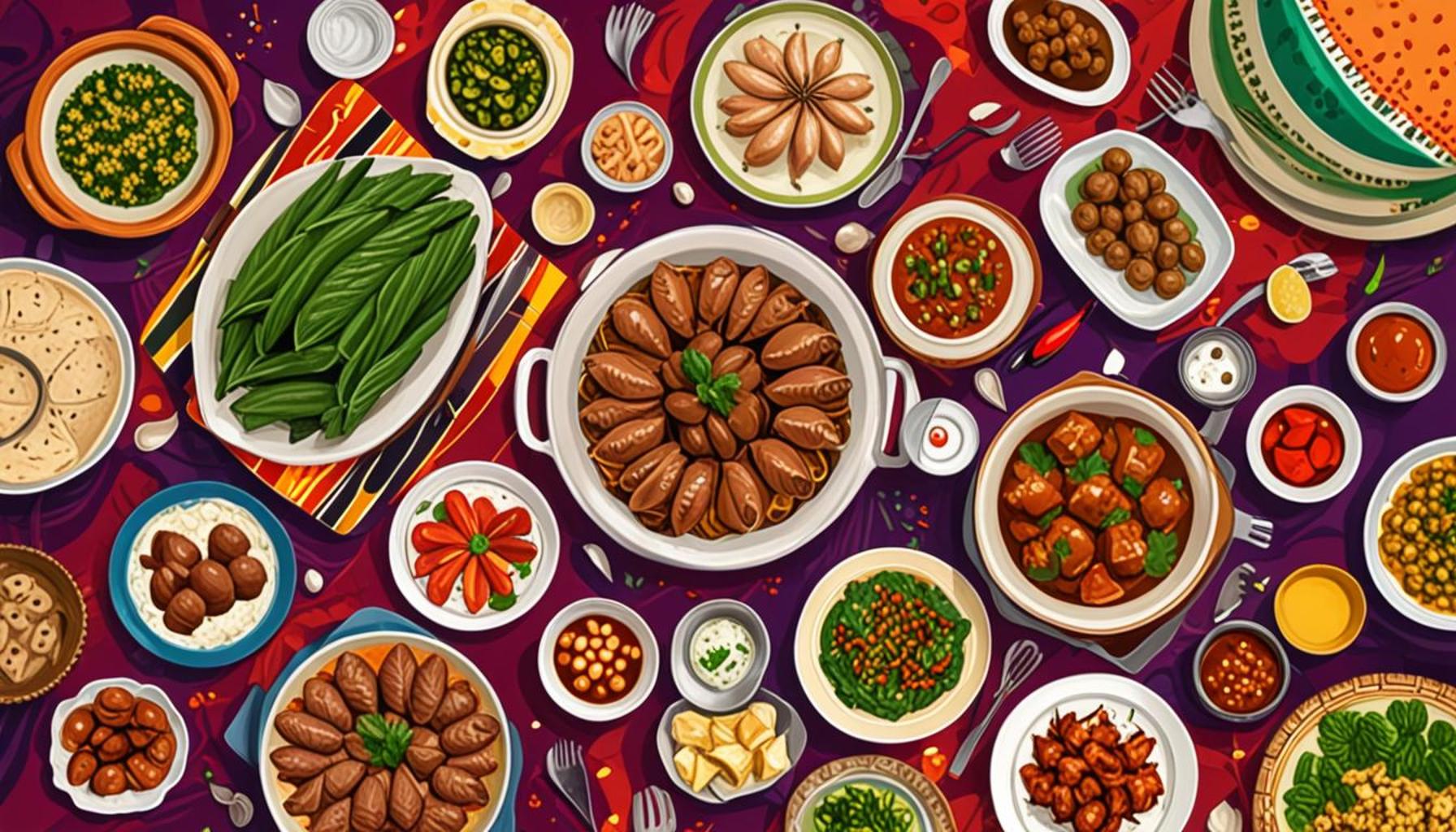
Nigeria, a vibrant country bursting with rich culture and brilliant traditions, showcases an equally diverse and tantalizing culinary scene. One of the most cherished experiences for anyone exploring Nigerian cities is indulging in the delightful world of street food. Laden with diverse flavors and unique presentations, these street food offerings are a true reflection of the complex socio-cultural tapestry of the nation. This article delves into the top five street food delicacies found across Nigeria, ranked from the fifth to the first. Prepare yourself for a journey of flavors, colors, and culinary artistry as we roam the streets of Nigeria!
5. Kuli-Kuli
Starting our tasty expedition at number five is the much-adored kuli-kuli. A quintessential snack originating from Northern Nigeria, kuli-kuli is primarily made from groundnuts, known internationally as peanuts. These protein-packed peanuts are ground into a paste, mixed with spices, shaped into small alluring balls, and then deep-fried to a golden, crispy finish. Kuli-kuli is more than just a snack; it’s a cultural delight often found in bustling markets or roadside stalls.
What sets kuli-kuli apart is its versatility. It is enjoyed on its own, alongside a fiery pepper sauce, or paired with a variety of traditional dishes like efo riro (a rich vegetable soup) and akara (savory bean cakes). The simplicity and crunchy texture of this snack make it a must-try for any street food enthusiast. Its popularity also stems from its long shelf life, making it a convenient snack for travelers crisscrossing the vast Nigerian landscape.

4. Suya
Next up in our savory rankings at number four is the iconic suya. Widely regarded as a cornerstone of Nigerian street cuisine, suya consists of skewered, grilled meat, typically beef or chicken. This delicacy is marinated in a signature blend of peanut spices, infusing the meat with a rich and unmistakable flavor. Suya originates from the Northern regions, but it has transcended its roots to find fans all over the country.
Suya is not merely a dish; it’s an experience. Often served with sliced onions and fresh tomatoes alongside a zesty pepper sauce, it delivers a burst of hearty flavors. The allure lies in the aromas wafting from vendors’ grills, particularly during bustling nighttime markets, drawing crowds who crave its smoky, spicy taste. As you indulge in suya, pairing it with a local beverage like zobo, made from hibiscus leaves, adds a refreshing touch to the meal.
3. Pounded Yam and Egusi Soup
Claiming the middle position at number three is the beloved combination of pounded yam and egusi soup. Though more of a traditional dish than typical street fare, it has become a staple among street vendors, eager to share its comforting flavors. The process begins with yam, which is boiled and then pounded into a smooth, stretchy mass resembling dough. It’s a labor-intensive technique, but the results are unequivocally rewarding.
Egusi soup is crafted from ground melon seeds combined with leafy greens like spinach, various spices, and a choice of assorted meats or fish, creating a rich and hearty stew. It’s a testament to the depth and diversity of Nigerian culinary traditions. This dish is not just about sustenance; it carries a sense of community and shared experience, often enjoyed in groups, encouraging food-sharing and camaraderie.
2. Boli
Our runner-up, at number two, is the simply delightful boli, or grilled plantains. This street food favorite taps into the deep-rooted tradition of grilling, elevating the humble plantain to heavenly heights. Roasted over an open flame, the plantain’s exterior blackens, while the inside becomes soft, sweet, and utterly irresistible.
Boli is frequently served with a spicy pepper sauce or a creamy groundnut sauce, providing a perfect balance of sweet and spicy flavors. Its growing popularity is not only due to its delicious taste but also its health benefits, being rich in vitamins and fiber. Found in many markets, particularly during the lively evening hours, boli offers a warm and comforting bite, reminiscent of home-cooked food. For many Nigerians and travelers alike, it’s a quick indulgence that provides solace and satisfaction.
1. Akara
Topping our list at number one is the legendary akara, Nigeria’s very own fried bean cake. These savory fritters are crafted from black-eyed peas blended with onions and peppers, before being expertly deep-fried until they reach a golden perfection. Akara boasts a crispy exterior, while the inside remains soft and flavorful, a contrast that delights with every bite.
Often eaten with pap, a smooth fermented corn pudding, or consumed alone as a snack or breakfast, akara has become emblematic of Nigerian street cuisine. Its widespread accessibility is evidenced by vendors tirelessly serving fresh, hot akara on numerous street corners, the aroma drawing both locals and tourists toward this irresistible treat. Savoring akara is more than just enjoying wonderful flavors; it’s an invitation to engage with Nigeria’s culinary creativity and community spirit.
Each of these street foods tells a story, one that invites you to savor the diversity and vibrancy inherent in Nigerian culture. As you embark on your gastronomic journey through Nigerian cities, maintain an adventurous spirit and an open palate. Bon appétit!
| Category | Details |
|---|---|
| Culinary Diversity | Nigeria’s street food landscape is diverse, showcasing a unique blend of indigenous ingredients and cooking techniques. This diversity introduces travelers to regional specialties that tell the story of Nigeria’s multifaceted culture. |
| Affordability | Street food options are incredibly affordable, allowing both locals and tourists to enjoy a variety of meals without overspending. This accessibility increases engagement with the local culinary scene. |
| Authentic Experiences | Eating street food often leads to authentic interactions with vendors and locals. These experiences foster a deeper connection to the culture and community, enhancing the travel experience. |
| Convenience | Street food is available in numerous locations, providing convenience for those exploring bustling city streets. Tourists can grab a quick bite while immersing themselves in the vibrant atmosphere of Nigerian cities. |
As travelers embark on culinary adventures through Nigeria’s street corners, they discover more than just food; they encounter a vibrant tapestry of flavors, stories, and cultural traditions that transform ordinary meals into unforgettable experiences. Each dish reflects the heart of its community, inviting food lovers to indulge in Nigeria’s rich heritage. The street food scene serves as a gateway for many visitors, encouraging an exploration of local markets and towns where authentic cuisine reigns supreme. The allure of street food lies not only in its taste but in its power to convey the spirit of a nation, leaving an indelible mark on those who partake in its delights. Whether it’s the tantalizing aroma of spicy suya sizzling on the grill or the sweetness of freshly made puff-puff, each bite is a journey through time and tradition, encouraging a deeper appreciation for Nigeria’s culinary artistry.
Frequently Asked Questions About “Delícias de Rua”: Gastronomic Tours in Nigerian Cities
What are some popular street foods in Nigerian cities?
Nigeria boasts a vibrant street food scene with a variety of delicious offerings. Some popular street foods include Suya, which is a spicy meat skewer typically made with beef, chicken, or goat; Akara, deep-fried bean cakes often enjoyed for breakfast or as a snack; and Jollof Rice, a one-pot dish of rice cooked with tomatoes, onions, and spices, commonly sold at outdoor events. Exploring these local treats is an essential part of the gastronomic journey through Nigeria’s bustling cities.
Which Nigerian cities are known for their street food culture?
For a true taste of Nigeria’s street food culture, consider visiting Lagos and Kano. Lagos, being the largest city, offers a myriad of street food markets and vendors. Local favorites here include Puff-Puff and Gala sausage rolls. Kano, in northern Nigeria, has its unique range of street offerings, such as Kilishi, a spicy dried meat similar to beef jerky, representing the region’s flavors. Both cities offer rich culinary experiences deeply tied to their cultural diversity.
Are there any tours or events centered around street food in Nigeria?
Yes, several tours and events focus on the rich street food culture in Nigeria. In Lagos, you can participate in guided street food tours that take visitors through bustling markets and food stalls, providing insights into the history and preparation of local dishes. The Gidi Fest, a popular cultural festival, also highlights a variety of food vendors and culinary arts each year, celebrating Nigeria’s diverse gastronomy and encouraging visitors to dive into the world of street markets.
Is it safe to eat street food in Nigerian cities?
Street food in Nigeria can be safe and delightful if you follow some basic precautions. Opt for stalls that are busy and have a high turnover of food, indicating freshness and cleanliness. It’s also advisable to try food that is cooked thoroughly and served hot. Observing such safety measures allows you to enjoy the full range of flavors that Nigerian street food has to offer without worry.
Conclusion
The vibrant street food culture in Nigerian cities offers a tantalizing opportunity for tourists to immerse themselves in the country’s rich culinary diversity. From the bustling markets of Lagos to the aromatic roadside stalls in Abuja, and the colorful food scenes in Kano, Port Harcourt, and Ibadan, travelers have a chance to savor some of the most authentic and diverse flavors found anywhere in the world. Street food is not just about satisfying hunger; it is an avenue to understand the local way of life and its cultural dynamics.
Throughout the article, we explored the top five street food destinations in Nigeria. Each city presents a unique gastronomic profile, from Lagos’s spicy Suya to the flavorful dishes of Kano, like Dambun Nama. In each location, the street food offers a story—one that encapsulates tradition, innovation, and community dynamics. These cities serve not just as gastronomic hotspots but as cultural hubs that beckon all kinds of visitors, urging them to delve deeper into the layers of Nigerian society.
Incorporating street food tours into tourist itineraries can actively enrich travel experiences. These culinary paths allow visitors to engage with the local populace, fostering a deeper appreciation of Nigerian culture. They serve as a bridge connecting tourists with local traditions, opening doors to experiential, sensory exploration beyond the conventional travel routes. The charm of Nigeria’s street food offers a buffet of stories and sensations that linger long after the last bite.
In conclusion, discovering the street delights of Nigeria isn’t merely about consuming food—it’s about consuming culture. It’s an unfolding narrative of tradition meeting modernity, making it imperative for tourists to include these gastronomic roads in their travel plans. With each bite, they unlock a new story that elevates their journey, tempting them to explore more and deeper into the heart of Nigeria’s culinary landscapes.