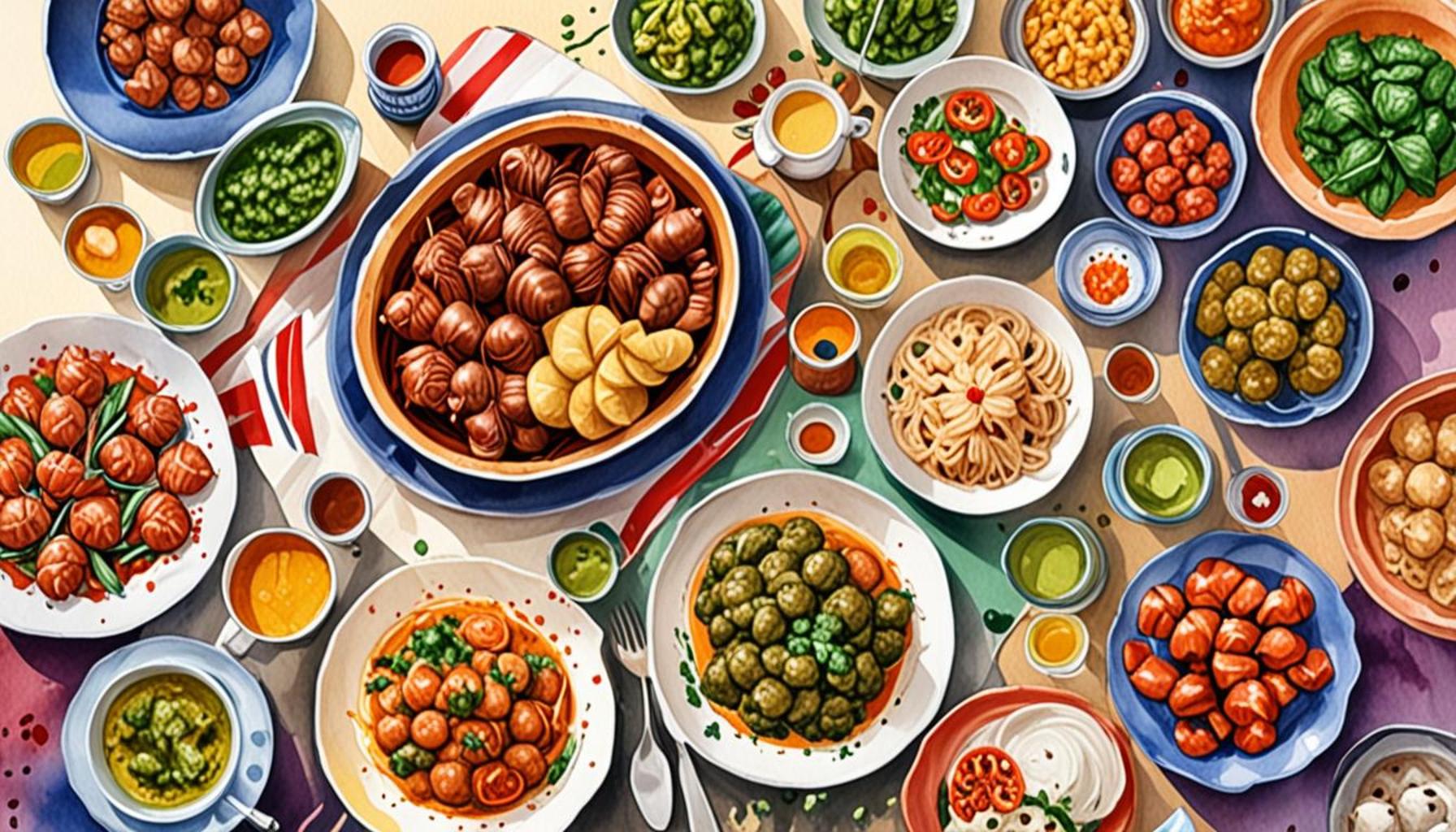
Discover Nigerias Culinary Delights A Local Food Travel Guide
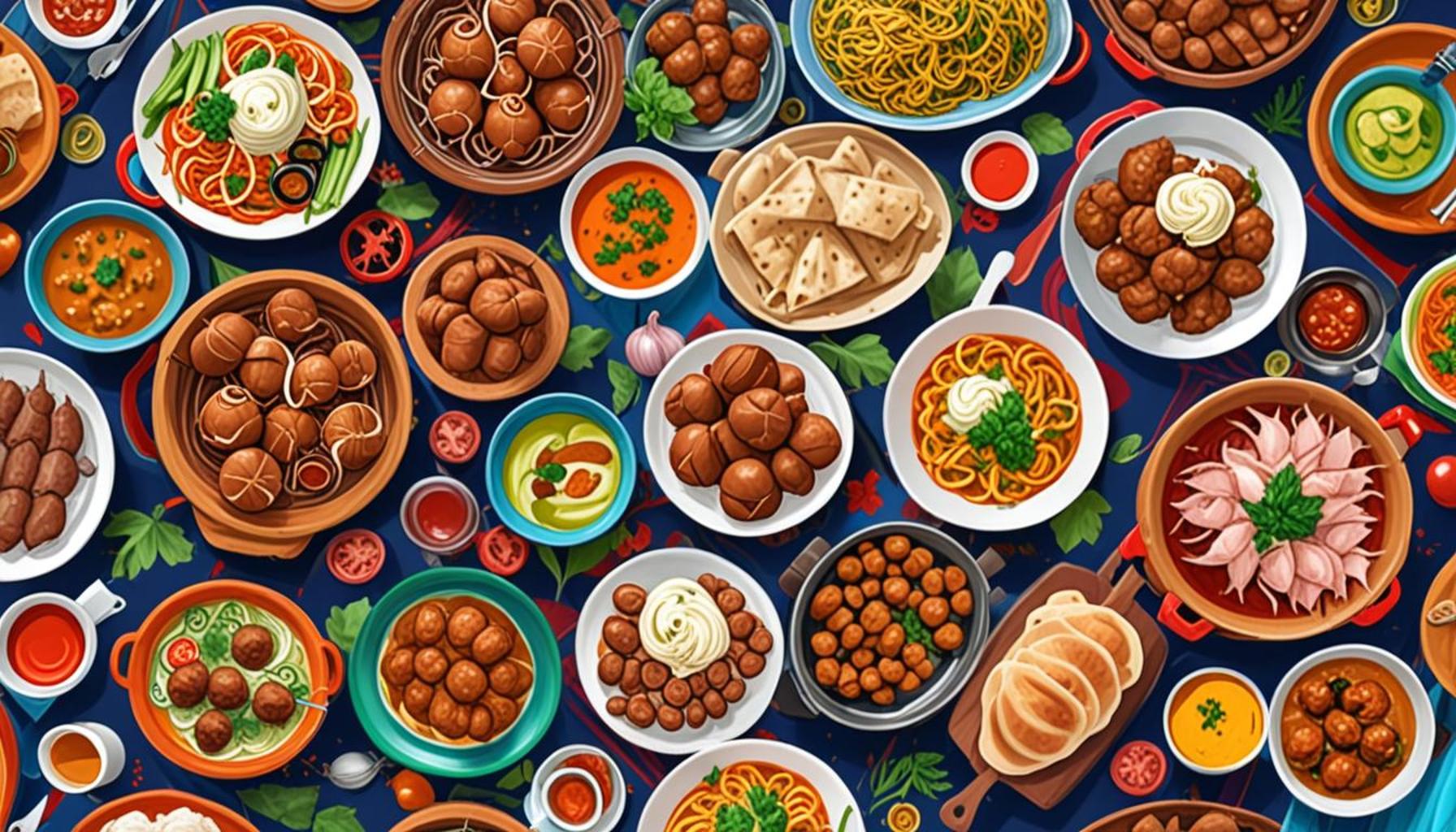
As the world becomes more interconnected, travelers seek not just sights, but also **cultural experiences** that tantalize the senses. One of the most profound ways to understand a destination is through its food, and Nigeria offers a rich tapestry of culinary traditions just waiting to be explored. With its diverse ethnic groups, each contributing unique flavors and techniques, **Nigerian cuisine** is a feast that reflects the country’s vibrant heritage.
Embarking on a **culinary journey** through Nigeria allows travelers to engage with locals, learn about traditional cooking methods, and savor dishes that epitomize the region’s heart and soul. From the complex spices of Jollof rice to the comforting goodness of pounded yam with egusi soup, the options are endless. To guide you through this mouthwatering adventure, we present a **ranking of the Top 5 must-try dishes** that you should not miss on your gastronomic itinerary.
Prepare for a Flavorful Exploration
As you follow this guide, keep in mind:
- Ingredient Variety: Nigerian meals often feature a mix of proteins, vegetables, and rich seasonings.
- Local Markets: Visiting markets is essential to experience the culinary culture and authenticity.
- Tradition and Custom: Each dish carries a story, reflecting the customs and history of the community.
Join us in this exploration as we unravel the delights of Nigeria’s culinary landscape and inspire you to indulge in its flavors.
Exploring Local Cuisine: A Culinary Travel Itinerary through Nigeria
When it comes to discovering the vibrant and varied culture of a new country, there’s no better gateway than through its food. Nigeria, often lauded for its dynamic and diverse culinary traditions, offers a true feast for the senses. From fiery stews that reflect the country’s passion to sweet indulgences that echo its hospitality, Nigerian cuisine provides a rich narrative steeped in history and community ties. Embarking on a culinary journey through Nigeria is not merely a food tour but an immersive cultural experience. Here’s an itinerary highlighting the top five gastronomic experiences you cannot miss.

5. Puff-Puff: The Sweet Start to Your Journey
Your first taste of Nigeria should be the beloved Puff-Puff, a classic street food that captures the essence of Nigerian hospitality. These deep-fried dough balls, light and fluffy inside with a crisp outer layer, are a culinary delight reflecting the sweet, welcoming nature of Nigerian culture.
As you wander through Lagos, Nigeria’s bustling economic hub, the tempting aroma of Puff-Puff wafts through the air, particularly around roadside stalls and busy markets. These are typically sold in the evenings when the city thrives with activity. Locals and visitors alike enjoy this treat, often pairing it with hot beverages or savoring them fresh from the fryer.
- Texture: Soft, airy insides with a golden-brown, crisp exterior.
- Taste: Subtly sweet, with optional hints of nutmeg and vanilla for added warmth.
- Best enjoyed: Freshly cooked, as an appetizer or midday snack.
Embodying the spirit of community, Puff-Puff is often shared among friends and family, making it an apt starting point on your Nigerian culinary journey.
4. Suya: The Spicy Street Food Sensation
The culinary itinerary continues with Suya, an iconic street food that’s as visually appealing as it is flavorful. Often referred to as Nigeria’s barbecued meat, Suya involves skewers of spicy, marinated beef or chicken that are grilled to perfection. It’s a dish deeply rooted in the culinary traditions of Northern Nigerian Hausa communities.
A visit to urban centers like Abuja or Kaduna offers a chance to witness the Suya mastery firsthand. Here, local chefs, known as Mai Suya, compete in flavor innovation using traditional spice blends, ensuring each bite packs a punch. The open-air grills where Suya is cooked can be found sizzling during night markets, contributing to the vibrant street food culture.
- Flavor profile: A mix of heat and smoke, with a touch of sweetness from caramelized edges.
- Accompaniments: Typically served with sliced fresh onions, tomatoes, and a dash of yaji spice (a blend of ginger, peanuts, and chili).
- Best enjoyed: During the cooler evenings, under the night sky.
Indulging in Suya is an immersion into Nigerian night life, with its aroma and taste offering both warmth and excitement.
3. Jollof Rice: The Iconic West African Dish
No Nigerian food tour would be complete without sampling Jollof Rice, a staple that rivals the country’s fame. This dish, embedded in West African culture, consists of perfectly cooked rice enveloped in a rich blend of tomatoes, onions, and peppers, seasoned with a medley of spices.
Experience Jollof Rice across Nigeria’s regions, starting in Lagos, where culinary prowess transforms this humble dish into a gourmet delight. Here, the “Jollof wars” fuel friendly competition, as locals assert their recipes are indeed the best. Each serving of Jollof Rice tells a regional tale—some hearty and fiery with hot chilies, others mellowed with coconut milk.
- Competition: Known for sparking “Jollof Rice battles” across the West African diaspora.
- Variations: Techniques vary, with seasonings often kept as treasured family secrets.
- Perfect pair: Often enjoyed with dodo (fried plantains) and grilled meats.
Tasting Jollof Rice is more than a culinary experience; it’s a deeper dive into Nigerian social rituals and debates, perfect for food enthusiasts and cultural explorers alike.
2. Efo Riro: The Rich and Nutritious Stew
For a nutritional deep dive, Efo Riro stands out as a captivating stop on your culinary tour. This sumptuous stew, originating from the Yoruba people, is a savory, vibrant mix of leafy greens, peppers, and spices, often enhanced with fish, meat, or both for added richness.
Sample Efo Riro in southwestern Nigeria, where the hearty dish is revered for its health benefits and satisfying taste. Traditional eateries in cities like Ibadan capture the authenticity of Efo Riro with vibrant flavors and rustic presentations.
- Texture: A hearty, thick stew, laden with nutrient-rich vegetables and protein.
- Served with: Often paired with pounded yam, amala, or rice.
- Nutritional aspect: A powerhouse of vitamins and minerals, celebrating Nigeria’s agricultural wealth.
Each spoonful of Efo Riro brings with it the essence of Nigeria’s fertile land and showcases culinary elements that harmonize health and taste.
This itinerary through Nigeria offers more than just food; it offers vibrant stories of cultural heritage, shared experiences, and the warmth of Nigerian hospitality. Each dish carries the essence of communities and their histories, inviting you to explore beyond tastes to the stories behind them. As you move through this culinary adventure, Nigeria’s dynamic palate promises memories as enduring as the cuisine itself.
When embarking on a culinary journey through Nigeria, travelers are greeted with a remarkable array of flavors, ingredients, and traditional practices that define the country’s rich gastronomy. Each region boasts unique dishes, rooted in local customs and specialties that reflect the cultural diversity of Nigeria. The following table showcases various categories of Nigerian gastronomy, highlighting their significance and appeal to adventurous food lovers.
| Category | Detailed Information |
|---|---|
| Local Ingredients | Nigerian cuisine heavily relies on indigenous ingredients such as yams, cassava, and pepper, creating dishes that are both unique and flavorful. |
| Street Food | Exploring street markets unveils a treasure trove of snacks like suya (spicy grilled meat) and puff-puff (fried dough balls), offering an authentic taste of local life. |
| Regional Dishes | Dishes such as jollof rice and egusi soup highlight regional cooking styles, with variations that showcase the flavors of the North, South, East, and West. |
| Traditional Cooking Methods | Methods like steaming, frying, and roasting are often employed, emphasizing ancestral techniques that enhance the authenticity of the food. |
As you traverse through the bustling streets and serene landscapes of Nigeria, the vibrant culinary scene invites you to partake in this extraordinary journey. Each dish tells a story, a narrative of community, heritage, and the unyielding spirit of the people. Engaging with local experts and chefs can deepen your appreciation for the intricate culinary tapestry that Nigeria offers. Consider joining local cooking classes or food tours to immerse yourself fully and taste the rich textures and sensations that define this fascinating cuisine.
Frequently Asked Questions about Exploring Local Gastronomy in Nigeria
What are the must-try traditional Nigerian dishes for travelers?
Nigeria is home to a wide variety of rich and diverse dishes. Travelers should not miss trying Jollof Rice, a fragrant and spicy rice dish that is a staple in many Nigerian homes. Another must-try is Egusi Soup, made from melon seeds, vegetables, and meat or fish, offering a unique taste experience. Then there’s Pounded Yam and Garri, both of which are often paired with various soups. Be sure to taste some local snacks like Suya, a spicy grilled meat skewer, for a genuine taste of Nigerian street food.
How can travelers experience authentic Nigerian cuisine during their trip?
To truly experience Nigeria’s culinary delights, travelers should explore both local restaurants, known as bukas, and street food stalls that offer authentic flavors. Engaging in a food tour, which are increasingly popular in cities like Lagos and Abuja, provides curated experiences of traditional dishes. Additionally, making connections with locals can lead to home-cooked meals, sharing not only food but also cultural stories and traditions.
What cultural customs should one be aware of when dining in Nigeria?
Nigerian dining customs can vary widely across regions and ethnic groups. Generally, it’s polite to ***wash your hands*** before eating, especially when meals are consumed with the hands, such as when eating pounded yam and soups. Sharing food is common, and meals can be a communal experience. Moreover, accepting a meal when offered is considered a sign of respect and politeness. It’s also important to be aware of dietary restrictions if visiting certain regions, such as the predominately Muslim areas in the north, where pork is avoided.
Is it easy to find vegetarian or vegan options in Nigerian cuisine?
While much of Nigerian cuisine is meat-based, there are several vegetarian and vegan options. Many traditional dishes can be made with plant-based ingredients upon request. Bean-based dishes, like Akara or Moi Moi, are popular and naturally vegetarian. Vegetable stews and soups, such as Efo Riro, can also be enjoyed without meat. However, communication with food vendors and restaurant staff is key to ensuring meals meet specific dietary preferences.
Conclusion: Savoring Nigeria’s Culinary Journey
In traversing the rich and diverse culinary landscape of Nigeria, travelers are invited to embark on a journey that transcends mere nourishment and dives deep into the nation’s vibrant cultural and historical tapestry. This exploration lights the way through the varied aroma-filled markets and bustling street food scenes, revealing a country brimming with distinct flavors and gastronomic wonders.
From the spicy kick of suya to the aromatic allure of jollof rice, Nigeria offers a feast for the senses, making it a compelling destination for any culinary enthusiast. Each dish carries with it stories of its origin, often passed down through generations. Highlighting the top five must-try dishes, including Egusi soup, Akara, Puff-Puff, Jollof rice, and Suya, this itinerary accentuates the depth and breadth of Nigerian cuisine.
The gastronomic journey through Nigeria is more than a mere indulgence in taste; it is an opportunity to connect with the locals and soak in the rich cultural heritage that defines the nation. By engaging with local ingredients and traditional cooking methods, tourists gain insight into Nigeria’s dynamic and evolving culinary scene.
Incorporating such gastronomic itineraries into travel plans not only enriches the travel experience but also supports local economies and preserves culinary traditions. Travelers who delve into Nigeria’s cuisine are guaranteed to leave with more than just memories of delicious meals; they gain a deeper understanding of the culture and community tied to each dish.
In sum, exploring Nigeria’s local gastronomy is an invitation to partake in a vibrant dance of flavors and traditions. It is a journey of discovery that entices the palate and soul, fostering appreciation for the diverse fabric of Nigerian culture. For those eager to tread off the beaten path, what better way to explore than through the rewarding and expansive lens of its culinary delights?