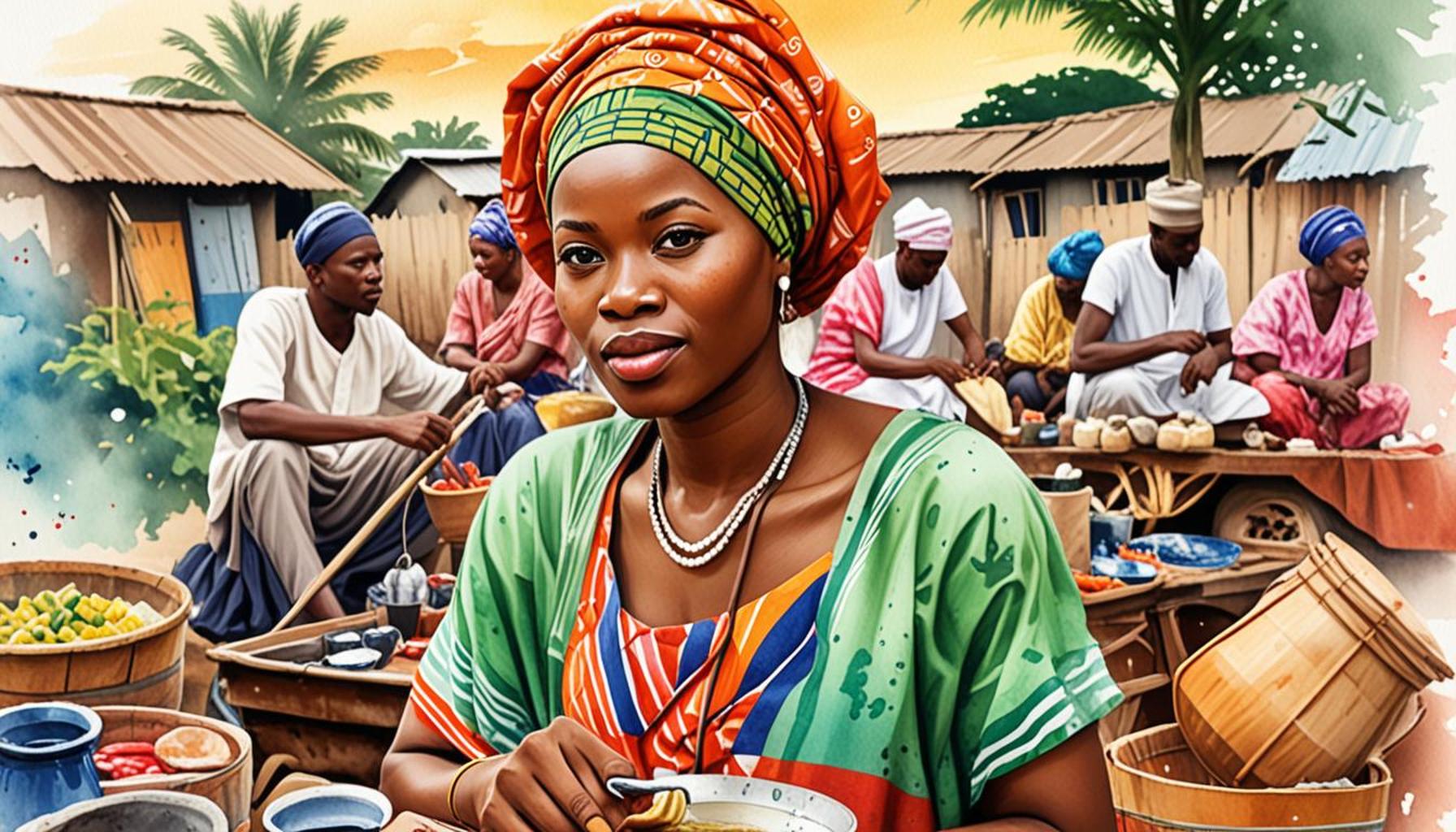
Explore Nigerias Traditional Music Dance on Cultural Tours
Introduction
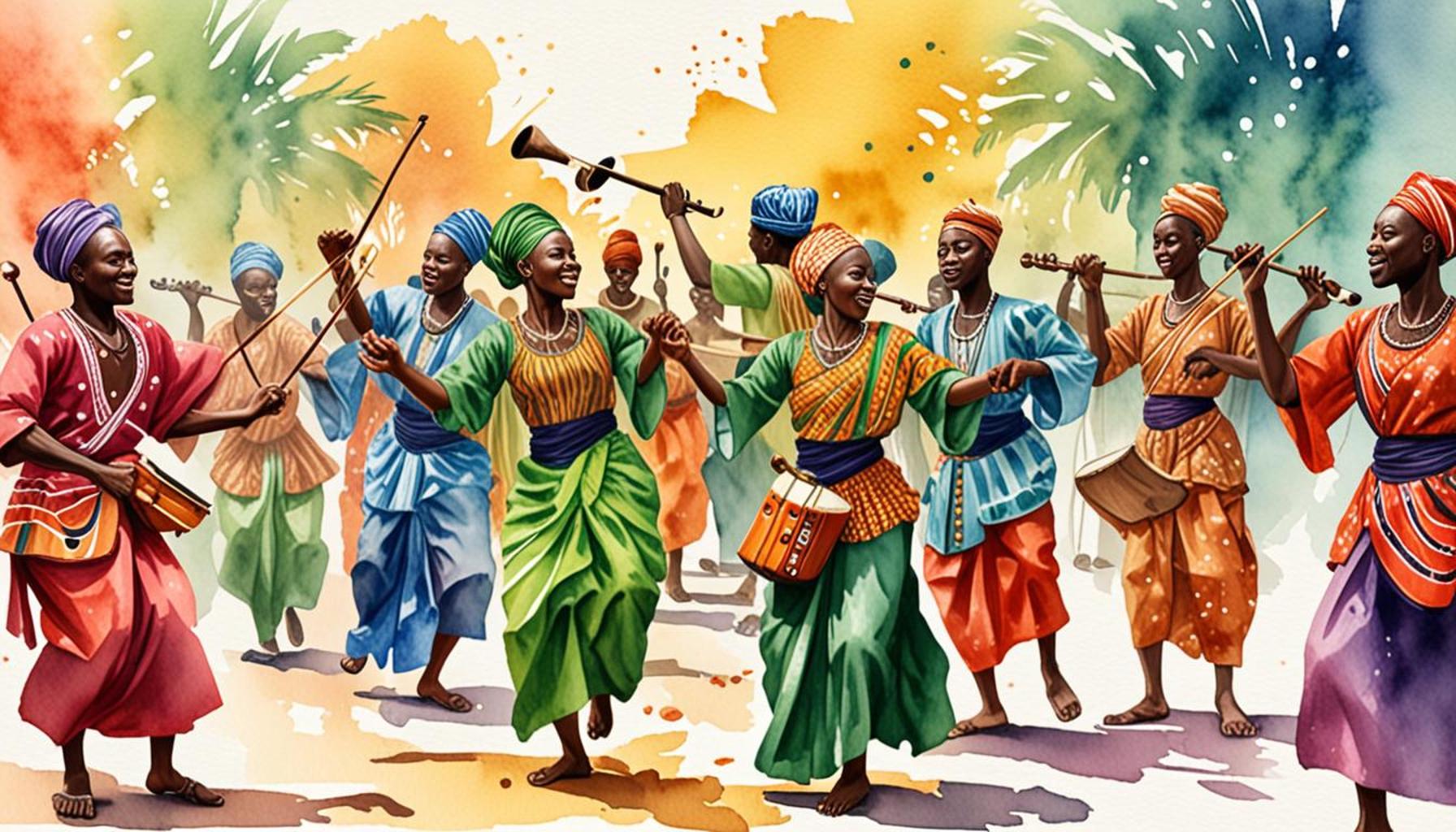
Steeped in a rich cultural heritage, Nigeria’s traditional music and dance form the heartbeat of its diverse communities. These vibrant art forms are not just mere entertainment but crucial elements that enhance social ceremonies, celebrations, and storytelling across the nation. Historically, music and dance have served as vital tools for communication, marking significant events, transmitting folklore, and expressing communal values.
When travelers sink into the rhythm of Nigeria’s traditional music, they find a unique avenue to grasp the intricate tapestry of the country’s history and customs. With more tourists seeking authentic experiences, integrating these artistic elements into their itineraries enriches their journey. It allows visitors to forge deeper connections with local traditions, experiencing Nigeria in a way that transcends typical sightseeing. Music and dance become gateways to understanding the soul of the nation, guiding tourists through its past and present.
In this article, we will delve into the Top 5 traditional music and dance experiences that should be integral to any cultural tour of Nigeria. These experiences range from mesmerizing performances that offer a feast for the senses to interactive workshops where visitors can actively engage and participate. Here, travelers will find moments of interconnection and inspiration, revealing the profound beauty of Nigeria’s artistic heritage. Each highlighted experience promises to captivate and inspire every visitor, creating a cultural tapestry seasoned with rhythmic beats and vibrant movements that linger long after the journey ends.
Exploring Nigeria’s Traditional Music and Dance: A Top 5 Tourist Itinerary
Nigeria, a vibrant nation in West Africa, is rich in cultural tapestry, particularly when it comes to its traditional music and dance. These arts are not just entertainment; they are vital components of Nigerian heritage, storytelling, and community. For tourists looking to experience the profoundly compelling rhythms and movements that define this nation, here is a ranked list of the top five itineraries that delve into Nigeria’s musical and dance traditions, showcasing the best of what the country has to offer. Each destination presents a unique window into the heart of Nigeria’s diverse ethnic traditions, promising both insightful and exhilarating experiences.
5. Attend the Osun-Osogbo Festival
One of the most colorful and spiritually significant events in Nigeria is the Osun-Osogbo Festival. Held annually in Osogbo, the second-largest city in Osun State, the festival is dedicated to the river goddess Osun, who is revered for her healing and fertility powers. This UNESCO-recognized cultural heritage site becomes a hub of spiritual activity as devotees from across the globe gather.
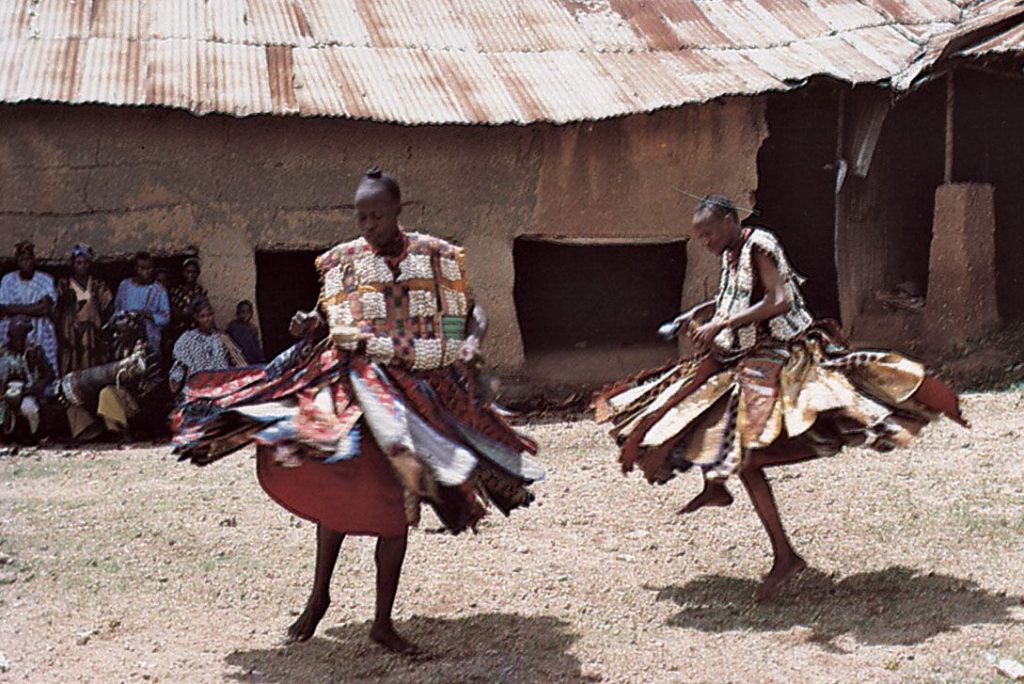
The festival features a brilliant display of traditional music, elaborate costumes, and dance that pay homage to the goddess. Tourists are often mesmerized by the procession of the Arugba, a sacred virgin carrying offerings to the river. This procession is a significant rite held with utmost reverence and is accompanied by vigorous performances by local dancers, whose movements are accentuated by the rhythmic beats of traditional drums.
Participants not only observe but also engage in traditional dancing and chanting, making for an immersive and spiritual experience. The festival is an excellent opportunity for visitors to explore local arts and crafts, savor delicious Nigerian cuisine, and connect with the warm hospitality of the Yoruba culture, known for its community-centric ethos.
4. Experience the Calabar Carnival
The Calabar Carnival, affectionately dubbed Africa’s Biggest Street Party, offers a vibrant display of Nigeria’s diverse cultural expressions. Held in December, this month-long festival is a crescendo of color, energy, and creativity. With a different theme each year, the carnival showcases spectacular floats, extravagant costumes, and a myriad of music performances that celebrate the cultural heartbeat of Nigeria.
Tourists can join locals in various parades, moving to the infectious beats of traditional drums and modern music anthems. The streets transform into stages where dramatic theatrical performances narrate compelling stories from Nigeria’s rich history. Traditional dance troupes, with their impeccable choreography, demonstrate the elegance, power, and exuberance of their craft, mesmerizing audiences with every leap and twist.
The Calabar Carnival is more than a festive season; it is an invitation to celebrate life, offering tourists a chance to indulge in the cultural mosaic of Nigeria while creating cherished memories.
3. Discover the Heritage of the Igbo People
The Igbo cultural heritage, particularly in Enugu State, offers tourists an enriching itinerary filled with a robust blend of music, dance, and artistry. The Uli dance is a standout, recognized by its visually captivating performances featuring painted bodies and rhythmic movements that narrate historical and social stories.
- Ibo Music: Visitors can participate in music sessions where they can play traditional instruments like the ikoro (a large wooden slit drum) and odum (flutes), that produce distinctive melodies.
- Cultural Workshops: Engage in workshops that teach traditional dance styles. These workshops offer hands-on experiences, fostering a deeper understanding and appreciation of Igbo culture through direct interaction with the local community.
- Local Festivals: By timing a visit during local festivals, tourists can immerse themselves in the spectacle of vivid dance performances and musical expressions that highlight the vibrancy and resilience of Igbo society.
This itinerary not only provides entertainment but also fosters cultural exchange, helping tourists appreciate the depth and beauty of Igbo traditions—a narrative etched in every dance step and strum of the indigenous instruments.
2. Immerse Yourself in the Traditions of the Hausa People
The traditions of the Hausa people, predominantly located in northern Nigeria, offer a compelling cultural experience vastly different from the southern parts of the country. Renowned for their enchanting music and dance, the Hausa people invite visitors to dive into traditions that are both deeply rooted and dynamically expressed.
Visitors can explore the tradition of Wazobia, a creative fusion of various cultural elements that reflect in the music and dance performances during events such as the Arewa Festival. This festival offers a rich tapestry of poetry, music, and dance, allowing travelers to interact with the essence of Hausa culture.
Attending performances by boka groups, who skillfully blend dance with storytelling, provides an experience that resonates profoundly with both locals and visitors. The dances, characterized by their fast-paced and synchronized movements, are often coupled with traditional attire that adds to the visual allure. With musical instruments such as the kalangu (a traditional drum) and the ganga (a double-headed drum), audiences find themselves swept away by the infectious spirit and warmth of Hausa hospitality.
1. Celebrate the Richness of Yoruba Drumming and Dance
At the pinnacle of Nigerian traditional music and dance is the rich heritage found among the Yoruba people. The Yoruba cultural sphere, a tapestry woven from threads of history, rhythm, and spirituality, offers a vibrant landscape for travelers eager to discover its treasures. Lagos, Nigeria’s bustling megacity, serves as the perfect starting point for this cultural adventure.
Visitors are often entranced by the rhythms of talking drums that echo throughout the city, an integral part of Yoruba music known for communicating messages through its unique tonal language. Those eager to delve deeper can partake in drumming workshops that offer hands-on training, allowing for an intimate understanding of this intricate art form.
Performances of traditional dances such as Agogo and Sekere reveal the expressive range and agility integral to Yoruba dance, drawing tourists into a world where each movement tells a story. Furthermore, the National Museum of Lagos houses artifacts and displays that highlight the historical significance of music and dance in Yoruba culture, providing valuable context and historical insights.
In conclusion, Nigeria’s traditional music and dance offer a portal into the country’s soul, where stories of past and present are told through rhythms and movements. These itineraries offer tourists a chance not only to witness but to participate in and celebrate the diverse cultural expressions that have captivated the world.
| Category | Advantages |
|---|---|
| Cultural Immersion | Engaging with traditional music and dance offers an authentic experience that connects tourists to the rich heritage and vibrant history of Nigeria. Visitors can partake in local festivals and ceremonies, providing insights into the cultural narratives. |
| Educational Opportunities | Workshops and classes on traditional instruments and dance forms educate tourists about the techniques and meanings behind practices, enhancing appreciation for Nigerian arts. This form of education fosters respect for cultural diversity. |
| Community Engagement | Participation in local music and dance events promotes interaction with local communities, helping to support artisans and performers directly. This can lead to more meaningful connections and interactions, enriching the travel experience. |
| Promotion of Sustainable Tourism | Focusing on traditional music and dance helps to ensure that tourism is sustainable and beneficial to local culture. It encourages the preservation of these art forms and supports the livelihoods of those who depend on them. |
Frequently Asked Questions about Exploring Nigeria’s Traditional Music and Dance
What makes Nigeria’s traditional music and dance unique in the global context?
Nigeria’s traditional music and dance are noted for their rich diversity and cultural significance. The country is home to over 250 ethnic groups, each with its own unique sounds and rhythms. Genres such as Fuji, Juju, Highlife, and Afrobeat have not only shaped the local musical landscape but also gained international recognition. This diversity makes Nigeria a vibrant mosaic of traditions, offering a chance to experience distinctive performances that reflect the cultural heritage of each community.
How can tourists experience traditional music and dance in Nigeria?
Tourists can immerse themselves in Nigeria’s music and dance through various cultural festivals and events held throughout the year. Notable festivals include the Eyo Festival in Lagos, the New Yam Festival in the Igbo region, and the Osun-Osogbo Festival. Visitors are encouraged to engage with locals, participate in dance workshops, and attend live music performances, offering a firsthand experience of the vibrant cultural expressions that define Nigerian tradition.
Are there specific regions in Nigeria renowned for music and dance tourism?
Yes, certain regions of Nigeria are particularly famous for their musical and dance heritage. The city of Lagos is a central hub for contemporary music and traditional dance events. The southeastern region, known for its Igbo cultural displays, offers unique dance forms like the Atilogwu dance. In the West, the Yoruba people are celebrated for their elaborate drum ensembles and dances such as the Bata dance, making these regions essential stops on any cultural itinerary.
What impact does traditional Nigerian music and dance have on the country’s tourism industry?
Traditional music and dance in Nigeria play a vital role in attracting tourists, enhancing cultural appreciation, and fostering economic growth. They provide a window into the nation’s history and social customs, making them attractive to cultural tourists seeking authentic experiences. This cultural art has further led to the development of music and dance festivals that draw international visitors, contributing significantly to the local economy by promoting tourism-related businesses.
Conclusion
In exploring the vibrant tapestry of Nigeria’s traditional music and dance through tourist itineraries, visitors are presented with a unique opportunity to delve into the country’s rich cultural heritage. The enthralling rhythms and captivating movements tell the stories of Nigeria’s diverse ethnic groups, offering a window into their history and traditions. Through careful curation of these experiences, tourism programs can transform simple visits into immersive cultural journeys.
One of the prime takeaways is the role that traditional music and dance play in community cohesion, serving both as a medium of cultural expression and a reinforcement of identity. From the energetic beats of the Yoruba talking drums to the expressive Igbo masquerade dances, these art forms not only entertain but also educate, allowing tourists to gain deeper insights into local customs and beliefs.
Moreover, incorporating traditional music and dance into travel itineraries adds dimension to tourism by providing a multi-sensory experience that engages visitors on various levels. It broadens the appeal of Nigerian destinations, drawing tourists who are not only interested in the visual landscapes but also in the rich cultural narratives behind them. These experiences could be pivotal in positioning Nigeria as a culturally rich destination in the global tourism landscape.
In conclusion, as the world grows increasingly interconnected, the chance to experience authentic cultural expressions like traditional Nigerian music and dance becomes an invaluable asset for tourism strategies. By offering tourists the chance to partake in these vibrant traditions, itineraries do not only promote cultural appreciation and understanding but also stimulate the local economy by supporting artists and cultural practitioners. It is an invitation to discover more, and a call to cherish the authentic cultural expressions that make Nigeria a truly unique and compelling destination.