Exploring Food Traditions: A Cultural and Culinary Journey through Nigeria’s Indigenous Communities
A Journey Through Nigeria’s Culinary Wonders
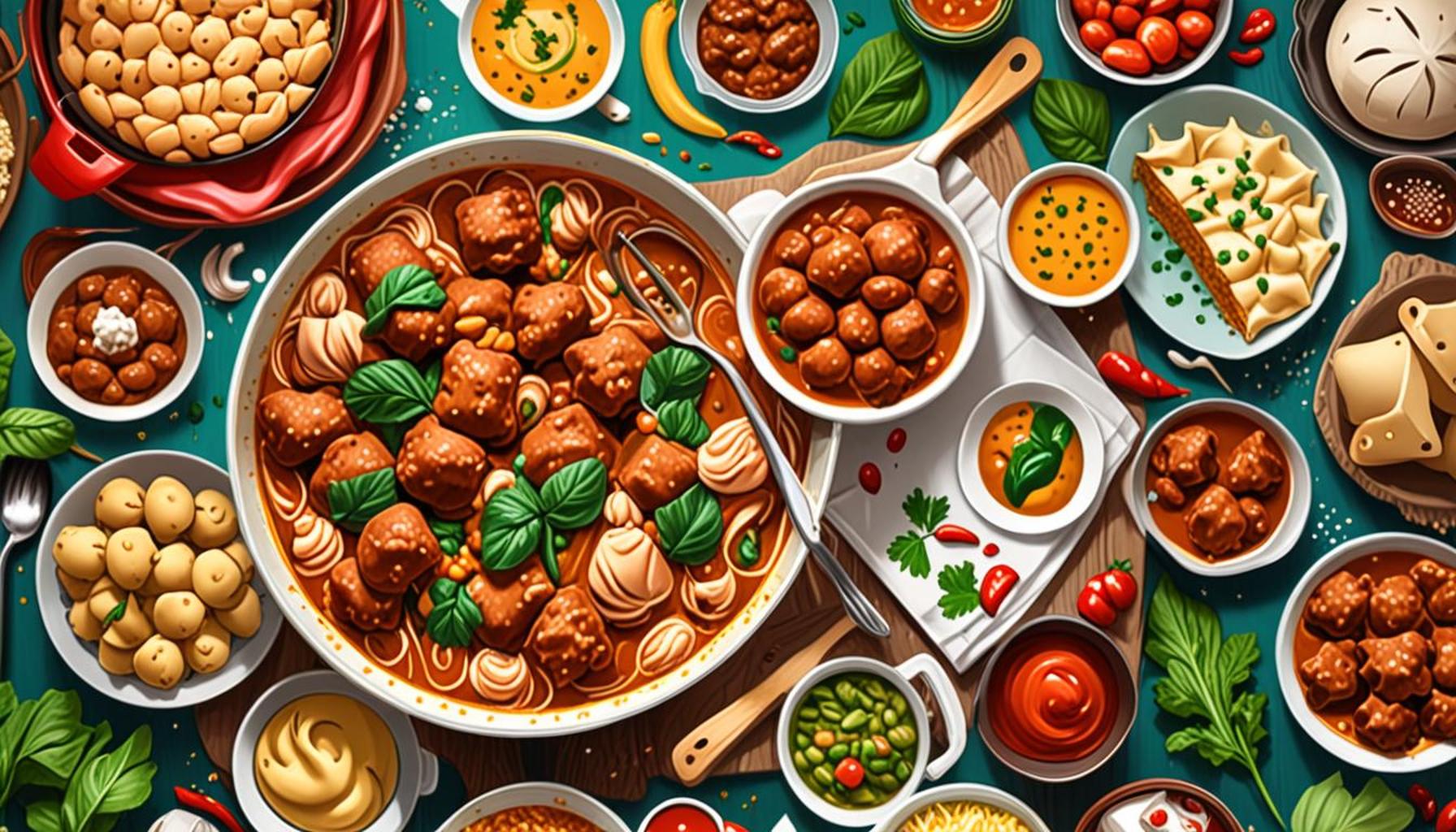
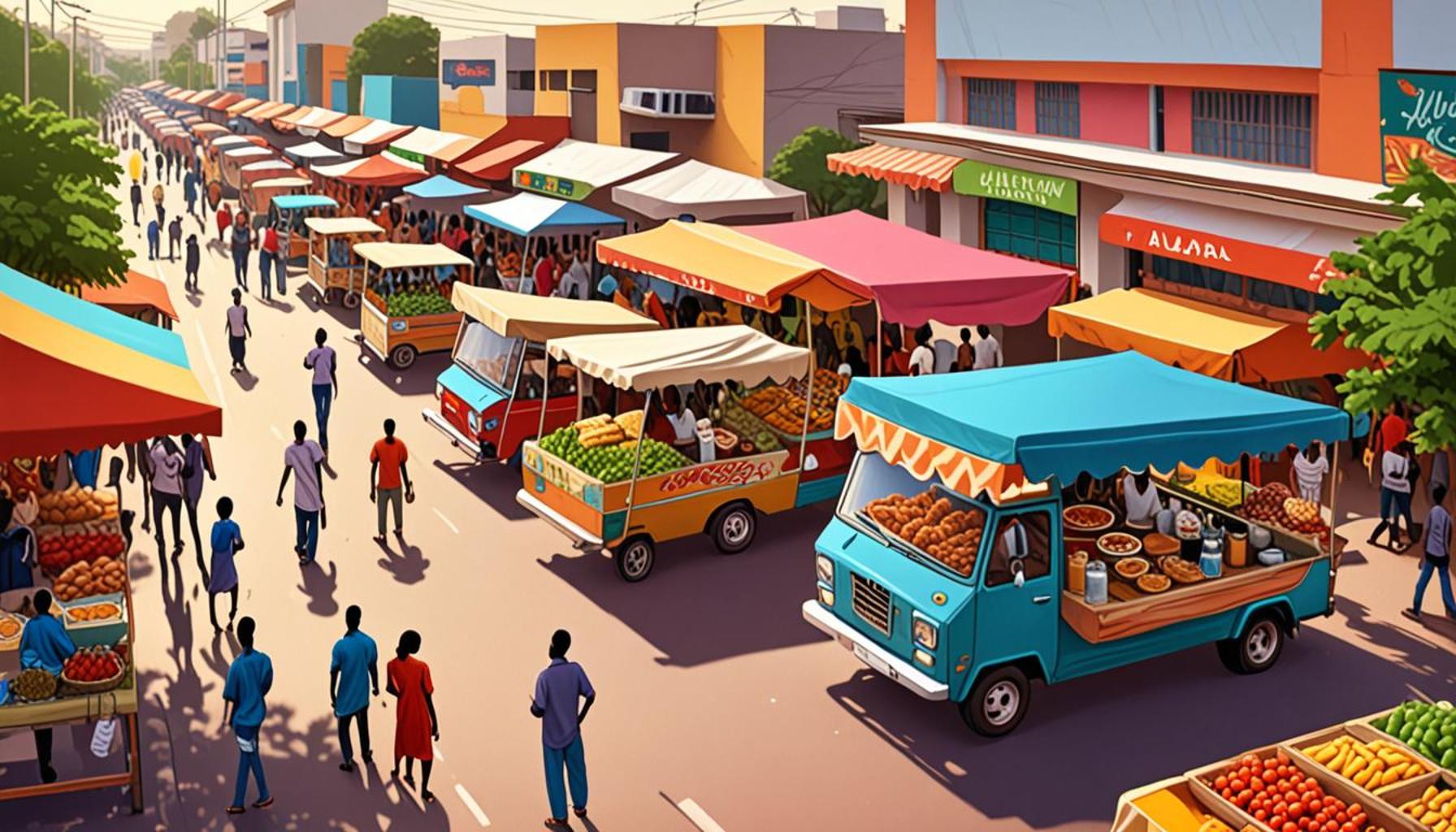
Nigeria is a country steeped in diversity, and its food traditions reflect this rich cultural tapestry. Each indigenous community brings its unique flavors, cooking techniques, and ingredients that tell stories of history and heritage. From the bustling markets of Lagos to the serene villages of the north, Nigeria’s culinary landscape is a sensory delight waiting to be explored.
- Regional Varieties: With over 250 ethnic groups, Nigeria’s culinary scene is incredibly diverse. For instance, the Yoruba people are known for their rich stews and soups, while the Hausa community offers delightful grilled kebabs and spices. In the southeast, the Igbo prepare dishes centered around yam and cassava, such as the well-loved isu-ewu (yam porridge). Moreover, the varying climates across Nigeria influence local agriculture, resulting in distinctive ingredients that vary by region.
- Signature Dishes: Among the most beloved Nigerian dishes, Jollof rice stands out as a flavorful one-pot dish that combines rice, tomatoes, and a blend of spices. A national favorite, it often serves as the centerpiece for celebratory gatherings. Suya, a spicy meat skewer originating from the north, showcases the country’s penchant for street food. Another staple, Egusi soup, made with ground melon seeds, is rich and hearty, often enjoyed with pounded yam or fufu, creating a satisfying meal that embodies community gathering.
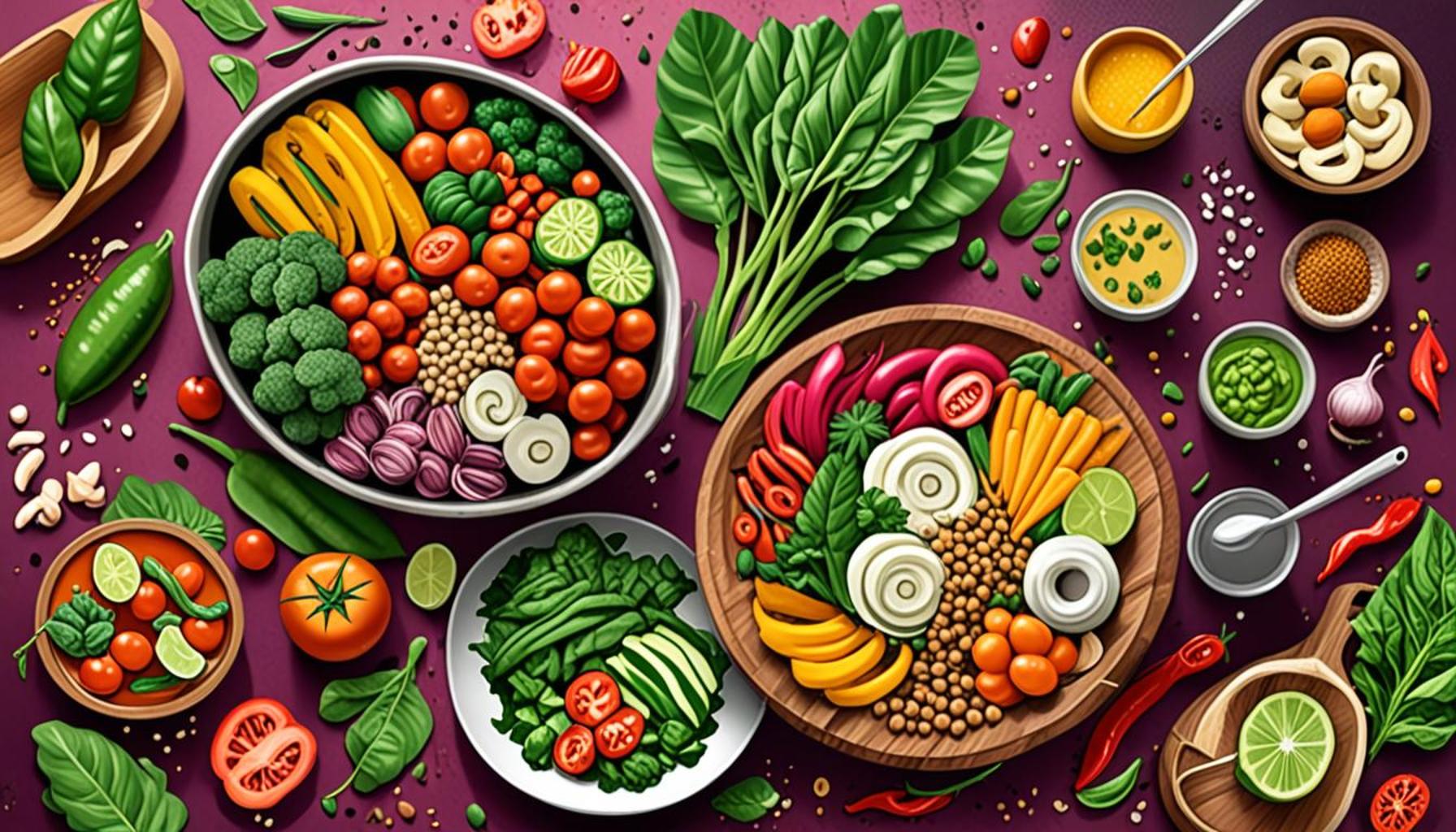
- Traditional Ingredients: Staples such as cassava, yam, and okra are foundational to many indigenous dishes. Cassava, for instance, is a versatile root tuber that can be transformed into a variety of foods, from fufu to garri. Similarly, yam is not only a nutritious source of carbohydrates but is also revered in several local ceremonies and celebrations. Okra, with its distinct texture, features prominently in dishes like Okra soup, where it serves both as a thickening agent and as a delicious vegetable.
Food in Nigeria is more than sustenance; it’s a celebration of culture. Community gatherings, festivals, and rituals often center around shared meals, highlighting the importance of food in fostering social bonds. This aspect of Nigerian culture is beautifully illustrated during events like the Ibo New Yam Festival, where families come together to honor the yam harvest with feasting and traditional dances. Birthdays, weddings, and even naming ceremonies are incomplete without a well-spread culinary array.
This exploration invites you to embark on a cultural and culinary journey, where food traditions serve as a lens through which the essence of Nigeria’s indigenous communities can be appreciated. Through exploring these rich customs, readers can gain insights into the country’s cultural identity, regional practices, and the significance of indigenous ingredients. Join us as we uncover stories behind the dishes that unite communities and celebrate the essence of Nigerian heritage, revealing that behind every plate is a history waiting to be told.
RECOMMENDED: Check out this similar article
Understanding the Culinary Landscape of Nigeria
As we delve deeper into Nigeria’s food traditions, it becomes evident that the culinary landscape is a vibrant mosaic reflecting the country’s rich heritage and diverse communities. Each region boasts its own culinary practices, characterized by unique cooking methods, local ingredients, and distinct flavor profiles. This diversity not only enriches the table but also provides insight into the social and cultural fabric of each indigenous group.
The culinary variety in Nigeria can largely be classified into three primary regions: the North, the West, and the East. Each region’s cuisine is not only shaped by the availability of ingredients but also by historical influences and cultural exchanges.
- The Northern Region: Known for its arid climate, the northern part of Nigeria thrives on grains and meats. Staple foods include jollof rice and tuwo, a type of dough made from corn or beans. A notable dish is kebabs, particularly the spicy, grilled meat skewers known as suya, which have won hearts not just locally but internationally. The flavors derived from the use of yaji (a spice blend) highlight the region’s love for bold and aromatic spices.
- The Western Region: In Yoruba kitchens, the emphasis is on rich, flavorful stews and soups. The art of preparing egusi soup (made from ground melon seeds) illustrates the intricate cooking techniques passed down through generations. Accompanying staples such as pounded yam and amala are essential for a complete meal, as they serve to enhance the soup’s vitality and texture.
- The Eastern Region: Home to the Igbo community, this region places great significance on crops such as yam and cassava. The New Yam Festival celebrated yearly serves as an important cultural event to honor these staples. Traditional dishes like ofada rice served with ofada sauce showcase the rich culinary heritage and deep cultural ties to agriculture and tradition.
Furthermore, food in Nigeria is not static; it evolves with time and is influenced by globalization and urbanization. Contemporary Nigerian chefs are reinventing traditional dishes, blending local ingredients with international flavors to create innovative recipes that still respect traditional practices. This fusion represents a culinary renaissance that demonstrates how Nigeria’s food culture is both adaptable and enduring.
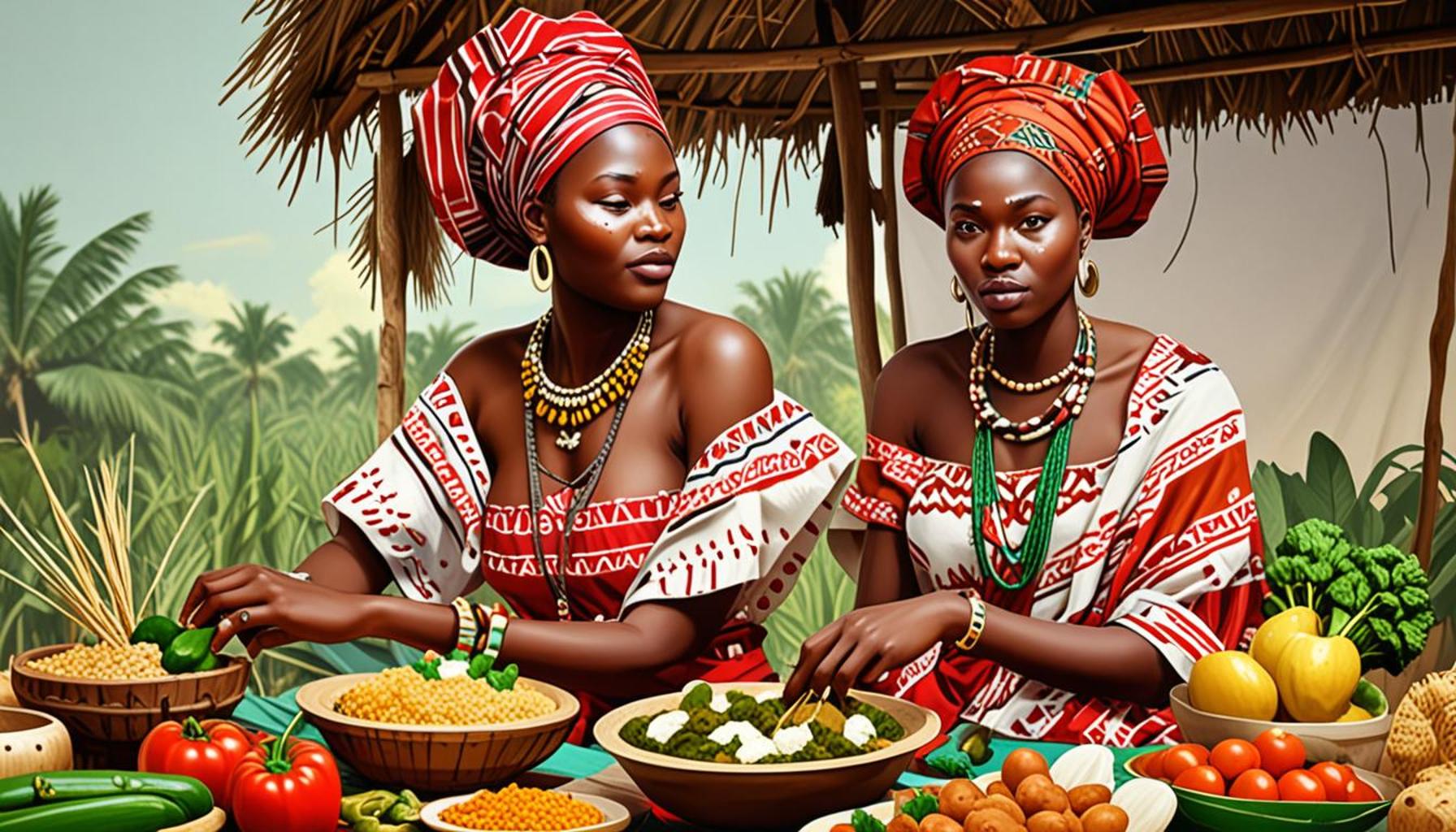
Through food, the people of Nigeria narrate tales of their ancestry, celebration, and community identity. Mealtimes become an opportunity for sharing stories and traditions, where recipes are passed down and culinary skills are nurtured. The communal nature of food is poignantly evident during celebrations, from weddings to religious festivities, where elaborate spreads gather family and friends together.
This culinary journey ultimately shows that behind each indigenous dish lies a wealth of cultural significance, providing a rich context for understanding Nigeria’s identity and diversity. Exploration of these culinary traditions reveals not only the history of Nigeria’s indigenous communities but also invites a deeper appreciation of their shared humanity through the universal language of food.
| Culinary Practices | Cultural Significance |
|---|---|
| Traditional Cooking Techniques | Reflects Heritage and Identity |
| Use of Indigenous Ingredients | Enhances Local Flavors |
Exploring the culinary traditions of Nigeria’s indigenous communities unveils a wealth of knowledge and history embedded within their cooking techniques. Traditional cooking methods, such as open-fire roasting and clay pot cooking, not only impart unique flavors to dishes but also serve as a testament to community practices passed down through generations. These methods encourage the gathering of family and friends, showcasing how food plays a critical role in social bonding and cultural identity.Moreover, the emphasis on indigenous ingredients such as yams, cassava, and various local spices highlights a deep connection to the land and environment. These ingredients are not just staple foods; they encapsulate stories of resilience and adaptation, making every meal a cultural narrative that ties the community to its ancestral roots. The traditional preparation of dishes such as Jollof rice or Egusi soup emphasizes the appreciation for local flavors and the diversity within Nigeria’s cuisine. As travelers and food enthusiasts embark on this culinary adventure, they will discover that each bite is an exploration of stories, customs, and values inherent in Nigeria’s rich food traditions. This journey is not merely about tasting but also about understanding the significance of food in shaping cultural landscapes. Those interested in connecting with the vibrancy of Nigeria’s culinary scene will find countless treasures that combine flavor with heritage, inviting deeper exploration into its indigenous communities.
LEARN MORE: This related article may interest you
Rich Rituals and Celebratory Foods
Food in Nigeria is deeply intertwined with the country’s numerous rituals and celebrations, serving as a medium for cultural expression and community bonding. Every indigenous group has its specific dishes that are an essential part of rituals, festivals, and significant life events, showcasing the deep connection between culinary practices and the spiritual and social lives of the people.
One of the most notable celebrations is the New Yam Festival, particularly celebrated by the Igbo community. This vibrant occasion marks the commencement of the yam harvest, a vital crop in Igbo culture. During the festival, freshly harvested yams are ceremonially offered to the gods, symbolizing gratitude and a request for continued blessings. Traditional dishes such as yam porridge and yam fufu take center stage, with families gathering to prepare and share meals, reinforcing community ties through shared culinary experiences.
In the Northern region, the Sallah festival, which commemorates the end of Ramadan, brings families together to enjoy delicacies such as jollof rice and puff-puff. These dishes, full of flavor and significance, promote unity and a sense of belonging among families and friends coming together to celebrate. The ritual of breaking bread has a profound role in the festivities, where sharing meals symbolizes a bond that transcends mere culinary delight.
- The Yoruba Festival of Osun-Osogbo: This annual festival serves as a cultural highlight for the Yoruba people. Traditionally, offerings of food are made to the river goddess, Osun, with dishes including pounded yam and ewedu soup. It’s not just about the food but the stories tied to these offerings that keep folklore alive, passing down legends and communal history through generations.
- Community Functions and Weddings: Weddings in Nigeria are often grand affairs, featuring a variety of dishes reflecting the local culture. The blending of cuisines from the groom and bride’s backgrounds signifies unity and fusion, with staples like jollof rice, assorted meats, and party chicken being widely served. Such feasts create an opportunity for families to come together and share in joyous traditions.
- Harvest Festivals: The annual harvest festivals celebrated by various communities mirror their dependence on agriculture. For instance, the Ekiti State Festival celebrates the bounty of local crops, with dishes made from cassava and millet. These festivals are critical in promoting indigenous farming practices and the preservation of culinary knowledge related to seasonal crops.
The process of preparing these celebratory foods often involves traditional cooking methods that have been passed down through generations. Techniques like smoking, fermenting, and pot cooking not only preserve flavors but also reflect the ingenuity and resourcefulness of indigenous communities. As the culinary landscape evolves, these traditional methods are being preserved to maintain the authenticity of Nigeria’s food culture amidst globalization.
While food serves as a focal point during these celebrations, it also plays a role in storytelling. Elders recount tales of ancestors and cultural heroes around meals, making dining experiences rich with shared history and wisdom. Such traditions remind us that every dish has a story — a narrative borne from generations that shaped the very essence of Nigeria’s culinary identity.
LEARN MORE: This related article may interest you
Conclusion: A Tapestry of Tradition and Flavor
As we conclude our exploration of Nigeria’s indigenous culinary landscape, it becomes evident that food is not merely sustenance; it is a profound representation of identity, culture, and history. Each dish tells a story, articulating the rich traditions and rituals that define the livelihoods of diverse communities across this vibrant nation. From the celebratory feasts of the New Yam Festival of the Igbo, to the poignant gatherings during the Sallah festival in the North, Nigeria’s food traditions encapsulate the essence of unity, gratitude, and resilience shared among families.
These culinary practices serve not only to nourish but also to bridge generational gaps through the transmission of ancestral knowledge. Techniques such as smoking, fermenting, and pot cooking are not only methods of preparation but are culturally significant, ensuring that the flavors and stories of Nigeria’s past are preserved for future generations. Moreover, as globalization continues to influence culinary trends, it is crucial for communities to maintain their indigenous cooking methods, safeguarding the authenticity that defines their cultural heritage.
Overall, Nigeria’s food traditions invite both locals and visitors to delve deeper into the narratives that accompany meals. They provide a unique lens through which to appreciate the complexities of Nigerian culture, revealing how food serves as a powerful facilitator of connection amidst life’s celebrations and rituals. By embracing and promoting these traditions, we not only honor our diverse backgrounds but also guarantee that the vast culinary tapestry of Nigeria continues to thrive, evolve, and inspire those who partake in it.