Exploring Local Cuisine: A Culinary Itinerary Through Nigeria
Experience the Culinary Diversity of Nigeria
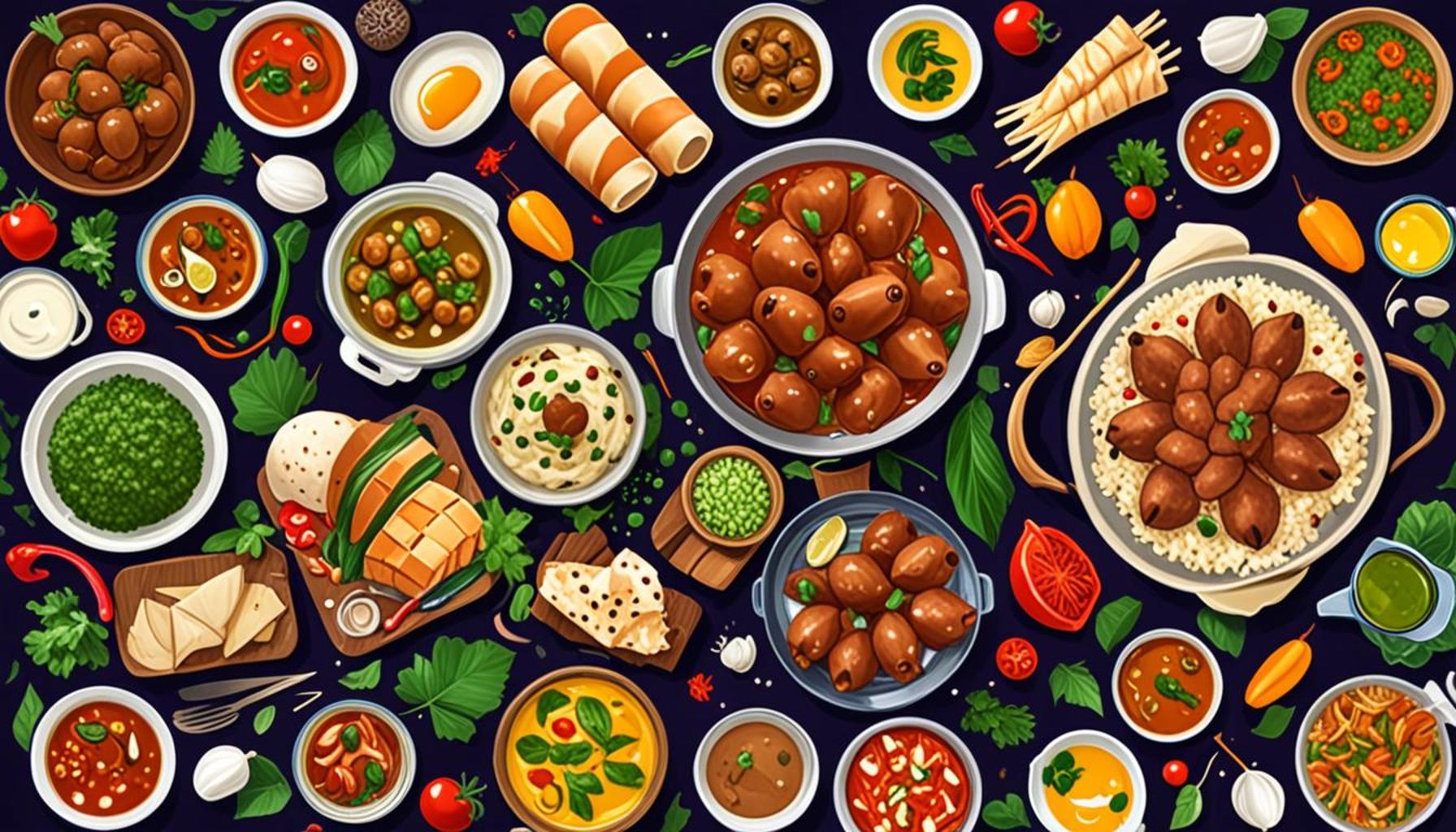
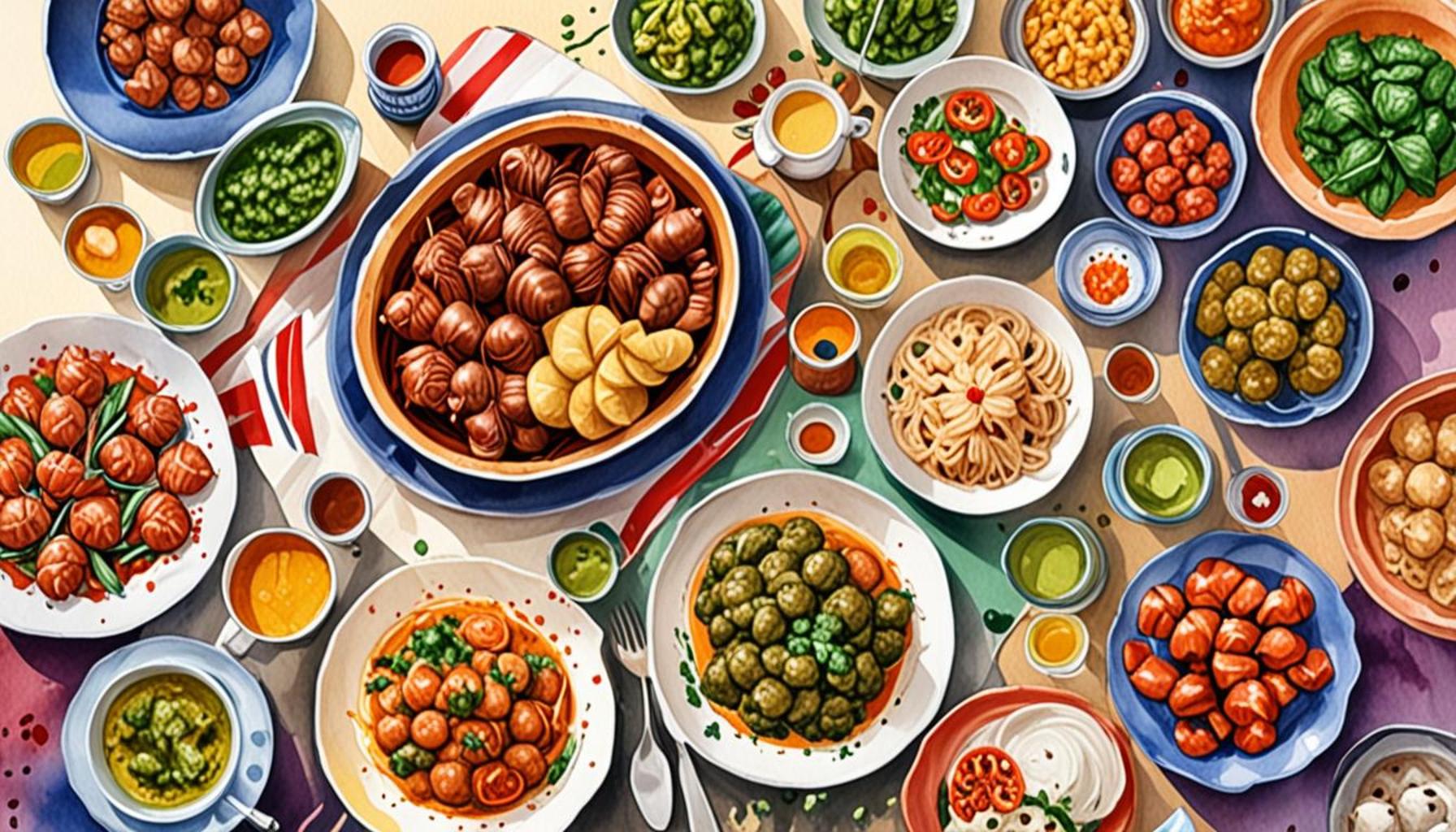
Embarking on a culinary journey through Nigeria is like diving into a rich tapestry of flavors, textures, and aromas. With its dynamic and varied landscape, each region from the bustling markets of Lagos to the serene hills of Enugu offers unique dishes that reflect its culture, history, and heritage. Nigerian cuisine is a celebration of communal values, family ties, and connections to the land, each meal an invitation to explore its stories.
As you traverse this diverse landscape, you will encounter:
- Jollof Rice: A beloved staple deeply embedded in Nigerian culture, Jollof rice is a fragrant dish known for its rich, spicy tomato sauce and intriguing flavors. Often cooked with a variety of spices, it serves as the centerpiece for celebrations, family gatherings, and parties. Each region boasts its unique twist, such as the addition of local peppers or seafood, making it a point of pride and competition among cooks.
- Pounded Yam: This smooth, stretchy dish is often enjoyed with flavorful soups like egusi (made from ground melon seeds) and ogbono (made from wild mango seeds). The act of pounding yam is traditionally communal, symbolizing togetherness. Its versatility allows it to accompany many other Nigerian dishes and provides a satisfying contrast to the rich, savory flavors of the soups.
- Suya: Grilled meat skewers marinated in a spicy, seasoned peanut rub, suya is the essence of street food in Nigeria. Often made from beef or chicken, it’s commonly sold by vendors in bustling areas, especially during the evenings. The smoky flavor, complemented by sliced onions and spicy pepper sauce, makes for a tantalizing snack that perfectly captures the vibrancy of Nigerian street culture.
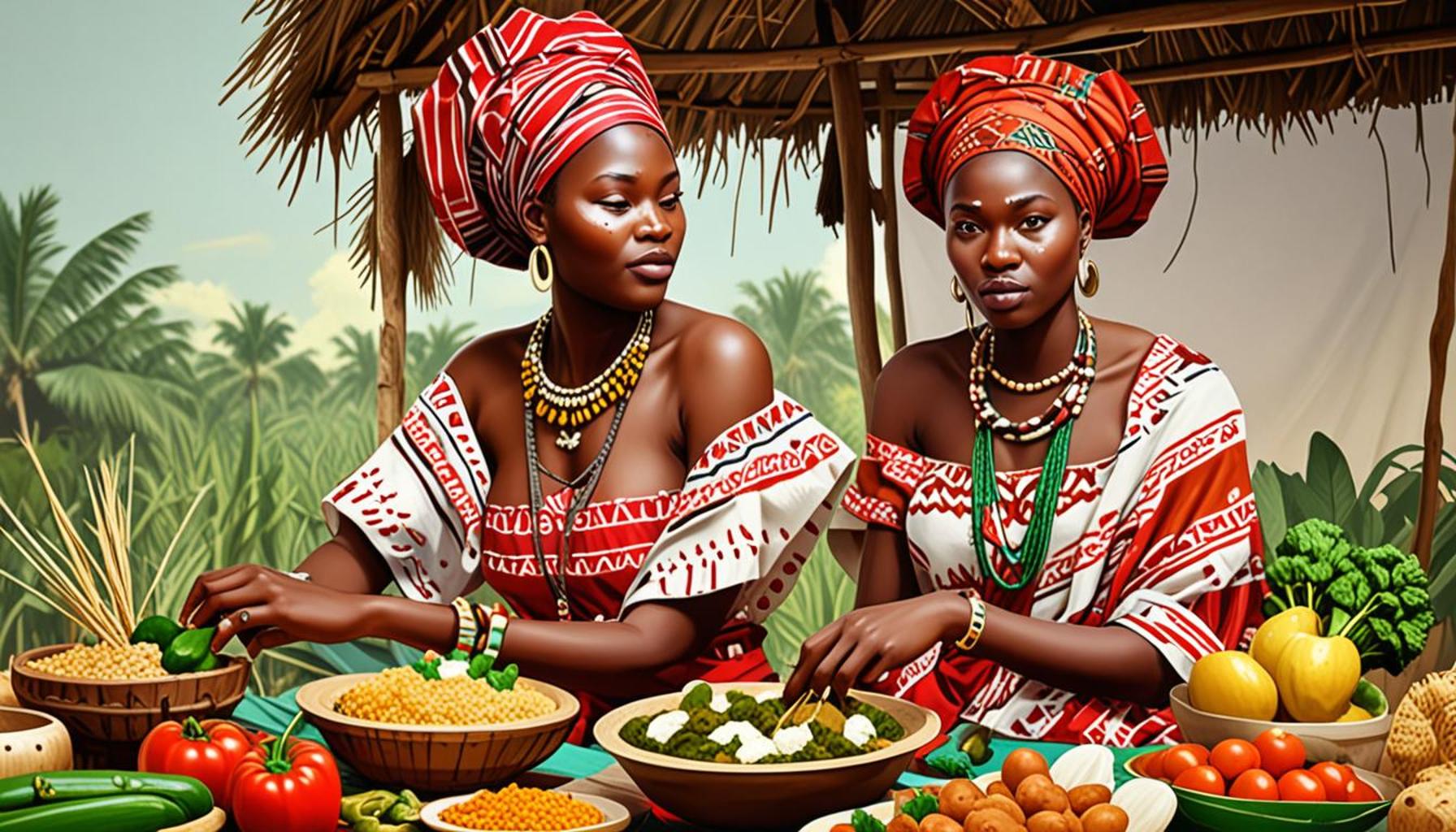
- Bitter Leaf Soup: This traditional soup, made with the leaves of the Vernonia amygdalina plant, is known for its characteristic bitterness, which is balanced by the richness of the accompanying ingredients like meats and spices. It is not only a delicious dish but is also packed with nutritional benefits, often regarded as a remedy for various ailments. Its preparation is a labor of love, showcasing the dedication of local women in preserving culinary traditions.
Nigeria’s local cuisine transcends mere sustenance; it serves as a window into the heart and soul of the nation. Whether you are a native or a visitor, exploring these dishes reveals the stories, customs, and heritage of the Nigerian people. Each meal tells tales of generational knowledge passed down through families, representing unity and resilience in the face of changing times.
In your culinary exploration, be sure to unearth vibrant local eateries where you can savor authentic flavors. Meet the passionate chefs who dedicate their lives to refining these age-old recipes and keeping traditions alive. Their love for food is evident in every bite, making the experience both appetizing and enlightening. Prepare your taste buds for an adventure that promises to broaden your understanding of Nigeria’s rich cultural landscape.
LEARN MORE: This related article may interest you
Unveiling the Flavors of Nigeria’s Regions
Nigeria’s culinary landscape is as diverse as its ethnic groups, each contributing unique flavors and cooking techniques that create an extraordinary palette of dishes. To truly appreciate the depth of Nigerian cuisine, it is essential to explore the different regions, from the North to the South, and everything in between. Each region showcases distinct ingredients and preparation methods, inviting food enthusiasts to discover their local specialties.
The Northern Delicacies
In the northern region of Nigeria, the cuisine is influenced by the Sahelian climate and rich agricultural practices. One cannot talk about Northern Nigeria without mentioning Tuwo Shinkafa, a delicious rice pudding often paired with rich stews like Gurasa. This fluffy, stick-like rice dish is a satisfying staple that captures the essence of northern hospitality.
The famous Kunu, a traditional beverage made from fermented grains, is another must-try item. It serves as a refreshing drink that complements spicy meals, often enjoyed during festivities and celebrations. Street vendors offer a variety of snacks, from meat pies to suya, each providing a glimpse into the lively market culture where flavors come alive.
The Culinary Treasures of the West
As you venture into the western part of Nigeria, you will encounter the delectable Efo Riro, a vegetable soup that bursts with flavor from its rich mixture of leafy greens, typically spinach, peppers, and assorted meats. This dish does not only satisfy the palate but also represents the essence of Yoruba culinary artistry. Often served with rice or pounded yam, it’s a favored choice at family gatherings and celebrations.
- Ofada Rice: This locally grown rice is cherished for its unique flavor and aroma. It is often paired with Ayamase, a spicy green pepper sauce that highlights its nutty undertones.
- Moi Moi: Made from black-eyed peas, this steamed bean pudding is a popular side dish, known for its versatility and nutritional value. It can be enjoyed alone or as a complement to main courses, showcasing the creativity of Nigerian chefs.
Diving into the Southern Coast
The southern regions, particularly the Niger Delta and Southeast, offer a plethora of seafood dishes due to their proximity to water bodies. Ofe Nsala, a white soup typically made with catfish or chicken, is a celebrated dish among the Igbo people, appreciated for its light yet rich flavor profile achieved through the use of local spices and seasonings. The soup, served with pounded yam, embodies the cultural significance of sharing meals within families and communities.
In addition, peppered fish and bitter leaf soup highlight the local seafood tradition, showcasing the blend of flavors that come from abundant marine resources. Visitors can expect to find local markets bustling with fresh fish and seafood, highly regarded for their quality and taste.
As you continue your culinary itinerary across Nigeria, the wealth of flavors awaits at every turn. Each dish not only satisfies hunger but also serves as a testament to the rich heritage and communal values of the Nigerian people. Engaging with local chefs and tasting their creations will lead you to understand the intricate narratives woven into each plate, making your journey truly memorable.
| Category | Key Features |
|---|---|
| Regional Diversity | Nigerian cuisine varies significantly by region, offering a rich tapestry of flavors influenced by cultural heritage, local ingredients, and traditional cooking methods. |
| Unique Ingredients | At the heart of Nigerian cooking are unique ingredients like yams, cassava, and an array of spices, which contribute to the distinctive taste of local dishes. |
| Cultural Significance | Each dish often carries cultural meaning, providing insight into the traditions and celebrations of the various ethnic groups across Nigeria. |
| Interactive Food Experiences | Travelers can enjoy interactive cooking classes, street food tours, and communal feasts, immersing themselves in the local culinary world. |
Continuing with your culinary itinerary through Nigeria, the blend of regional diversity and unique ingredients makes for an exhilarating exploration. From the spicy Jollof rice of the West, characterized by its vibrant colors and rich flavors, to the East’s famous Ofe Nsala, a white soup that is a cherished delicacy, each plate tells a story.Additionally, Nigerian food often plays a significant role in social and cultural events. Dishes are not merely about sustenance; they foster communal bonds during celebrations like weddings, festivals, and family gatherings. This cultural significance adds layers to your culinary journey that go beyond the palate.Moreover, interactive food experiences such as visiting bustling markets, participating in cooking classes, or joining local chefs in their kitchens allow travelers to connect with the culture on a deeper level. This immersion not only enhances one’s cooking skills but also provides firsthand appreciation of the traditions that shape this vibrant culinary landscape. As you delve deeper into Nigeria’s local cuisine, each locality reveals a different culinary narrative that is as rich and diverse as the country’s people themselves.
YOU MAY ALSO LIKE: Read read another article
Delighting in the East: Unique Tastes and Culinary Rituals
The Eastern region of Nigeria is renowned for its rich tapestry of flavors and culinary rituals that embody the spirit of the Igbo people. When exploring this area, one cannot overlook the iconic Jollof Rice, which has become a popular dish throughout Nigeria but boasts its unique twist in the East. Typically made with long-grain rice simmered in a spicy tomato sauce, it often garners an enthusiastic debate about whose version is the best.
Another classic dish from the East is the Akara, which consists of deep-fried bean cakes made from a blend of black-eyed pea flour, onions, and spices. These golden-brown treats are commonly enjoyed for breakfast or as snacks and are best served with a spicy dipping sauce. The process of preparing Akara is rooted in tradition, often marking communal gatherings where families and friends come together to share in the culinary experience.
Exploring Local Brews and Sweets
Nigeria’s local drinks are essential to its food culture, and the East is no exception with its famed Ohu, a type of palm wine that is naturally fermented and enjoyed during celebrations and cultural festivals. It is common for visitors to find local palm wine tapers scaling palm trees to extract this delicacy, offering an authentic taste of tradition directly from the source. This sweet, profoundly aromatic beverage pairs wonderfully with traditional dishes and is an experience not to be missed.
In terms of desserts, Chin Chin, an irresistible fried snack made from dough flavored with nutmeg and sugar, provides a sweet conclusion to any meal. Crunchy on the outside and delightfully soft on the inside, Chin Chin often adorns festive occasions and is enjoyed by all ages. Its preparation embodies the essence of Igbo hospitality, making it a staple served at family gatherings and communal feasts.
Venturing Into the Center: The Heart of Urban Cuisine
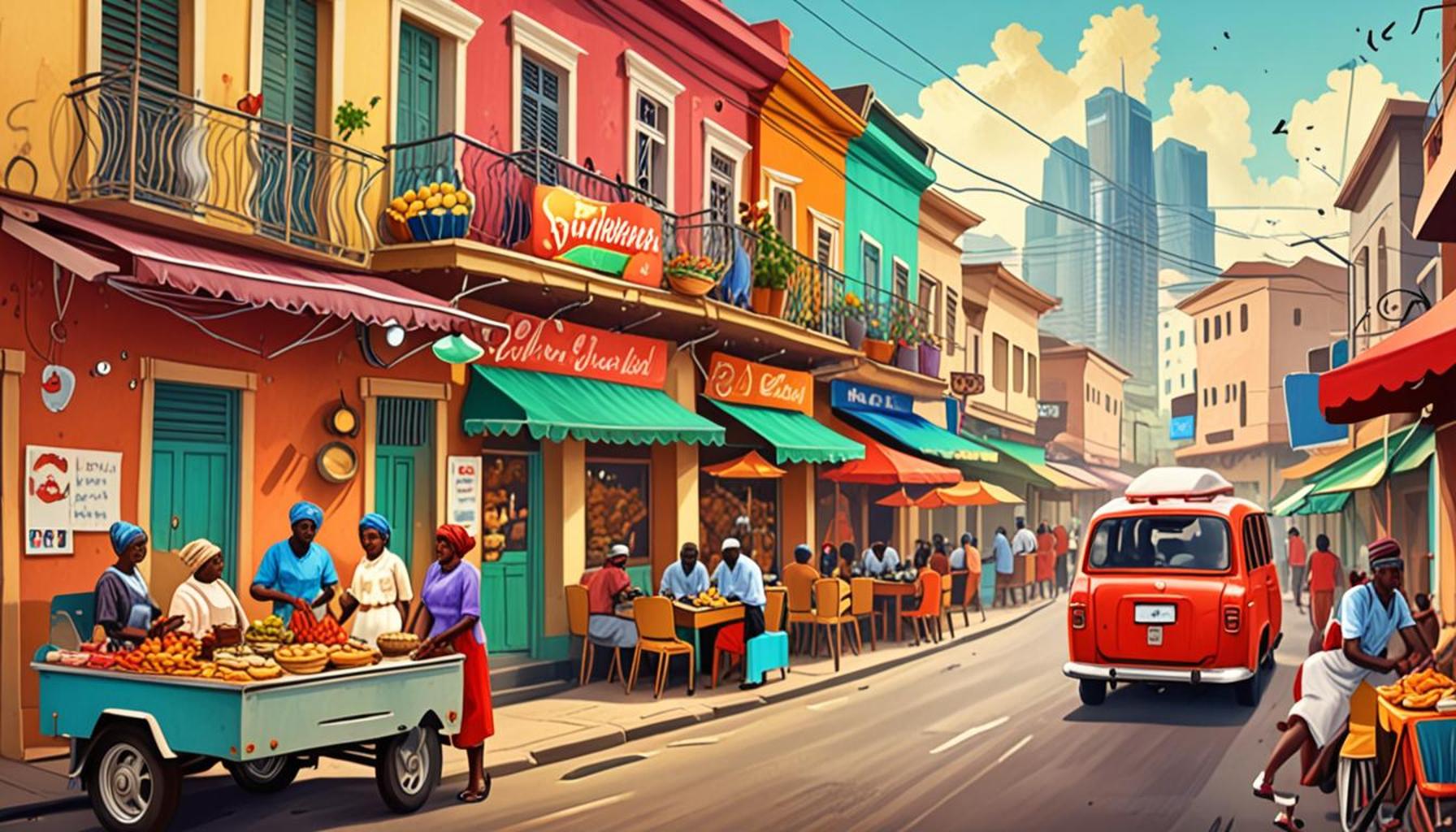
As you navigate West Africa’s bustling urban centers such as Lagos and Abuja, you will discover a melting pot of influences that have shaped Nigeria’s contemporary dining scene. Street food vendors line the roads, with offerings like Gala, a sausage roll that has become synonymous with quick meals on the go, especially for commuters. Paired with a chilled soft drink or the local favorite Zobo, which is a refreshing hibiscus tea, it exemplifies the blend of traditional flavors with modern-day convenience.
Moreover, the emergence of modern restaurants and culinary startups throughout these cities highlights a growing trend of traditional dishes being reinvented with an innovative twist. Consider Spaghetti Jollof, a fusion dish that brings the beloved Jollof rice essence into an Italian classic. The creative culinary minds are not only reinterpreting local ingredients but also catering to the evolving tastes of a diverse and cosmopolitan audience.
Each culinary experience in Nigeria reflects the nation’s vast cultural heritage, enhanced by the personal stories behind every dish. From local markets where farmers proudly sell their fresh produce to family-run eateries that have stood the test of time, the flavors of Nigeria invite explorers to delve deeper into a gastronomic adventure that is both rich and enlightening.
CHECK OUT: Click here to explore more
Conclusion: A Culinary Journey of Discovery
In conclusion, Nigeria’s culinary landscape stands as a vibrant testament to the country’s rich cultural heritage. From the aromatic spices of Jollof Rice in the East to the bustling street food scene in the urban heart of Lagos and Abuja, each region offers unique flavors and traditions that tantalize the taste buds. The exploration of local cuisine unveils a treasure trove of dishes, such as Akara and Chin Chin, each imbued with stories of community and celebration.
The experience is not limited to just savoring meals; it is an immersive journey through history, culture, and identity. Whether it’s sipping on Ohu during lively festivals or enjoying a quick Gala on a bus ride home, each bite fosters a deeper connection to Nigeria’s diverse landscape. The rise of culinary innovation, showcasing dishes like Spaghetti Jollof, reflects how tradition continues to evolve, appealing to both locals and visitors alike.
As you embark on your own gastronomic adventure through Nigeria, remember that every meal carries the essence of its origin—a reflection of the people and the land. So, pack your appetite, engage with local communities, and allow their flavors to guide you toward a profound appreciation of Nigeria’s culinary artistry. In exploring local cuisine, you not only savor its taste but also partake in the rich narratives and vibrant culture that brings the dishes to life. Embrace the diversity, indulge in the flavors, and let Nigeria’s culinary journey unveil itself to you.