Exploring the Relationship between Music and Cultural Identity
A Deep Dive into Music and Cultural Identity
Music serves as a profound expression of human experience, intricately woven with threads of cultural identity. Throughout history, melodies have acted as vessels, carrying the stories, struggles, and celebrations of diverse communities. Understanding this relationship unveils how individual and collective identities are shaped and transformed.
Take folk music, for example. It represents regional traditions and stories that have remained largely unchanged over generations. Songs like “This Land Is Your Land” by Woody Guthrie resonate with themes of unity and belonging, capturing the essence of the American experience during the Great Depression. This genre not only preserves the history of communities but also acts as a reminder of their struggles and aspirations, linking the past with the present.
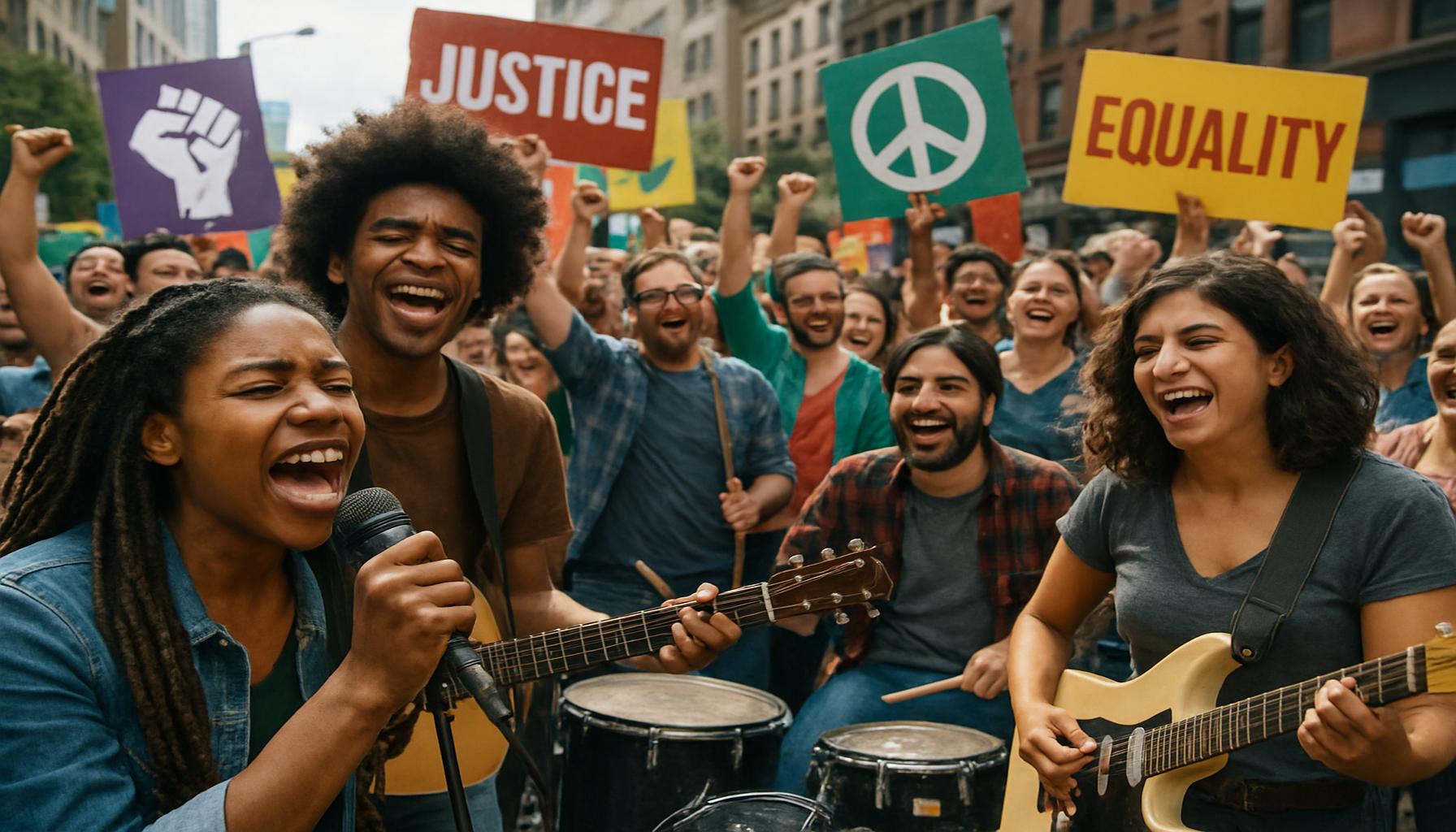
Similarly, hip-hop emerged as a powerful voice for marginalized groups, shedding light on societal issues through lyricism and beats. Artists like Kendrick Lamar and J. Cole use their platforms to discuss police brutality, systemic racism, and personal experiences of hardship. Through tracks like “Alright” and “The Pious,” hip-hop becomes more than just music; it transforms into a form of protest and a mechanism for self-identification that resonates deeply with listeners, reflecting the realities of urban life.
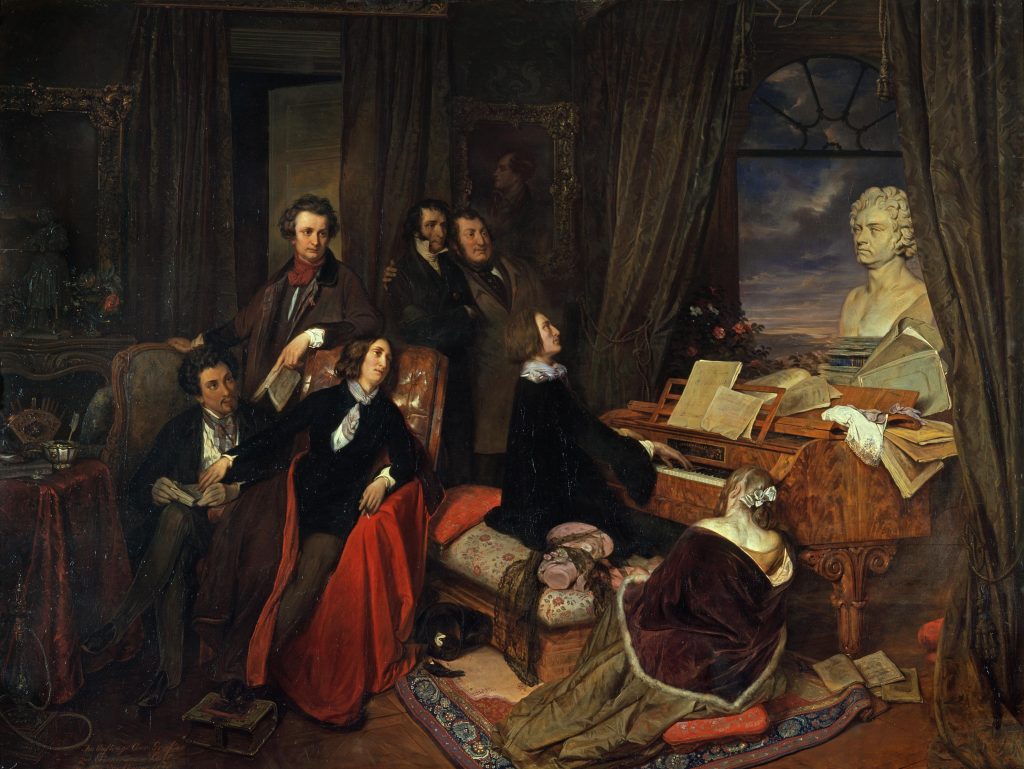
Classical music, often viewed as the pinnacle of artistic expression, embodies a nation’s artistic values while reflecting cultural heritage and innovation. Composers such as Aaron Copland have artfully included American themes in their compositions. His suite “Appalachian Spring” evokes imagery of the American frontier and evokes a sense of national pride, thereby influencing how culture is perceived both domestically and globally.
As we delve deeper, we can explore how various genres resonate with both social movements and personal narratives, revealing critical components such as:
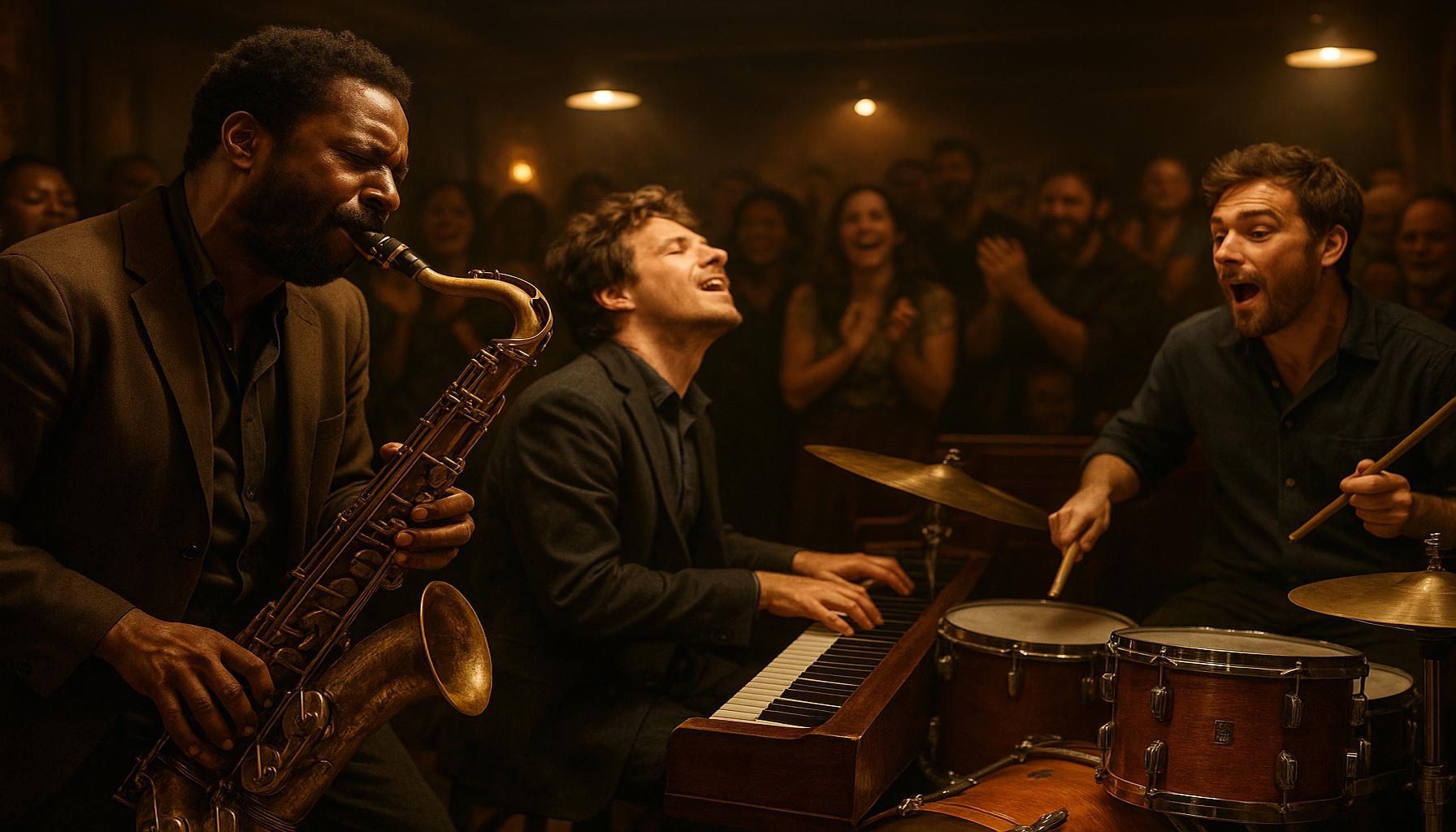
- Musical Styles: Different genres often reflect cultural backgrounds and influences. For instance, the fusion of jazz and blues reflects African American history and struggles, creating a unique musical identity.
- Cultural Exchanges: The impact of globalization has led to the blending of various styles, as evidenced by the emergence of reggaeton, which combines traditional Latin rhythms with hip-hop, appealing to a vast audience worldwide.
- Identity Formation: Music plays a pivotal role in how individuals affirm their cultural or social identity. For many LGBTQ+ artists, music becomes a medium through which they can express their lived experiences and advocate for acceptance.
Join us on this auditory journey, where we will dissect the symbiotic relationship between music and cultural identity. By examining various perspectives, we can gain insights into how melodies shape our understanding of who we are and how we connect with others. Through the lens of music, we can appreciate the rich tapestry of human experience and the diverse stories that resonate within our communities.
DISCOVER: Click here to learn how music can enhance your well-being
The Power of Musical Styles in Shaping Cultural Identity
Music, steeped in cultural significance, often acts as an emotional compass guiding individuals toward their roots and shared experiences. Each musical genre provides a unique lens through which listeners can understand not only their personal narratives but also the collective stories of their communities. The relationship between musical styles and cultural identity can be seen most vividly in genres like blues, country, and rock, each echoing geographical and historical contexts that shaped them.
The blues, for example, originated from African American communities in the Deep South and serves as a powerful reflection of their historical struggles and resilience. By combining elements of African musical traditions, the blues gave voice to the pain of oppression while simultaneously celebrating the richness of life. Artists such as B.B. King and Muddy Waters didn’t merely create music; they crafted soundscapes that offered insight into the African American experience, forever linking their identities to the genre. Today, blues continues to influence countless artists, solidifying its role in shaping cultural legacies.
As we traverse the landscape of country music, the genre emerges as a narrative vessel deeply rooted in the traditions and experiences of rural America. Artists like Johnny Cash and Dolly Parton have captured the rugged simplicity of the American lifestyle, enshrining stories of heartache, love, and the everyday struggles of working-class individuals. The instrumentation, often dominated by acoustic guitars and fiddles, parallels the agrarian rhythms of life in the southern states, making country music a hallmark of regional identity. This genre resonates profoundly with audiences who see their lives reflected in its lyrics, strengthening their bond to a shared heritage.
Rock music, on the other hand, epitomizes a young, rebellious spirit that emerged in post-war America, characterized by its dynamic energy and diverse influences. It serves as a fusion of multiple genres, drawing on blues, country, and jazz, while amplifying themes of rebellion and self-expression. Bands like The Rolling Stones and The Beach Boys not only pushed musical boundaries but also became icons of cultural movements, influencing fashion, politics, and societal norms. The evolution of rock music mirrors the shifting cultural landscape of America, intertwining with the narratives of changing identities across generations.
Beyond style and genre, the context of cultural exchanges through music cannot be overlooked. Rapid globalization and technological advancements have opened avenues for musical fusion, leading to new genres that transcend geographical limitations. Contemporary examples include the rise of reggaeton, which merges traditional Latin rhythms with influences from hip-hop and pop. Artists like Bad Bunny exemplify this phenomenon, achieving global recognition while remaining rooted in their cultural background. Such musical innovations encourage exploration and appreciation of diverse heritages, creating a mosaic of cultural identity in the process.
In examining these musical styles, we can identify several pivotal elements that contribute to the nuanced relationship between music and cultural identity:
- Historical Context: Understanding the origins of a genre offers insight into the collective experiences that shape its narrative.
- Personal Resonance: Individual listeners often connect with music that reflects their lived experiences, highlighting pathways of self-understanding.
- Social Change: Music can serve as a catalyst for community dialogue and activism, providing a collective outlet for expressing cultural identities.
As we continue to explore these connections, we will uncover how music not only reflects cultural identity but actively participates in its evolution, impacting how we see ourselves and the world around us.
| Advantage | Description |
|---|---|
| Cultural Preservation | Music serves as a vessel for transmitting cultural heritage, ensuring that traditions are passed down through generations. |
| Social Unity | Engaging with music fosters a sense of belonging and communal identity, helping to bridge diverse cultural backgrounds. |
Music’s connection to cultural identity is intricate and profound, allowing different communities to express their unique stories and shared experiences. The rhythm and melodies that accompany traditional dances or ceremonies are not just forms of entertainment; they are a means to convey profound messages about a group’s values. For instance, indigenous music often contains elements that narrate historical events, customs, and even environmental interactions, positioning it as a key component in cultural education.Additionally, contemporary genres like hip hop and reggae have emerged as powerful platforms for social commentary, reflecting the struggles and aspirations of specific cultural groups. This synthesis of music and identity not only highlights the creativity within diverse communities but encourages dialogue that can lead to social change. The synergy between music and cultural identity is not merely academic; it is a living phenomenon that invites listeners to explore the depths of human experience.
DISCOVER MORE: Click here to dive deeper
Embracing Diversity through Global Sounds
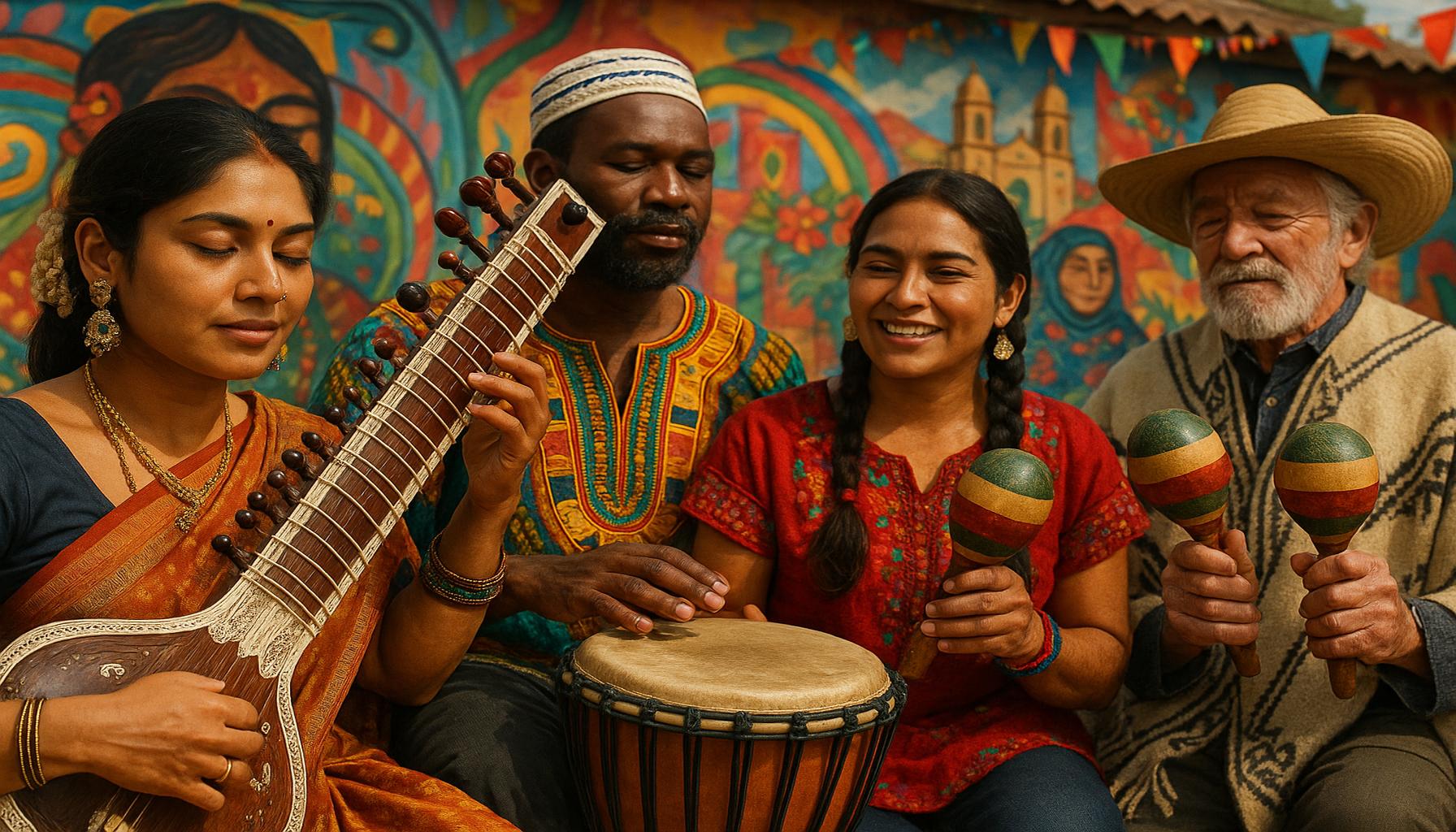
The exploration of cultural identity through music extends beyond the borders of individual genres; it encompasses a rich tapestry of global sounds that reflect the interconnections among diverse communities. As technology fosters unprecedented levels of communication, artists are increasingly incorporating various influences from around the world into their work. This blending of traditions is pivotal in shaping an evolving cultural identity, as it invites collaboration and understanding across different backgrounds.
World music serves as a prime example of this phenomenon. Incorporating musical styles and instruments from a multitude of cultures, world music highlights the universal nature of human expression. For instance, the intricate rhythms of Indian classical music have found their way into the works of artists like Ravi Shankar and his collaborations with musicians such as George Harrison of The Beatles. This fusion not only celebrates the uniqueness of different cultural traditions but also challenges the listener to reconceptualize their understanding of identity, encouraging a broader sense of belonging that transcends geographical confines.
In recent years, hip-hop has emerged as a powerful platform for highlighting cultural identities, particularly within urban environments. Originally rooted in the African American experience, hip-hop has expanded globally, weaving narratives that resonate with marginalized communities worldwide. Artists like Kendrick Lamar and Nicki Minaj draw from their personal histories to discuss issues such as race, inequality, and resilience, illuminating the complex layers of identity that influence their lives. This genre’s inherent diversity encourages listeners from different backgrounds to engage with and reflect on their unique cultural experiences, fostering a shared sense of understanding.
Furthermore, the role of local folk music cannot be understated when examining cultural identity. Traditional folk music represents the voice of a community and serves as a means to preserve linguistic and cultural heritage. Take, for instance, the music of the Native American tribes, where songs and chants resonate with historical significance, encapsulating ancestral tales and the spiritual connection to the land. The revitalization of such folk traditions, as seen in the work of contemporary artists like Rhiannon Giddens, not only seeks to preserve the past but also allows for reinvention, providing an avenue for young musicians to explore their heritage while sharing those narratives with a broader audience.
The impact of music on societal norms is another key aspect of cultural identity. As genres evolve and intersect, they often challenge existing cultural narratives, prompting listeners to reconsider their perspectives. The emergence of genres like k-pop illustrates a phenomenon where music becomes a cultural export, spreading Korean culture globally while simultaneously reshaping the identities of fans worldwide. The meticulous choreography and visually striking performances create an experience that resonates across different cultures, empowering fans to forge connections that might not have been possible otherwise.
- Mutual Understanding: The integration of diverse musical influences cultivates empathy and connection among listeners from disparate backgrounds.
- Preservation of Heritage: Traditional music forms serve as vital links to ancestry and cultural narratives, ensuring that these legacies are not lost over time.
- Challenging Norms: Genres that push cultural boundaries prompt discussions and reflection on societal values, contributing to evolving identities.
By embracing the multitude of global sounds and their influence on cultural identity, we gain insights into the rich fabric of our shared humanity and the intricate ways through which music acts as a conduit for personal and collective expression.
DIVE DEEPER: Click here to learn how to craft unforgettable characters
Conclusion: The Harmonious Intersection of Music and Cultural Identity
In conclusion, the intricate relationship between music and cultural identity serves as a powerful reflection of our shared human experience. As we have explored, music is not merely an art form—it is a living archive of cultural heritage, societal narratives, and individual stories. By embracing the profound connections offered by music, we can better understand the diverse backgrounds that shape our perspectives and foster a deeper appreciation for each other’s journeys.
The blending of musical genres and the incorporation of global influences illustrate the dynamism of cultural identity in an increasingly interconnected world. From the cross-genre fusion seen in modern collaborations to the resurgent interest in traditional folk forms, music remains a guide that navigates us through the complexities of identity formation. It encourages us to not only cherish our roots but to also celebrate the diversity that surrounds us.
Moreover, as music continues to evolve, it challenges societal norms, prompting listeners to engage in meaningful dialogue about their cultural contexts and identities. This ongoing exploration underscores the importance of empathy and mutual understanding in promoting social cohesion and acceptance.
Ultimately, as we delve further into the rich tapestry of sounds and stories that shape our cultural landscapes, we unlock the potential for greater connections with one another. Music, in its unique capacity, becomes a bridge that transcends borders and fosters an inclusive environment where cultural identities can thrive. This vibrant interplay between music and identity not only enriches our own lives but also contributes significantly to the global narrative of humanity.