Festival Flavors: A Culinary Journey Through Nigeria’s Celebrations and Traditional Foods
Discovering Nigeria’s Rich Culinary Heritage
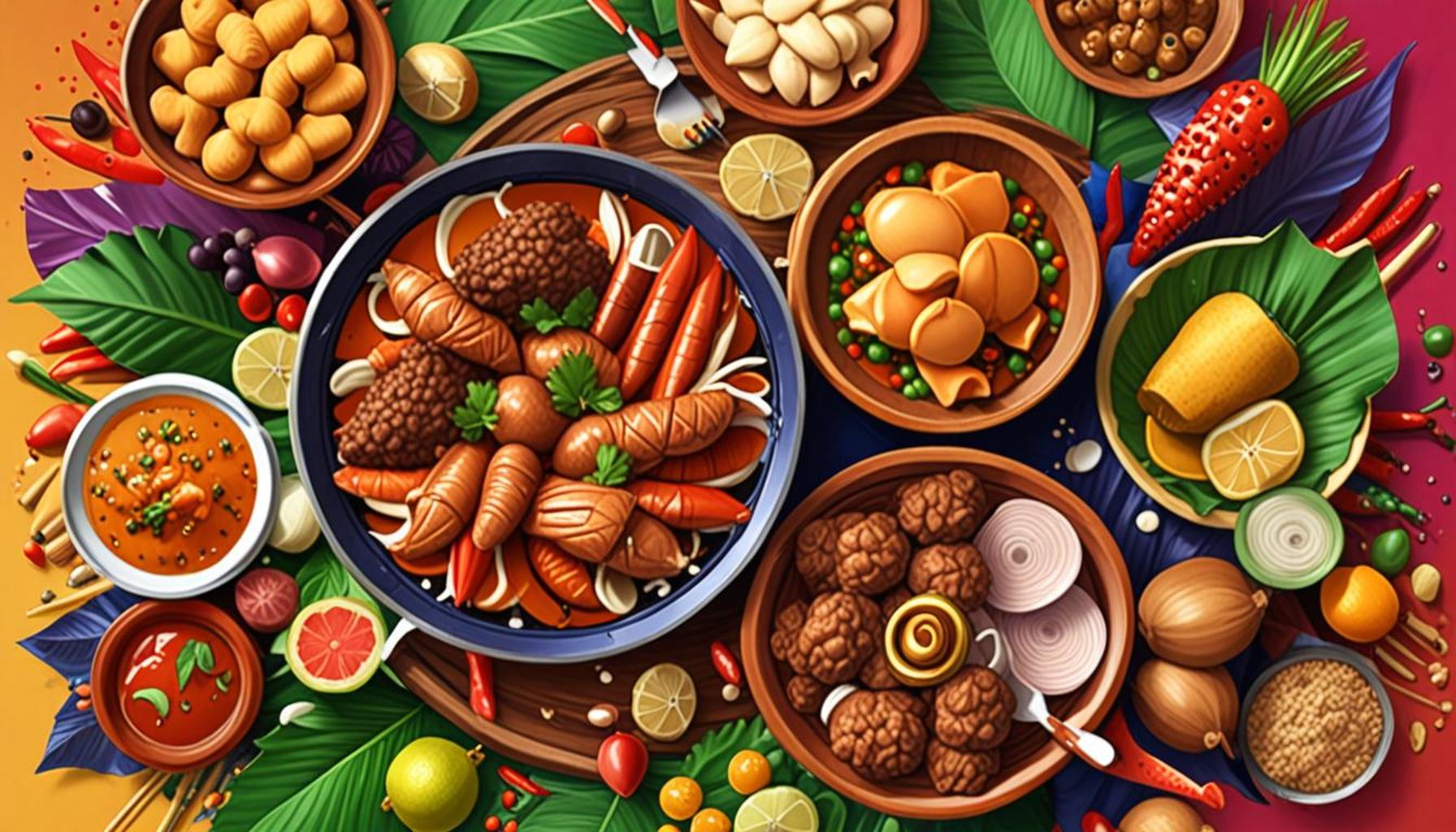
Nigeria, a vibrant tapestry of cultures and traditions, offers a culinary journey like no other. From the bustling streets of Lagos to the serene villages of the North, food plays a pivotal role in celebrations and festivals. Each region brings its unique flavors and dishes, showcasing the diversity that Nigeria is known for. Culinary practices are a reflection of the various ethnic groups, each contributing their spices, ingredients, and cooking techniques that have evolved over generations.
Key Celebrations and Their Flavors
Festivals in Nigeria are not just about music and dance; they are also deeply intertwined with the country’s culinary practices. Here are some notable events and their signature dishes that define their spirit:
- Oshun-Osogbo Festival: Celebrated in Osun State, this festival honors the river goddess Oshun. Local cuisine here is a delight, with traditional dishes such as amala (a smooth, starchy dish made from yam flour) and ewedu (a nutritious dish made from jute leaves) taking center stage. The communal sharing of meals during this festival emphasizes solidarity and respect for tradition.
- Eid al-Fitr: Following the month-long fast of Ramadan, Muslims in Nigeria come together to celebrate with an array of rich dishes. Jollof rice, a beloved one-pot dish prepared with tomatoes, peppers, and spices, is often the star of the feast. Suya, grilled skewers of spicy meat seasoned with a blend of spices, are also a favorite, showcasing the country’s love for bold flavors.
- Durbar Festival: This grand celebration marks the end of Ramadan and showcases a procession of horses and riders dressed in regal attire. Amidst the grandeur, the festival features a feast of delectable dishes, such as kebabs, succulent skewers of marinated meat, and poff-poff, fluffy fried dough balls that are a sweet delight. Culinary experiences during Durbar reflect the rich cultural heritage of northern Nigeria.
Each of these festivals provides a unique opportunity to explore traditional Nigerian foods. The flavors encountered during these occasions not only satisfy the palate but also tell a story of heritage, community, and joy. Attending these festivities allows both locals and visitors to appreciate the deep-rooted cultural significance of these dishes.
The Importance of Traditional Foods
Traditional foods connect generations, offering a taste of history and cultural identity. They are often prepared using age-old recipes passed down through families, imbuing each meal with a sense of nostalgia and pride. By sampling these flavors, one can experience the rich narratives behind Nigeria’s celebrations and the collective memories they invoke.
Furthermore, these culinary traditions are becoming increasingly important as globalization influences eating habits. Many Nigerians are now rediscovering their roots through food, taking pride in regional cuisines such as ofada rice from the South West or banga soup from the Niger Delta region. Festivals not only celebrate this culinary diversity but also serve as a reminder of the stories that uniquely define Nigeria’s cultural landscape.
Food, thus, is not merely sustenance in Nigeria; it is a vital thread woven into the fabric of community life, deserving exploration and celebration.
ADDITIONAL INSIGHTS: Expand your understanding here
Exploring the Gastronomic Wonders of Nigerian Festivals
Nigeria’s festivals serve as a canvas where local cuisines paint vibrant narratives of culture, history, and communal spirit. Each celebration is a brilliant amalgamation of unique flavors, carefully curated dishes, and time-honored recipes that showcase the country’s rich culinary diversity. Understanding the integral role of food in these festivities not only piques interest but also fosters a deeper appreciation for Nigeria’s cultural tapestry.
Regional Delicacies That Define Celebrations
The wide-ranging ethnic groups in Nigeria have curated an exceptional portfolio of traditional dishes that have become synonymous with their respective festivities. The following highlights emphasize some of the most notable regional delicacies associated with key celebrations:
- New Yam Festival: Celebrated predominantly in the southeastern part of Nigeria, the New Yam Festival signifies the beginning of the harvest season. It is celebrated with an array of dishes featuring young yams, which are often boiled or roasted and served with ofe nsala (white soup) or bitter leaf soup. This festival embodies gratitude to the earth for its bounty and is a time for family reunions and community gatherings, where food takes center stage.
- Christmas Festivities: Christmas in Nigeria is ushered in with a spectacular culinary spread. Families prepare a blend of classic and modern dishes, including fried rice, peppered chicken, and the much-anticipated chin chin, a crispy snack that delights both young and old. The holidays emphasize a spirit of giving and sharing—food becomes a medium for expressing love and joy among friends and family.
- Ijaw Festival: The Ijaw ethnic group celebrates their culture with the Ogbia Festival, which highlights the significance of fishing and the river. Dishes such as peppered fish and banga soup serve to narrate the connection of the Ijaw people to the water. This celebration emphasizes not only culinary tradition but also the environmental awareness that sustains their heritage.
These regional delicacies reflect the rich agricultural heritage of their areas, showcasing ingredients that are locally sourced and steeped in tradition. They weave a rich narrative not only about food but about everything from social bonding to historical events. Participating in these gatherings enables both participants and onlookers to engage in a tasting experience that is as much about history as it is about nourishment.
The Role of Music and Food in Festivals
Food in Nigerian festivals is often accompanied by music—it is a form of celebration in itself. Soaking in the atmosphere of vibrant performances and joyous melodies, one can understand how the interplay of food and music contributes to the essence of these events. The aroma of grilled meats, rich soups, and spiced rice wafts through the air, inviting festival-goers to indulge in their culinary heritage. In many cases, food stalls lineup along streets, creating a festive marketplace filled with laughter, flavors, and togetherness.
This rich blend of culinary and cultural experiences highlights why Nigerian festivals are not merely events but essential gatherings that bring people together. As you venture deeper into the cuisines associated with these celebrations, you’ll uncover a world of flavors that tell profound stories of survival, pride, and connection.
Exploring Nigeria’s Diverse Culinary Celebrations
Nigeria’s rich tapestry of culture and tradition is intricately woven with vibrant celebrations where food plays a central role. Each region boasts its unique culinary delights that not only tantalize the taste buds but also tell stories of heritage and community. Festivals such as the Osun-Osogbo, the New Yam Festival, and the Eyo Festival are replete with various traditional dishes that showcase both local ingredients and ancestral cooking techniques.At the heart of these festivities lies Jollof rice, a crowd favorite that varies in flavor and preparation methods from one locale to another. This iconic dish, typically made with tomatoes, onions, and a unique blend of spices, symbolizes unity, as it is often served in large communal pots. Whether it’s at a wedding, a harvest festival, or a family gathering, Jollof rice is a must-have, enhancing the spirit of celebration.Moreover, the blend of traditional soups and stews adds an exciting dimension to these culinary celebrations. Dishes like Egusi soup, made from ground melon seeds, and Ogbono soup, which features wild mango seeds, showcase Nigeria’s agricultural bounty. These soups are often accompanied by various swallow options like Fufu or Amala, highlighting how food can bridge generations and strengthen familial ties during festivities.The significance of traditional snacks during festivals cannot be overlooked either. Treats like Puff Puff and Samosas are popular and often serve as casual offerings that reflect the warmth of hospitality. Each bite of these delicacies encapsulates the joy and vibrancy of Nigeria’s festivals, enticing visitors and locals alike to indulge in these flavorful experiences.To fully appreciate the culinary journey through Nigeria, it’s essential to embrace the communal nature of these celebrations, where food is more than mere sustenance; it is a vital expression of identity, culture, and togetherness. Each dish tells a story of resilience, creativity, and the profound connection that binds people together. Culinary enthusiasts and adventurous eaters are encouraged to partake in these festivities, not just to taste the food but to experience the joyous spirit that accompanies it.
| Advantages | Description |
|---|---|
| Cultural Significance | Each dish represents a significant aspect of Nigerian culture and heritage. |
| Communal Experience | Food serves as a medium, fostering community bonds and connections during celebrations. |
As you delve deeper into the flavors and textures of Nigeria’s traditional foods, allow yourself to be enchanted by the stories they tell. This culinary journey is not just about eating; it’s about celebrating and preserving a rich cultural landscape that is vibrant and full of life.
LEARN MORE: This related article may interest you
Festive Traditions and Culinary Techniques
In addition to the diverse dishes that characterize Nigeria’s celebrations, the preparation methods and cultural traditions surrounding these foods play a vital role in elevating the festival experience. Many traditional dishes are prepared using age-old techniques passed down through generations, often incorporating communal cooking practices that enhance the spirit of togetherness and cooperation.
Culinary Rituals that Bring Communities Together
Many festivals feature specific cooking rituals that are integral to the celebration. For instance, during the Eid al-Adha celebrations observed by the Muslim community, the ritual of animal sacrifice is followed by a communal feast. The slaughtered meat is savored in dishes like jollof rice or suya, a spicy kebab, and is often shared among family and friends, emblematic of generosity and community solidarity.
Similarly, the Oro Festival among the Yoruba people showcases a unique culinary practice. During this time, yam porridge known as amsa is prepared from freshly harvested yams. The meal is often accompanied by traditional chants and songs that celebrate the significance of the harvest, reinforcing the connection between food and cultural identity.
- The Importance of Local Ingredients: In Nigerian festivals, local ingredients take precedence, emphasizing the concept of farm-to-table dining. Ingredients such as palm oil, cassava, and groundnuts play a central role, showcasing the organic nature of the food and its ties to the land. For example, pounded yam made with yams grown in local farms is a staple during celebrations, highlighting both the agricultural practices and the flavors intrinsic to the region.
- Cooking as a Community Event: Cooking at festivals is a communal affair. Families and neighbors come together to prepare feasts, sharing recipes, stories, and laughter. The procedures vary widely, from steaming, boiling, grilling, and frying to elaborate displays of grilling on open flames. This collaboration not only enhances the culinary experience but also reinforces social bonds.
Festivals and the Exploration of New Flavors
Nigeria’s festivals also provide an excellent opportunity for culinary exploration beyond traditional dishes. In recent years, fusion foods have emerged, combining local flavors with international influences. For instance, jollof rice cocktails and chin chin desserts reflect a modern twist on conventional recipes and have become quite popular during celebrations, showcasing the evolving nature of Nigerian cuisine.
Additionally, there are cooking competitions held during various festivals, such as the Jollof Festival, which not only highlight the culinary rivalries among different states but also encourage innovation in traditional cooking methods. These events serve as a platform for chefs to display their creativity while honoring classic flavors, promoting a sense of discovery among festival-goers.
As you navigate the intricate web of Nigerian festivals and their culinary offerings, you uncover a world that is infinitely diverse and deeply interconnected through food. Each festival invites you to savor unique dishes while immersing in the culture, forging connections among diverse ethnic groups across the country through shared meals and memorable tastes.
ADDITIONAL INSIGHTS: Expand your understanding here
Embracing Culinary Diversity Through Festivals
In conclusion, Nigeria’s vibrant festivals offer a rich tapestry of culinary delights that reflect the country’s diverse cultures and traditions. These celebrations go beyond just food; they embody the essence of community, heritage, and shared experiences. The intricate techniques and preparation methods passed down through generations not only preserve the flavors of Nigeria but also foster a sense of belonging and connection among participants.
The undeniable importance of local ingredients in festival dishes underscores the country’s agricultural richness and commitment to sustainability. From sumptuous jollof rice served during family gatherings to the celebratory amsa at the Oro Festival, each dish tells a story that transcends time and borders. Moreover, the integration of modern twists and innovative culinary competitions showcases the evolution of Nigerian cuisine, allowing chefs to explore new flavors while honoring traditional roots.
As festival-goers indulge in the captivating tastes of their heritage, they engage in a celebration of identity and community spirit. This culinary journey through Nigeria’s festivals illuminates not only the importance of food in cultural expression but also the potential for culinary fusion and creativity. So, the next time you partake in these festivities, remember that each bite is a reflection of the rich narratives that unite Nigerians from all walks of life, inviting one and all to join in this delicious heritage.