Flavors of Abuja: Discovering Street Food and Local Markets
Abuja, often celebrated for its remarkable blend of modernity and tradition, is a city where culinary heritage thrives. Its vibrant street food scene reflects not just the diverse cultures of Nigeria but also tells the stories of its people through flavors and recipes passed down through generations. For residents and tourists alike, indulging in the local delicacies available on the streets offers a sensory journey filled with aromas, textures, and tastes that define Abuja’s essence.
Top Street Foods to Try
- Puff Puff: Light and airy, these dough balls are deep-fried to a golden brown and often enjoyed as a sweet treat. Whether as a quick snack or a party favorite, puff puff is easily found at roadside vendors and food markets alike, accompanied by a sprinkle of sugar or served with a spicy dip for an adventurous twist.
- Suya: This iconic street food consists of skewered and grilled spicy meat, typically beef or chicken, marinated in a blend of ground peanuts, spices, and pepper. Often served with onions and cabbage, suya is more than a meal; it’s a cultural staple, reflecting the vibrant Igbo and Hausa influences in Nigerian cuisine. Enjoying suya from a local vendor as the sun sets is an experience not to be missed.
- Boli: Grilled plantains cooked over an open flame yield a smoky flavor that pairs perfectly with spicy pepper sauce or groundnut (peanut) sauce. This simple yet delightful dish epitomizes the rustic charm of Abuja’s street food, providing a satisfying snack that’s both filling and nutritious.
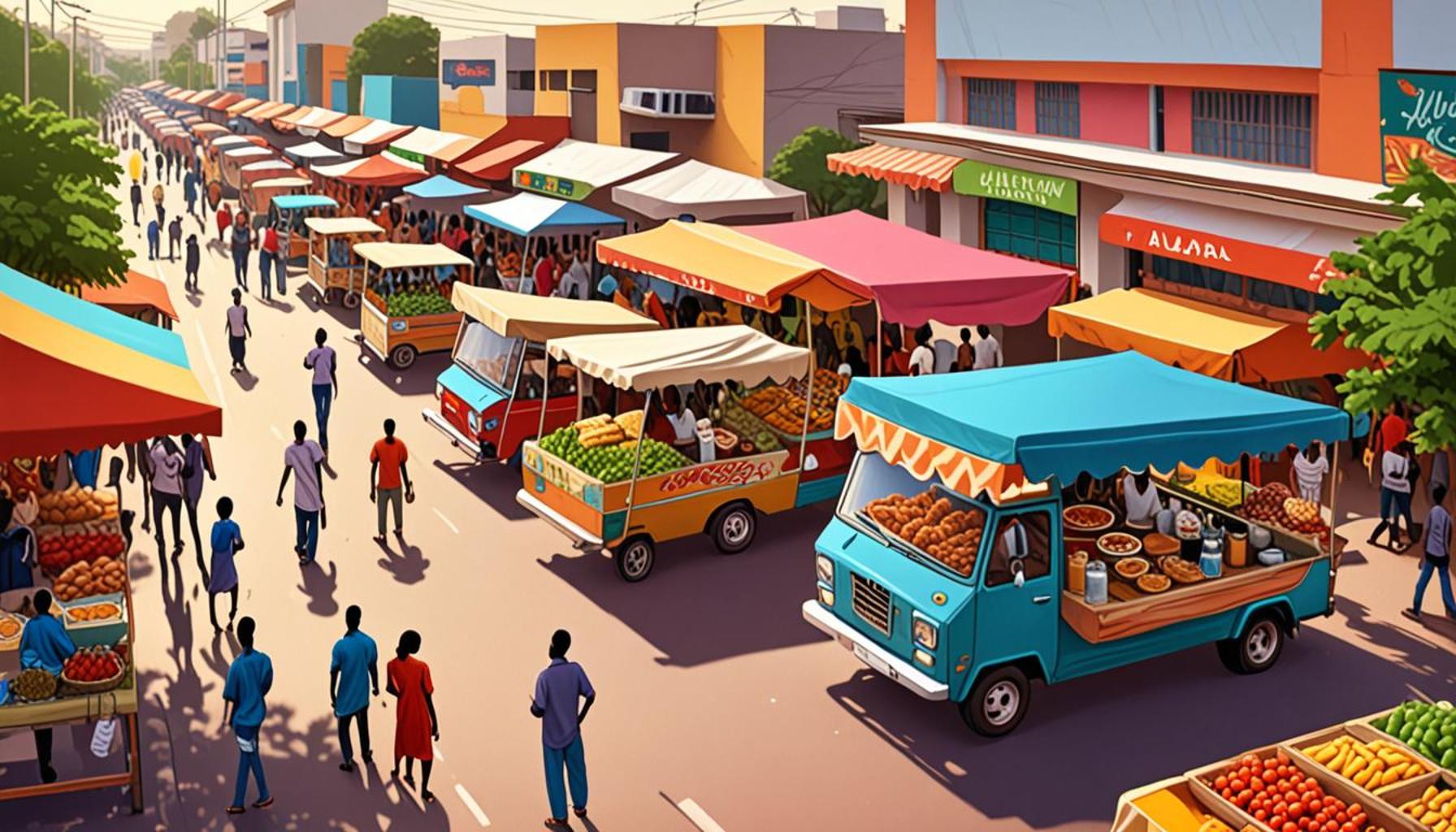
Markets like Jabi Market and Wuse Market serve as the pulse of culinary exploration in Abuja. These vibrant hubs are rich with the vibrant colors of fresh produce, spices, and other local specialties. Walking through the aisles, visitors can experience the lively exchange between buyers and sellers, while savoring the enticing scents of grilled street food wafting through the air. These markets are not only crucial for food shopping but are also platforms for cultural exchange and community engagement.
Why Local Markets Matter
- Support for local farmers and artisans: By purchasing products from these markets, consumers contribute directly to the livelihood of local growers and craftsmen, ensuring the preservation of traditional farming and cooking techniques.
- A place to discover traditional dishes: Markets in Abuja are great spots to find unique, often family-owned recipes that showcase the culinary diversity of Nigeria, including specialty dishes you might not find in restaurants.
- An opportunity to engage with the Abuja community: Beyond shopping for food, markets foster a sense of community, where interactions with vendors offer insights into the local culture and customs.
Immerse yourself in the flavors of Abuja and embark on a culinary adventure that reflects the heartbeat of this vibrant city. As you navigate through markets and taste the street food, you will uncover stories of resilience, culture, and tradition, making each bite a significant part of the larger narrative of Abuja. Your exploration promises not only to tantalize your taste buds but also to enrich your understanding of Nigeria’s rich culinary landscape.
ADDITIONAL INSIGHTS: Expand your understanding here
Vibrant Street Food Scene
In the heart of Abuja, the street food scene offers an enticing array of dishes that celebrate the city’s rich culinary heritage. At every corner, vendors serve up meals that merge tradition with innovation, ensuring that every bite is packed with flavor. The combination of fresh ingredients, time-honored recipes, and the lively atmosphere of street-side dining creates an experience that captivates both residents and visitors alike.
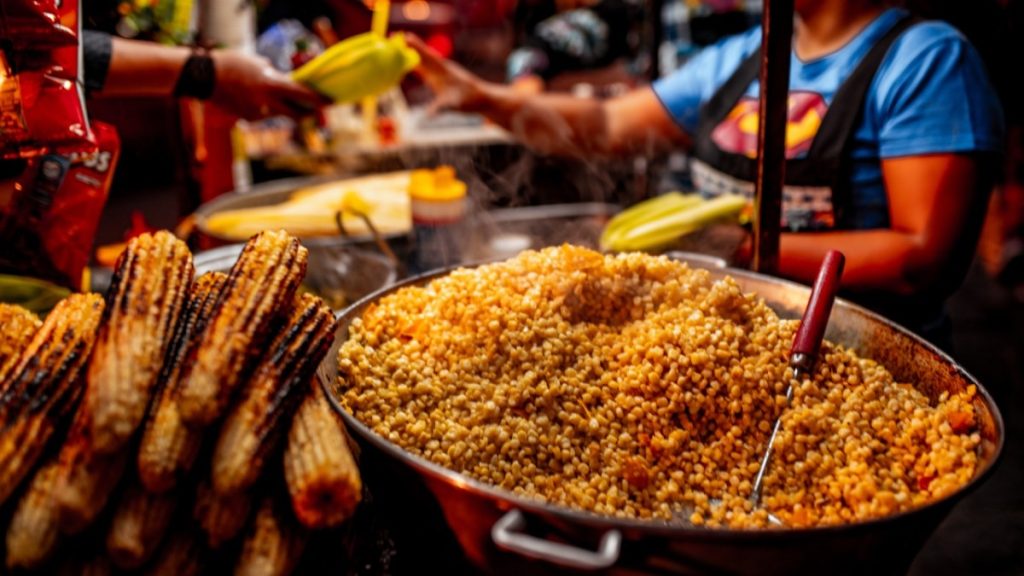
As you stroll through the bustling streets, the enticing aroma of freshly prepared food greets you, enticing you to stop and explore. The sounds of sizzling grills and the chatter of satisfied customers create a soundtrack echoing the vibrant culture of Abuja. Here are some must-try street foods that embody the quintessential flavors of the city:
Signature Dishes to Savor
- Moi Moi: A staple in Nigerian cuisine, this steamed bean pudding is made from blended black-eyed peas, peppers, and spices. Often served as a side dish or on its own, moi moi is rich in flavor and nutrients, making it a favorite among locals. Variations may include fillings of boiled eggs or fish, adding to its appeal.
- Gari and Efo Riro: A traditional dish that showcases the use of cassava in Nigerian cooking, gari is often served with efo riro, a rich vegetable soup made with spinach or other leafy greens. The combination provides a satisfying and nutritious meal that reflects the culinary diversity of Abuja.
- Kuli Kuli: This crunchy peanut snack is made from ground peanuts that have been fried into small, savory bites. Often enjoyed on the go, kuli kuli serves as both a snack and a delicious accompaniment to various meals, embodying the innovative spirit of Nigerian street food.
To experience these dishes authentically, seek out local vendors in neighborhoods like Gwarimpa and Jabi. Here, the rich flavors of the city come to life through recipes handed down through generations, ensuring that each vendor has its unique twist on classic favorites.
Exploring Local Markets
Beyond street corners and food stalls, local markets such as Wuse Market and Garki Market serve as a testament to Abuja’s vibrant culinary landscape. These bustling hubs are a treasure trove of fresh produce, spices, and local ingredients, inviting visitors to embark on a sensory journey. The vibrant colors of fruits and vegetables blend with the aroma of spices and grilled meats, creating a feast for the senses.
Shopping at these markets not only reveals the city’s diversity but also immerses you in the daily lives of its residents. Vendors often share stories about their products, offering valuable insights into the local culture and cooking practices. Engaging with them fosters a deeper appreciation for the dishes you’re about to taste and enhances your culinary adventure.
As you navigate through the market’s aisles, you may discover unique ingredients, such as different varieties of indigenous spices or local fish, revealing the secrets behind the beloved dishes of Abuja. Each market visit becomes an opportunity to learn about the region’s culinary roots while supporting local farmers and artisans.
Indulging in the flavors of Abuja through its street food and local markets not only satisfies your palate but also unravels the rich tapestry of culture and tradition that defines this dynamic city. Whether you’re an adventurous eater or a curious traveler, Abuja’s culinary landscape promises to delight and inspire.
Exploring the Rich Tapestry of Street Food
In the bustling streets of Abuja, the air is infused with a medley of enticing aromas from various food stalls that reveal the city’s vibrant culture. Street food in Abuja is not merely a meal; it is a culinary adventure that invites both locals and visitors to indulge in flavorful experiences. From the spicy suya to the savory puff-puff, each bite tells a story and showcases the unique blend of flavors that characterize Nigerian cuisine. It’s a perfect way for food enthusiasts to connect with the local culture while enjoying delightful dishes made with authentic ingredients.
Local Markets: A Feast for the Senses
Visiting the local markets is a must for anyone looking to understand the heart of Abuja. Markets like Wuse Market or Garki Market are alive with the sounds of bargaining and the vibrant colors of fresh produce and spices. Here, visitors are not only able to shop for fresh ingredients but also sample local specialties. The experience of walking through crowded stalls brimming with fresh fruits, vegetables, and herbs creates a kaleidoscopic view of the local community. In these markets, food becomes a medium for storytelling, capturing the essence of tradition and the spirit of the people.
| Advantages | Experience |
|---|---|
| Culinary Diversity | Discover a wide range of local dishes that highlight Abuja’s culinary heritage. |
| Cultural Immersion | Engage with local vendors and fellow food lovers, creating unforgettable memories. |
Whether you are a food connoisseur or just someone looking to expand your palate, Abuja’s street food and local markets offer countless opportunities for exploration. From the flavors that dance on your tongue to the stories waiting to be shared, each experience promises a deeper appreciation of this vibrant city.
SEE ALSO: Click here to read another article
Unique Culinary Experiences
In addition to savoring the myriad of street food delights, Abuja offers unique culinary experiences that immerse visitors in the city’s gastronomic culture. One such experience is the traditional suya stands scattered around the city. These spicy, grilled skewers of marinated meat are a beloved choice for both locals and tourists. Often seasoned with a blend of spices, including ground peanuts and chili, suya is typically served with slices of onions, tomatoes, and spicy pepper sauce, providing a delicious kick that tantalizes the taste buds.
Moreover, for those looking to delve deeper into the culinary arts of Abuja, several cooking classes and food tours have emerged in response to the growing interest in Nigerian cuisine. Participating in a cooking class allows attendees to learn about key ingredients and techniques used in preparing authentic dishes like jollof rice and pepper soup. Jollof rice, a pride dish often enjoyed at celebrations, is a fragrant one-pot dish made with rice, tomatoes, and a unique blend of spices, each region boasting its own interpretation of this culinary classic.
Markets as Cultural Hubs
Markets like Karshi Market and Jabi Lake Mall’s Food Court provide a different perspective on the local culinary heritage. These markets not only sell food but also serve as vibrant social spaces where families and friends gather. In Karshi Market, you’ll find vendors displaying an assortment of dried fish, fresh vegetables, and local grains. It’s the ideal place to experience the community dynamics while shopping for ingredients to take back home.
Jabi Lake Mall’s Food Court showcases a modern twist on traditional dishes. While vendors offer familiar favorites, some local restaurants have fused international flavors with Nigerian staples, creating innovative dishes that surprise the palate. This blend of culinary traditions exemplifies how Abuja is embracing globalization while remaining rooted in its vibrant food culture.
Sweet Treats and Refreshments
No exploration of Abuja’s flavors would be complete without indulging in local sweets and refreshments. The popular chin chin, a fried dough snack that comes in various shapes and sizes, offers a perfect crunch. Often served at special occasions, it’s a delightful snack to munch on while walking through the streets. Then there’s the refreshing zobo, a hibiscus flower drink that is both invigorating and slightly tangy. Frequently enjoyed cold, zobo is often sweetened with sugar and flavored with ginger or mint, making it a popular choice on hot days.
More unique than the beverages and desserts are the traditional snacks found in various food joints. The akata, a deep-fried bean cake made from black-eyed peas, serves as a popular breakfast dish and pairs well with spicy red pepper sauce. It is a source of local pride and showcases the resourcefulness of Nigerian cuisine in utilizing available ingredients.
A day spent in Abuja’s markets and street food venues not only enlightens you about the city’s culinary heritage but also connects you with its people. The vibrant interactions, the shared laughter over a spicy plate of suya, and the stories woven through every dish serve to enrich your understanding of this dynamic city’s unique culture. Each meal you savor tells a story, bringing the flavors of Abuja alive in unforgettable ways.
YOU MAY ALSO LIKE: Read read another article
Conclusion: A Culinary Journey Awaiting Discovery
As our exploration of Abuja’s street food and local markets comes to a close, it becomes evident that the city offers a rich tapestry of flavors waiting to be uncovered. From the sizzling aroma of suya being grilled to perfection at corner stands to the fresh produce lining the vibrant stalls of Karshi Market, each culinary experience not only fills the stomach but also nourishes the spirit of connection between people and culture. The fusion of traditional and contemporary dining options, such as those found at the Jabi Lake Mall’s Food Court, illustrates the dynamic evolution of Nigerian cuisine, celebrating both heritage and innovation.
The charming allure of Abuja’s food scene extends beyond simple meals; it encompasses the stories and memories shared around each dish. Whether indulging in the deep-fried goodness of akata for breakfast or sipping on refreshing zobo on a hot afternoon, visitors are invited to engage with the local food culture in meaningful ways. As you walk through bustling markets and street-side eateries, consider joining a cooking class or food tour that can deepen your appreciation for the flavors you encounter.
In essence, Abuja’s culinary landscape is a reflection of its people — diverse, vibrant, and welcoming. Exploring the city through its food offers not just a taste experience but a journey filled with warmth and hospitality. So, whether you are a resident or a visitor, take the time to savor the flavors of Abuja. Each bite is an invitation to discover the heart of Nigeria’s capital, where every meal tells an unforgettable story.