
Flavors of Nigeria: A Cultural Gastronomic Itinerary for Travelers
The Tapestry of Tastes and Traditions
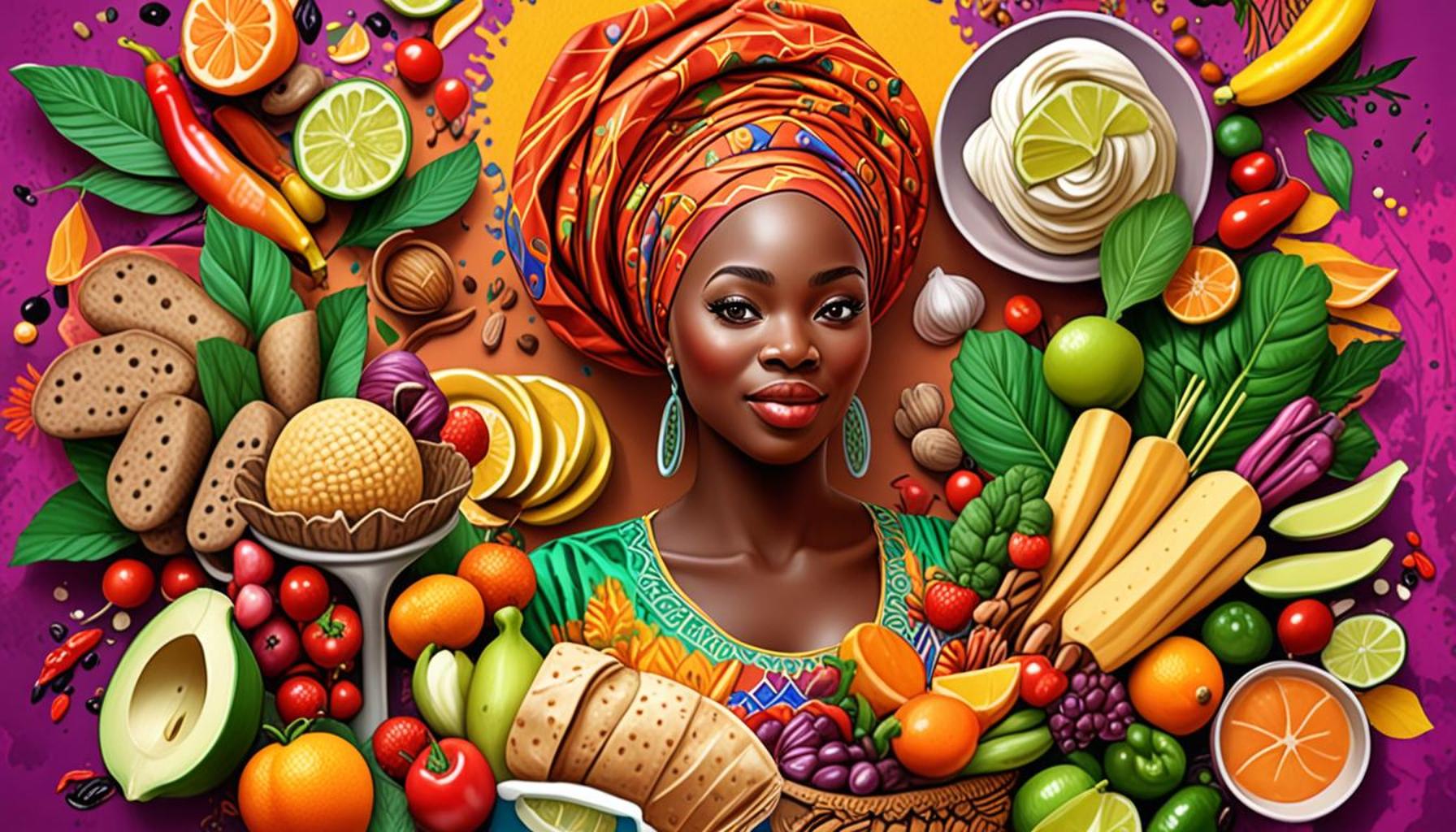
Nigeria’s culinary scene is not just about food; it is a vibrant celebration of traditions, histories, and regional nuances. With over 250 ethnic groups, each boasting its unique culinary customs, the country’s gastronomy is a sensory journey waiting to be explored. From the bustling streets of Lagos to the serene beauty of the North, the flavors you encounter narrate tales of the land and its people.
In markets teeming with colorful produce, vendors showcase everything from spicy pepper blends to rich spices that are staples in many Nigerian kitchens. Travelers and locals alike often find themselves ensnared by the enticing aromas that waft through the air, promising a taste of regional specialties crafted from recipes passed down through generations.
- The southwest’s efo riro, a thick spinach stew rich with the blend of ingredients like palm oil and assorted meats, reflects the agrarian roots of the Yoruba people.
- In the southeastern regions, ukwa, often called African breadfruit, is a versatile dish that can be served fresh, boiled, or fried, showcasing both creativity and resourcefulness in cooking.
- The northern part of Nigeria offers dishes like kilishi—a spiced dehydrated meat that carries the ancient Islamic culinary influence, making it a favorite snack during long journeys.
Street food represents the soul of Nigerian gastronomy. Suya, grilled skewered meat coated in a spicy pepper sauce, captures the essence of communal eating and is a perfect introduction to the country’s street-side delights. Markets come alive with vendors selling boli, roasted plantains served with spicy pepper sauce, and fried yam and egg sauce, often enjoyed as a quick breakfast for busy locals.
As you navigate through Nigeria’s food scene, indulging in these flavors is not only about satisfying hunger but also about embracing the rich stories surrounding each dish. Whether it’s the festive atmosphere when sharing a plate of jollof rice or the hearty nature of a shared meal of pounded yam and egusi soup, the experience is a unique window into the heart of Nigerian culture.
Prepare for an unforgettable gastronomic itinerary that stretches beyond taste alone. Every bite invites you into the deep-rooted heritage of Nigeria, encouraging you to savor each moment and discover the diverse flavors that make this country a true culinary treasure.

LEARN MORE: This related article may interest you
Rediscovering Traditional Flavors
As you embark on your journey through Nigeria, it’s vital to focus on the traditional flavors that serve as the backbone of its culinary identity. Each dish tells a story, steeped in history, and is often linked to significant cultural practices—be it a festival, a rite of passage, or communal gatherings. Ready your palate for a truly immersive experience where flavors are deeply intertwined with the nation’s diverse heritage.
One of the more prominent dishes hailing from the northern region is jollof rice. This iconic Nigerian dish, often debated among West African nations for its origin, is a must-try for any traveler. Featuring rice cooked in a vibrant tomato sauce infused with spices, it often garnishes celebrations and is served as a centerpiece at social gatherings. Whether paired with grilled chicken, fried plantains, or rich stews, jollof rice resonates deeply among the people, symbolizing bonding and festivity.
The south-south region offers a culinary gem known as ekpang nkukwo, a flavorful delicacy made from grated cocoyam and wrapped in plantain leaves. It is traditionally prepared for special occasions and is an exquisite representation of the Efik people’s rich cooking style. Travelers interested in delving deeper into Nigerian regional cuisines will find that these unique touches in recipes reflect the local lifestyle and customs.
Moving towards Western Nigeria, the combination of flavors in pepper soup emerges as a beloved dish that has won the hearts of many, from street vendors to fine dining establishments. This spicy broth, commonly made with goat meat, fish, or chicken, is a popular choice, especially during the rainy season. Its invigorating heat not only warms the body but also encourages an appreciation for communal dining, as it is often enjoyed alongside family and friends.
Must-Try Street Delights
While exploring Nigeria’s gastronomic landscape, one cannot overlook the vibrant street food culture. It serves as an accessible gateway for travelers to taste authentic Nigerian dishes in their raw form. Here are some street delights worth indulging in:
- Puff Puff: These airy, fried dough balls coated with sugar are the perfect companion to any meal or stand-alone snack.
- Moi Moi: A savory steamed bean pudding that represents the creativity of Nigerian cuisine, often featuring ingredients like peppers and onions.
- Akara: Fried bean cakes that are crispy on the outside and fluffy within, commonly enjoyed during breakfast.
- Semosa: A savory pastry filled with spiced meat or vegetables, perfect for on-the-go snacking.
Street markets and roadside vendors beckon with tantalizing aromas, creating a lively atmosphere where locals socialize, sharing laughter and stories over a plate of steaming food. Participating in these culinary experiences not only satisfies the senses but also offers a glimpse into the local way of life—a true reflection of Nigerian culture.
In essence, Nigeria’s flavors are multifaceted, representing both the regions and the people who call this vibrant country home. As you navigate through bustling markets and family-style restaurants, each bite serves not just as nourishment but as a portal into Nigeria’s rich tapestry of traditions.
| Culinary Diversity | Experience local flavors and cultures |
|---|---|
| Rich Heritage | Nigeria’s culinary landscape is a reflection of its diverse cultures. Each region boasts unique ingredients and dishes that tell the story of its people. |
| Local Ingredients | Experiencing fresh, organic produce that shapes the flavors of local dishes, making every meal a celebration of the country’s agricultural richness. |
Nigeria’s culinary culture is best understood through its rich and varied palette of flavors. Travelers embarking on a cultural gastronomic itinerary will discover the distinctiveness of each region, from the spicy cuisine of the North to the coastal seafood delights in the South. This diversity offers an array of dishes that are curated from decades of tradition and innovation, ensuring an unforgettable dining experience.Dishes such as Jollof Rice, Pounded Yam with Egusi Soup, and Suya not only tantalize the taste buds but also provide insights into the country’s social fabric. Engaging with local chefs and home cooks allows visitors to dive deeper into the stories behind these recipes, experiencing the essence of Nigerian hospitality.In addition, exploring local markets, bustling with fresh produce and vibrant spices, presents a unique opportunity to appreciate the agricultural backbone of Nigeria. Interactions with vendors often lead to learning about the origins of various ingredients, further enhancing the traveler’s culinary journey. Each bite reveals layers of history, community, and cultural exchange that are integral to understanding Nigeria’s vibrant identity.
RECOMMENDED: Check out this similar article
The Influence of Local Ingredients
To grasp the essence of Nigerian cuisine, one must explore the locally sourced ingredients that create a vibrant tapestry of flavors across the regions. Each area of Nigeria boasts its own distinct agricultural products which reflect the geographical diversity and climate. This can significantly affect the culinary landscape, contributing to unique dishes that are both delicious and culturally significant.
In the northern part of Nigeria, the climate is conducive to the growth of grains and legumes, making millet and sorghum staple ingredients. One popular dish, tuwo shinkafa, a soft rice dough, is a staple accompaniment to stews like miyan kuka, a rich green soup made from baobab leaves. Such dishes emphasize the connection between daily nourishment and local harvesting practices. Visiting northern markets, you’ll find vibrant stalls brimming with grains, nuts, and indigenous spices, highlighting the importance of a farm-to-table culture that has been preserved through generations.
Traveling further south, the south-western region is known for its abundant supply of cassava, which serves as a fundamental ingredient in Nigerian dishes. The popular dish, fufu, is made from fermented cassava and is often served alongside rich, spicy soups like egusi or ogbono. Street corner vendors often offer steaming portions of fufu, and the tactile experience of eating with your hands adds a communal aspect to dining—one that resonates deeply with the Nigerian spirit.
Regional Specialties: A Deeper Dive
Delving deeper into Nigeria’s culinary gems, each region comes alive with special delicacies that capture local heritage and traditions. In the south-eastern region, the ugu plant—known as pumpkin leaves—holds a special place in the hearts of locals. Used in a variety of dishes, it enhances the nutritional value and flavor of meals. One of the most treasured recipes is ofada rice with itangwong stew, a locally grown rice served with a spicy sauce made from assorted meats, creating a perfect balance of taste and texture.
Meanwhile, the south-south zone celebrates seafood with gusto, given its proximity to the Atlantic Ocean. Pepper soup with catfish is a celebrated dish enjoyed during cultural festivals, capturing the essence of communal bonds during feast days. Being part of such festivities allows travelers to experience the rich cultural fabric woven through every meal shared among friends and family.
As you dive into the culinary depths of Nigeria, it’s important to note how foods reflect identity, history, and social values. Engaging with local chefs and home cooks through cooking classes is not only an adventurous way to learn but also a means of understanding the intimate relationship Nigerians have with their food. These culinary experiences enrich your travels and create lasting memories that extend beyond the flavors themselves.
Moreover, the rise of food tourism in Nigeria is noteworthy. Various culinary festivals such as the annual Nigerian Food Festival and the Jollof Festival attract food enthusiasts from around the globe, showcasing not only the food but also cultural performances that celebrate the diversity of Nigerian heritage. Taking part in these events allows travelers to connect with the local community in a profound and delicious way, unraveling layers of flavor, tradition, and identity.
CHECK OUT: Click here to explore more
Conclusion: A Culinary Journey Through Nigeria’s Rich Tapestry
Embarking on a flavorful journey through Nigeria reveals much more than just tantalizing dishes; it unveils a deep-seated cultural narrative woven into every ingredient and recipe. From the bustling markets in the north, where grains and legumes reign supreme, to the shores of the south-south teeming with fresh seafood, Nigeria’s culinary landscape is as diverse as its people. The meals experienced during travels are not merely sustenance but a gateway to understanding local traditions, histories, and social dynamics.
The essence of Nigerian cuisine lies in its strong connections to locally sourced ingredients. It allows travelers to appreciate the intricate relationship between the land, its bounty, and the people who cultivate it. Engaging with local chefs and participating in cooking classes not only deepens this appreciation but also fosters lasting bonds with community members passionate about sharing their culinary heritage.
As food tourism continues to rise, events like the Nigerian Food Festival and the Jollof Festival invite visitors from across the globe to experience firsthand the vibrancy of Nigerian culture through food. Each festival presents an opportunity to participate in cultural exchange, where flavors tell stories, and every bite sparks curiosity about Nigeria’s rich heritage.
In conclusion, traveling through Nigeria’s culinary landscape is not just about the food; it’s about the flavors of identity, the richness of traditions, and the communal joy found at every table. For those ambitious enough to embark on this itinerary, the rewards are an unforgettable blend of taste, culture, and connection that will linger long after the journey ends.