Gardening Activities for Kids: Teaching Responsibility and Connection to Nature
Why Gardening Matters for Kids
Engaging children in gardening activities fosters a unique bond between them and the great outdoors. These hands-on experiences are not just fun; they serve as vital lessons in responsibility and provide a canvas for creativity. By participating in gardening, kids learn critical skills while nurturing their connection to nature, an aspect that can seismically shift their perspectives on sustainability and environmental stewardship.
Benefits of Gardening for Kids
- Responsibility: Caring for plants teaches children about commitment and the consequences of neglect. For example, forgetting to water a plant can lead to wilting, providing a real-time lesson about the importance of caring for living things.
- Teamwork: Group gardening projects encourage collaboration and social skills. In community gardens or school projects, children learn to share tasks, communicate about plant care, and celebrate collective successes.
- Science Education: Kids explore biological processes, from seed germination to pollination. Interactive lessons, such as watching a caterpillar transform into a butterfly, can spark an interest in biology and the life sciences.
- Health Awareness: Gardening promotes physical activity and introduces healthy eating habits. By growing their own fruits and vegetables, children may be more inclined to try new healthy foods, understanding where their meals originate.
- Environmental Consciousness: Young gardeners become more aware of environmental issues and conservation efforts. Activities such as composting or learning about native plants can instill a sense of responsibility towards protecting their local ecosystem.
Involving children in gardening can be as simple as planting a few herbs on a windowsill or creating a backyard vegetable garden. Whether it’s basil for homemade pizza or tomatoes for fresh salsa, the ability to see the fruits of their labor encourages a sense of pride. Furthermore, as they dig, water, and watch their plants grow, they develop not only skills but also a deeper emotional connection to the earth, which can lead to a lifelong appreciation for the environment.
Exploring Gardening Activities
Exploring various gardening activities allows parents and educators to tailor experiences to meet each child’s interests. For instance, some may be fascinated by pollinator gardens designed to attract bees and butterflies, while others might prefer the challenge of a more formal vegetable garden. Options abound, from flower planting, where kids can learn about various species, to herb gardens that offer culinary insights. With the right guidance and resources, like gardening workshops or educational kits, children can grow not only plants but also their understanding of the world around them.
Moreover, many local communities in the United States provide access to gardening programs tailored for kids. These initiatives often incorporate educational field trips to farms, local gardens, and agricultural fairs, thereby enriching children’s experiences further. As families start their gardening journeys together, the lessons learned extend beyond plants, fostering life skills that will benefit them for years to come.
DIVE DEEPER: Click here to learn more
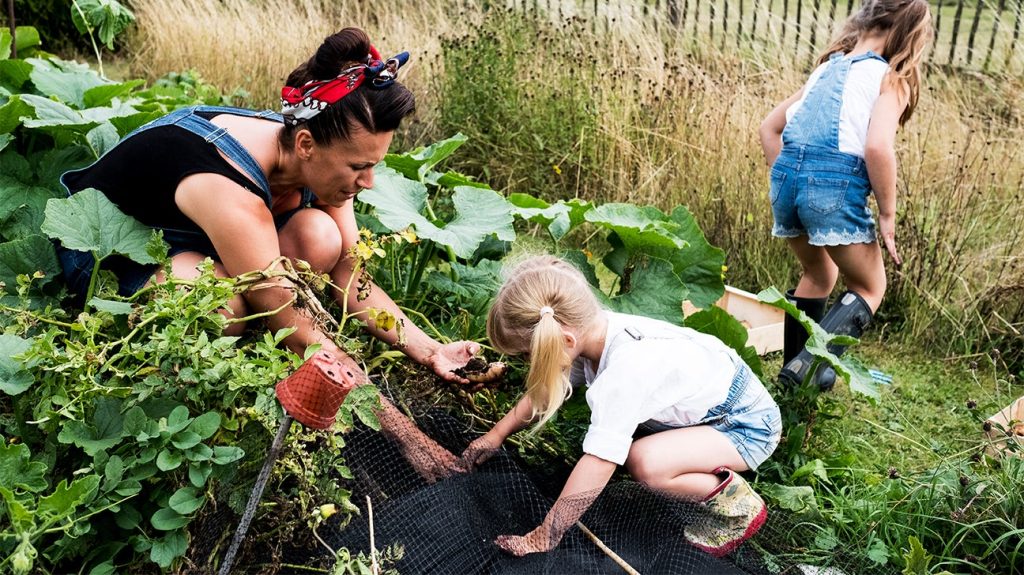
Fun Gardening Activities for Kids
Creating a rich tapestry of gardening activities for kids can spark their imagination while instilling essential lessons in responsibility and nature. Tailoring these activities to meet the interests and ages of children will elevate their engagement, transforming gardening from a chore into an adventure. Below are several exciting activities that can enhance a child’s connection to the earth while promoting responsible habits.
Hands-On Gardening Projects
Hands-on gardening projects allow kids to dive right into the soil, providing them with tangible rewards that reinforce their efforts. Here are some engaging activities to consider:
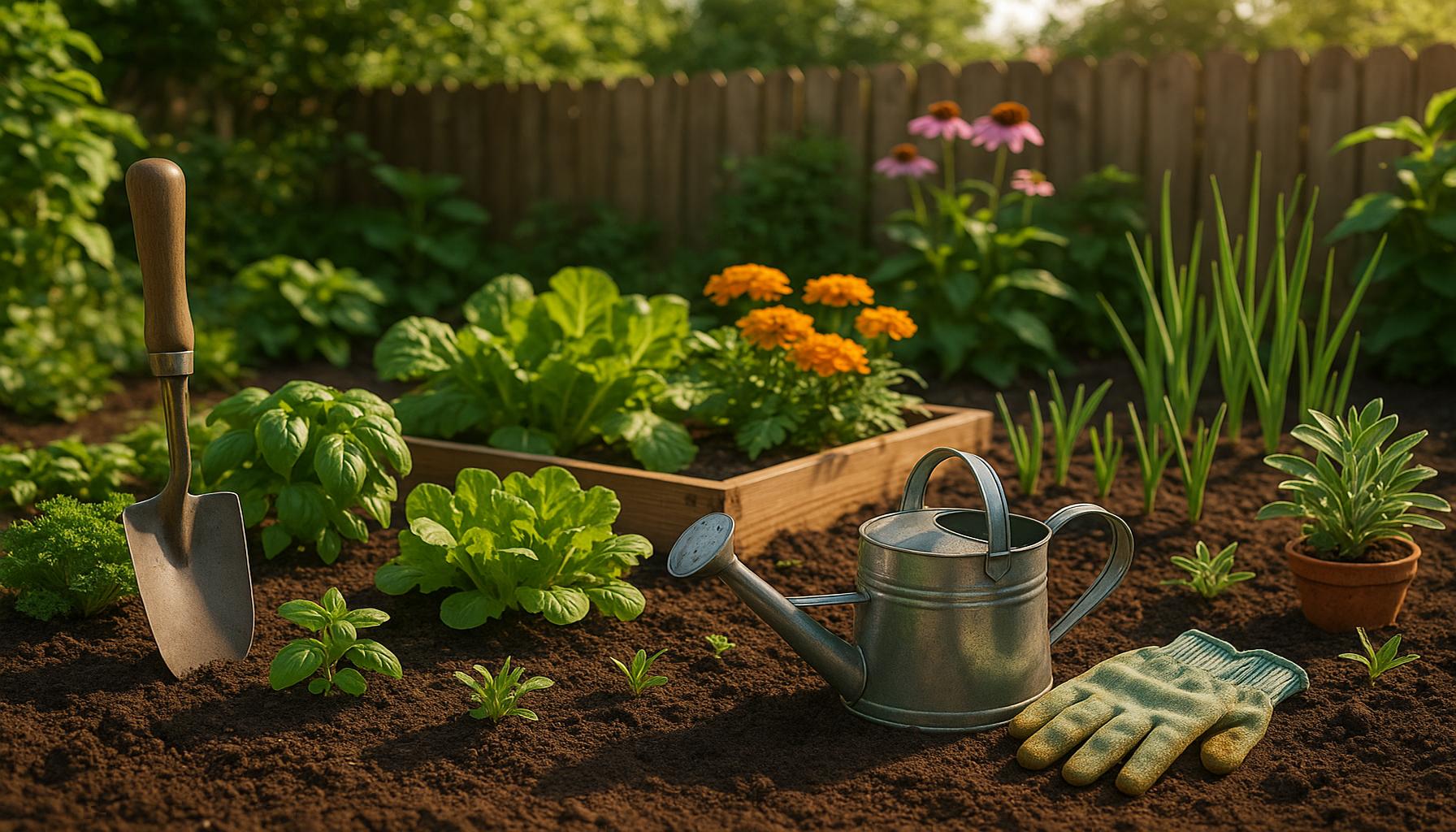
- Miniature Herb Garden: Encourage children to plant a small herb garden in pots or containers. They can start with easy-to-grow herbs like basil, parsley, and mint. Not only do they tend to the plants, but they also learn to harvest and use these herbs in cooking, creating a direct link between gardening and food preparation.
- Butterfly Garden: Planting flowers like milkweed and zinnias can attract butterflies, allowing children to witness the beauty of pollination. They can be tasked with watering and watching for butterflies to visit, providing them with a sense of ownership over the garden.
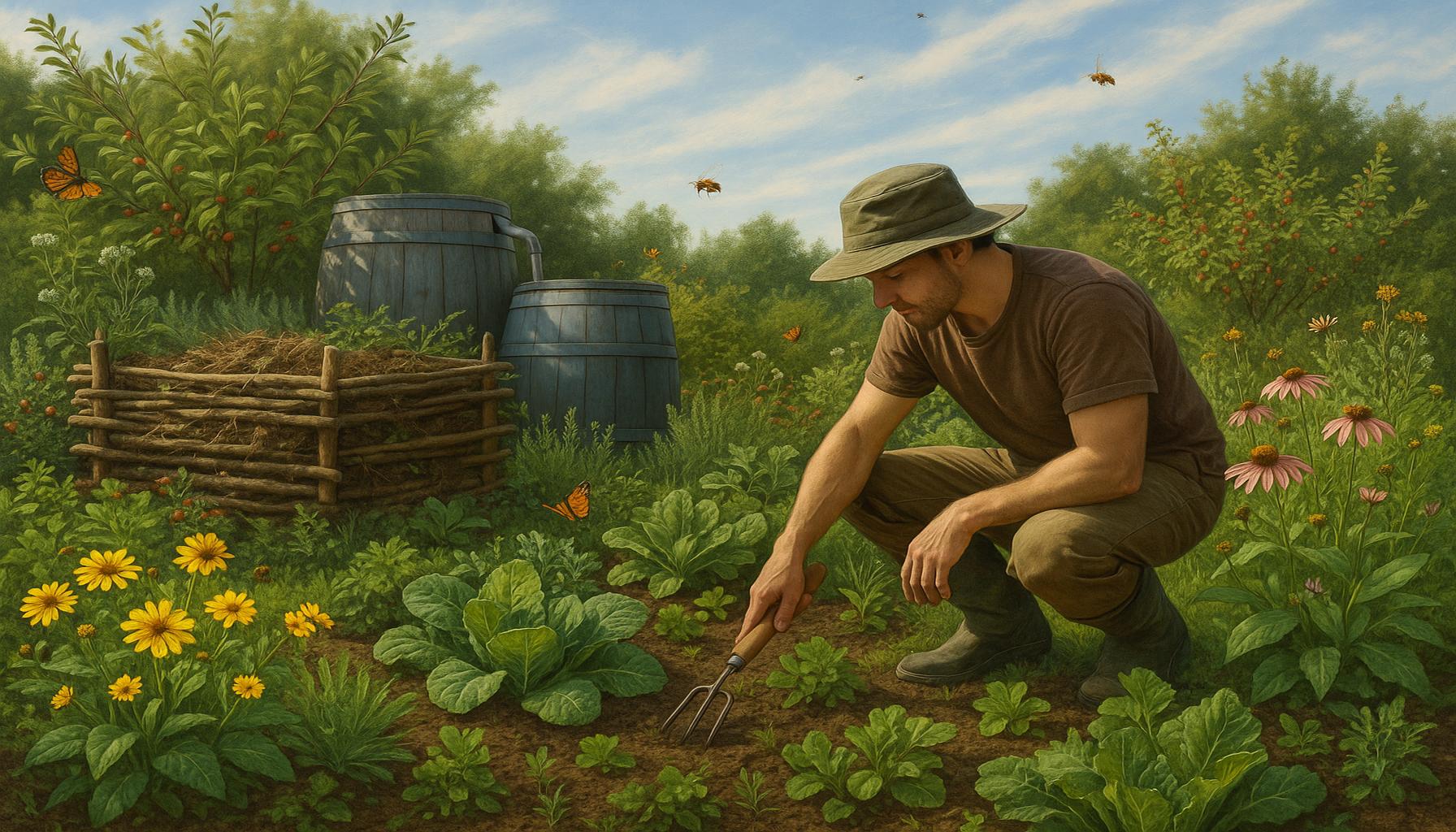
- Composting Together: Teach children the art of composting, turning kitchen scraps into nutrient-rich soil. This activity emphasizes waste reduction and teaches them how to recycle organic material responsibly. Kids can create their own compost bin and learn to monitor the decomposition process.
Learning Through Observation
Gardening activities for kids should include opportunities for observation and discovery. Children are naturally curious, and the garden serves as a laboratory for learning. Here are a few ways to spark their interest:
- Plant Growth Journals: Encourage kids to keep a journal documenting the growth stages of their plants. This exercise teaches them to observe changes, fostering patience and attention to detail.
- Insect Safaris: Organize excursions in the garden to observe beneficial insects, such as ladybugs and bees. Provide magnifying glasses for a closer look and discuss their important roles in the ecosystem.
- Seasonal Planting: Engage kids with the concept of seasonal gardening by rotating plants based on seasons. This activity introduces them to agricultural cycles and emphasizes the principles of sustainability.
Utilizing these gardening activities not only makes learning engaging for children but also instills a sense of accomplishment. As they witness first-hand the results of their hard work, they develop a deeper respect for nature and a stronger commitment to nurturing it. The soil, the seeds, and the sun are not just elements of gardening; they become a part of their personal growth journey.
| Advantage | Description |
|---|---|
| Responsible Citizenship | Involving children in gardening fosters a sense of responsibility as they learn to care for living plants. |
| Connection to Nature | Gardening activities help children connect with nature, enhancing their understanding of ecosystems and sustainability. |
| Teamwork Skills | Working together in a garden boosts teamwork skills as they collaborate on planting, watering, and harvesting. |
| Improved Motor Skills | Digging, planting, and weeding enhance children’s fine motor skills, contributing to their physical development. |
Engaging children in gardening activities not only nurtures their ability to care for plants but also imbues them with a profound respect for the environment. This engagement is essential as they learn firsthand about the ecosystem and the importance of biodiversity. Research suggests that hands-on experiences in nature can significantly enhance cognitive and emotional development, marking gardening as a perfect blend of fun and education.Working in a garden presents an excellent platform for children to understand seasons, observe growth cycles, and appreciate the fruits of their labor. This not only enthralls their curiosity but also cultivates lifelong environmental stewardship. Additionally, as they see seeds transform into blooming flowers or ripe vegetables, they develop a sense of pride and accomplishment that is crucial for their self-esteem. Gardening activities thus provide an enriching experience that goes beyond just planting and harvesting; they open doors to key life skills and a lasting bond with nature.
DISCOVER MORE: Click here to explore different literary genres
Creative Gardening Activities to Foster Exploration
Exploring nature can be an exhilarating experience for children, and when combined with gardening, it can lead to unforgettable memories. Embracing creative gardening activities encourages kids to express their individuality while developing essential skills. Here are some imaginative approaches to gardening that can captivate young minds:
Garden Art Projects
Infusing creativity into gardening can transform an ordinary garden into a canvas for self-expression. Kids can blend artistry and horticulture through these engaging activities:
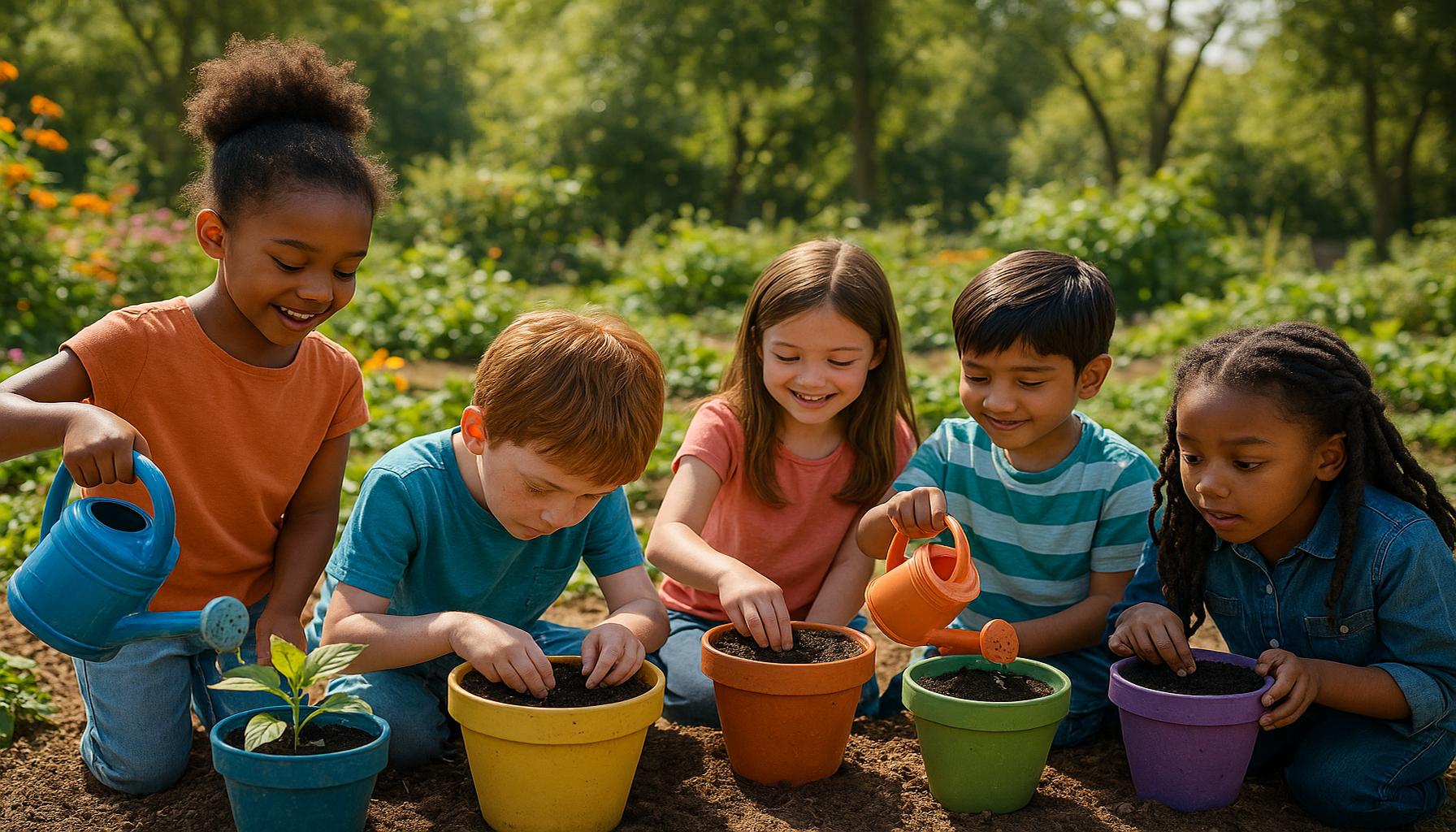
- Painted Pots: Allow children to decorate their plant pots with bright colors and unique designs. This simple yet effective project combines art with gardening, giving them a sense of ownership and pride in their plants.
- Garden Markers: Encourage kids to create personalized garden markers using sticks, stones, or repurposed materials. They can design these markers to label various plants, adding an educational twist that helps them learn plant names and care tips.
- Nature Collages: Foster creativity by having children collect leaves, flowers, and other natural items to create beautiful collages. This art project can serve as an educational tool by discussing the different plant parts and their functions.
Gardening Games and Challenges
Combining play with gardening can engage children in fun yet educational ways. Introducing friendly competition can enhance their desire to learn and explore:
- Scavenger Hunts: Organize a scavenger hunt in the garden where children search for specific plants, insects, or other natural elements. This exhilarating activity allows them to explore while developing their observational skills.
- Build a Garden Maze: Encourage kids to use plants to create a maze in your backyard, providing them with hands-on experience planning and designing while they cultivate patience and teamwork.
- Gardener’s Olympics: Set up fun gardening-themed games, such as relay races involving watering cans or timed planting challenges. These activities reinforce physical fitness while engaging them in gardening tasks.
Connecting with Community through Gardening
Encouraging children to engage with their community can deepen their connection to nature. Teaching them the importance of community gardening can foster responsibility and environmental stewardship:
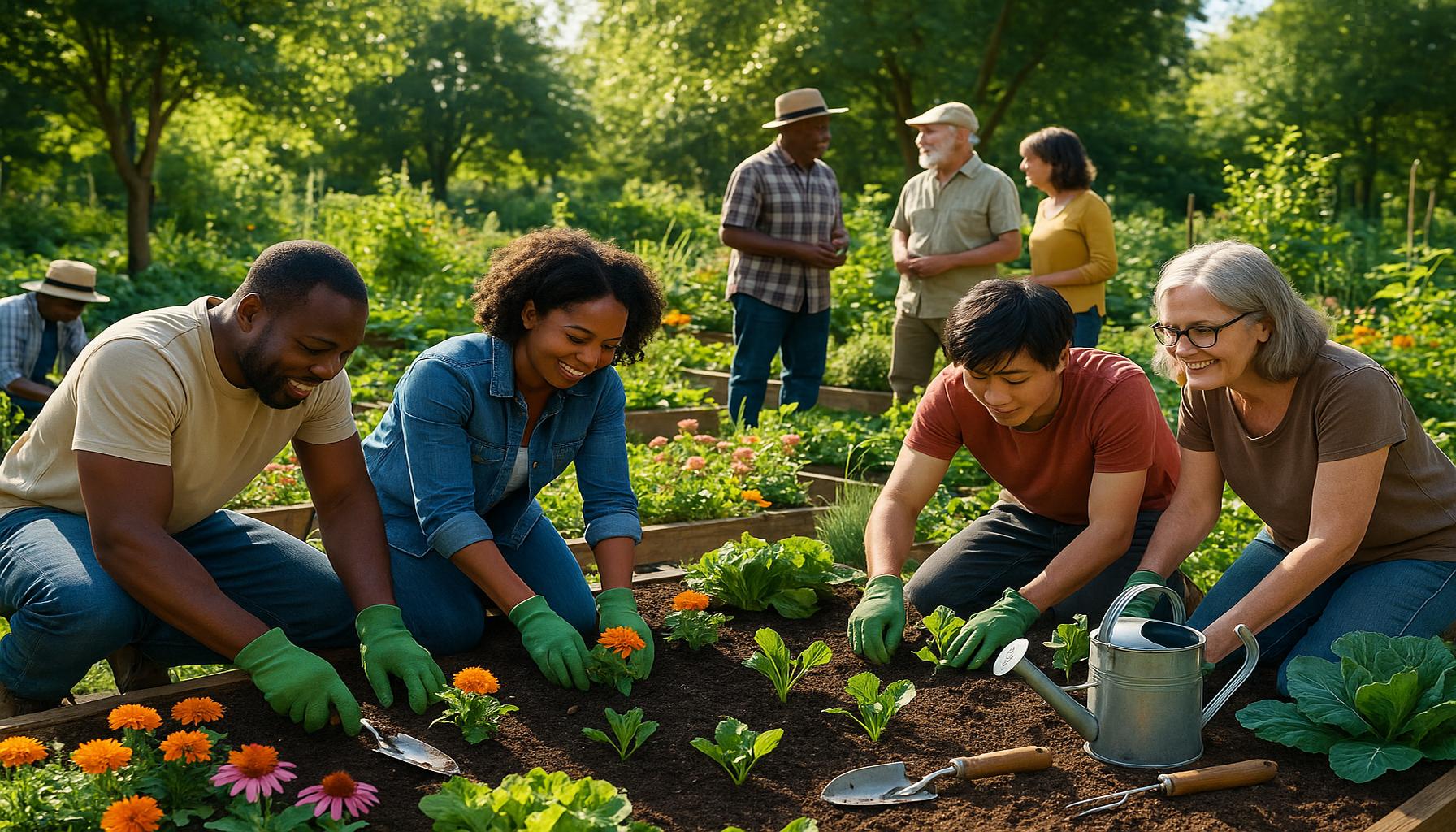
- Participate in Local Community Gardens: Many neighborhoods host community gardens where families can grow fruits and vegetables together. This shared experience teaches collaboration and the value of local produce.
- Organize Planting Days: Work with local schools or organizations to host planting events, allowing kids to contribute to communal green spaces. This involvement instills a sense of pride and responsibility in nurturing shared environments.
- Garden Clubs for Kids: Establishing or joining a gardening club can provide ongoing opportunities for learning and exploration. Through workshops and events, children can make friends while cultivating their love for gardening.
Through these diverse gardening activities, children can gain a multitude of skills while forging a connection with nature. They learn to nurture living things, respect the environment, and appreciate the beauty and complexity of the world around them. Encouraging such explorations at an early age lays a foundation for compassionate and responsible stewards of the earth in the future.
DIVE DEEPER: Click here to uncover more about musical creativity
Conclusion: Nurturing Future Stewards of the Earth
In conclusion, engaging children in gardening activities not only provides them with a delightful hands-on experience but also teaches them invaluable life skills that contribute to their growth and development. By participating in creative projects, games, and community gardening, children learn the importance of responsibility and develop a profound connection to nature. These experiences foster a sense of stewardship and environmental awareness that is crucial in today’s world, where sustainability is a growing concern.
As children water plants, cultivate soil, and witness the fruits of their labor, they acquire patience, teamwork, and a deeper appreciation for the ecosystem. Moreover, the integration of artistic and educational elements in gardening activities encourages them to think critically and be innovative. They gain an understanding of where their food comes from and the effort that goes into nurturing life, which builds resilience and empathy.
Parents, educators, and communities play a vital role in nurturing this passion for gardening in young minds. By establishing or joining local gardening initiatives, families can strengthen community bonds and promote healthy living through shared experiences. As we encourage children to cultivate their gardens, we are simultaneously nurturing future stewards of the earth who are conscious of their impact on the environment. Ultimately, gardening becomes much more than a hobby; it evolves into a meaningful journey of growth that enriches both their lives and the world around them.