
Gastronomic Adventure Itineraries: Discovering Exotic Flavors in Travels Across Nigeria’s Interior
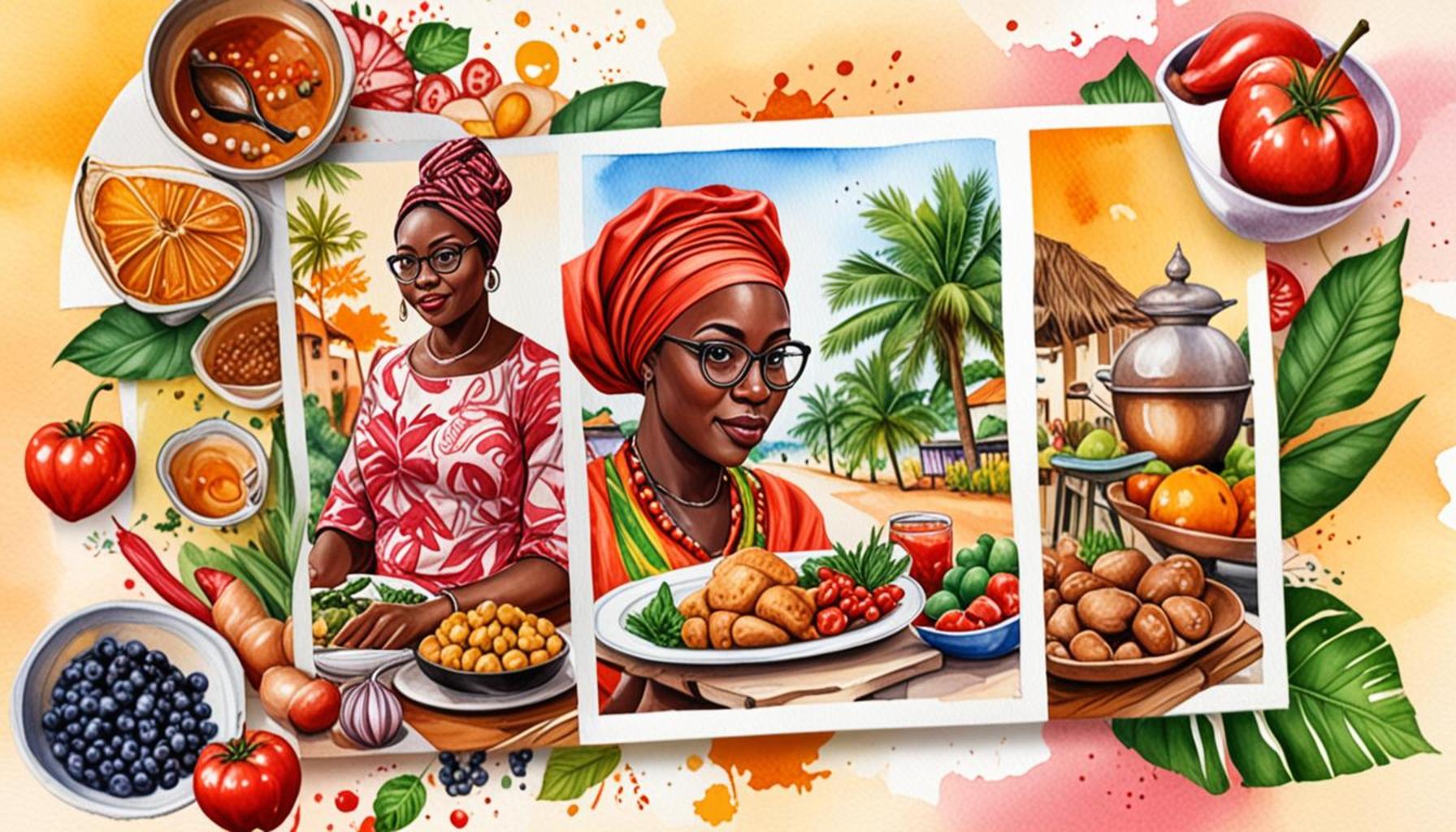
Embarking on a Culinary Journey
Imagine a journey where every bite tells a story, and every meal is a celebration of heritage. Nigeria’s interior regions are treasure troves of exotic flavors, waiting to be explored by adventurous food lovers. From the bustling markets to the quiet villages, the country offers a gastronomic adventure unlike any other. Nigerian cuisine is a vibrant tapestry woven together with threads of tradition, cultural diversity, and agricultural richness.
Highlights of Nigeria’s Culinary Landscape
Diverse cultures and ethnicities contribute to an array of unique dishes that are not only delicious but also deeply rooted in history. Begin your exploration with:
- Pounded Yam and Egusi Soup: This hearty staple is made from yam that is boiled, pounded, and formed into a smooth, stretchy dough. Paired with Egusi soup, made from ground melon seeds, leafy vegetables, and various spices, this combination delivers a rich palette of flavors. It is often enjoyed on special occasions and holds cultural significance across many Nigerian families.
- Suya: These grilled meat skewers are seasoned with a spicy blend of ground peanuts and peppers, creating a unique flavor explosion that makes it a must-try street food. Typically sold by street vendors in urban areas, Suya is often enjoyed during social gatherings, enhancing its role in community bonding.
- Ofada Rice and Ayamase Sauce: This local delicacy is characterized by its distinct aroma and unique taste. Ofada rice is a type of Nigerian rice grown in specific regions, famed for its unique flavor and appearance. When paired with Ayamase sauce, which consists of green peppers and assorted meats, it results in a dish that is deeply rooted in Yoruba culture.
Traveling through Nigeria’s interior isn’t just about food; it reflects the soul of its people. Each destination unveils traditional cooking methods that have been preserved over generations. Adventurous food enthusiasts can visit local farms where ingredients are cultivated with care and passion, understanding the narratives behind each spice, vegetable, and grain. Additionally, home-cooked meals shared in local households offer immersive experiences that enrich any travel itinerary.
Food and Cultural Experiences
Engaging with local communities provides a unique insight into their cooking techniques and cultural customs. Prepare to savor seasonal fruits like:
- Pawpaw: This tropical fruit not only brings sweetness but also offers nutritional benefits such as antioxidants and digestive enzymes.
- Mango: Known for its succulent sweetness, mangoes are a staple in many regions and often feature in salads and desserts, bringing a refreshing touch to one’s palate.
- Cashew: While enjoyed as a snack, cashew nuts are also integral to various local dishes, adding crunch and flavor.
Each gastronomic itinerary promises not only culinary satisfaction but also a deeper understanding of Nigeria’s rich heritage. Dining in Nigeria is more than just a meal; it is an experience that allows you to connect with local history through ingredient stories and cooking styles. Get ready to indulge in flavors that you’ll remember long after your journey ends, as they resonate with the heart and soul of a dynamic nation.
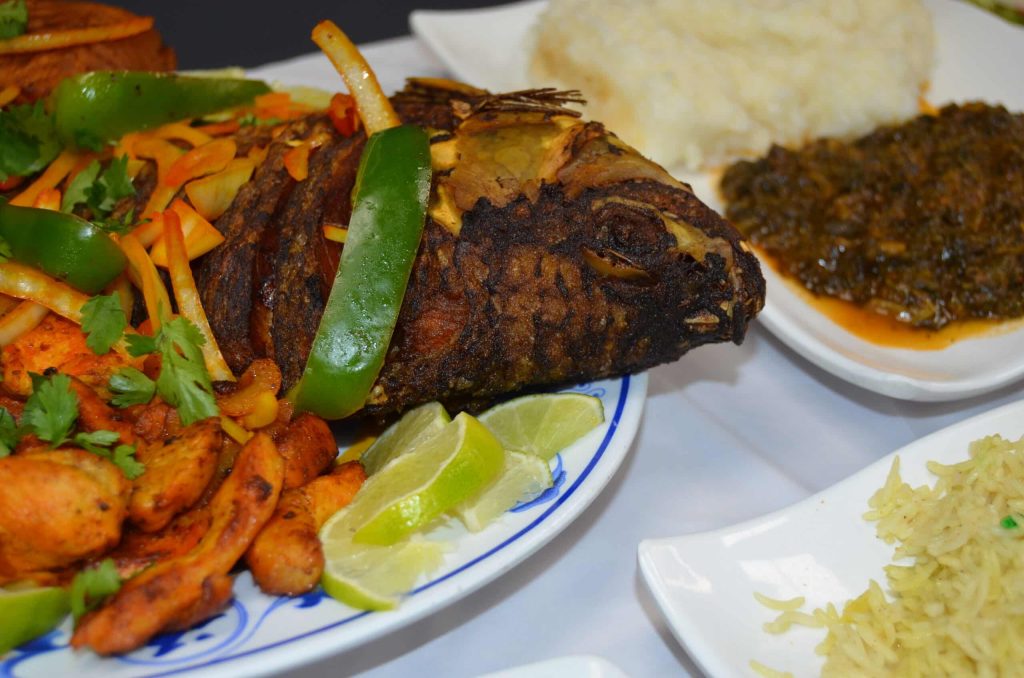
LEARN MORE: This related article may interest you
Unearthing Flavorful Traditions
Nigeria’s interior is not merely a backdrop for culinary delights; it is a vibrant canvas showcasing the rich cultural narratives that define its diverse peoples. From savory street snacks to intricate traditional fare, each dish captures the essence of Nigerian life. The intricate connections between food and tradition are palpable, inviting travelers to share in soulful experiences that foster deep connections.
Regional Specialties Steeped in History
To truly appreciate Nigeria’s gastronomic landscape, one must embark on a journey through its various regions, each proud of its unique culinary identity. Starting in the North, the robust flavors of Hausa cuisine beckon with:
- Kwacoco: A delicious dish made from grated cassava wrapped in leaves and steamed, it epitomizes communal eating with families often gathering to enjoy this tasty specialty during festive seasons.
- Miyan Kuka: A lavish soup made from baobab leaves, it is traditionally served with rice or fufu, showcasing the North’s penchant for delicate flavors paired with earthy staples.
Traveling southwards, the culinary adventure intensifies in the Southwest region, where Yoruba flavors tantalize with:
- Iyan: This deliciously smooth pounded yam serves as an alternative to rice and is a staple accompanied by spicy soups, demonstrating the marriage of texture and robust flavor.
- Efo Riro: A rich spinach stew enriched with meats and fish, this dish is often celebrated on Sundays, symbolizing togetherness within families.
Further east, the Southeastern states unveil a treasure of distinct tastes. The culinary highlights here include:
- Jollof Rice: Often deemed the crown jewel of Nigerian cuisine, this one-pot dish boasts tomatoes, spices, and an array of proteins, sparking friendly debates on which region prepares it best.
- Fried Plantain: Known locally as ‘dodo’, this golden treat elevates meals, adding a sweet, robust flavor that complements spicier dishes.
Endeavoring into Nigeria’s culinary depths reveals not just recipes but generational wisdom passed down through the ages. Cooking in Nigeria is a communal affair, with families gathering in the kitchen to prepare meals that carry sentimental value, enriching the travel experience. A visit to local markets is an adventure in itself, where vibrant displays of herbs, spices, and produce provoke the senses, energizing recipe explorations and culinary experiments.
Interactive Cooking Classes and Local Markets
Immerse yourself in the culinary art by participating in interactive cooking classes offered in various communities. These sessions not only unlock the techniques behind traditional recipes but also foster connections with local chefs who share their cherished family secrets. Imagine being guided through the preparation of pepper soup or mastering the art of Achara, a special local dish unique to specific regions.
A visit to a bustling market, such as the Balogun Market in Lagos or the Kurmi Market in Kano, serves as a feast for the eyes. You will encounter vendors proudly presenting seasonal ingredients, fresh produce, and a plethora of spices, all while weaving tales that enhance your culinary escapade.
Ultimately, Nigeria’s interior is a flavorful mosaic of cultures waiting to be savored. Each journey unveils a new dimension of its gastronomic adventure, encouraging travelers to peel back layers of flavor and tradition that reflect the heart of a nation alive with culinary passion.
| Cuisine Diversity | Unique Culinary Experiences |
|---|---|
| Regional Flavors | Nigeria’s interior boasts a variety of dishes influenced by local traditions and cultures. |
| Fusion of Ingredients | Experience a blend of indigenous ingredients and exotic spices that create rich flavors. |
| Historical Culinary Journey | Each meal tells a story, offering insights into Nigeria’s history through its cuisine. |
| Specialty Dishes | Savor local delicacies such as Jollof rice, pounded yam, and efo riro during your journey. |
Exploring Nigeria’s interior offers travelers more than just breathtaking landscapes; it invites them on a culinary adventure filled with diverse flavors. From the rich soups of the Yoruba to the spicy stews of the Hausa, each region showcases its unique palate. Nigeria’s local markets brim with tropical fruits, exotic vegetables, and fresh herbs, all of which are key ingredients in traditional recipes. Taking part in cooking classes or local food tours allows visitors to discover the fascinating stories behind each dish. Many itineraries include stops at historically significant towns, where the fusion of cooking styles reveals the influences of both indigenous and colonial histories. By engaging with local chefs and food artisans, travelers can experience the passion that goes into creating these delicious meals.As you set out to discover these extraordinary culinary delights, you will soon realize that each flavor is a connection to Nigeria’s rich cultural heritage, enhancing your travel experience and leaving you yearning for more.
YOU MAY ALSO LIKE: Read read another article
Thrilling Culinary Experiences Beyond the Plate
The adventure of discovering Nigeria’s culinary heritage extends far beyond the enticing dishes themselves; it encompasses the stories behind them and the people who create them. Engaging with local chefs and home cooks roots travelers deep in the heart of Nigeria’s ingredients-driven cuisine. These culinary excursions unfold like stories telling the tales of the ingredients, laden with history and cultural significance.
Festivals Celebrating Food and Culture
One cannot appreciate Nigeria’s culinary landscape without immersing in its vibrant food festivals that result in an exhilarating fusion of culture, music, and gastronomy. The Jollof Festival, held in various cities across Nigeria, is a great example, highlighting the love for this iconic dish. At this festival, contestants compete to claim the title of the best Jollof rice, delighting attendees with different spins on the classic recipe, proving that each cook brings their unique touch to a cherished mainstay.
Additionally, the Ofada Rice Festival in Ogun State showcases ethnic cuisine where locals present the beautiful Ofada rice, indigenous to Nigeria. This festival is more than just a tasting experience; it’s a homage to traditional farming methods and community resilience, effectively connecting the past with the present. Travelers are often invited to participate in celebratory cooking and feasting, fostering a sense of belonging while indulging in splendid local flavors.
Culinary Heritage Tours
Travelers keen on delving deeper into the tapestry of Nigerian cuisine can partake in culinary heritage tours. These guided experiences lead food enthusiasts around historic sites rich in culinary narratives, allowing for interactive storytelling alongside traditional cooking demonstrations. In cities like Ibadan and Benin City, local guides share insights into ancient cooking techniques, tribal influences, and the rituals that accompany various dishes.
During these tours, participants may witness the traditional methods of smoking fish or the time-honored technique of preparing wara (bean cake) from black-eyed peas. Often shared in a convivial setting, these experiences encourage travelers to actively engage with their surroundings—offering a unique window into local customs and ways of life.
Culinary Street Art and Food Trucks
The urban landscapes of Nigeria are further invigorated by the emergence of dynamic food trucks and street art celebrating local flavors. The phenomenon of street food has surged in popularity, with vendors serving tantalizing quick bites like suya (spicy meat skewer) and freshly made puff-puff. Cities like Lagos and Abuja are alive with energy as food trucks pop up at events, markets, and street corners, transforming everyday dining into a lively, multi-sensory experience.
Furthermore, murals inspired by food and culture adorn towering walls, adding a vibrant layer to the culinary landscape. These artistic tributes invite travelers to pause and appreciate the cultural significance of Nigerian cuisine while capturing the essence of community spirit. Engaging with street art and food allows visitors to witness the narratives and heritage being reimagined for contemporary tastes.
As you explore Nigeria’s interior on this remarkable gastronomic adventure, remain open to spontaneous culinary interactions that highlight the local community’s warmth and passion for food. With each meal you enjoy, and every festival you attend, a wealth of flavors and traditions awaits discovery, making your journey through Nigeria’s rich culinary landscape truly unforgettable.
ADDITIONAL INSIGHTS: Expand your understanding here
Conclusion
Nigeria’s culinary landscape is a vibrant tapestry woven from diverse cultures, histories, and flavors that reflect the heart and soul of its people. Engaging in gastronomic adventure itineraries serves not only as a feast for the palate but also as an enriching experience that connects travelers with the rich stories behind each dish. From bustling food festivals like the Jollof Festival to intimate culinary heritage tours in towns like Ibadan and Benin City, every bite and interaction opens up new perspectives on the nation’s culinary heritage.
As you traverse through Nigeria’s interior, you will find that food is not merely sustenance; it is a vessel of tradition, community, and celebration. The convergence of modern street food culture with traditional cooking practices encapsulates the essence of the country’s evolving gastronomic scene. Each food truck serving suya or market offering puff-puff contributes to a greater narrative that is as much about flavor as it is about identity.
Ultimately, whether you are savoring delectable local dishes, engaging with passionate chefs, or participating in festive celebrations, your culinary journey through Nigeria promises to be unforgettable. With numerous flavors waiting to be discovered and stories eager to be told, you are invited to take part in this unique adventure—one that celebrates the delicious fusion of history, culture, and community that is so quintessentially Nigerian. Embrace the experience and let it inspire a deeper appreciation for this remarkable culinary heritage.