Gastronomic Festival Itinerary: Celebrating Nigeria’s Culinary Diversity
Discovering the Depth of Nigerian Flavors
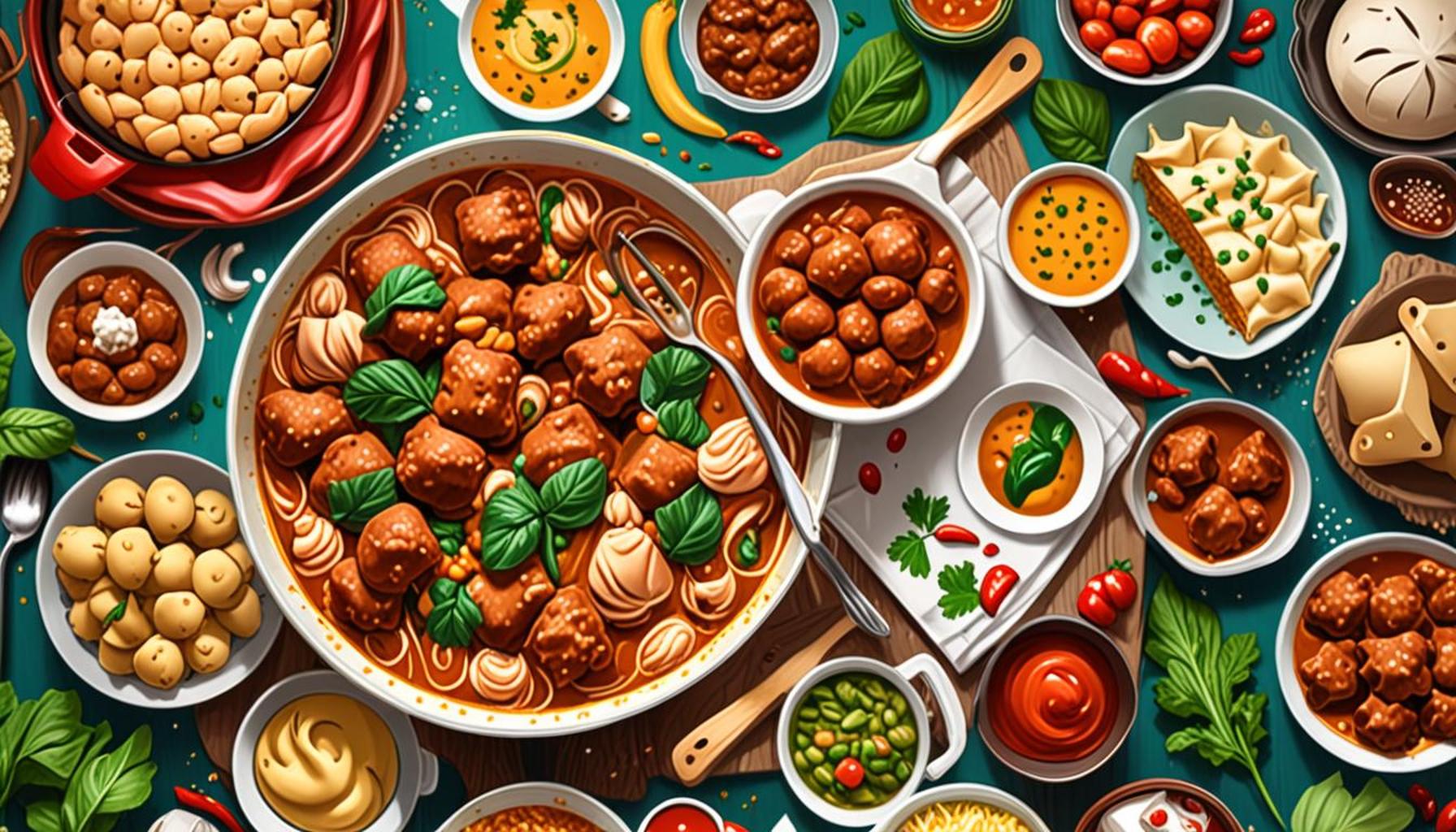
Nigeria is a culinary paradise, where food transcends mere sustenance to become a vibrant expression of cultural identity. With over 250 ethnic groups, each presenting a spectrum of flavors, cooking styles, and dining traditions, Nigeria’s food scene is as diverse as its people. The nation is peppered with a multitude of regional dishes that offer a delightful exploration of taste and artistry.
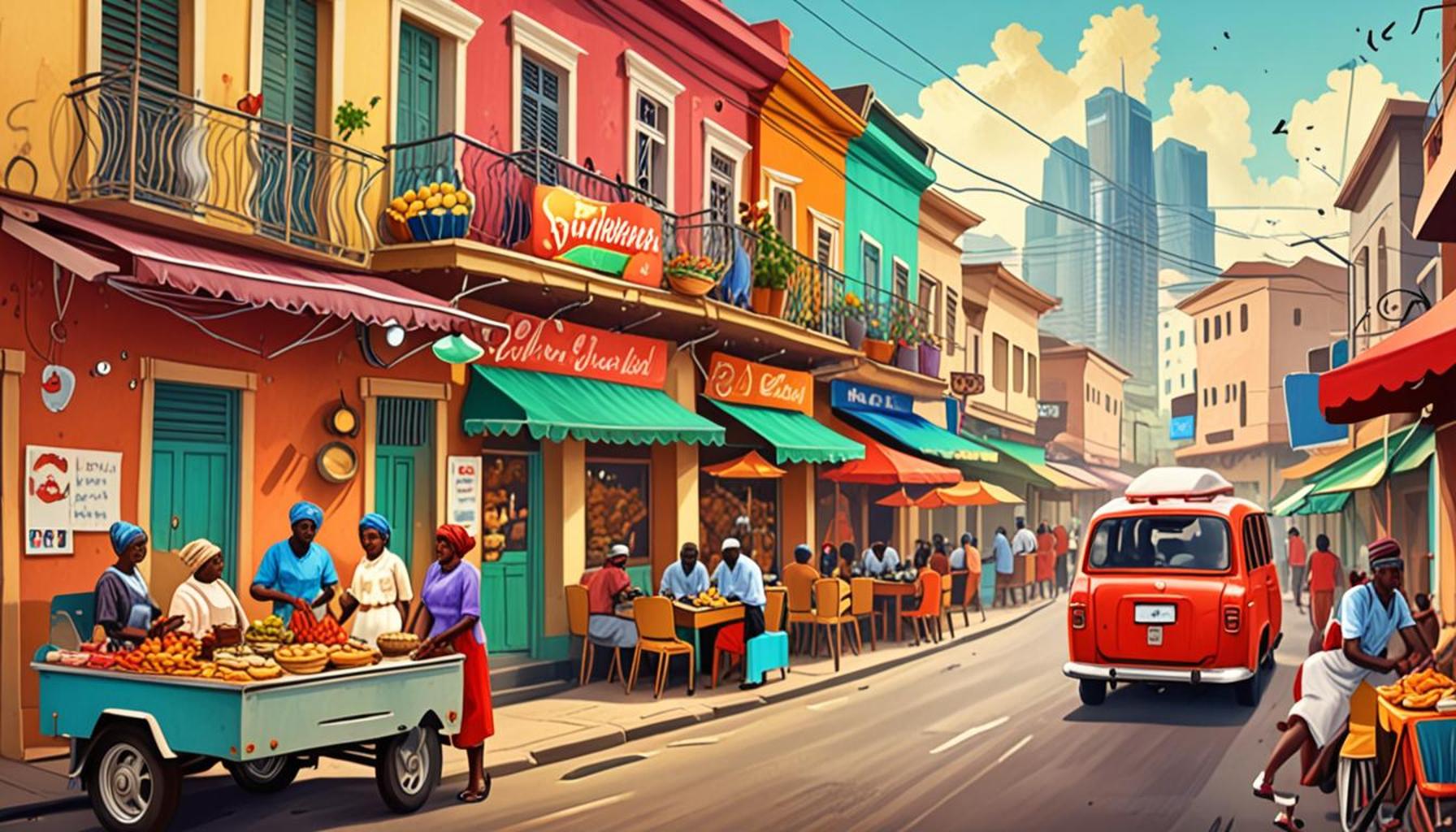
As you meander through crowded streets, the aromas wafting from bustling food stalls create an enticing allure. Local favorites such as *suya*, a spicy grilled meat skewer marinated in a rich blend of spices, beckon passersby with their smoky fragrance. Often enjoyed with slices of onions and tomatoes, *suya* is a staple at outdoor gatherings, signaling the joyful essence of communal dining. Similarly, don’t miss out on *puff-puff*, fluffy dough balls that delight with their sweetness and lightness. These treats are often the life of the party, making them a true testament to Nigeria’s celebratory spirit.
Culinary Workshops and Cultural Insights
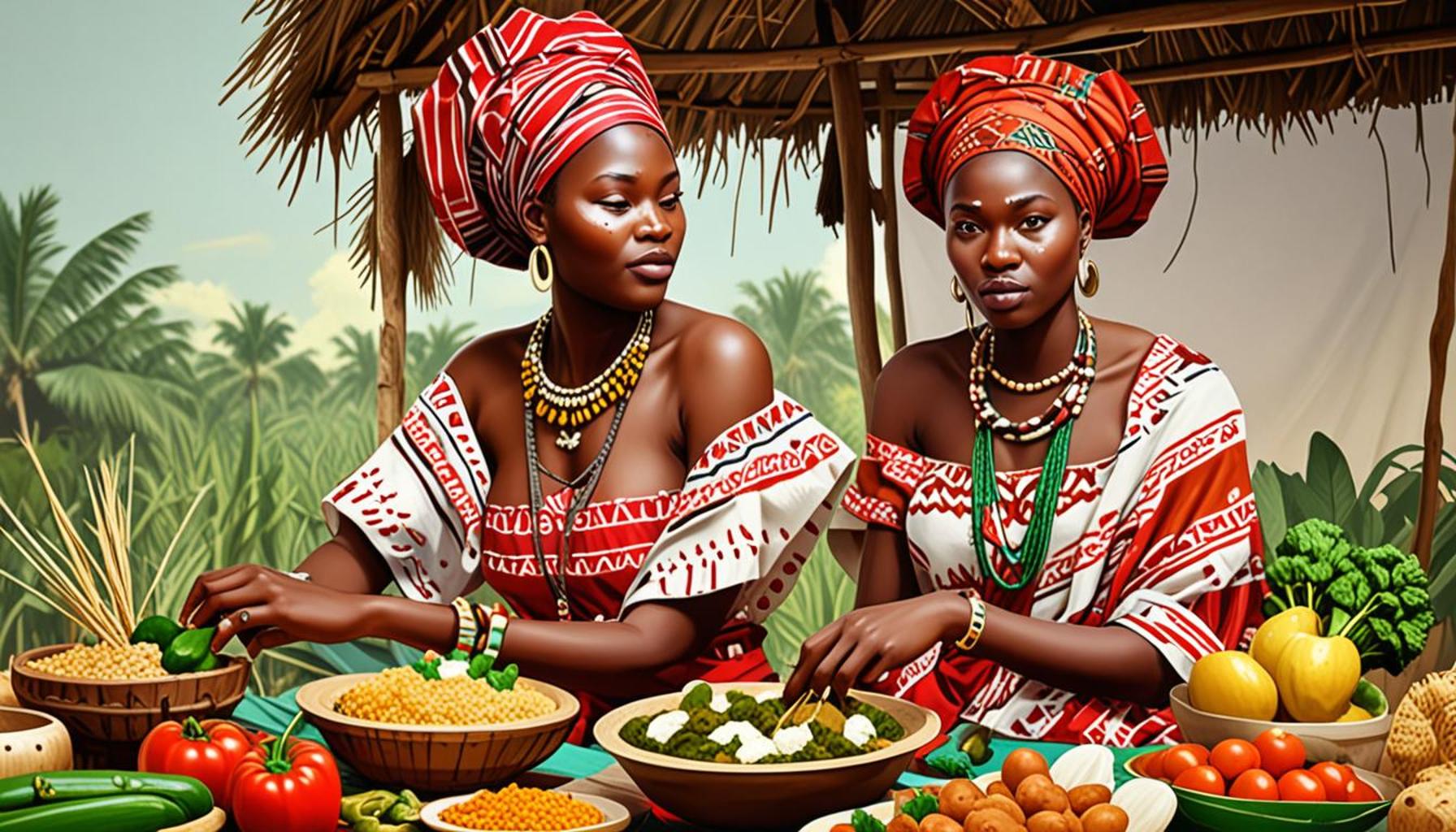
Participating in cooking demonstrations provides a hands-on understanding of the intricacies involved in creating beloved dishes. *Jollof rice*, arguably Nigeria’s most celebrated dish, is a must-try. This one-pot wonder, made with tomatoes, onions, and peppers, is often the centerpiece at any gathering. Its ability to spark passionate debates over who makes the best version only adds to its charm. On the other hand, *egusi soup*, a savory broth thickened with ground melon seeds, pairs wonderfully with pounded yam or fufu, showcasing the melding of flavors that is crucial to Nigerian cuisine.
During food tastings, the diverse regional specialties truly shine. Sample the northern *kunu*, a refreshing fermented drink made from grains like millet, providing a burst of flavors unique to this area. Alternatively, the southern region offers *moimoi*, a steamed bean pudding that is rich in protein and flavor, often served as a side dish or on its own. Each bite promises to transport you within Nigeria’s cultural landscape, revealing the stories and traditions embedded in its culinary practices.
Expect more than just food; you’ll immerse yourself in an experience that connects you with fellow food enthusiasts and seasoned chefs. They will share insights into the cultural significance behind each dish, from the harvesting of ingredients to the ancient cooking methods passed down through generations.
Stay tuned for the unveiling of a detailed itinerary that will chart your course through this unforgettable gastronomic festival, where you will indulge in the essence of Nigeria’s flavors and grow to appreciate the rich tapestry of its culinary heritage!
SEE ALSO: Click here to read another article
Unveiling the Heart of Nigeria’s Gastronomic Culture
Nigeria’s vibrant culinary culture is a tapestry woven from rich traditions and diverse influences, each thread representing an ethnic group with its own distinct flavors and cooking styles. This culinary festival serves as a celebration of both heritage and innovation, where attendees can immerse themselves in a sensory experience that pays homage to Nigeria’s rich food history.
Expect an exciting lineup of interactive sessions that bring traditional methods to the forefront. For example, the art of making pounded yam is a skill passed down through generations, traditionally performed with a mortar and pestle until it reaches a smooth, elastic consistency. Afropolitan chefs will give live demonstrations on how to achieve the perfect texture and pairing with a variety of soups, showcasing how this staple food holds a special place in many Nigerian homes.
Explore Regional Flavors: A Culinary Roadmap
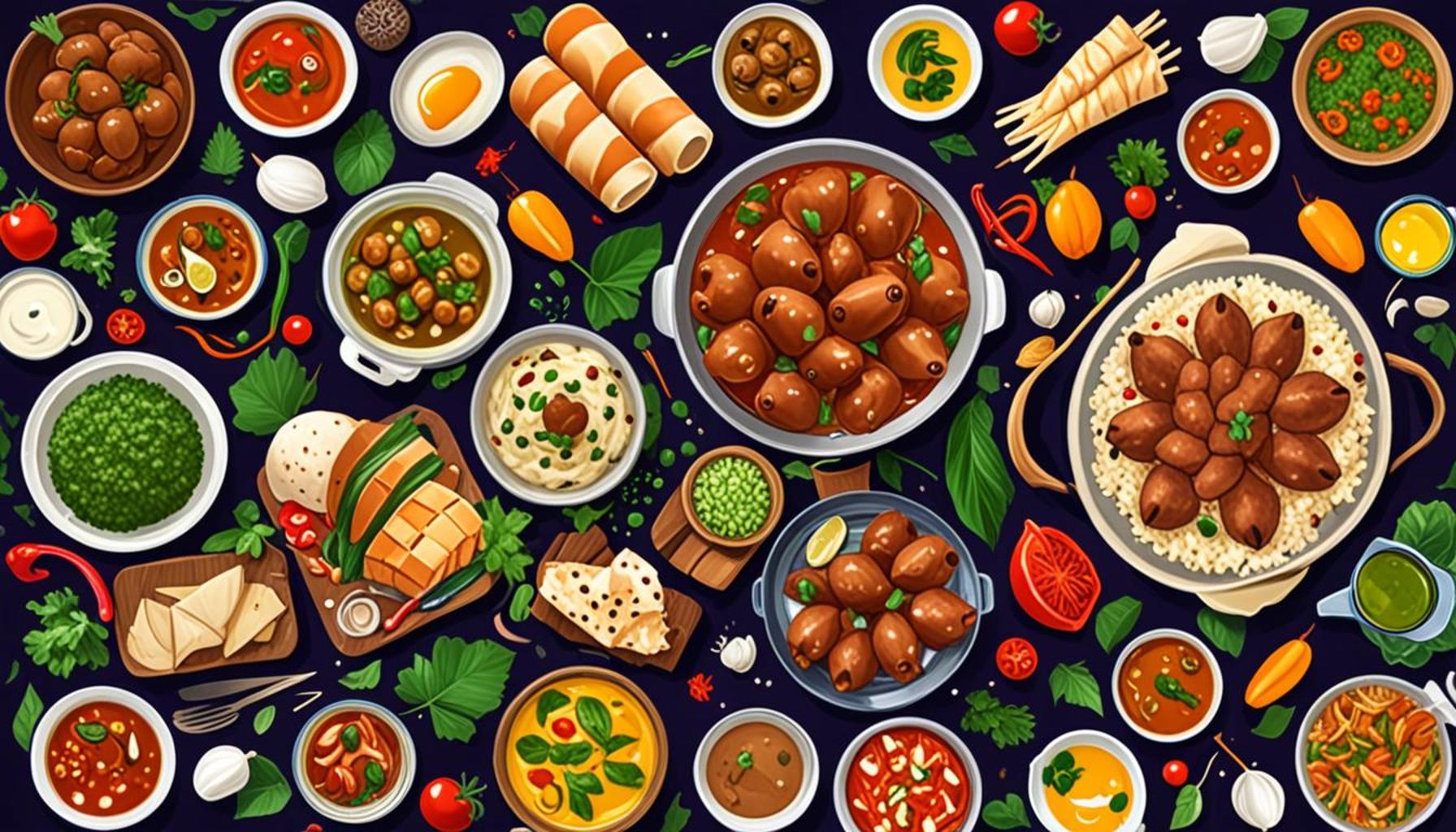
As you navigate through the festival, each region of Nigeria will offer its unique culinary delights. Consider these remarkable dishes that you absolutely must try:
- Ofada Rice and Ayamase Sauce: Hailing from the southwestern region, this local rice variety, known for its distinct fragrance, is best enjoyed with a spicy green pepper sauce that packs a punch.
- Isi Ewu: A delicacy from the southeastern part of the country, this goat head dish is a true gastronomic adventure for the daring eater, typically seasoned with a blend of spices, palm oil, and assorted vegetables.
- Catfish Pepper Soup: Found in both the north and south, this light, spicy broth made with fresh catfish is delicately infused with local spices, making it a warm hug on a cold evening.
- Nkwobi: A popular dish in the southeast, this spicy cow foot delicacy is often served in a unique manner, blending traditional flavors with a contemporary twist.
The culinary festival embraces not only the dishes but also the stories and rituals that accompany them. Engage with local chefs and home cooks as they narrate their journeys and the cultural significance of their recipes. Each dish has a history, often tied to local celebrations, ensuring that what you taste is much more than just food but a slice of life and community.
This itinerary will guide you to taste the essence of Nigeria’s culinary diversity, connecting you with the heart and soul behind every meal. Prepare your palate as you embark on a journey through bustling markets, quaint food stalls, and elegant dining settings, where each stop is a reminder of the richness of Nigeria’s culinary landscape. Stay tuned as we delve deeper into each culinary experience, making this festival an unforgettable celebration of flavors and culture.
As we dive deeper into the cultural tapestry of Nigeria, it’s essential to recognize how its culinary diversity mirrors the nation’s rich history and traditions. Each region has its unique dishes, ingredients, and cooking styles, all of which contribute to the vibrant atmosphere of a gastronomic festival. Visitors to the festival will not only taste a variety of flavors but also experience the heart of Nigeria’s local communities.
The Unforgettable Experience
Imagine walking through the festival grounds, where you can relish the tempting aroma of jollof rice, a crowd favorite that varies with each locality. Street vendors proudly showcase regional specialties such as egusi soup in the West, suya in the North, and the spicy pepper soup of the South. Each stall tells a story through its offerings, providing a glimpse into the customs and traditions that have shaped the culinary landscape of Nigeria.
Culinary Workshops and Demos
One of the festival’s highlights is the array of culinary workshops. Here, renowned chefs and local cooks alike share their secrets, teaching participants about the intrinsic value of locally sourced ingredients. Attendees learn to create authentic dishes that they can recreate in their own homes, thereby promoting a deeper appreciation and understanding of Nigerian cuisine.
A Taste of Culture
Moreover, the festival serves as a platform for cultural exchange. Attendees not only satisfy their palates but also engage with local artisans and musicians, immersing themselves in a palette of sights and sounds. Traditional music and dance performances fill the air, making it not just a food festival but a profound celebration of Nigerian heritage.
Exploring Traditional Foods
As you navigate through this culinary journey, keep an eye out for pounded yam served with rich, flavorful soups, or discover the delightful variety of fufu paired with unique sauces. Each meal is a testament to the traditional techniques passed down through generations, reflecting the hospitality of Nigerian culture.
Conclusion
Ultimately, the Gastronomic Festival Itinerary allows participants to embrace the essence of Nigeria through its food. It unifies people of different backgrounds by celebrating the common love for culinary artistry, culturally rich experiences, and the joy of shared meals.
| Category | Key Features |
|---|---|
| Culinary Diversity | Experience the rich tapestry of regional dishes that showcase Nigeria’s abundant cultural heritage. |
| Cultural Exchange | Engage with the local community through food, music, and art, fostering connections beyond taste. |
This festival not only tantalizes the taste buds but also deepens our understanding of what it means to celebrate and honor Nigeria’s culinary legacy. Each mouthful is a step towards embracing the nation’s rich history and broad spectrum of flavors.
SEE ALSO: Click here to read another article
Experiencing Culinary Mastery: Workshops and Tastings
The Gastronomic Festival is not just about tasting exquisite food; it is an immersive experience that enriches the mind and palate alike. One of the highlights of this festival is the array of hands-on workshops designed to educate attendees about the delicate balance of flavor, texture, and presentation that characterizes Nigerian cuisine. Led by renowned chefs, these workshops will offer in-depth insights into the cooking techniques that have been honed over centuries.
For instance, consider the workshop on Jollof Rice, a beloved staple that has sparked a healthy rivalry among West African nations. Attendees will learn the secrets behind achieving the perfect smoky flavor by incorporating quality ingredients like fresh tomatoes, onions, and bell peppers, cooked to perfection in a single pot. The interactive session will not only highlight regional variations of this dish but also encourage participants to share their family recipes, creating a sense of community.
Additionally, attendees can delve into the world of Suya, Nigeria’s iconic spicy grilled meat skewers. This workshop will teach participants how to marinate and grill their own Suya, using a blend of ground peanuts, cayenne pepper, and local spices. Notably, the experienced chefs will discuss the cultural significance of Suya in Nigerian social events, reinforcing how food serves to bring people together.
Flavors of Nigeria: A Marketplace of Culinary Treasures
As you wander through the Festival Marketplace, delight in a smorgasbord of fresh produce, local ingredients, and artisanal food products sourced from various Nigerian regions. This vibrant marketplace not only showcases the culinary heart of Nigeria but also provides a platform for local farmers and food artisans to display their talents.
- Palm Oil: Experience the richness of fresh palm oil, an essential ingredient in many Nigerian dishes, contributing a unique flavor that cannot be replicated.
- Spices and Seasonings: Discover an array of indigenous spices like locust beans and ground crayfish, crucial for adding depth to your cooking.
- Local Fruits: Taste exotic fruits like African star apple and bawa (baobab fruit), celebrated for their nutritional and medicinal properties.
In addition to ingredients, visitors can find an assortment of ready-to-eat dishes, all contributing to the broad spectrum of Nigerian culinary diversity. Engage with passionate vendors who share stories about their culinary journeys while also dishing out samples, inviting you to experience the textures and tastes of Nigeria’s rich agricultural heritage.
Moreover, themed tasting events will take place throughout the festival, where participants can indulge in various food pairings. Join curated sessions featuring Nigerian wines paired with local dishes, unlocking the hidden potential of flavors. Foodies will appreciate the exciting chances to try out new ingredients and learn how to create fusion recipes that respect traditional roots while embracing contemporary trends.
This year’s festival promises an unparalleled dive into Nigerian heritage through food—where every banquet is a celebration of flavors. From culinary demonstrations to heightened interactions with local chefs, attendees will leave equipped not just with recipes, but with stories that transcend borders and generations.
SEE ALSO: Click here to read another article
Conclusion: A Culinary Journey Awaits
The Gastronomic Festival stands as a remarkable testament to Nigeria’s rich culinary heritage and the diverse flavors that define its gastronomy. This festival not only serves as a platform for showcasing traditional dishes but also emphasizes the importance of community, education, and engagement through food. From engaging workshops that transform attendees into culinary artisans to the vibrant Festival Marketplace, where local farmers and artisans come together, each facet of the festival provides a unique lens into Nigeria’s diverse culinary landscape.
As you explore the myriad activities, including food tastings that celebrate the intricate pairing of flavors, the festival invites participants to not only savor the age-old recipes but also to connect deeply with the cultural narratives that accompany them. It is through these connections that attendees can appreciate the artistry behind beloved dishes like Jollof Rice and Suya, recognizing how they weave together personal stories, traditions, and regional identities.
In conclusion, the Gastronomic Festival Itinerary offers an unforgettable opportunity to celebrate and explore the culinary diversity of Nigeria. It encourages all who attend to engage with the food culture, fostering a spirit of appreciation for both the past and the future of Nigerian cuisine. Whether you are a seasoned foodie or a curious novice, this festival promises to be a delightful journey through the flavors of Nigeria, inspiring deeper connections and new culinary creations that resonate well beyond the festival grounds.