
Gastronomic Itineraries: A Journey Through the Flavors and Typical Dishes of Nigeria
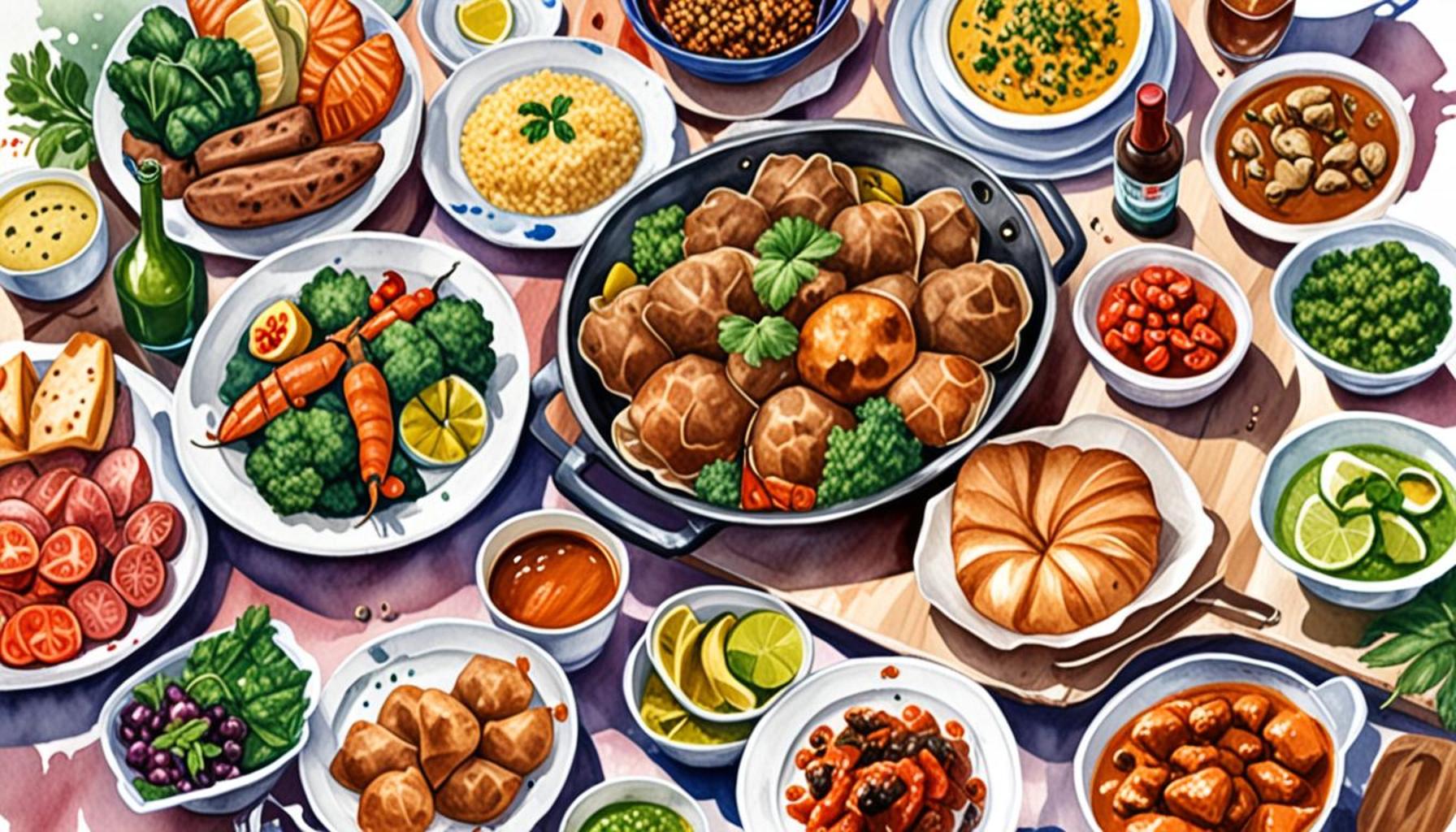
Discover the Rich Culinary Landscape of Nigeria
Nigeria’s culinary scene is a vibrant tapestry woven from a multitude of ethnic influences, each contributing to a rich cultural heritage that reflects the country’s diversity. From the bustling food markets in Lagos to the humble kitchens in rural communities, every meal tells a story, encapsulating tradition, creativity, and community values. The Nigerian culinary landscape is not only a feast for the taste buds, but also a journey through time and culture, inviting food enthusiasts to explore an array of flavors that are as captivating as they are delicious.
Experience the Melting Pot of Flavors
The essence of Nigerian cuisine lies in its ability to blend spices, textures, and ingredients into extraordinary dishes that resonate with both locals and visitors alike. Key elements enriching this culinary landscape include:
- Spicy Stews: Renowned for their depth of flavor, stews like Egusi—made from ground melon seeds—and Efo Riro—a vibrant spinach stew—are staples in Nigerian households. These dishes are not only rich and hearty but also showcase the use of indigenous herbs and spices such as locust beans, pepper, and ginger, creating a flavor profile that excites the palate and warms the soul.
- Street Food Delights: Nigeria’s streets are alive with the aromas of grilled meats and fried snacks. Suya, a spicy meat skewer, is a popular street food that boasts a perfect mix of chili pepper and spices. Similarly, Akara, deep-fried bean cakes, is a savory treat often enjoyed with a side of spicy pepper sauce. These street-side delicacies capture not only the essence of Nigerian culture but also serve as a social activity where friends and families gather to savor good food.
- Cultural Feasts: Festivals and traditional ceremonies provide profound opportunities to experience Nigeria’s culinary heritage. Events like weddings or community gatherings often feature dishes that are distinct to specific regions, such as Jollof Rice from the West and Pounded Yam with Egusi Soup from the south. These meals create a sense of belonging and pride, showcasing the unique identities of the various ethnic groups within Nigeria.
The Journey Awaits
As we embark on this culinary adventure, we encourage you to dive deeper into the stories behind each standout dish and the cultural rituals that surround them. From learning to prepare Ofada Rice with its distinctive sauce to understanding the significance of Chin Chin during festive seasons, the exploration of Nigerian cuisine opens doors to rich narratives about history, relationships, and local customs.
Whether you are a lifelong resident or a curious traveler, exploring Nigeria’s gastronomic itineraries will enhance your appreciation of the country’s diverse cultural expressions. With every bite, you unveil layers of history and tradition, discovering the delicious secrets waiting to be tasted in kitchens, markets, and gatherings across this enchanting land. Get ready to savor a cuisine that is as bold and dynamic as the people of Nigeria themselves!
ADDITIONAL INSIGHTS: Expand your understanding here
Awakening the Senses: Iconic Nigerian Dishes
To truly grasp the essence of Nigeria’s gastronomy, one must embark on a flavorful exploration of its iconic dishes that have become emblematic of the nation’s culinary identity. These recipes, passed down through generations, provide a canvas painted with distinct regional flavors and cooking techniques that reflect the lifestyles of Nigeria’s diverse ethnic groups. Whether it’s the fiery heat of peppers from the North or the earthy flavors of the South, each dish narrates an untold story of its origin.
Exploring Regional Specialties
Nigeria’s culinary terrain is rich with variations influenced by geography, climate, and culture. Here are some quintessential dishes and the regions they hail from:
- Jollof Rice: A beloved staple across Nigeria, Jollof Rice stands out with its vibrant red hue, derived from tomatoes, peppers, and onions. Each region has its rendition, but the competition often lies between Lagos and Accra, with each claiming to cook the best Jollof. This dish exemplifies the warming bond created during gatherings, where families come together to relish its rich, spicy goodness.
- Banga Soup: originating from the Niger Delta, Banga Soup is made from palm nut extract and often paired with Starch or Pounded Yam. Known for its unique and robust flavor, this dish showcases local ingredients and connects to the community’s fishing traditions, as seafood frequently complements the soup.
- Pounded Yam with Egusi: Pounded Yam is a popular swallow in Nigeria, often paired with rich, thick soups. When served with Egusi Soup, made from ground melon seeds and vegetables, it creates a satisfying culinary experience characterized by a delightful contrast of textures and flavors.
The Art of Gathering Around Food
In Nigeria, food is not just sustenance but a means of social connection. Family gatherings, celebrations, and communal events often revolve around cooking and sharing meals. The experience of partaking in a feast, such as during traditional weddings, illustrates the importance of food in strengthening bonds. Dishes like Suya, a spicy kebab made from skewered beef, are frequently prepared for gatherings, reflecting the communal spirit inherent in Nigerian culture.
Engaging in these culinary traditions presents an opportunity to understand the significance of food beyond mere consumption. Each serving of Efo Riro, Okra Soup, or Nkwobi not only delivers a burst of flavor but also brings forth the stories of those who prepare them, echoing their customs, beliefs, and communal values.
As we delve into the incredible variety of dishes that compose Nigeria’s gastronomic itineraries, we unveil a connection that transcends the plate—one that celebrates the resilience and creativity of its people. Prepare to be captivated by a culinary journey that promotes unity through the richness of Nigerian flavors.
| Culinary Diversity | Unique Flavors |
|---|---|
| Regional Specialties | Discover diverse dishes influenced by geography and culture. |
| Rich Ingredients | Vibrant spices and locally sourced foods enhance every meal. |
| Cultural Traditions | Experience the culinary practices and festivities that define Nigerian cuisine. |
| Heritage Dishes | Explore historically significant meals that reflect Nigeria’s evolution. |
Nigeria offers a breathtaking panorama of gastronomic experiences that are not to be missed. Each region boasts a unique collection of flavors and dishes, from the rich, spicy stews of the North, like suya, to the coastal delicacies of the South, such as pepper soup with fish or goat meat. This diversity creates an edible map of the nation’s cultural landscape, inviting food enthusiasts to dive deeper into the country’s culinary scene.The use of vibrant local ingredients, including delectable spices and fresh produce, ensures that every meal is a burst of flavor, transporting you to the heart of Nigeria’s food heritage. Traveling through these gastronomic itineraries not only tantalizes the taste buds but also reveals the stories and traditions that are woven into these culinary delights, providing a rich context that enhances the overall experience.Join this flavorful journey and discover why Nigeria’s culinary offerings are considered a treasure trove of taste, aroma, and culture. Each meal is a celebration of history, sustainability, and the artistry of food, ensuring that every bite is an interesting lesson in the nation’s diverse heritage.
ADDITIONAL INSIGHTS: Expand your understanding here
The Cultural Significance of Nigerian Food
Food in Nigeria serves as an intricate tapestry woven into the fabric of its cultural identity. Each dish tells a story that reflects the history, traditions, and values of its people, often intertwining with religion and seasonal celebrations. The way food is prepared, served, and consumed reaches beyond the palate, enveloping the senses in a rich cultural experience.
Festivals and Food: Celebrating Heritage
Nigeria is a nation that loves to celebrate, and its festivals are often accompanied by an array of traditional dishes that showcase regional specialties. For instance, during the Eid al-Fitr, the Northern regions fill their tables with Garam Masala rice stew and spiced meat dishes, symbolizing unity and faith as families gather to break their fast. Similarly, the New Yam Festival celebrated predominantly by the Igbo people, features dishes centered around new yam preparations, including Yam Porridge and yam served alongside Ofe Nsala, a traditional white soup. These dishes not only elevate the culinary experience but also honor the agrarian roots and the spirits of ancestors.
Communal Cooking: A Symbol of Unity
The ritual of cooking in Nigeria is a beautifully communal affair. It transcends the act of merely preparing food; it’s an avenue for community bonding. Throughout Nigeria, it’s common to find women in neighborhoods gathering for “The Preparation of the Feast,” a collaborative effort where they come together to prepare dishes like Peppered Goat, Puff-Puff, and Bitter Leaf Soup. These moments of togetherness foster solidarity, share knowledge across generations, and strengthen community ties. Many traditional recipes have protocols that require participation from family and friends, reiterating the importance of collaboration and interaction.
Street Food: The Heartbeat of Nigerian Cuisine
Nigeria’s streets buzz with vibrant food stalls offering an array of delicious snacks that are equally significant to the nation’s food culture. Street food is more than just a meal; it encapsulates the dynamic essence of Nigerian life. With items such as Akara (bean cakes), Chin Chin (fried snacks), and the spicy delight of Moi Moi (steamed bean pudding), street vendors provide not just sustenance but also a communal experience where people connect over the joys of gastronomic exploration. Each bite reveals regional flair—whether it’s the rich Catfish Pepper Soup found in the East or the crispy Suya skewers from the North.
The growth of street food vendors also speaks to the evolving palates of Nigerians, as modern influences blend with traditional recipes. The rise of food trucks and pop-up restaurants in urban areas reflects an ongoing dialogue between heritage and innovation, inviting food lovers on an exploration of flavors that honor the past while embracing the future.
As one navigates through this culinary landscape, it is essential to appreciate the depths of meaning that Nigerian food encompasses—the vibrant culture, the festive spirit, the unity through shared meals, and the entrepreneurial spirit of street vendors. This journey through Nigeria’s gastronomic itineraries unveils a rich heritage that resonates deeply with its people, inviting all who partake in it to celebrate and honor the flavors that define a nation.
CHECK OUT: Click here to explore more
Embracing Nigeria’s Culinary Heritage
In conclusion, embarking on a gastronomic itinerary through Nigeria is not merely about savoring food; it is an enriching journey that delves into the heart and soul of a vibrant culture. Each dish serves as a testament to the diverse ethnic backgrounds, rich history, and unique traditions that define this nation. From the communal cooking practices that forge unbreakable bonds within communities to the exhilarating street food that captures the essence of everyday life, Nigerian cuisine offers a profound sense of belonging and celebration.
Moreover, festivals bring forth an explosion of flavors, demonstrating how food ties into both personal and communal milestones. As you explore the culinary landscape—from the spicy Peppered Goat to the comforting warmth of Yam Porridge—you engage with tales that have been passed down through generations. The amalgamation of traditional and contemporary influences, especially in urban centers, encourages a sense of innovation while respecting heritage.
By diving deep into Nigeria’s food culture, you uncover not just recipes but stories of resilience, unity, and transformation. This culinary adventure elevates the experience of tasting from mere enjoyment to a shared journey through the flavors that unite a nation. It invites both locals and visitors alike to celebrate and honor these remarkable dishes, urging everyone to explore and appreciate the extraordinary diversity that Nigerian cuisine has to offer.