How Music Can Facilitate Emotional Connection in Communities
The Role of Music in Strengthening Community Ties
Throughout history, music has served as a universal language, transcending barriers and connecting individuals in profound ways. In communities across the United States, musical experiences often lead to shared emotions and collective memories that can significantly strengthen social ties. This phenomenon is evident in various settings where music acts as a catalyst for unity and inclusivity.
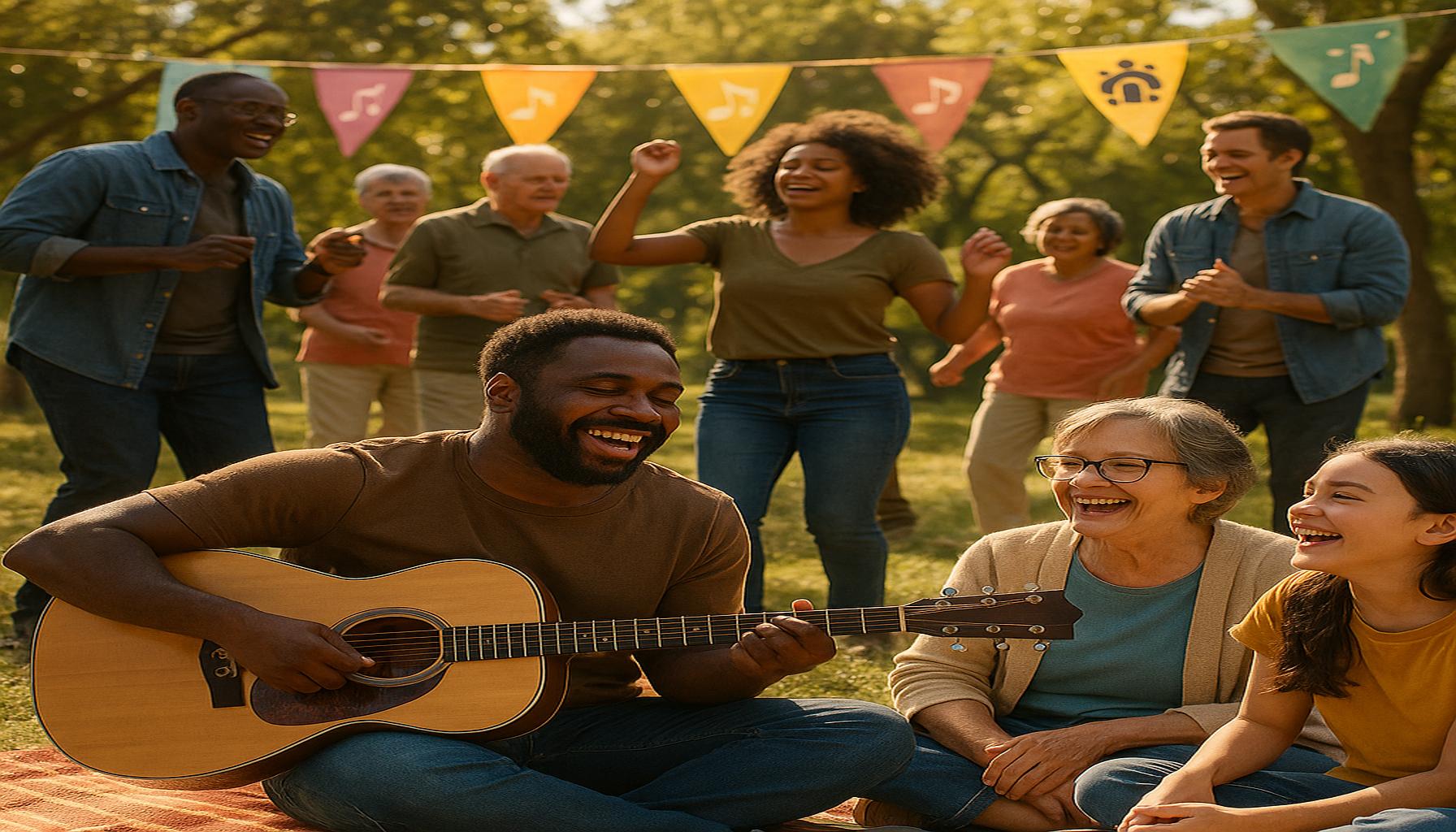
Consider the impact of community concerts. These local events are more than just performances; they are gatherings where residents come together to celebrate their shared cultural heritage or simply enjoy a beautiful day with friends and family. For instance, cities like Nashville, often dubbed the “Music City,” host free outdoor concerts in parks, where diverse groups mingle, dance, and enjoy live music. Such events foster a collective identity as attendees bond over the experience of enjoying their favorite artists, creating lasting memories that resonate within the community.
Another contemporary way music encourages emotional connections is through shared playlists. Online platforms like Spotify and Apple Music offer collaborative features that allow community members to curate playlists together. This not only reflects their shared tastes but also serves as a digital scrapbook of their collective experiences, bridging generational gaps. For example, a high school student might invite their grandparents to contribute to a family playlist, interweaving different eras and genres. This shared musical journey can lead to deeper conversations and a greater understanding of each other’s histories and preferences.
Moreover, musical education programs play a vital role in fostering cooperation and empathy among diverse groups. In schools and community centers, music education involves students from various backgrounds working together to perform and create. Programs such as El Sistema in the U.S. offer structured environments where children not only learn musical skills but also collaboration and teamwork. These experiences help form strong friendships and alliances, highlighting the power of music in building connections among youth who might otherwise remain isolated within their social circles.
These connections can lead to increased community cohesion, robust support networks, and overall well-being. As individuals derive comfort and joy from shared musical experiences, this enhances their sense of belonging. In times of crisis, music often serves as a unifier—think of the impromptu sing-alongs that erupt during community gatherings or how local musicians contribute to fundraisers after natural disasters.

By understanding the powerful role that music plays, we can explore innovative ways to harness its potential for emotional bonding. As we delve deeper into this topic, consider how music influences not only individual feelings but also the collective spirit of communities. This exploration reveals how musical ties can create a sense of belonging and infuse emotional richness among diverse groups, enriching the cultural tapestry of America.
DIVE DEEPER: Click here to discover how music drives change
Music as a Bridge to Emotional Understanding
Understanding how music can create emotional connections in communities often requires looking at the various ways it manifests in everyday life. From festivals to local bands, the influence of music permeates many of our shared experiences, fostering bonds that can transcend individual differences. One of the most notable aspects of music’s impact is its ability to evoke shared emotions. When people come together to enjoy music, be it through a spontaneous street performance or a carefully organized festival, they collectively engage in a shared emotional journey, often leading to a greater sense of community.
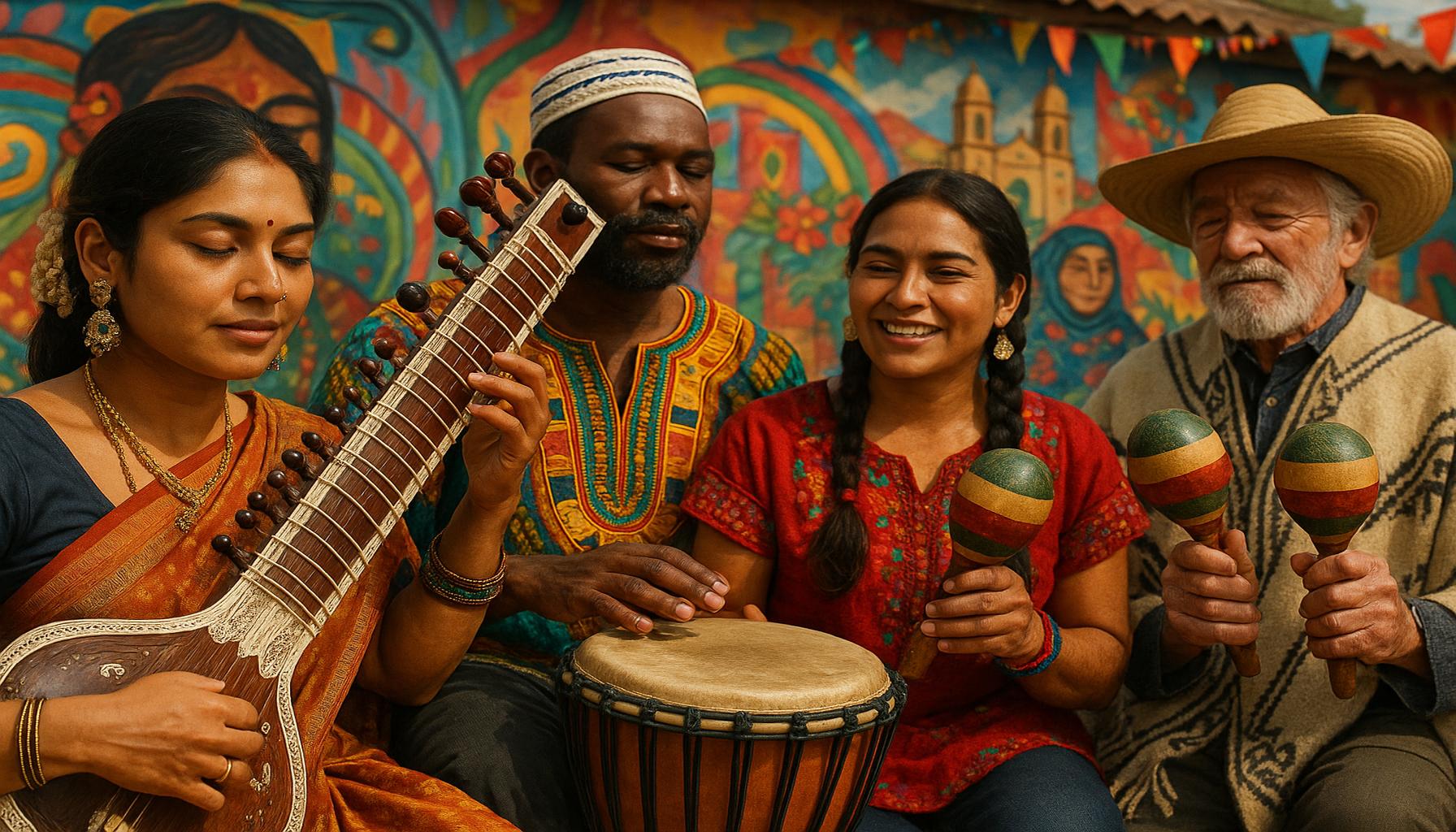
Consider the profound effect of community-driven musical events such as cultural festivals, where local artists showcase traditional music styles that resonate with participants. These events play a crucial role in preserving cultural identities while also inviting inclusivity. For example, the annual New Orleans Jazz & Heritage Festival is more than just a celebration of local music; it serves as a gathering point for diverse age groups and demographics, merging their experiences into a shared narrative. Through the joyful celebration of music, communities not only honor their heritage but also promote understanding and camaraderie among attendees.
Another important aspect of how music fosters emotional connections is through its ability to provide a voice for social issues. Musicians often use their art to highlight community struggles, express hope, and encourage dialogue. Genres like hip-hop and folk music frequently tackle pertinent social issues, resonating deeply with listeners and igniting community action. For instance, organizations like the Songs of Protest project harness the power of music to address themes such as racial injustice and economic disparity, inspiring collective mobilization and activism through their emotionally charged messages. This approach not only galvanizes communities but also facilitates a shared understanding of pressing issues, further cementing emotional bonds.
Moreover, creating musical spaces for collaboration provides individuals an opportunity to express themselves while connecting with others. Open mic nights, jam sessions, and music workshops welcome participants of all skill levels, encouraging them to share their musical talents and stories. This collaborative approach often fosters vulnerability and openness, paving the way for deeper emotional connections. Through these acts of artistic expression, individuals can experience moments of joy, stress relief, and mutual support, ultimately contributing to a vibrant and interconnected community.
The emotional power of music lies in its capacity to evoke memories, feelings, and connections that bridge generational divides. Research demonstrates that songs can invoke nostalgia, often leading listeners to reminisce about significant moments in their lives. By tapping into these shared memories, music creates an emotional tapestry that binds community members together.
In summary, the multifaceted role of music in community building demonstrates its ability to inspire connection, understanding, and empathy. From cultural festivals to social movements, the influence of music is powerful and pervasive, reminding us of our shared humanity. As we continue to explore how music can facilitate these emotional connections, we gain insight into the transformative power of our shared musical experiences.
How Music Inspires Community Engagement
Music has long been a vital component in fostering community bonds, often serving as a communal language that transcends barriers. When people gather to experience music together, whether at a concert, a neighborhood festival, or even spontaneous street performances, they are engaging in a shared emotional experience that nurtures connection and belonging. Research shows that musical gatherings can lead to stronger emotional bonds among participants. For instance, when individuals sing together, they not only boost their serotonin levels, which can enhance feelings of happiness, but also create a sense of unity. This phenomenon, also known as “collective effervescence,” enables individuals to feel as though they are part of something larger than themselves, thereby strengthening community ties.Another compelling aspect of music in fostering emotional connections is its role in cultural identity. Traditional music styles often encapsulate the history and values of a community, allowing individuals to express pride in their heritage. Events that celebrate local music offer platforms for cultural exchange, where different demographic groups can interact and appreciate the diversity within their own communities.Furthermore, music therapy is increasingly being used within communities to address mental health issues, particularly during challenging times. Community-driven music therapy initiatives have proven effective in creating safe spaces for self-expression, healing, and relationship building, ultimately reinforcing emotional resilience. In summary, through shared experiences, cultural identity, and therapeutic benefits, music plays a multifaceted role in facilitating emotional connections within communities. It not only brings people together but also enriches lives by fostering an environment where individuals feel acknowledged, valued, and integrated into their social fabric.
| Benefits of Music in Communities | Key Features |
|---|---|
| Fosters Unity | Brings individuals together through shared musical experiences. |
| Enhances Well-Being | Improves mental health and emotional resilience through collective music-making. |
DIVE DEEPER: Click here to discover more
The Healing Power of Music in Community Settings
Beyond the jarring chords of protest and the celebratory beats of festivals, music serves as a crucial element of emotional healing within communities. This aspect, often manifested in group therapy settings, nursing homes, and hospitals, highlights how music can transcend barriers of language and comprehension, facilitating connections that foster healing and resilience. For instance, music therapy has been shown to be effective in addressing various emotional and psychological challenges, providing a therapeutic outlet for individuals to express their feelings and connect with others going through similar experiences.
Research underscores the healing power of music, highlighting that it can reduce anxiety and depression while improving overall emotional well-being. Groups that engage in collective musical activities, such as choirs or drum circles, often report an enhanced sense of belonging and support. Such environments encourage individuals to vocalize their emotions, share their stories, and collectively process their challenges. The therapeutic community choir model, popular in various cities like Los Angeles and New York, exemplifies this phenomenon, where participants often find solace and solidarity through their shared passion for singing.
Music as a Tool for Education also plays a vital role in strengthening community ties. Programs that integrate music education into schools, or community-based initiatives that provide music lessons, enhance not only cognitive skills but also foster relationships between participants. Children and adults alike benefit from active engagement in music-making, building bonds through collaborative efforts while also instilling a sense of pride and accomplishment. The impact of such programs is particularly evident in under-resourced areas, where music becomes a unifying force, offering opportunities for creative expression and personal development.
Furthermore, collaborations with local musicians and artists in community projects can amplify the sense of identity and pride. Projects that invite these creatives to lead workshops or performances in their neighborhoods encourage residents to engage with their artistic side while celebrating local talent. Events like “Music in the Parks” in Chicago provide families and individuals a chance to come together and experience the art created by their immediate community, forging lasting bonds in the process.
Intergenerational music programs further illustrate the power of music to enhance emotional connections. Facilitated workshops that pair younger generations with the elderly allow for the sharing of musical traditions, stories, and cultural histories. This reciprocal exchange often leads to a newfound respect and understanding between age groups, fostering community ties that might otherwise remain dormant. An example of this is the “Music Memory” program, which brings together children and seniors, allowing them to explore and share favorite songs across generations, ultimately enriching each participant’s experience.
Finally, the role of music in commemorating events and milestones cannot be overlooked. Community gatherings that mark significant local anniversaries, memorials, or celebrations often include music as a central feature. From the National Memorial Day Concert in Washington, D.C., to regional events celebrating achievements, music links the past to present experiences, bringing people together in remembrance and celebration. These collective musical expressions forge emotional connections deeper than mere participation; they create a shared legacy, where individuals can connect to stories larger than themselves.
DISCOVER MORE: Click here to dive deeper
Conclusion: The Transformative Role of Music in Community Bonds
In summary, music emerges not just as a form of entertainment but as a transformative force capable of forging deep emotional connections within communities. Through its inherent ability to evoke emotions and foster shared experiences, music acts as a unifying element that transcends cultural and generational divides. From community choirs that amplify individual voices to intergenerational programs that celebrate shared legacies, the impact of music on emotional well-being is profound.
Moreover, initiatives that integrate music education into community frameworks can be particularly effective in enriching the fabric of social ties. Such programs not only cultivate skills but also nurture relationships, creating spaces where collaboration and creativity flourish. Local musical projects add further layers of identity and pride, celebrating regional talent while inviting participation from all community members.
As we explore the multifaceted role of music, it becomes evident that it can serve as a vehicle for emotional healing and resilience, particularly in challenging times. Whether through commemorative events that honor past struggles or collaborative sessions that encourage dialogue, music is essential in building bridges and fostering understanding among diverse groups.
Emphasizing the importance of music-based initiatives can pave the way for deeper emotional connections and a more cohesive community. As we collectively embrace the power of music, we open the door to new relationships, shared stories, and a legacy of connection that can resonate for generations to come. This exploration invites further investigation into how communities can harness music not just as art, but as a catalyst for emotional engagement and collective strength.