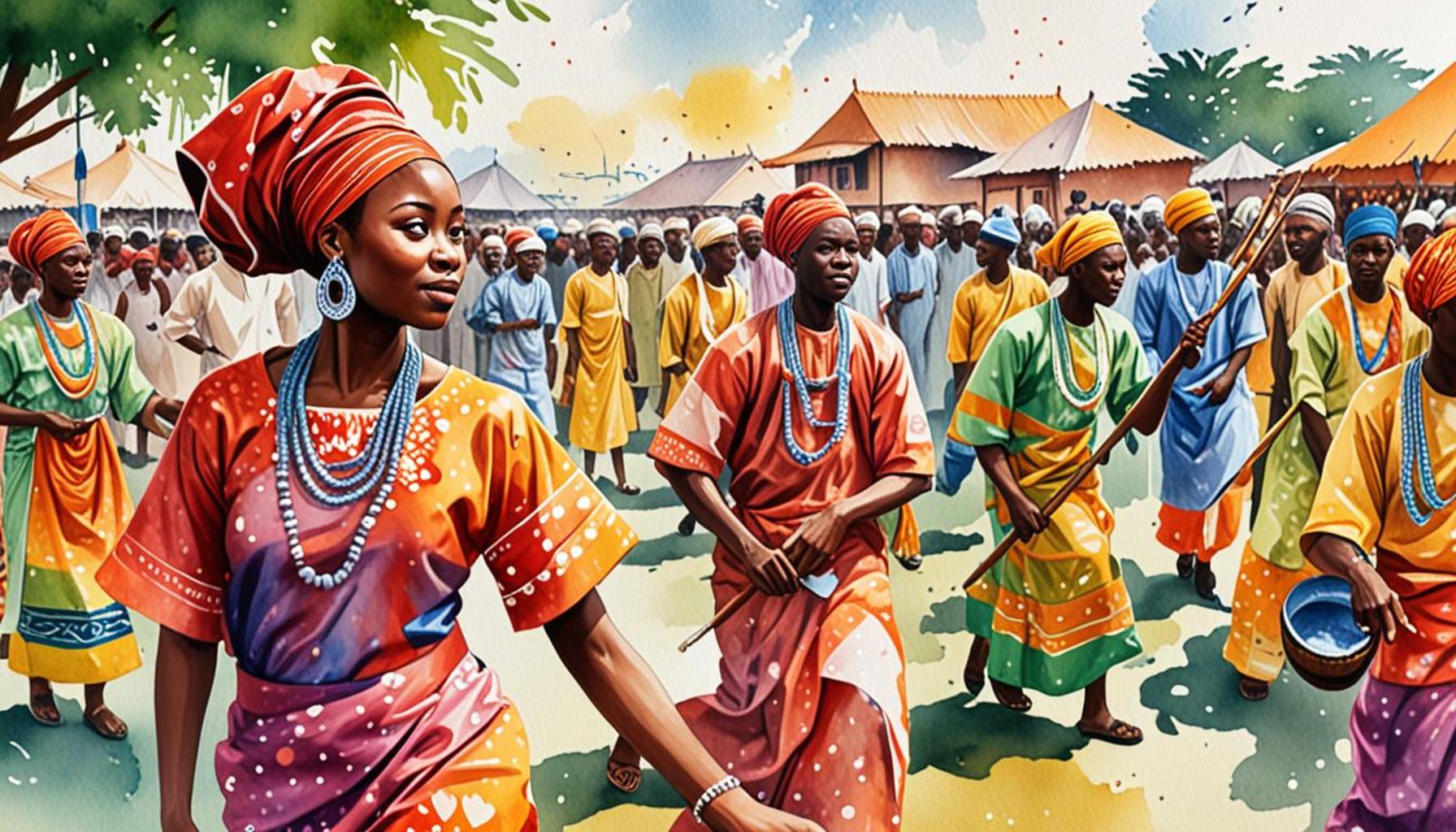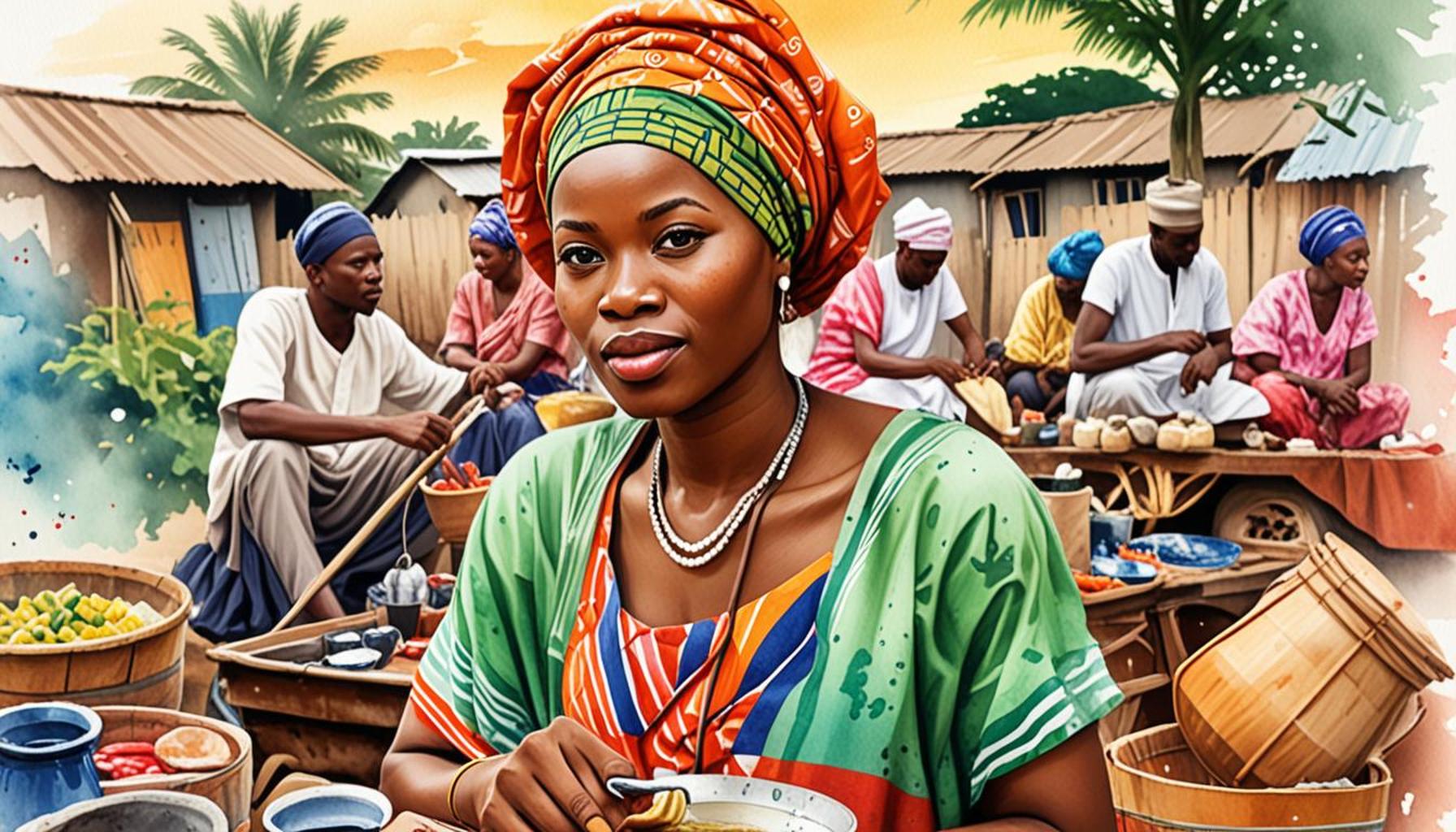
Music and Dance Scripts: The Sound Tradition of Nigeria in Every Step
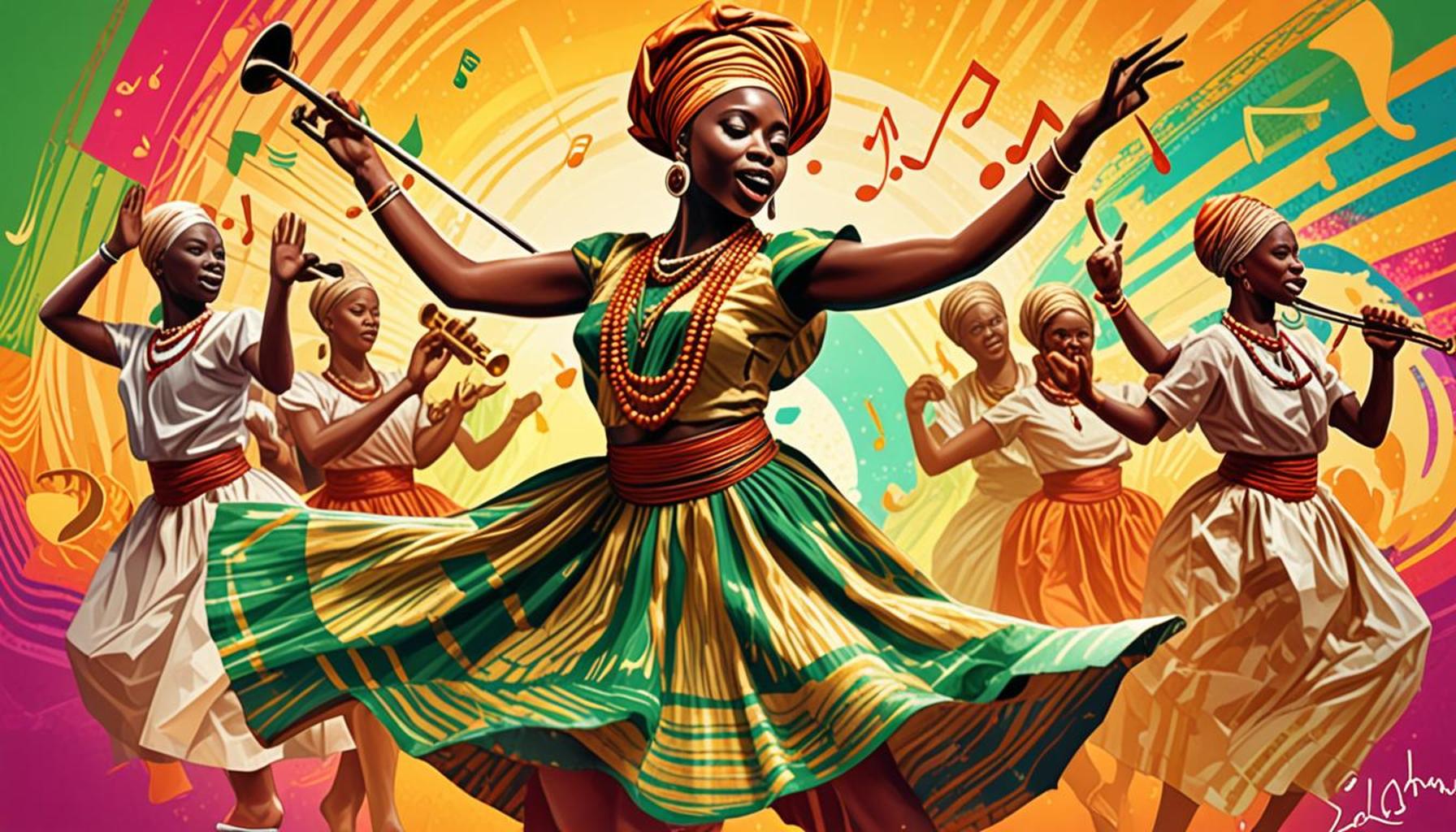
Unlocking Nigeria’s Artistic Expression through Music and Dance
Nigeria’s cultural heritage is a vibrant mosaic, with music and dance serving as pivotal elements that embody its diverse historical and social narratives. These art forms transcend mere entertainment, acting as the pulsating heartbeat of communities, connecting generations, and preserving the rich legacies of various ethnic groups.
A Diverse Musical Landscape
The multitude of musical genres across Nigeria is a testament to its cultural richness. Each region has developed its unique styles, shaped by local traditions and influences:
- Juju: This genre, rooted in the Yoruba culture, blends traditional percussion instruments like the talking drum with modern musical elements. Pioneered by legends such as King Sunny Ade and Chief Commander Ebenezer Obey, Juju is celebrated for its mesmerizing guitar riffs and rhythmic grooves that often accompany storytelling and social commentary.
- Highlife: Originating from the Igbo region, Highlife represents a joyous fusion of traditional African rhythms and Western jazz influences. Popular in the mid-20th century, this genre features lively horns and guitar riffs, exemplified by artists like Oriental Brothers and the renowned band, The Rovers. Highlife represents not just a musical style but also a celebration of Nigerian identity, particularly in social gatherings.
- Afrobeats: This contemporary genre is a global sensation, with artists like Burna Boy, Wizkid, and Tiwa Savage leading the charge. Afrobeats blends traditional African sounds with elements of hip-hop, dancehall, and R&B and is characterized by infectious rhythms and vibrant melodies. Its international appeal has pushed Nigerian music into global charts, captivating audiences beyond the African continent.
A Celebration of Culture
The role of dance in Nigerian culture extends far beyond mere performance, as it serves as a key form of expression during ceremonies and celebrations. It is a vital component of cultural identity and heritage, with various forms representing different communal narratives:
- Weddings: Traditional marriage ceremonies are incomplete without culturally rich dances, such as the “Gele,” where the art of head wrapping is celebrated through movement. These dances symbolize joy, unity, and the intertwining of families across generations.
- Festivals: Each local festival showcases energetic performances that pay homage to deities and ancestors. Events like the Osun-Osogbo festival feature ritualistic dances that narrate ancient stories, inviting community participation and fostering a sense of belonging.
- Rituals: Dance is often employed to convey respect and facilitate communication with spiritual realms. Movements signify both reverence and cultural continuity, vividly portraying traditional beliefs and practices that remain integral to various ethnic groups.
As an exploration of Nigeria’s sound traditions unfolds, it reveals that music and dance are not just forms of expression but fundamental to the fabric of Nigerian identity. Each note resonates with profound meaning, and every dance step encapsulates a legacy steeped in history, waiting to be uncovered and appreciated. For those eager to experience Nigerian culture, immersing oneself in its music and dance is an invitation to understand its heart and soul.
LEARN MORE: This related article may interest you
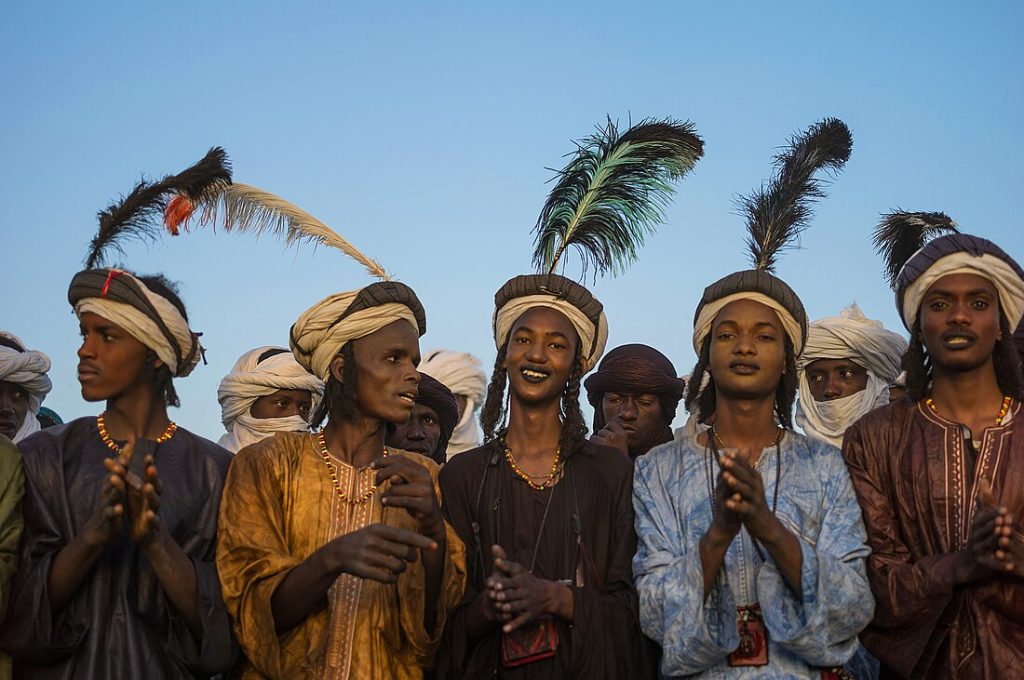
Exploring Nigeria’s Musical Influences and Rhythms
Music in Nigeria is deeply intertwined with the country’s history, geography, and the diversity of its people. The sheer variety of instruments used, from the shekere to the talking drum, illustrates the innovative spirit of Nigerian artisans and the cultural exchanges that have occurred over centuries. These instruments do not merely produce sound; they resonate with the emotional and social fabric of Nigerian life, reflecting both local narratives and universal themes.
The Role of Traditional Instruments
Nigeria’s sound tradition proudly boasts an array of traditional instruments that elicit rich melodies and rhythms. Each region gleefully embraces its distinctive instruments while incorporating those from other cultures, crafting a unique musical experience:
- Talking Drum: Known as djembé in some cultures, this instrument is characterized by its hourglass shape. The talking drum is expertly played with a technique that mimics the tonal language of the Yoruba people, allowing drummers to articulate messages and emotions.
- Shekere: This gourd-like percussion instrument is decorated with beads or shells, producing a resonant sound that is synched with other instruments in lively performances. The shekere accompanies festivities, enhancing the celebratory atmosphere with its rhythmic clapping sounds.
- Udu: A clay pot played with the hands, the udu is an ancient instrument originating from the Igbo culture. Its distinct melodic quality adds depth to traditional songs and is often used in spiritual gatherings and storytelling.
Cultural influence manifests not only through the instruments themselves but also through the way they are integrated into various aspects of life. Traditional music often serves as a historical archive that maintains and conveys the values, struggles, and aspirations of communities across Nigeria.
Dance: An Integral Companion to Music
The vibrant dances associated with Nigeria’s music are as diverse as the sounds they accompany. Each dance form tells a story, reflecting the emotions conveyed through melodies and rhythms. As a crucial element of celebration and expression, dance serves multiple purposes:
- Storytelling: Many dance forms in Nigeria narrate historical events or folklore, with performers embodying characters and emotions through their movements. This storytelling approach keeps ancestral knowledge alive and transmits values to younger generations.
- Rituals and Rites of Passage: Dances are integral components of rituals such as naming ceremonies, initiations, and funerals, representing the community’s beliefs and transforming individual experiences into collective memory.
- Social Cohesion: Dance fosters solidarity among community members, as collective participation in performances fortifies social bonds. Events such as the Calabar Carnival draw crowds and unite diverse groups, showcasing the shared heritage of Nigerians.
In understanding Nigeria’s music and dance scripts, it becomes clear that these art forms are more than just performance; they symbolize the heartbeat of the nation. By exploring the intricate relationship between the two, one can appreciate the profound ways in which they reflect cultural identities, bridging past, present, and future. In Nigeria, every note sung and every step danced resonates with the stories of its people, inviting the world into a dynamic dialogue of cultural expression.
| Advantages | Impact |
|---|---|
| Cultural Preservation | Music and dance scripts play a vital role in preserving Nigeria’s rich cultural heritage, ensuring that traditional practices are passed down through generations. |
| Social Connectivity | These scripts foster community bonds, enabling people to enjoy and participate in cultural celebrations that enhance social cohesion. |
Exploring the music and dance scripts of Nigeria offers a captivating glimpse into the country’s diverse traditions. With vibrant rhythms and expressive movements, these scripts not only entertain but educate individuals on the significance of cultural practices. The involvement in such engaging forms of art provides opportunities for personal and community growth, promoting a deep sociocultural understanding. Through careful documentation and performance of these scripts, the essence of each region is artistically conveyed, allowing the audience to develop a newfound appreciation for Nigeria’s cultural landscape. As you delve deeper into this vibrant tradition, discover how specific dances tell the stories of communities and their histories, leading to greater awareness and curiosity. This exploration unveils the sound tradition of Nigeria, echoing through every step people take in the celebration of life.
ADDITIONAL INSIGHTS: Expand your understanding here
Interconnections of Music, Dance, and Community
The fabric of Nigerian culture is intricately woven through the interconnections of music and dance, both of which play a pivotal role in the social and communal life of diverse populations. In a country as multifaceted as Nigeria, where over 250 ethnic groups coexist, music and dance scripts carry unique regional variations and collective identities that signify not only personal expression but also communal harmony.
Community Celebrations and Festivals
Mass celebrations across Nigeria are deeply embedded in music and dance practices that foster communal ties. Events such as the Osun Osogbo Festival and the Argungu Festival showcase the unique sound traditions of their respective regions. The Osun Osogbo Festival pays homage to the river goddess, uniting thousands in rhythmic worship through music and traditional dance forms like the Adamu Orisha Play, which tells stories of the Yoruba pantheon. Here, the dancers adorn vibrant attire and engage audiences with narratives of ancestry.
Similarly, the Argungu Festival, celebrated in Kebbi State, features the energetic Fishermen’s Dance, where participants showcase their fishing skills accompanied by traditional musical instruments. Such festivals not only highlight local traditions but also draw tourists, encouraging cultural exchange and appreciation of Nigeria’s rich heritage.
Music and Dance Education in Contemporary Society
As contemporary society evolves, the importance of music and dance education has gained recognition within Nigeria’s educational framework. Institutions such as the University of Ibadan and the National Troupe of Nigeria are at the forefront of teaching traditional performance arts, ensuring knowledge transfer from seasoned performers to younger generations. This training endeavors to preserve traditional forms while encouraging innovation and creativity, allowing traditional dances to reach modern sensibilities while still reflecting cultural ethos.
Moreover, grassroots initiatives such as community workshops and school programs cultivate interest in indigenous music and dance. Programs aimed at teaching children various dance forms, including the electrifying shaku shaku and zanku, promote cultural pride and stimulate discourse around Nigeria’s artistic expressions, merging the old with the new. This effort is vital in maintaining the vibrancy of Nigeria’s sound tradition.
The Global Influence of Nigerian Music and Dance
Recently, Nigerian music and dance have transcended borders, finding a platform on the global stage. Genres like Afrobeats, which blends traditional African rhythms with contemporary sounds, have captivated audiences worldwide. Artists like Burna Boy and Wizkid have become cultural ambassadors, representing not only their sounds but also the intricate dance styles that accompany them, such as gwara gwara. These artists unite Nigerian rhythms with global trends, creating a captivating fusion that resonates far beyond local spaces.
This international appeal results in collaborations and cultural exchanges that invigorate the Nigerian music scene and inspire new forms of artistic expression. Events such as Coachella have featured Nigerian acts, further solidifying the global recognition of Nigeria’s dynamic sound and dance traditions. As Nigerian music continues to influence global genres, it serves as a powerful reminder of the country’s rich heritage and creative potential.
Nigeria’s sound tradition, characterized by the synergy of music and dance, transcends mere entertainment; it is a vital language that speaks to the heart of the nation. Each performance, whether in a bustling village or on an international stage, encapsulates the hopes, dreams, and histories of the Nigerian people, bridging the past with the possibilities of the future.
CHECK OUT: Click here to explore more
Conclusion
In the vibrant tapestry of Nigerian culture, music and dance scripts stand as powerful embodiments of the nation’s rich heritage and communal identity. These art forms are not merely entertaining spectacles; they are living narratives that weave together the stories, traditions, and values of over 250 ethnic groups. From the rhythmic beats of the Adamu Orisha Play at the Osun Osogbo Festival to the jubilant Fishermen’s Dance of the Argungu Festival, each performance reflects a deep-rooted connection to ancestral history and contemporary society.
The integration of music and dance into educational initiatives is vital for preserving Nigeria’s diverse sound traditions, ensuring that future generations have the opportunity to learn about their cultural lineage. The rise of contemporary genres like Afrobeats showcases the ability to innovate while remaining anchored in tradition, demonstrating how Nigeria’s artistic expressions can transcend borders and resonate with audiences around the world.
As the global stage continues to celebrate Nigerian rhythms and dance, there lies an opportunity for cultural exchange that enriches both local and international communities. The increasing presence of artists like Burna Boy and Wizkid further cements Nigeria’s position as a cultural powerhouse, inspiring a renewed interest in the richness of African heritage.
Ultimately, music and dance in Nigeria are more than forms of expression; they are crucial components of a dynamic dialogue that connects the past, present, and future. The sound tradition of Nigeria, encapsulated in every step and every note, remains a compelling testament to the nation’s enduring spirit and creativity, inviting all to partake in its rhythmic legacy.